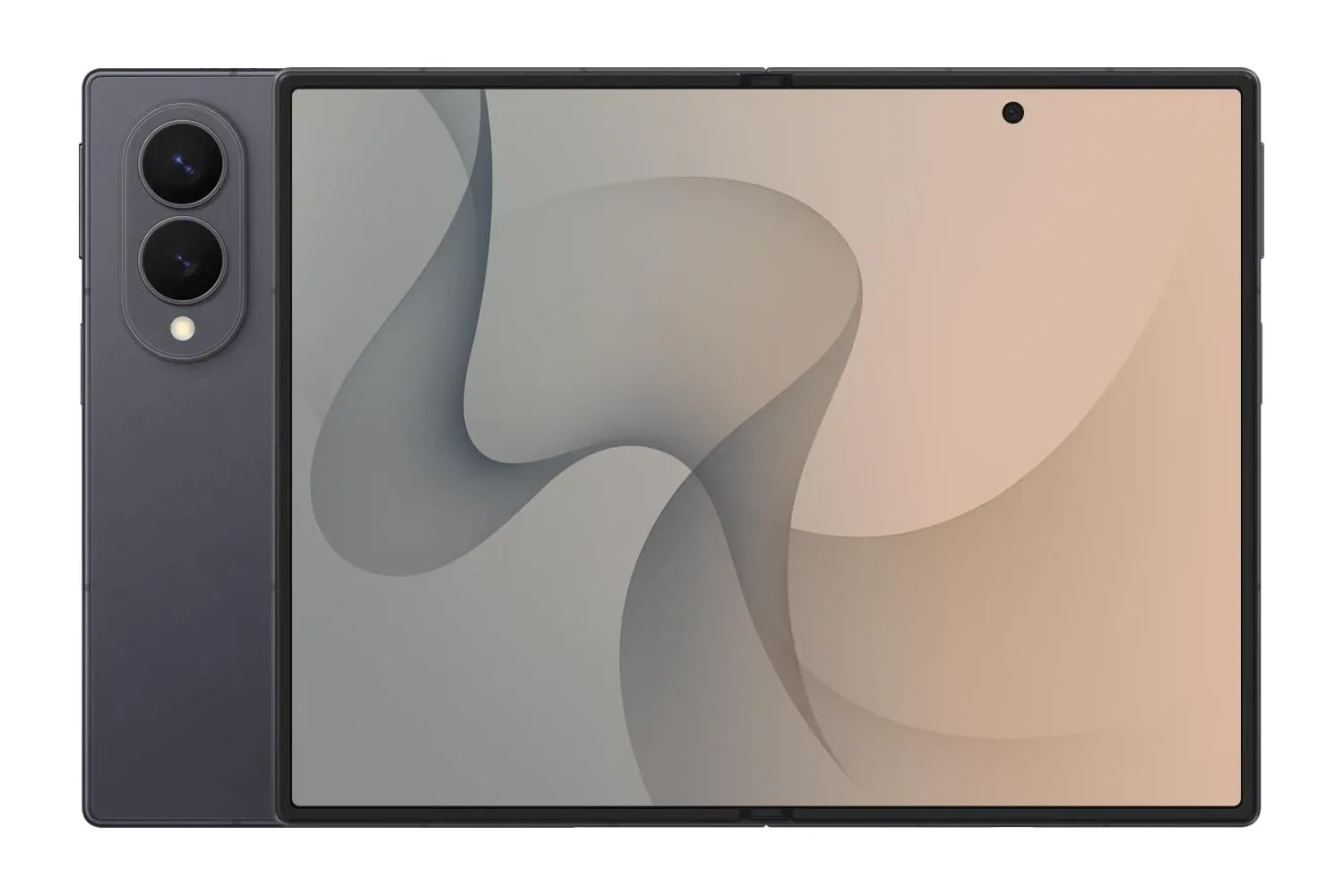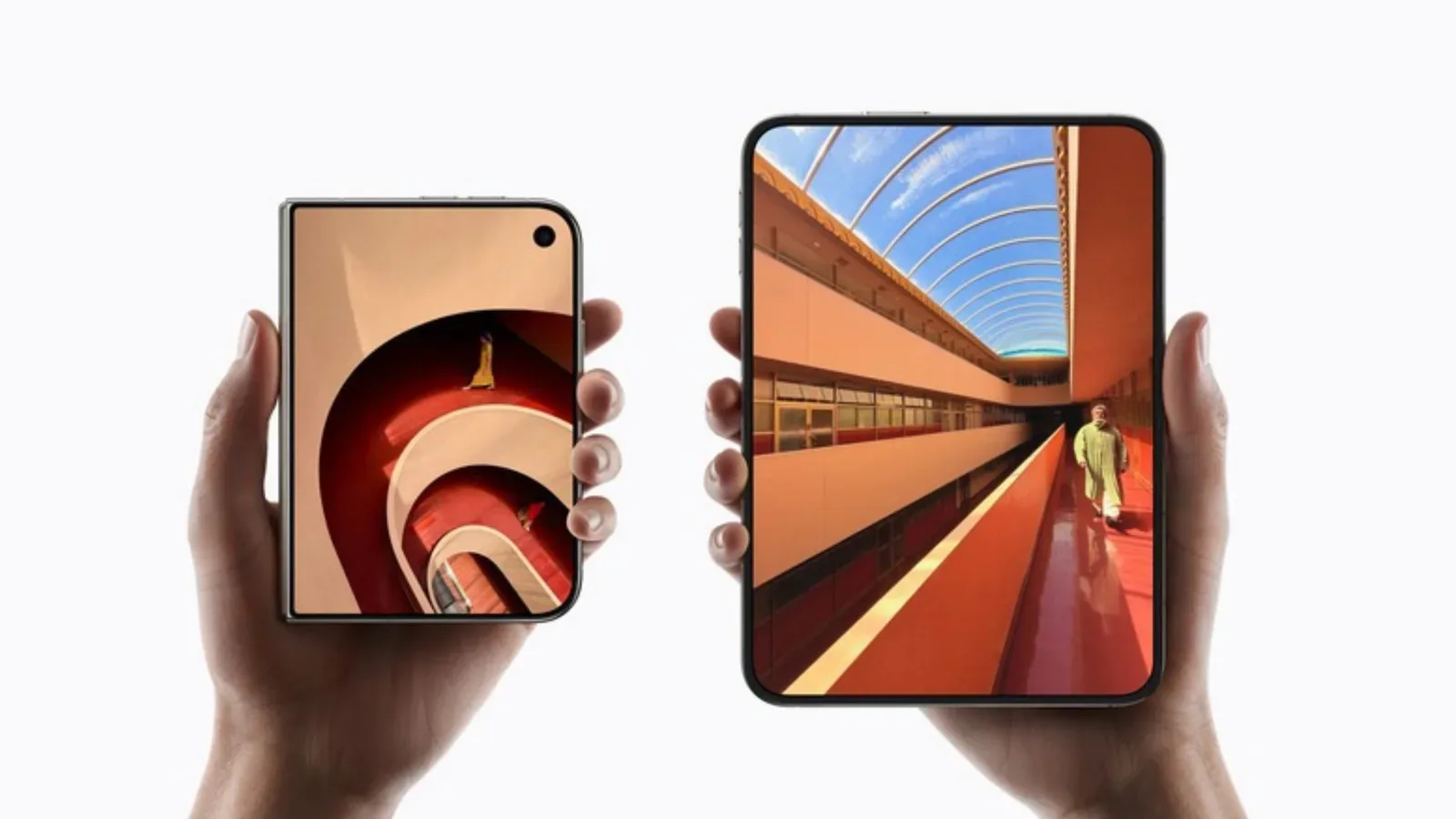
Foldable phones have spent years trying to escape the “very impressive prototype you should probably not put in your pocket” phase. The pitch has always been unusually easy to understand: carry a phone-sized device, open it, and get a larger display when you want one. The difficult part was making that trick feel ordinary rather than precarious.
The category’s progress is best understood as a succession of very practical fixes. A foldable needs a display that can bend repeatedly, a hinge that survives regular use, surfaces that resist scratches and pressure, and hardware that does not become absurdly thick when shut. It also has to confront a more basic question: why pay extra for a phone with moving parts?
By 2026, the answer appears substantially stronger than it did at the beginning. Flexible screens have been put into commercial products, inner screens have moved to ultra-thin glass, water and dust protection have improved, visible creases have been reduced, and some clamshell models have reached conventional flagship-phone pricing. Apple’s entry with the iPhone Duo now creates a prominent new test for the format: whether maturity in the hardware can turn a long-running premium niche into a mainstream choice.
The early foldable era was a public engineering lesson
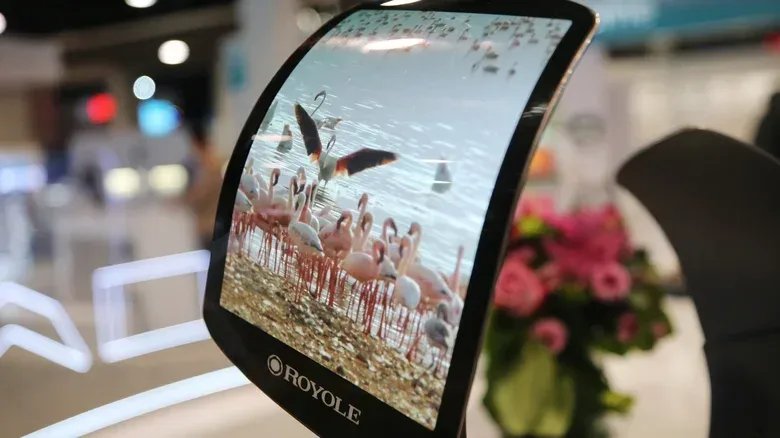
Royole’s FlexPai made an early splash at CES in 2019 as the first commercially available foldable smartphone. It was an important demonstration even if it did not present a polished template for everyone else to follow. Its awkward proportions and rough performance made it clear that proving flexible OLED could ship in a product was only the first milestone, not the finish line.
OLED, or organic light-emitting diode display technology, is central to the story because it enables the display itself to flex. But a workable foldable is not simply a flexible panel attached to a phone. It is an entire system. The display layers, protective covering, frame and hinge all must accommodate bending without making the device too vulnerable in daily use.
Samsung’s original Galaxy Fold showed just how exposed those interdependencies could be. Released in February 2019 at a price just below $2,000, the phone ran into serious early durability concerns. Some review units developed broken screens after limited use, while another problem stemmed from people removing a plastic layer that looked like a removable screen protector but served a functional role in the display assembly. Samsung delayed the public launch, recovered review units and re-engineered the design. The revised product was more robust, though still not fully free of concerns.
That episode established the core standards by which foldables would be judged: a crease should not constantly distract the owner; the hinge must withstand repeated opening and closing; and the screen must tolerate normal contact, pressure and exposure. Those sound like modest expectations, but they are particularly demanding when the product’s headline feature depends on a soft, flexible central area.
Huawei’s Mate X, also shown in 2019, demonstrated a different route. Rather than protecting its display inside the device when closed, it folded outward, with one high-resolution screen wrapped around the exterior. The approach produced a striking, elegant object, but it left the screen more directly exposed to scratches and damage. Huawei’s later Mate X2 used an inward-folding setup instead. In practical terms, the shift is revealing: the visually bolder mechanism does not automatically make the best compromise for a device expected to survive everyday handling.
What changed from 2020 through 2025
The years after those early attempts were less about one dramatic reveal and more about manufacturers addressing the reasons people might hesitate. Android phone makers produced a growing range of foldables, and the improvements accumulated across screen materials, ingress resistance, crease treatment, thickness and price.
Samsung’s Galaxy Z Flip introduced ultra-thin glass on its inner screen in 2020. That matters because early flexible screens were closely associated with fragility. Ultra-thin glass does not remove every limitation inherent in a bendable display, but its arrival represented a move toward a more robust inner surface.
Resistance ratings also became a useful shorthand for progress. The Galaxy Z Fold 3 and Z Flip 3 arrived in 2021 with IPX8 water resistance. In the IP rating system referenced here, the “X” means no dust-protection classification is specified, while the “8” denotes water resistance. Dust is especially difficult for foldables because their moving hinge creates more paths for tiny particles to cause problems than a conventional sealed slab phone.
Samsung’s Fold 6 later added partial dust protection with an IP48 rating. Google’s Pixel 10 Pro Fold reached full IP68 in 2025. The distinction is important for a buyer deciding whether a foldable is ready for a particular routine: water resistance and dust resistance are separate design challenges, and a strong result in one does not necessarily establish the other.
The crease has also evolved from a glaring symbol of compromise into a smaller visual issue. Oppo’s 2021 Find N achieved a near-invisible crease, demonstrating that hinge and display design could significantly reduce the line left by folding. Honor’s Magic V series then pursued thinner hardware, while Samsung answered with the slim Galaxy Z Fold 7. A thinner foldable is not just an aesthetic win. It changes the fundamental bargain of carrying an expandable device. The closer it feels to the thickness and shape people already accept for a phone, the less often owners have to justify the extra bulk.
Pricing pushed from the other direction. Book-style foldables, which open like a small tablet, remain an expensive proposition. But clamshell devices such as the revived Motorola Razr and Samsung’s $999 Galaxy Z Flip 3 brought foldable pricing down toward regular flagship territory. The clamshell form is a simpler value proposition: it turns a normal-size phone into something smaller to carry, rather than turning a phone into a larger working or viewing canvas.
Two foldable formats, two different promises
It is useful not to treat every foldable as the same category. The format currently contains two distinct ideas.
- Book-style foldables open from a narrow outer screen into a tablet-like internal display. Their appeal is versatility: one device can be compact enough to carry yet offer a much larger screen when open.
- Clamshell foldables fold a conventional phone into a smaller closed form. Their appeal is portability, with the large screen generally returning when the phone is opened.
That distinction helps explain why the market has been able to advance without producing a single universal winner. Someone who values a larger canvas may tolerate additional size and cost; someone who mainly wants a compact device may prefer the clamshell approach. The engineering challenges overlap, but the purchasing logic does not.
For gaming and other screen-heavy phone use, the book-style concept is particularly easy to see. A larger unfolded display could offer more room for touch controls, menus, maps, chat windows or video, while the outer display can handle quick tasks without opening the device. That is an implication of the physical format, not a guarantee about any game’s support or performance. The software experience still has to use the unusual screen sizes well, and the source material does not establish how individual games behave on these devices.
The same caveat applies to durability. IP ratings, ultra-thin glass and improved hinges are meaningful signs of advancement, but they should not be mistaken for a claim that a foldable is identical to a non-folding phone in every physical respect. A buyer is still choosing a device whose defining advantage depends on a display and mechanism doing more complex work.
Apple’s iPhone Duo raises the stakes
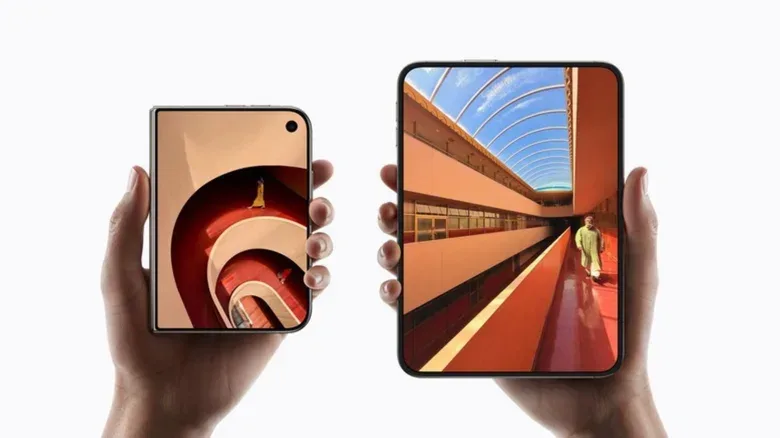
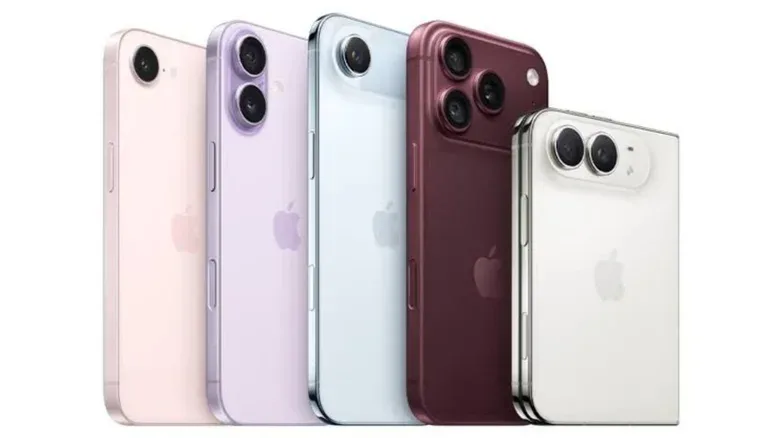
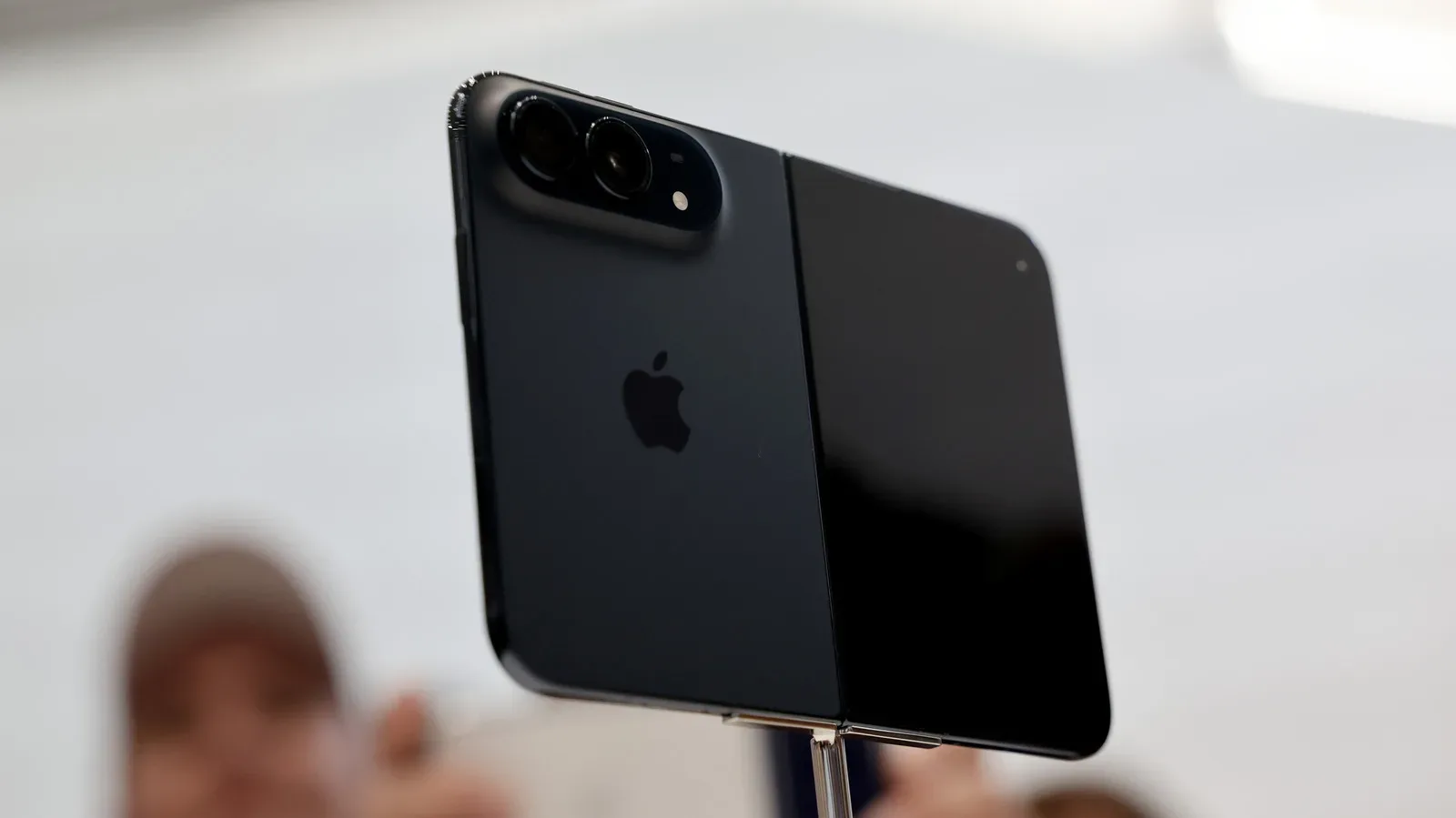
Apple has now entered the segment with the iPhone Duo. When folded, it is passport-sized; it includes a 7.6-inch internal display and a 5.4-inch external display, and starts at $1,999. Those specifications put it clearly in the premium book-style portion of the market rather than the lower-cost clamshell lane.
The timing is central to the device’s significance. Apple did not have to absorb the category’s first public failures. By the time of the iPhone Duo, foldable makers had already spent years refining protection, materials, hinges, crease visibility and form factor. In other words, Apple arrives after the foundational argument—can foldable phones exist as real products?—has largely been settled. The remaining question is much larger: can a highly visible entrant make the proposition feel desirable enough to become widely adopted?
Early enthusiasm is considerable, and a forecast projects iPhone Duo sales of 6 million units in 2026. That figure is a projection rather than a completed sales result, so it should be read as an expectation, not proof that the market has already crossed into the mainstream. Still, it illustrates how much attention the launch is receiving.
The $1,999 starting price is equally instructive. It suggests that “mainstream” should not be confused with “cheap.” A category can gain cultural visibility and persuade more buyers while remaining an upscale purchase. The lower-cost clamshells have already made one version of foldable ownership more approachable; the iPhone Duo instead tests whether a premium large-screen foldable can become a widely recognized aspirational device.
What mainstream success would actually look like
Foldables do not need to replace every conventional phone to count as a success. The practical signs would be simpler: shoppers considering them without assuming the screen is too delicate; enough choices in both clamshell and book-style designs; prices that make the category accessible beyond its earliest enthusiasts; and product designs that do not demand constant explanations for their thickness, crease or reliability.
The hardware trajectory supports cautious optimism. From FlexPai’s proof that flexible OLED could reach a shipping handset, through the Galaxy Fold’s painful durability lessons, to water resistance, dust protection, thinner bodies and subtler creases, each stage addressed a limitation that could derail ordinary ownership. There is no single “foldable solved” moment. It has been a collection of improvements that make the original premise more believable.
Apple’s arrival may prove to be a major inflection point, but it should be viewed in that context. The iPhone Duo is not evidence that the earlier competitors were irrelevant; it is a device made possible by a market that has had years to learn what folding hardware needs to survive. Whether it becomes the moment foldables become fashionable remains uncertain. What is far less uncertain is that the category is no longer defined solely by a clever screen bending in half. It is now defined by how convincingly that screen can live in someone’s pocket every day.
For another example of phones becoming part of device infrastructure rather than just standalone screens, see how Slate Truck OTA updates use a phone instead of built-in cellular.