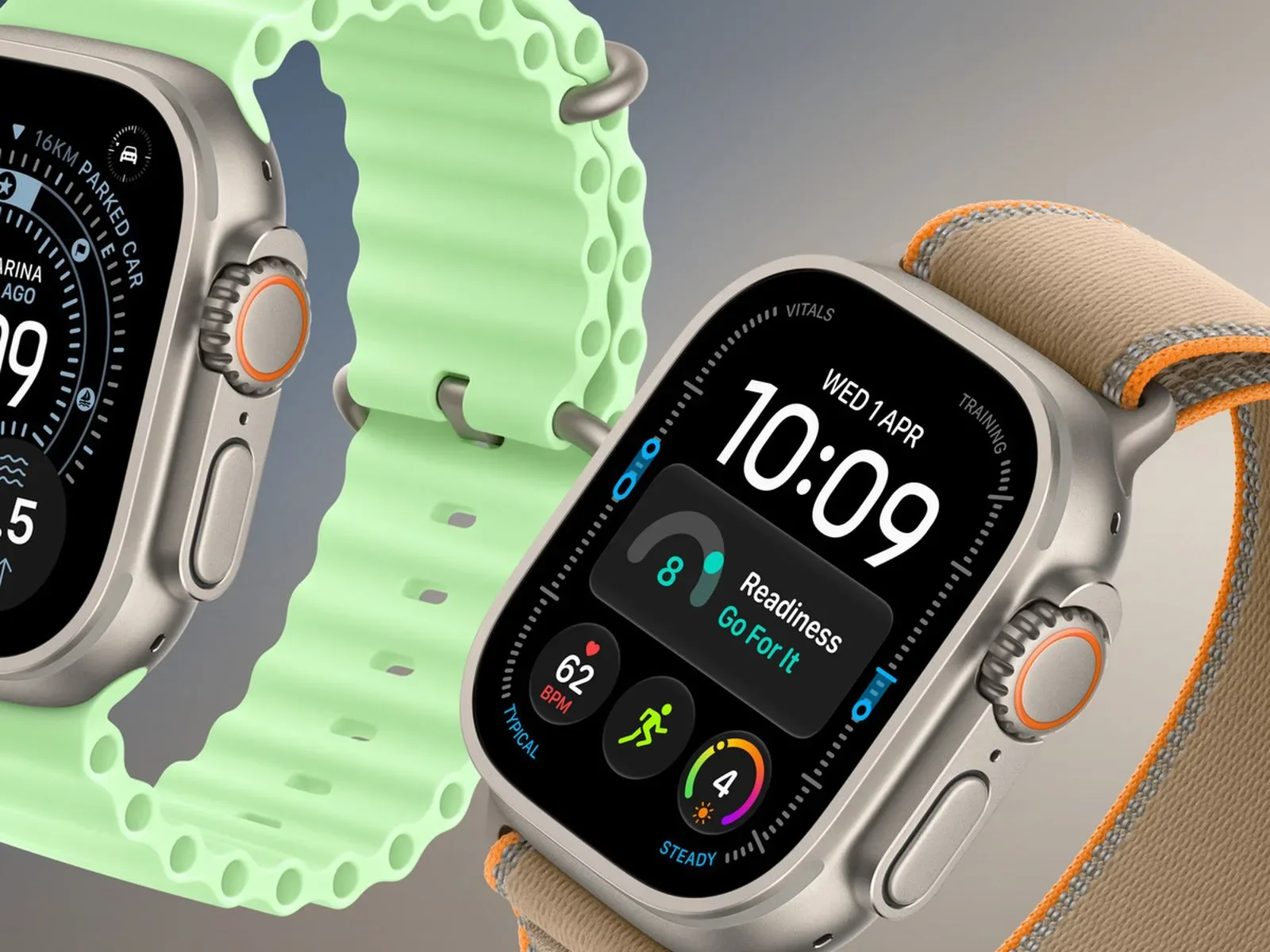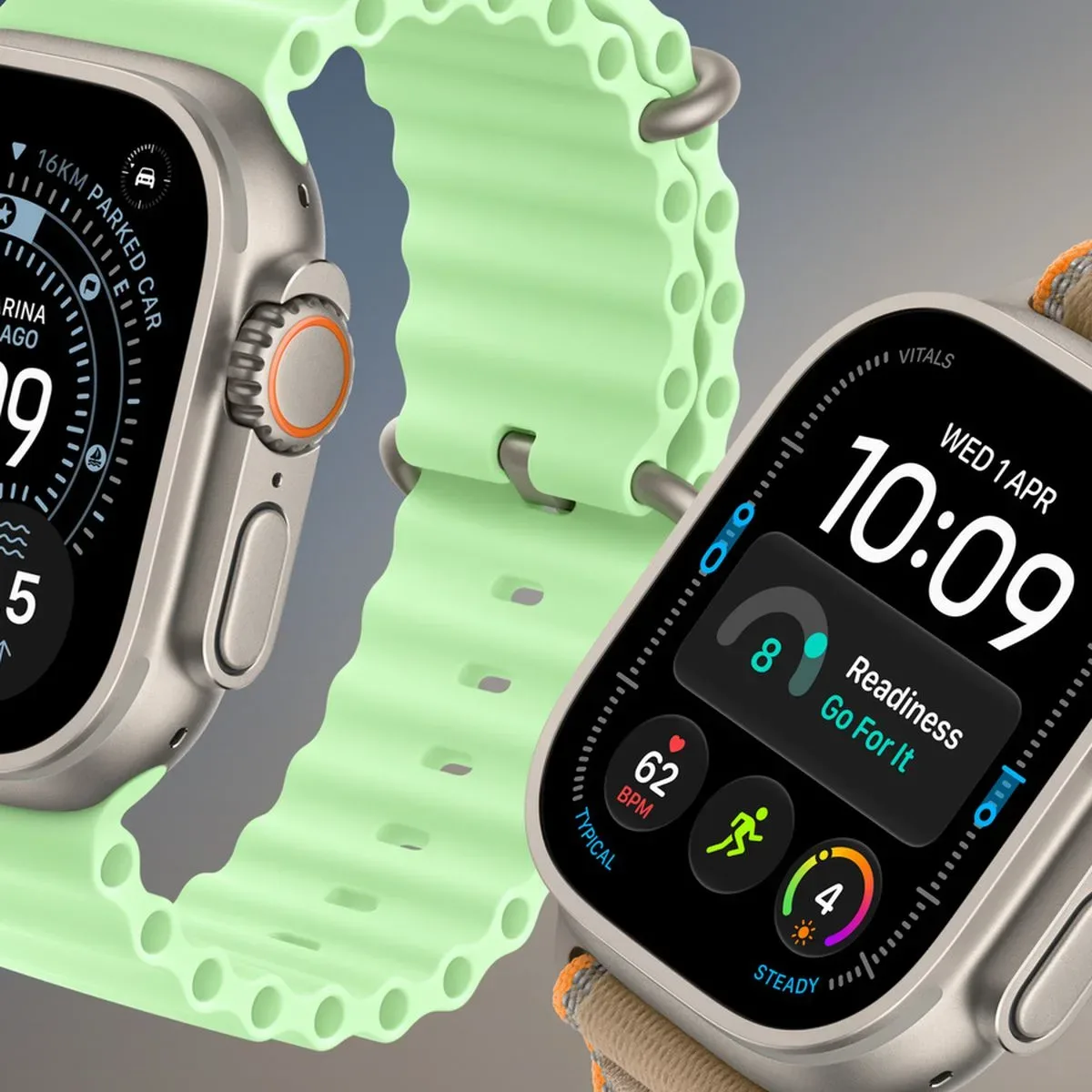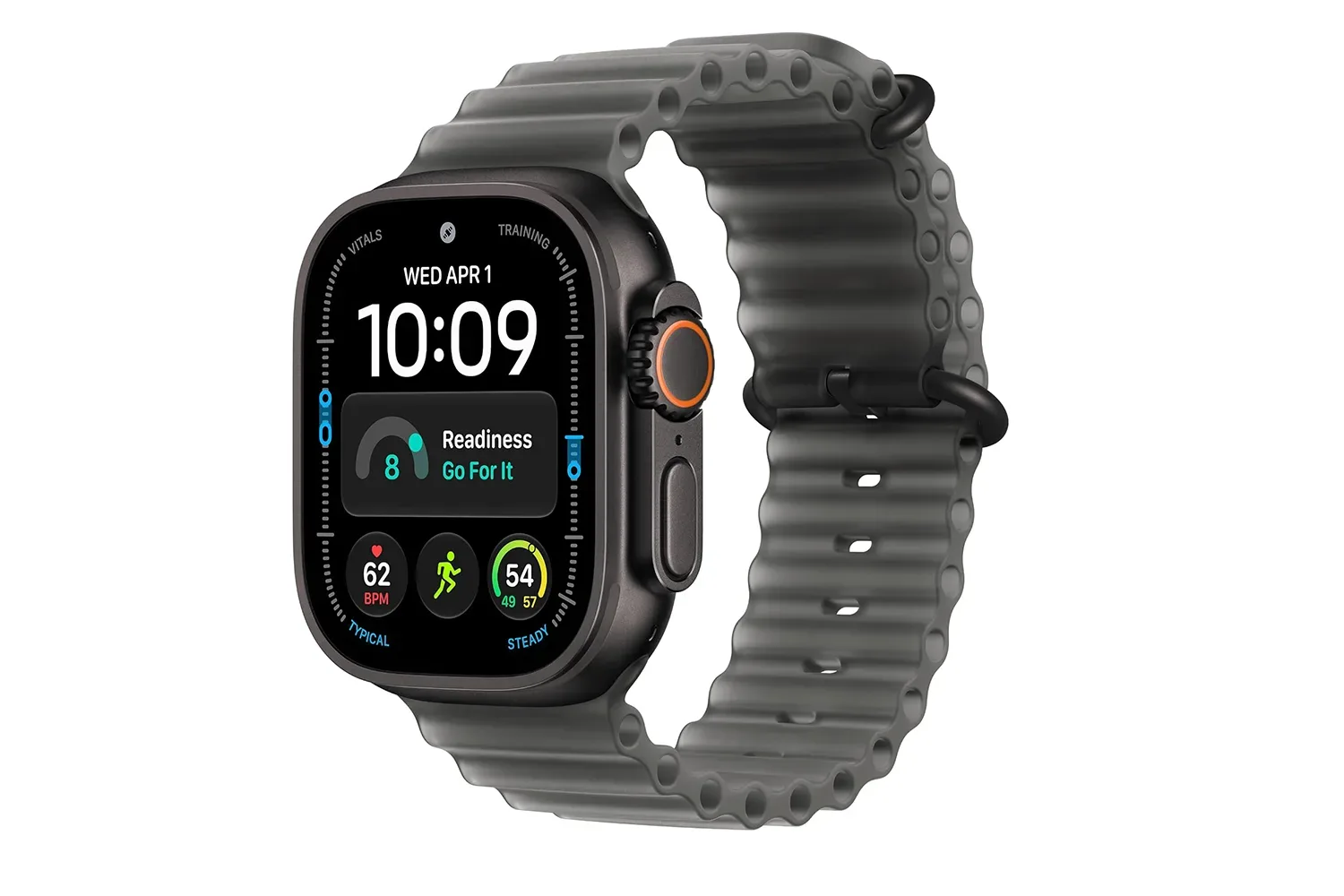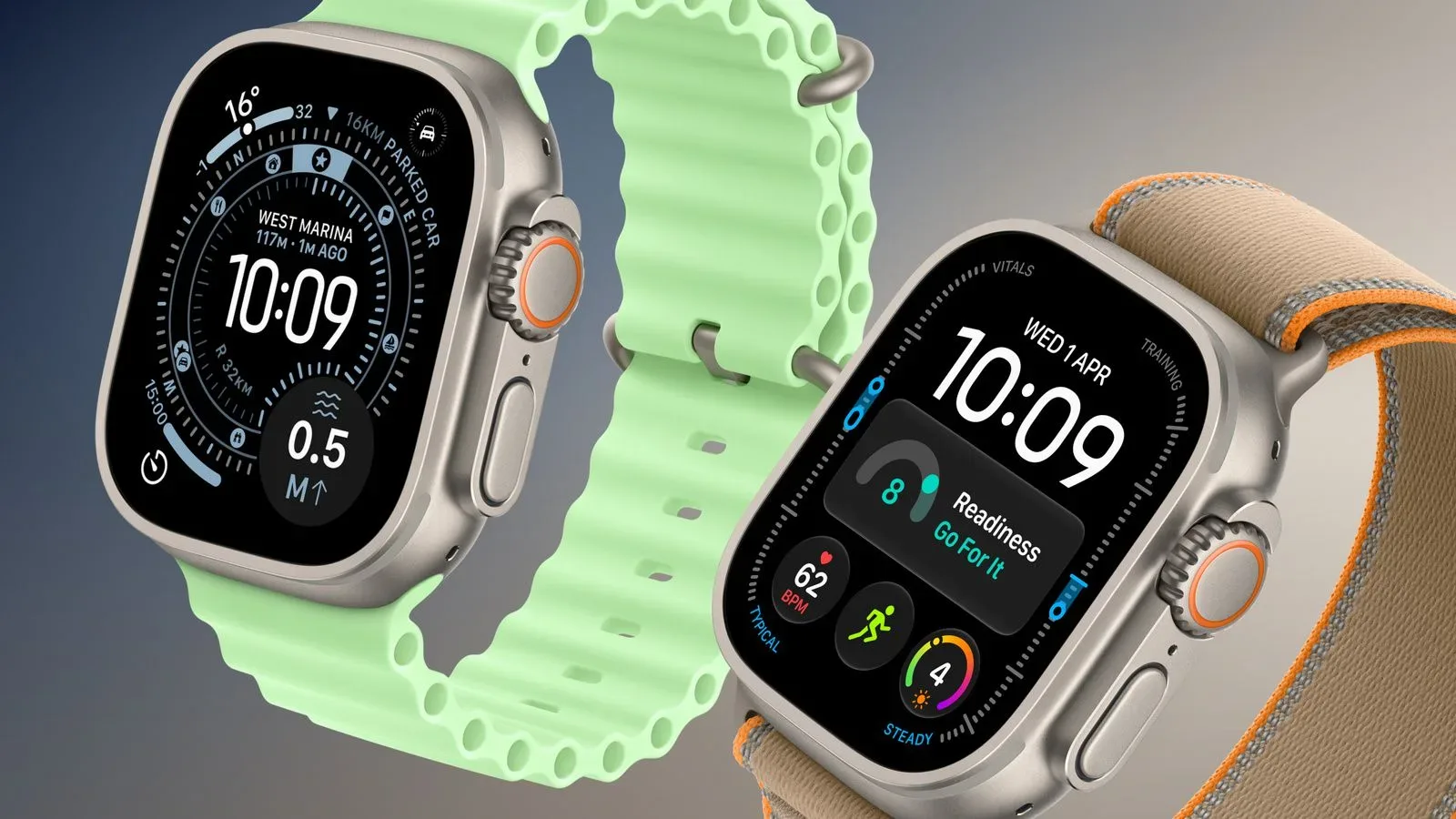
The Apple Watch Ultra 4 is available to pre-order ahead of its Friday, September 18 launch, with a $799 starting price matching the Apple Watch Ultra 3. Its pitch is notably restrained for a new flagship wearable: this is not a redesign, nor a replacement that makes last year’s Ultra suddenly look obsolete. The basic design and display remain in place. Instead, Apple is concentrating the generational changes around health and fitness interpretation, memory, battery endurance and a collection of Audio Intelligence features.
That makes the choice unusually clear. Existing Ultra 3 owners should not start from the assumption that a higher model number demands an upgrade. The Ultra 3 already carries the large, more efficient display, durability-focused build, satellite connectivity, 5G and established health features that define the recent Ultra experience. For people whose watch already completes their workouts and lasts through their normal time between charges, Ultra 4 is an incremental option rather than a necessary replacement.
For a first-time buyer, the calculation changes. When the difference in price is small, the Ultra 4 is the more logical long-term purchase because it adds a newer chip, more memory, improved battery life and expanded health tracking. The Ultra 3 only becomes the especially sharp buy when a meaningful discount changes the equation.
What stays the same matters as much as what changes
Apple has retained the Ultra 3’s basic design and display for the Ultra 4. That continuity matters because the most visible and foundational parts of the device are already present on the older watch. Buyers who want a rugged-style Apple Watch, a large screen, satellite connectivity and 5G are not being asked to accept a radically different device to get the current model.
The Ultra 3 also arrived with improved battery life over its own predecessor, alongside its larger, more efficient display. In other words, it is already a modern, capable baseline rather than a model that lacks the headline Ultra features. That is the central reason an Ultra 3-to-Ultra 4 upgrade will be difficult to justify for most owners.
The Ultra 4’s advantage is depth. Its new health sensing system takes more frequent measurements and uses them for Readiness and Recovery HRV. It also has more memory, longer battery life and Audio Intelligence additions. None of those changes erases the value of the Ultra 3; their importance depends heavily on the way a person trains, charges and uses accessibility features.
Recovery tracking is the strongest upgrade case
The most consequential Ultra 4 change is the shift toward more detailed recovery information. More frequent measurements feed the watch’s Readiness and Recovery HRV features, which are intended to help users decide whether a harder session or a lighter day makes more sense.
HRV means heart rate variability: the variation in timing between heartbeats. In this context, it is not simply a score to admire after a workout. The practical point of using recovery-related measurements is to inform a training decision. A person who routinely changes the intensity or duration of training based on recovery information may find Ultra 4’s added detail genuinely useful. A person who will only occasionally open the metric is far less likely to see a material benefit.
Readiness is best understood here as a training-oriented signal rather than a command. The stated purpose is to make it easier to judge when to push harder and when to choose a lighter day. That distinction is important. The feature’s value is not that it creates another dashboard number; it is that the number may become part of a consistent routine for planning activity.
That framing also gives current owners a useful test. Ask whether recovery data would alter a real choice in the coming week: a long session, an intense workout or a planned rest day. If the answer is usually no, the Ultra 3’s existing health tools are likely enough. If the answer is regularly yes, the Ultra 4 has a more persuasive purpose than mere new-device appeal.
More measurements do not automatically mean a better purchase
Health and fitness features can sound essential in a specification list because the language is personal and precise. But the buying decision should be equally personal and practical. A richer recovery view is most valuable when it fits an established training habit. It is less compelling as a reason to replace a one-year-old $799 watch simply to acquire a metric that will not affect behavior.
This is where the Ultra 4 and Ultra 3 comparison avoids a simple “newer is better” verdict. The Ultra 4 has the stronger health-tracking package. The Ultra 3 can still be the wiser ownership decision for someone satisfied with the information they already receive and the activities they already record.
Battery life: incremental on paper, potentially meaningful outside
Longer battery life is another Ultra 4 improvement with different value for different users. For daily wear and shorter workouts, extra endurance may mostly translate into charging less often. That is convenient, but it is rarely enough on its own to justify replacing an Ultra 3 that is working properly.
For endurance athletes, the consequences can be more tangible. If an Ultra 3 owner already changes settings to ensure the watch lasts through long events, or needs to recharge during an extended outing, the Ultra 4’s additional battery flexibility could remove some friction. The benefit is not merely a longer number on a product page. It can mean less need to compromise settings or build charging into a prolonged activity.
New and used shoppers should interpret the battery story differently. A new Ultra 3 may still offer enough endurance for everyday use and regular workouts, particularly if discounted substantially. A used or refurbished Ultra 3 requires more caution: battery condition and warranty coverage are part of its real value. Saving money on an older watch with a degraded battery may undermine the very endurance advantage that makes the Ultra line attractive.
That does not mean every refurbished Ultra 3 is a poor choice. It means the headline discount is only one part of the comparison. Someone buying for long activities should weigh the condition of the battery at least as seriously as the sticker saving.
Audio Intelligence has a focused accessibility argument
The Ultra 4 also introduces Audio Intelligence features. Of the named additions, Sound Recognition has the clearest immediate case for particular users, especially deaf or hard of hearing people who could benefit from sound recognition directly on the wrist.
That is a different sort of feature from recovery tracking or added battery life. Its relevance is not determined by athletic goals or charging habits, but by whether wrist-based sound awareness addresses an actual accessibility need. For those users, it could be a more meaningful reason to choose Ultra 4 than many headline specification changes.
Live Rewind and Siri Recap should be considered more cautiously in a purchase decision. Both are slated to arrive in beta later in the year and require a compatible newer iPhone. Beta describes a feature still being introduced and evaluated before a broader finished release; it is not the same as a fully settled capability available at launch. Buyers should therefore avoid treating those two tools as immediate, guaranteed reasons to select Ultra 4 over Ultra 3.
The compatible-iPhone requirement is equally important. The feature set is tied to the broader device setup, not the watch alone. Anyone considering Ultra 4 primarily for Live Rewind or Siri Recap should first make sure their phone meets that requirement. Apple’s wider hardware plans remain a subject of continuing discussion, including reports around a potential future M8 AI server, but that separate possibility does not change the stated iPhone requirement for these watch features.
Who should upgrade from Apple Watch Ultra 3?
The short answer is: relatively few people. The Ultra 3 already has the display, durability, satellite connectivity and established health capabilities that most buyers will notice day to day. If it lasts across normal charging intervals and captures the longest activities in an owner’s routine, Ultra 4 is unlikely to transform how that person uses a watch.
- Consider upgrading if recovery tracking will regularly influence how you structure training, if extended events expose the Ultra 3’s battery limits, or if wrist-based Sound Recognition would be a useful accessibility tool.
- Wait or keep the Ultra 3 if its current battery life is sufficient, its health tools already meet your needs and the newer metrics would mostly be additional information rather than actionable guidance.
- Do not buy solely for Live Rewind or Siri Recap if their later beta timing or compatible newer-iPhone requirement creates uncertainty for your setup.
This is a deliberately practical standard. A new chip and more memory improve the Ultra 4’s forward-looking appeal, but the strongest reasons to spend again are the ones that solve a present limitation: a recovery-training gap, insufficient endurance on long activities or an accessibility need.
Which Ultra should a new buyer choose?
For new buyers, Ultra 4 should be the default when the price gap is modest. Paying a little more at the beginning is easier to justify when the plan is to wear the watch for years. In that scenario, the newer chip, extra memory, improved battery life and enhanced health sensing give the new model a clear edge without requiring the buyer to replace an already recent $799 device.
The Ultra 3 becomes the compelling alternative when its price is heavily reduced. It still provides the traits many shoppers are seeking: the big display, a rugged-style positioning, satellite connectivity, 5G, everyday battery life and support for regular workouts. A shopper who does not place much value on Readiness, Recovery HRV or recording very long activities can reasonably prioritize the saving.
There is no need to force the Ultra 4 into a universal recommendation. The correct choice is less about identifying a winner than matching the watch to the intended use. Ultra 4 is the better fit for buyers who expect to use recovery insights and need additional room in the battery budget. Ultra 3 is the value pick when an aggressive discount outweighs features that would otherwise go unused.
A buying checklist before choosing
- Check your longest activity. If the Ultra 3’s current endurance would require compromises or mid-outing charging, Ultra 4’s battery improvement has concrete relevance.
- Decide whether recovery affects training. Readiness and Recovery HRV matter most when they help determine whether to train harder or scale back.
- Separate launch features from later beta features. Live Rewind and Siri Recap are not the same kind of day-one consideration as the health sensing changes or battery improvement.
- Confirm phone compatibility. The two later Audio Intelligence features require a compatible newer iPhone.
- Evaluate discounted older stock carefully. A heavily discounted Ultra 3 can be excellent value, but used and refurbished examples need scrutiny for battery condition and warranty coverage.
Apple Watch Ultra 4 is an evolution aimed at people who can make use of finer recovery data, added endurance and specific Audio Intelligence functions. Apple Watch Ultra 3 remains a strong option precisely because it already includes the core Ultra proposition. For owners, the sensible approach is to upgrade only when one of Ultra 4’s focused improvements resolves a real problem. For newcomers, start with Ultra 4 unless a substantial Ultra 3 discount makes the older model’s still-capable feature set the better fit.