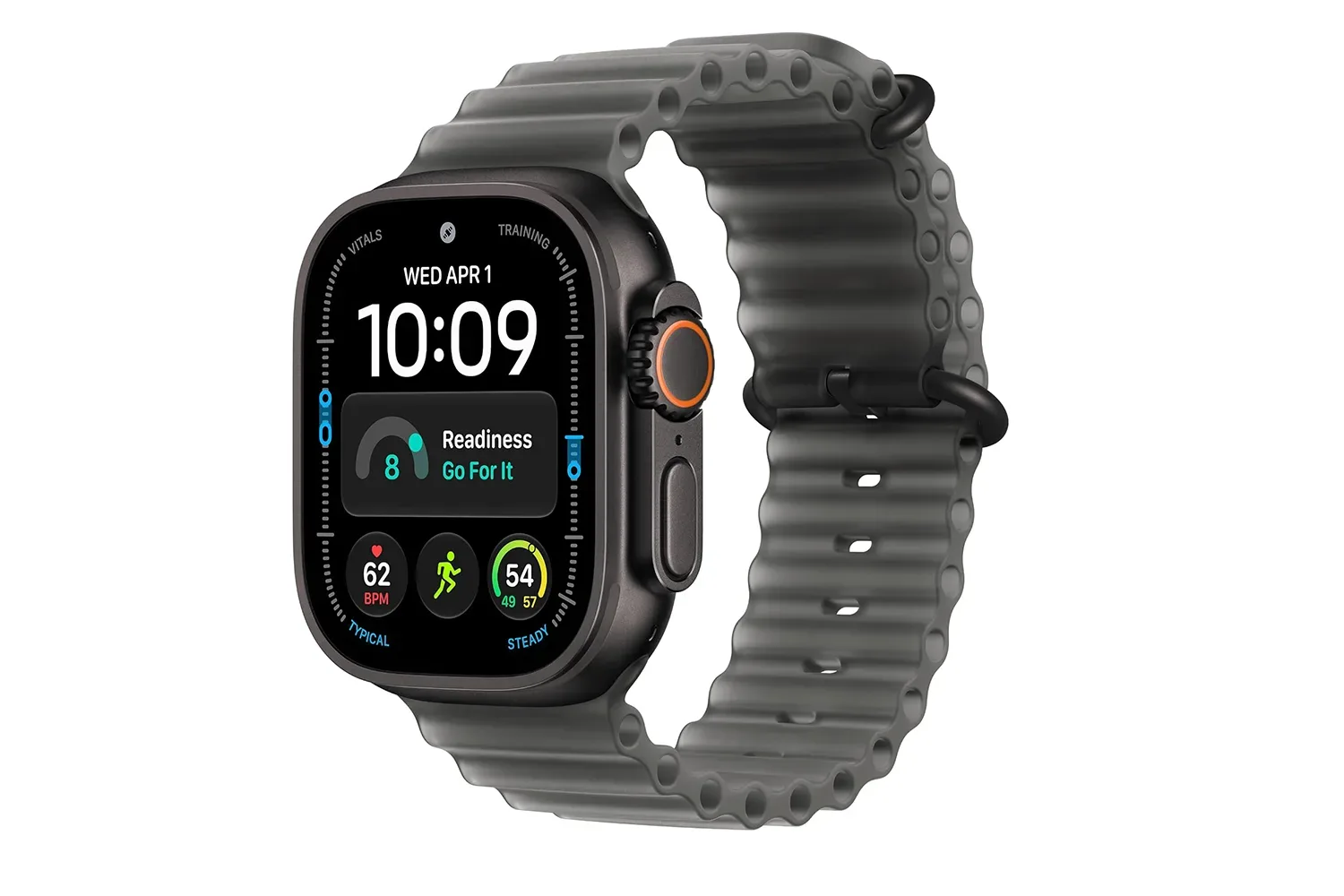
The Apple Watch Ultra 4 is positioned less like a casual step-counter and more like a wrist-mounted survival item for people whose idea of a relaxing Saturday involves losing mobile signal on a mountain. Pre-orders are now open for the 49mm GPS + Cellular model, which is expected to officially arrive on Friday, September 18. The listed price is $799.
That price and the Ultra branding make the target audience fairly clear. This is not presented as the inexpensive entry point for someone who wants to see whether they walked enough between the fridge and their desk. Apple is aiming at endurance athletes, trail runners, hikers, cyclists, triathletes and other users who need longer battery life, tougher materials, detailed workout data and a better contingency plan when the world’s signal bars vanish.
The most important question for prospective buyers may be whether the new features solve a real limitation in their current setup. For anyone whose training sessions, outdoor trips or races regularly outlast a conventional smartwatch battery, the Ultra 4’s claimed endurance may be the headline upgrade. For everyone else, it may be a very capable titanium reminder that they should probably take more walks.
A longer claimed runway for extended training
Apple says the Ultra 4 can operate for up to 45 hours in Max Extended Workout mode. The company frames that figure around the demands of an ultramarathon, where battery anxiety is about as useful as carrying a controller with stick drift into a tournament final. The exact real-world result will naturally depend on settings, connectivity, GPS use and the selected workout, but the stated figure is intended to cover notably long activity windows.
Fast charging is also part of the package. A 15-minute charge is said to provide up to 18 hours of use. That will matter to users who discover, shortly before a morning run, ride or gym session, that last night’s charging plan was defeated by the timeless enemy of all electronics: forgetting.
Battery life is not only about the convenience of leaving a cable in a bag. On a lengthy route, it dictates how much tracking can remain active and whether a connected watch can still be useful near the end of the day. The Ultra 4’s pitch is therefore aimed at reducing the compromise between collecting workout information and conserving enough power to keep the device functional.
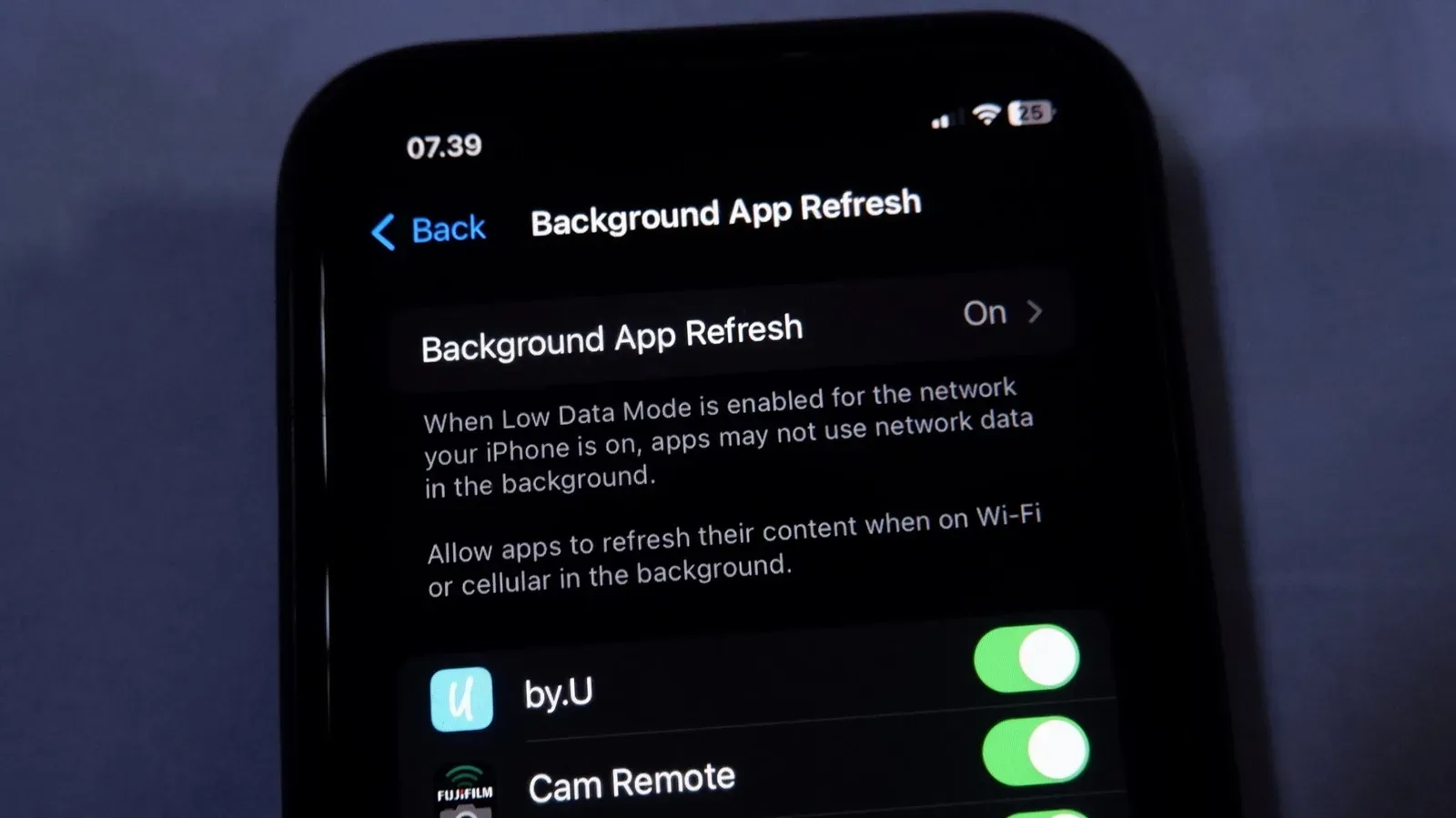
Phone owners looking to cut unnecessary drain before heading out may also find some practical overlap in our guide to what Background App Refresh does on iPhone and how to manage it. It will not turn a phone into an Ultra watch, regrettably, but making battery settings less mysterious is still useful before an all-day outing.
Health measurements get more frequent checks
The Ultra 4’s health and recovery pitch centers on more frequent data gathering. Apple describes its heart-rate sensing as the most accurate available in a wearable. The watch is also said to record heart rate variability, or HRV, as often as every five minutes. HRV is commonly used as one input among several when interpreting recovery and readiness trends, rather than as a magical instruction screen that can settle every training decision.
Background heart-rate checks are also listed as occurring every five seconds, a major increase in sampling frequency compared with a wider-spaced approach. Apple says this can help identify irregularities that could be missed when readings are taken less often. As with smartwatch wellness features generally, the information is most useful as ongoing data and should not be mistaken for a replacement for professional medical assessment.
The appeal of denser readings is simple: training does not happen in tidy, predictable blocks. A hard interval, steep climb, nervous pre-race period or recovery day can all look different. More data points may give the watch’s readiness and recovery tools a fuller basis for their interpretation. Whether that feels meaningful will likely vary by athlete, their training habits and how closely they already monitor those metrics.
Familiar training tools, tuned for Ultra users
The Apple Watch Ultra 4 retains a broad workout and navigation set built around outdoor and endurance activity. Its dual-frequency GPS is intended to improve location accuracy where a single-frequency GPS signal can struggle. That includes difficult environments such as heavily built-up areas, dense terrain or places where the sky appears to have been carefully hidden behind trees, cliffs and general bad luck.
Supported workout features include Heart Rate Zones, Custom Workouts and training-load tracking. Apple places particular emphasis on distance running, triathlons, mountain biking and strength training, while the Pacer tool rounds out the collection of running-oriented functions. None of these categories is alien to the Ultra line, but their presence reinforces the device’s role as a high-end sports watch with smartwatch connectivity, rather than a general-purpose wearable that occasionally remembers exercise exists.
- Dual-frequency GPS for location tracking in challenging signal conditions.
- Heart Rate Zones for training intensity awareness.
- Custom Workouts for structured sessions.
- Training-load tracking across several activity types.
- Pacer tools for runners who need help keeping a target rhythm.
The key distinction is not that the Ultra 4 claims to invent sports tracking from scratch. It is that Apple is packaging these tools with a battery claim, build materials and communication features intended for situations where a lighter smartwatch may be less persuasive.
Satellite communications join the safety toolkit
The most consequential addition for remote use is satellite communications, designed for situations without cellular service or Wi-Fi. For hikers, backcountry runners and open-water swimmers, the usefulness is easier to understand than it is for someone strolling through a shopping district with three coffee shops and six 5G towers nearby. Remote terrain is exactly where a device’s usual connected conveniences can stop being conveniences at all.
The Ultra 4 also carries forward crash detection and hard fall detection from the Ultra 3. Those safeguards join the satellite feature to form a safety-focused package, although users should understand the limitations of any connected safety system and plan outdoor activities responsibly. Technology can offer another line of communication; it cannot erase weather, terrain, navigation mistakes or the wisdom of telling someone where you are going.
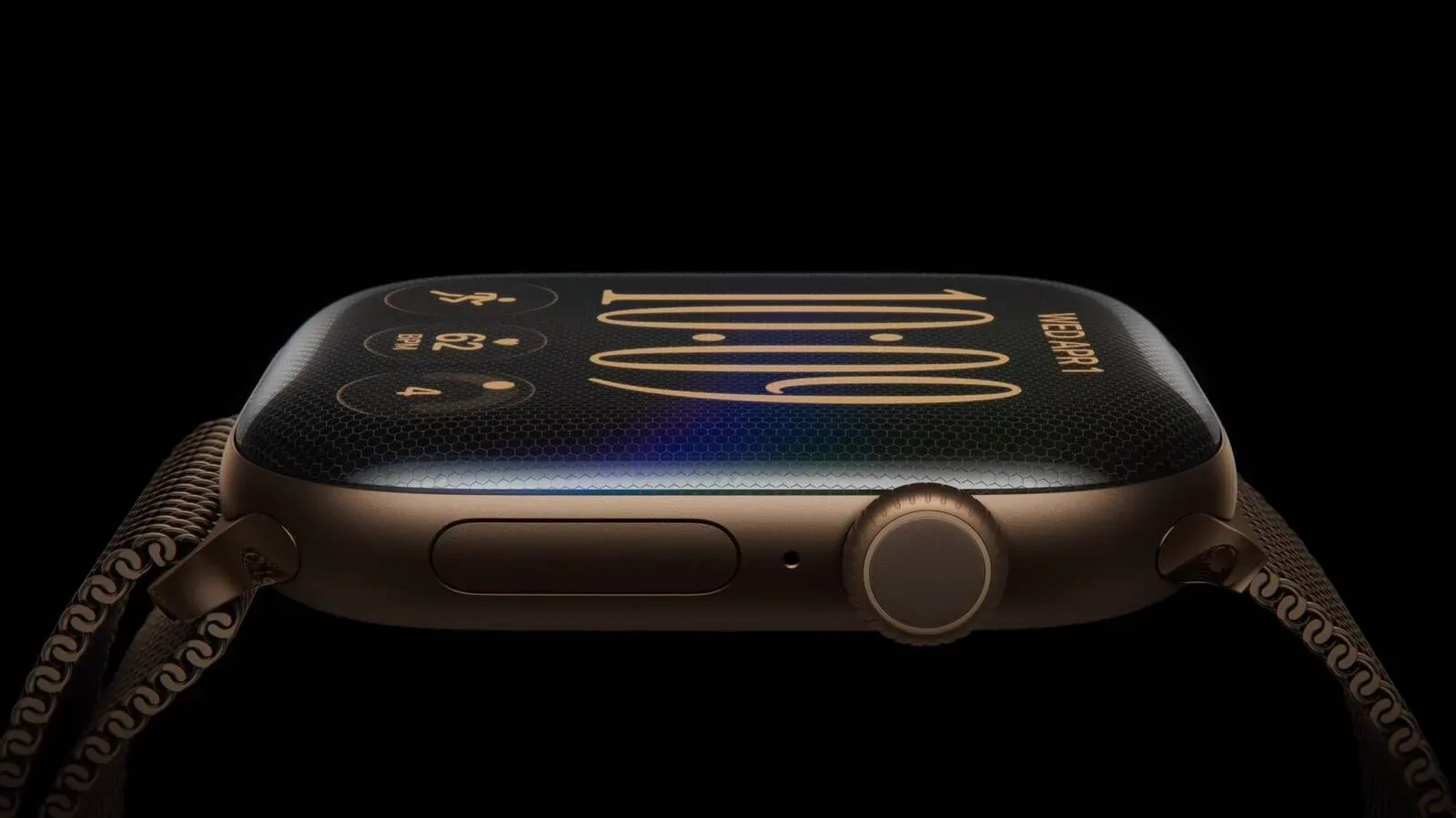
Apple rates the watch for depths up to 100 meters. Its exterior uses a titanium case and sapphire crystal display, materials chosen to support the device’s rugged ambitions. That construction suits users who would hesitate to take a standard daily watch into rougher environments, whether those mean water, rock, mud, bike trails or the particularly aggressive gym bag.
Siri and Audio Intelligence have a staged rollout
Alongside fitness and safety changes, Apple is presenting a more conversational Siri experience for the Ultra 4. The stated goal is a more natural back-and-forth interaction instead of a succession of isolated requests. In theory, that could make on-the-move use more convenient, particularly when touching a small display is less practical than speaking.
Audio Intelligence features include Live Rewind and Siri Recap, intended to help users revisit or summarize conversations. Buyers interested chiefly in these functions should pay close attention to availability details. Some features are set to begin in English, while further Audio Intelligence capabilities are expected later in 2026 in beta. That means the full software proposition will not necessarily be identical for every buyer on day one.
Built-in cellular connectivity remains central to the 49mm GPS + Cellular configuration. The watch can support calls, music streaming and AirPods use without an iPhone alongside it. For runners who prefer leaving a larger device at home, or for users who want a connection while travelling light, that independence is part of the Ultra 4’s larger argument.
Who the $799 Ultra 4 is for
The Apple Watch Ultra 4 is an expensive answer to specific problems: batteries that do not comfortably last through long workouts, navigation needs in difficult conditions, and concern about being beyond conventional connectivity. Its claimed 45-hour Max Extended Workout mode, satellite communications, 100-meter depth rating and tough titanium-and-sapphire construction all point in the same direction.
Someone who mainly wants notifications and basic activity rings could reasonably find this specification excessive. A person preparing for extended trail events, frequent outdoor adventures or serious multi-discipline training may see a more direct case. The pre-order window is open now, with the 49mm GPS + Cellular model listed at $799 and an expected September 18 release date. Buyers focused on the newer Siri and Audio Intelligence tools should also factor the phased language and beta rollout into their decision, rather than assuming every promised capability will be available immediately.
Shop the products
Check current price, model and availability at the retailer.