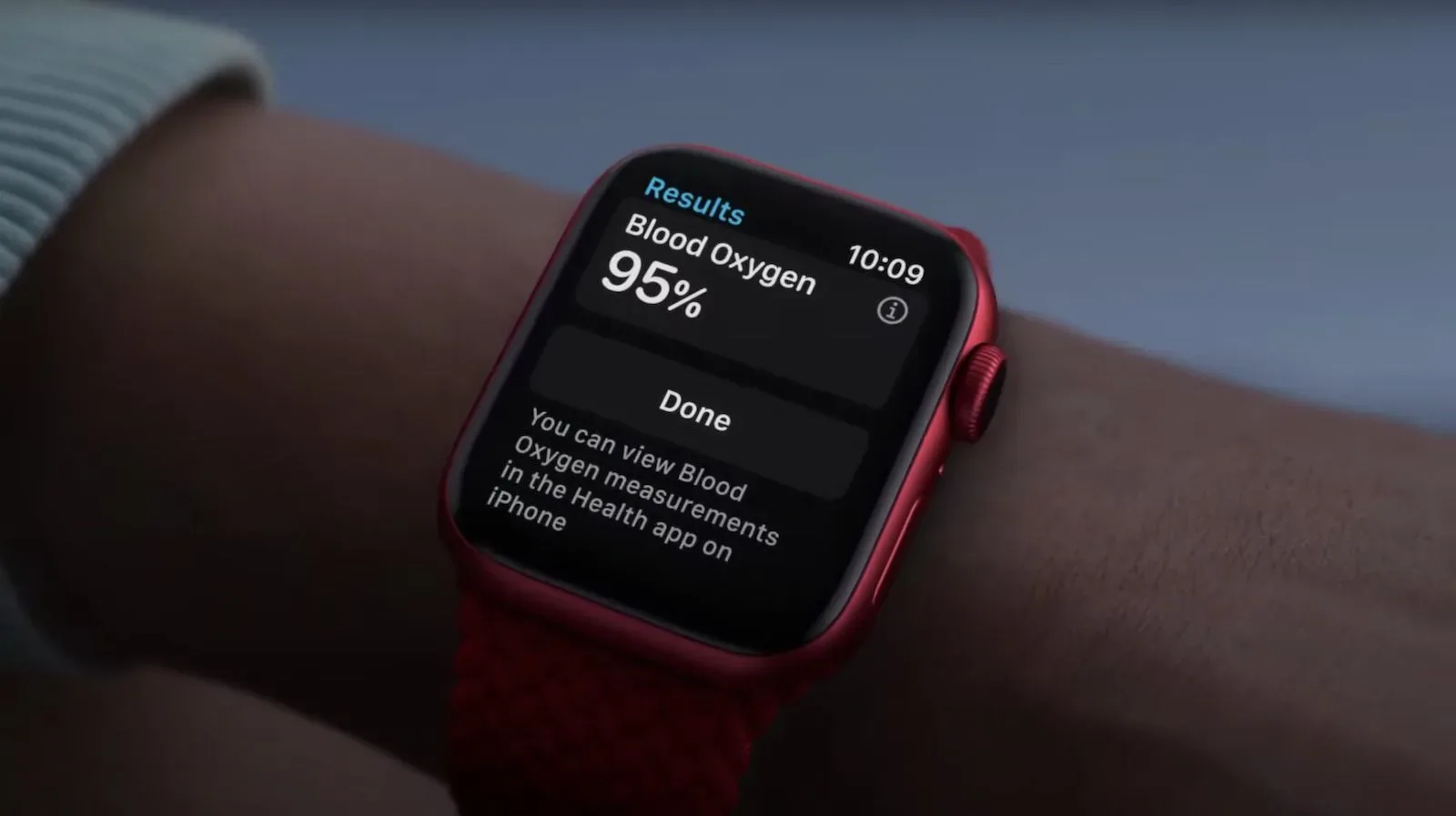
Apple has added more personal accounts to its True Apple Watch Story series, a campaign built around people who believe the Apple Watch made a consequential difference in their lives. The new material includes Josh, who says the device helped motivate him to become more active as he worked to lose weight.
Josh says he weighed 340 pounds before the Apple Watch became a catalyst for changing his activity habits. That is a highly individual story rather than a clinical claim about a device or a universal blueprint for weight loss. Still, it puts a spotlight on a less dramatic but potentially meaningful role for a wearable: turning an intention to move more into a recurring, visible routine.
The company has also previously highlighted the story of a woman whose Apple Watch alerted her to changes in her resting heart rate. She sought medical care and was diagnosed with an aggressive cancer, then received treatment. That account is presented as a personal experience, and it is important not to stretch it into a claim that a smartwatch diagnoses cancer. The notable sequence is that an unusual health-related alert prompted a person to seek professional evaluation.
Two very different versions of a health-tech story
These accounts sit at opposite ends of the way people often imagine wearable technology helping them.
In Josh’s case, the watch’s importance is described as motivational. The value is not a single urgent notification, but repeated encouragement to be active. Fitness progress commonly depends on actions that are comparatively ordinary and repeated: getting up, moving around and continuing with a goal even after the novelty has faded. A wrist-worn device can keep that goal physically and psychologically close at hand throughout the day.
The earlier cancer story, by contrast, concerns a change in a health measurement that led to a doctor visit. The Apple Watch alert did not itself provide the diagnosis. The doctor visit and subsequent medical assessment did. That distinction matters, especially when personal testimonials use language as powerful as “saving” someone’s life.
A wearable can be part of the chain that leads someone to act, but it is not a substitute for medical evaluation.
Apple’s series therefore hinges on something broader than a list of specifications. It is making the case that a product’s impact is measured in moments when information, reminders or activity prompts intersect with a user’s decision to change behavior or contact a professional.
What “resting heart rate” means in this context
Resting heart rate generally refers to the rate at which the heart beats while a person is at rest rather than actively exercising. In the account Apple previously shared, the key issue was not a stated number, threshold or diagnosis. It was a detected change in that resting measurement.
That is an important technical and practical distinction. A measurement can be a signal worth noticing without explaining its cause. One person may see a change for one reason, while another may have a different explanation entirely. The available account does not establish what precisely caused the alert or suggest that every change indicates a serious condition. It establishes that this particular woman took an alert seriously enough to see a doctor, and that medical visit led to the discovery of an aggressive cancer.
For readers, the responsible takeaway is deliberately limited: health alerts may be useful prompts to pay attention and seek qualified advice when appropriate. They should not be treated as a self-contained diagnosis, a guarantee that something is wrong, or proof that nothing is wrong when no alert appears.
Motivation is a feature even when it is not a medical intervention
Josh’s story is easier to overlook because it lacks the immediate alarm of an unexpected health finding. Yet the account points to a central reason many people use watches and fitness trackers in the first place: feedback changes behavior.
Activity-oriented wearable features work by making a vague goal more concrete. Instead of simply intending to “be healthier,” a person can be prompted to move, see activity reflected over time and use that feedback as a reason to continue. The supplied account does not identify a particular metric, program, amount of weight lost or timeframe, so none should be assumed. What it does make clear is that Josh connected the Apple Watch’s motivational effect with becoming more active after weighing 340 pounds.
That is also why personal technology stories should not be reduced to whether a sensor has delivered a dramatic alert. For some users, the meaningful benefit is routine formation. A notification that encourages movement will not carry the urgency of a health warning, but its cumulative effect can matter profoundly to the person receiving it.
The limits behind the emotional framing
Stories about consumer technology and health are compelling precisely because they involve stakes no product page can fully convey. But the emotional framing can blur several boundaries that deserve to remain clear.
- Personal account versus general result: Josh’s experience shows what he says the watch helped him do; it does not prove the same outcome for every owner.
- Alert versus diagnosis: A change in a measurement can prompt a check-up. Medical professionals determine diagnoses and treatment.
- Motivation versus obligation: Reminders and activity data may encourage behavior, but they cannot replace a person’s circumstances, support system or healthcare needs.
- Device data versus complete health picture: A watch can contribute information, but it is only one part of an individual’s broader situation.
Those caveats do not diminish the people in Apple’s campaign. If anything, they clarify what makes their accounts meaningful. Josh acted on motivation over time. The woman acted on a change that concerned her enough to seek care. In both cases, the decisive human step was not merely wearing a device; it was responding to what it put in front of them.
Why long-term ownership matters for connected devices
Health-related stories also underline a practical reality of consumer electronics: a device’s usefulness depends not only on its hardware, but on ongoing software, service and support. A wearable can become part of someone’s daily habits, which makes the longevity of connected technology more significant than it may appear at purchase. That broader question has also come up with older e-readers, as explored in this look at what happens when old Kindle support ends.
The parallel is not that an Apple Watch and an e-reader serve the same purpose. They plainly do not. It is that connected gadgets can build a place in a user’s routine, and changes in support can affect how that relationship evolves. For a health- and activity-focused wearable, users may reasonably care about continued access to the functions that help make the device personally valuable.
A campaign centered on action, not magic
Apple’s latest additions continue a familiar marketing approach: individual stories make abstract technology relatable. The strongest reading of the material is neither that a smartwatch is a miracle device nor that its role is trivial. The accounts describe a tool that, in distinct ways, helped people notice something or keep going.
Josh’s contribution is a reminder that behavior change can begin with a straightforward nudge to be more active. The previous cancer account is a reminder that changes in personal health information can be worth discussing with a medical professional. Neither story supplies a universal formula. Together, however, they show why wearables occupy an unusual space in consumer technology: they are not just used in moments of leisure or productivity, but can become part of how someone pays attention to their own day-to-day life.