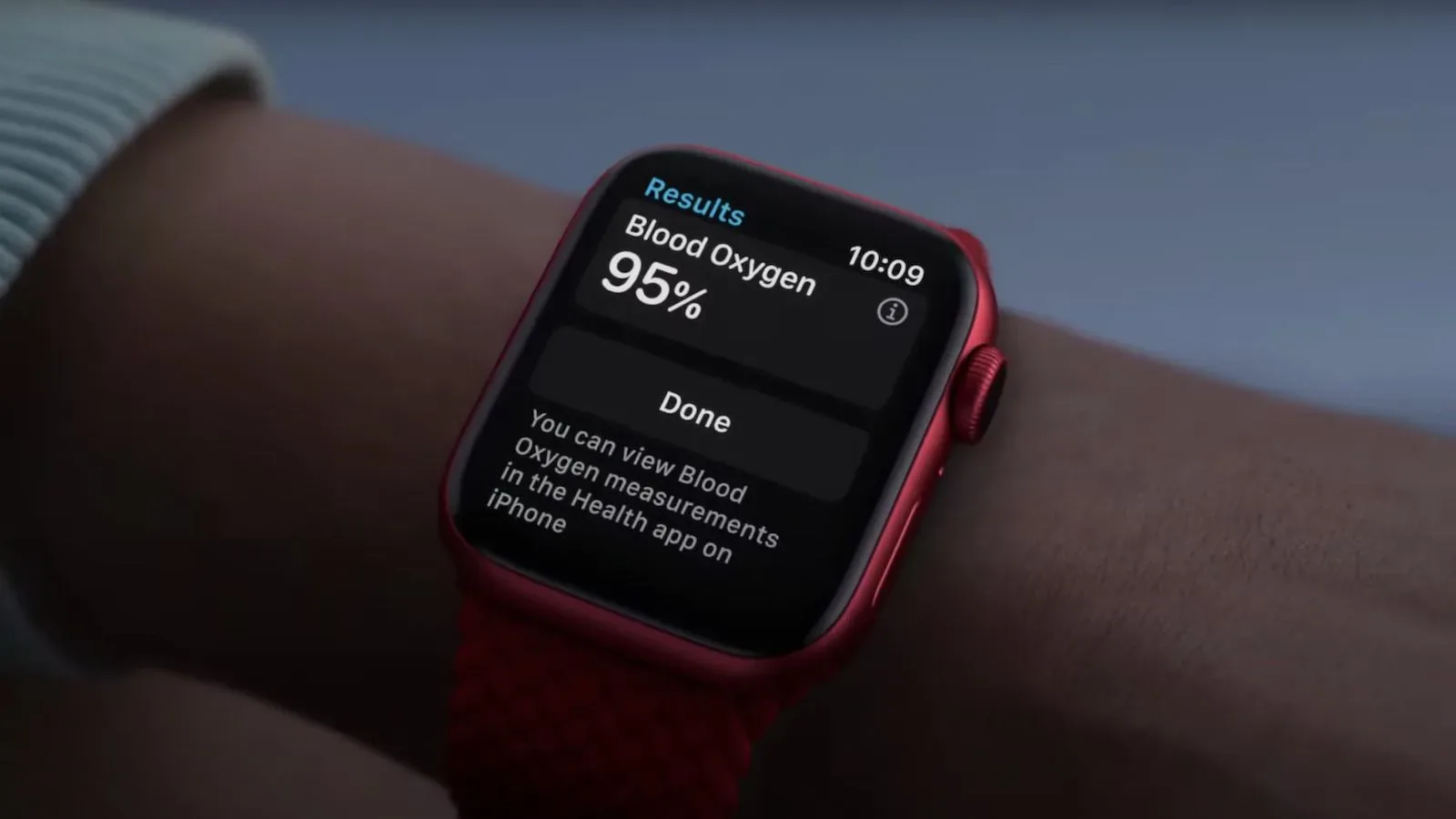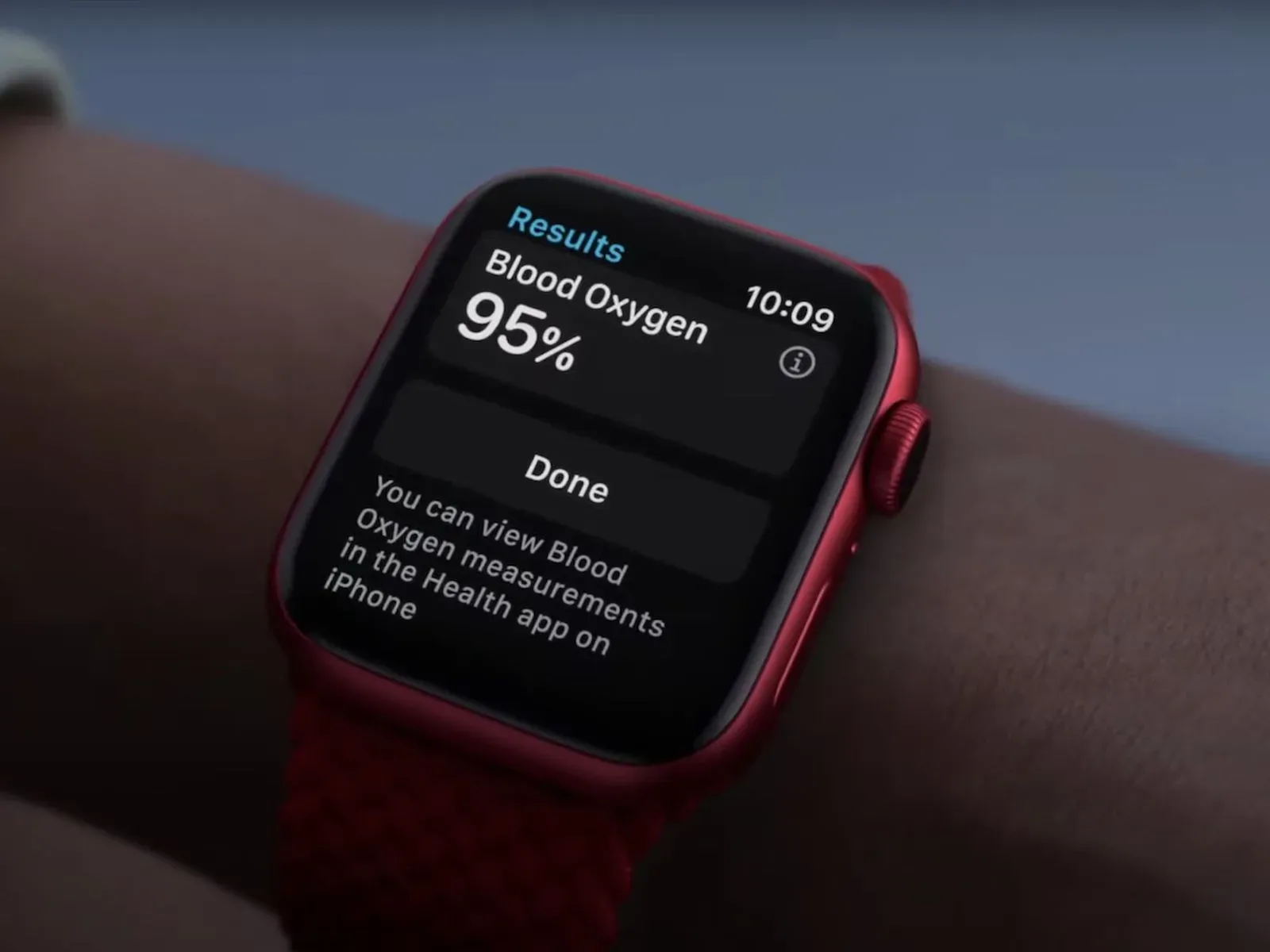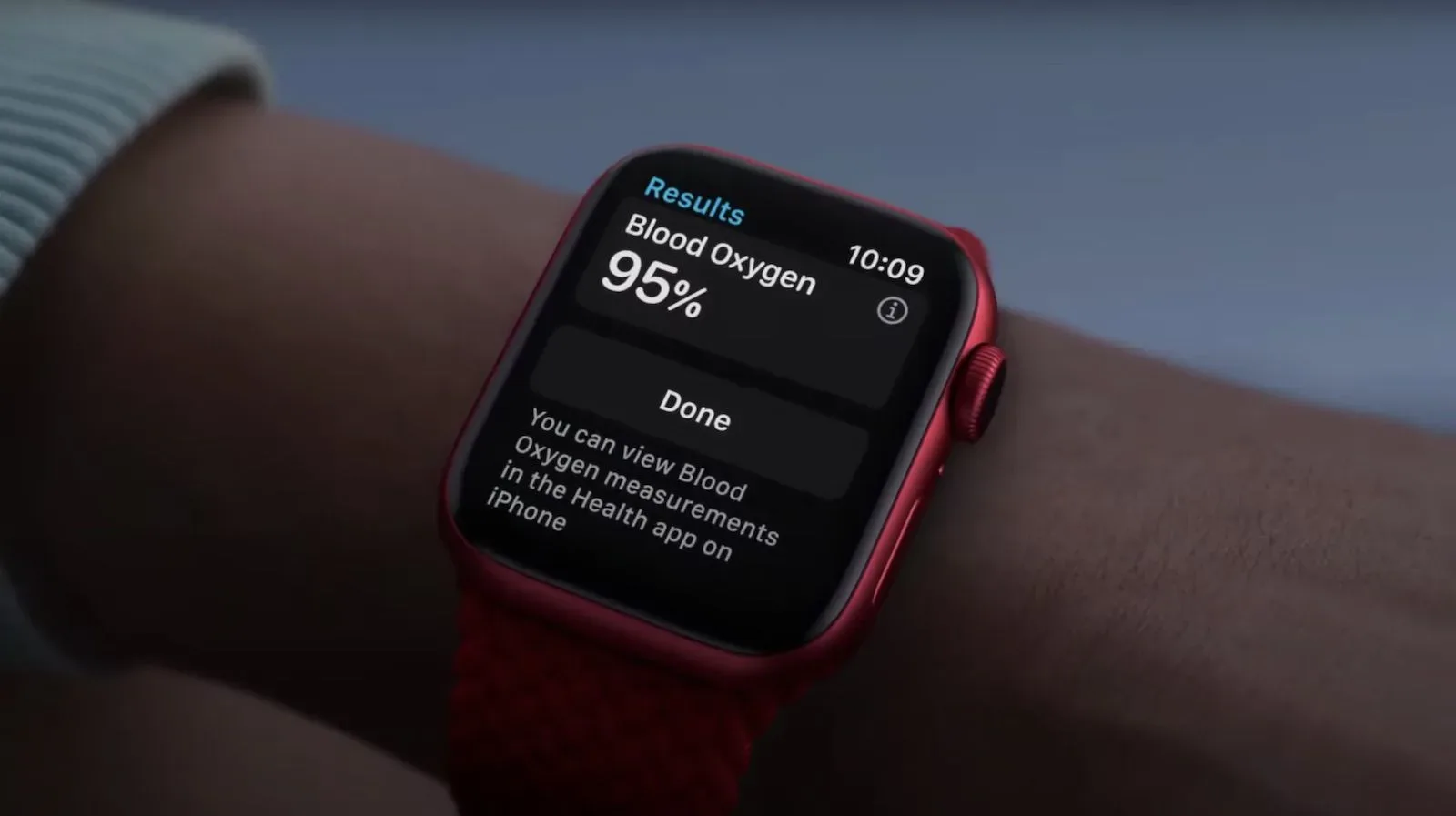
Apple’s financial exposure in its Apple Watch patent dispute with medical technology company Masimo has risen substantially. A federal judge has ordered Apple to pay an additional $184 million in prejudgment interest on the $634 million awarded to Masimo by a jury, taking the total to roughly $818 million.
That total is not necessarily the final figure. Post-judgment interest is continuing to accrue until the judgment is paid. In simple terms, the dispute is no longer only about the original damages number: time itself now has a price tag.
What the additional $184 million represents
The new amount is prejudgment interest, which is interest calculated for the period before a court enters its final judgment. It is not a second jury award and it does not mean the jury’s $634 million verdict was expanded because of a newly found infringement.
Instead, the court treated the interest as compensation for the time Masimo was without payments it theoretically would have received during the infringement period. Judge James Selna rejected Apple’s position that adding prejudgment interest would create an improper windfall for Masimo.
Interest in this setting is intended to put the patent owner in the position it would have occupied had the relevant royalty payments been made when due, rather than provide a bonus above the underlying damages.
That distinction matters. A patent damages award can address past harm, but a payment years after the relevant conduct may be worth less than payment at the time it should have been made. Prejudgment interest is a mechanism courts can use to address that delay.
The ruling also leaves room for post-judgment interest. Whereas prejudgment interest covers the period leading up to the judgment, post-judgment interest applies afterward and continues while the amount remains unpaid. The reported roughly $818 million therefore should be understood as a current benchmark, not a guaranteed all-in final payment total.
The interest calculation did not fully match Masimo’s request
Masimo did not receive the exact interest calculation it sought. The company requested a 7% rate, a method that would have produced about $243 million in interest. Judge Selna instead used Masimo’s own borrowing rate and applied annual compounding from the beginning of the infringement period.
That decision produced the lower $184 million figure.
The calculation is notable because interest methodology can make a major difference in large patent cases. A rate is the percentage used to calculate interest, while annual compounding means that, at each yearly interval, interest is calculated with prior accrued interest included in the balance. The practical effect is that an interest bill can increase more quickly than it would under a simple, non-compounding calculation.
Even so, the court’s result was materially below the amount Masimo had requested. The order is therefore a mixed result in narrow numerical terms: Masimo secured significant additional compensation, but not at its preferred rate.
The underlying patent verdict
The interest order stems from a November 2025 jury verdict concerning a Masimo pulse-oximetry patent. The jury found that Apple Watch features, including heart-rate notifications, infringed the patent and awarded Masimo $634 million.
Pulse oximetry is a measurement approach associated with blood-oxygen-related health monitoring. The legal question described here was not a general ruling against every health feature in a smartwatch. It concerned a particular Masimo patent and the Apple Watch features found by the jury to infringe it.
Apple attempted to overturn or reduce the $634 million award after the verdict. In July, Judge Selna upheld it. The new interest order follows that earlier decision, placing further financial pressure on Apple’s challenge to the historical damages award.
For readers accustomed to consumer-tech headlines being about processors, battery life, or feature updates, this case is a reminder that product development can carry legal and licensing consequences long after devices have been sold. Patents are exclusive legal rights over specific inventions for a limited period. When a court finds infringement, damages can be based on the past use of technology protected by that patent.
What this does—and does not—mean for current Apple Watches
The patent at the center of this damages case expired in June 2022. As a result, the ruling relates to historical Apple Watch sales and does not affect the heart-rate features in current Apple Watch models.
That point is important for Apple Watch owners and prospective buyers. The ruling does not say that existing heart-rate notifications are being removed, disabled, or blocked from current watches. Nor does the supplied record establish any new restriction on the heart-rate functionality of current devices.
This dispute should also be separated from another, distinct legal conflict involving Masimo. That separate dispute led to a U.S. import ban on certain Apple Watch models and to Apple disabling blood oxygen functionality on affected newly sold watches. Apple introduced a redesigned version of the blood oxygen feature in 2025.
The two matters share parties and smartwatch-health technology, which makes it easy to blur them together. But the present ruling is specifically about the older Masimo pulse-oximetry patent, historical sales, the jury’s $634 million verdict, and interest on that verdict. The separate import-ban dispute had different practical consequences involving blood oxygen functionality on certain newly sold products.
Why the distinction matters for consumers
There are two practical takeaways. First, the latest order is chiefly a legal and financial development rather than a newly announced consumer product change. A buyer evaluating a current Apple Watch should not read the $818 million figure as evidence that its heart-rate notifications are now at risk under this judgment.
Second, health-related wearable features sit at the intersection of consumer electronics and specialized medical technology. That can make patent disputes unusually consequential, even when the immediate outcome is monetary. The products may look like everyday tech accessories, but the contested technology can concern sophisticated sensing methods and related intellectual-property rights.
It is the kind of behind-the-scenes issue that rarely shows up on a device’s feature list, much like the engineering and platform choices that shape other portable hardware. For a separate look at Apple hardware positioned around games and performance, see our coverage of the A17 Pro iPad mini.
A larger bill, with more interest still possible
The confirmed arithmetic is straightforward: $634 million in jury-awarded damages plus $184 million in prejudgment interest equals approximately $818 million. But the final amount remains open because post-judgment interest continues to accumulate until payment.
Apple’s efforts to undo or shrink the original award were unsuccessful when the verdict was upheld in July. Masimo, meanwhile, received a substantial interest addition but not the higher $243 million amount that would have followed its requested 7% calculation.
For now, the ruling makes clear that the cost of a long-running patent judgment is not fixed at the moment a jury announces damages. When the court determines that delayed compensation should be recognized, the gap between an original verdict and the eventual bill can be enormous.