Apple’s recent product run has covered an unusually wide stretch of its hardware catalogue in a short period: desktop Macs, flagship phones, a foldable phone, two Apple Watch lines, earbuds, over-ear headphones and a collection of accessories. The sequence began on August 25 with updated Mac mini and Mac Studio models, then expanded through September with major iPhone, Watch and audio announcements.
The important takeaway is not that every device serves the same buyer. It clearly does not. Instead, the announcements form several distinct upgrade paths across Apple’s ecosystem: desktop users have new chip configurations to weigh, phone shoppers have three new high-end handset names to compare, wearable users have revised health and battery claims to consider, and audio buyers have both AirPods and Beats options.
There are also smaller releases that can matter more than their modest billing suggests. A wrist strap, a revised magnetic charging cable, cases, watch bands and updated Magic Keyboard variants do not command the same attention as a new phone or computer, but accessories affect day-to-day use and compatibility. Even the updated Polishing Cloth is part of this latest wave—proof that, in Apple hardware season, almost nothing is too small to receive a refresh.
The desktop Mac updates started the wave
The first announcements arrived August 25, led by a new Mac mini offered with M6 and M5 Pro chips. Apple also introduced a new Mac Studio with M5 Max and M5 Ultra chips.
Chip labels are useful shorthand, but they need a little unpacking. In this context, the chip is the central silicon package that supplies a computer’s core processing capabilities. Apple’s naming also signals product tiers: the Mac mini is presented with M6 and M5 Pro options, while the Mac Studio moves to M5 Max and M5 Ultra options. That arrangement gives prospective buyers a straightforward first sorting tool before they get into their own workload, ports, storage needs or budget—details not included in the announcement summary.
For Mac shoppers, the practical implication is to avoid treating “newer” as a one-line verdict. M6, M5 Pro, M5 Max and M5 Ultra are separate configurations across two desktop families. A person selecting a compact desktop can first establish whether the Mac mini format fits their setup, while someone looking at a studio-oriented desktop can focus on the Mac Studio’s M5 Max and M5 Ultra choices. The supplied information establishes the chip pairings, but does not provide benchmarks, pricing or configuration specifications, so those comparisons should wait for complete technical details.
Apple also refreshed its Polishing Cloth. It is the kind of release that lends itself to jokes, particularly alongside high-profile computers, phones and watches, but it also illustrates how broad the company’s announcement slate has been. This was not a single event aimed at a single category; it was a rolling set of releases ranging from core computing hardware to maintenance accessories.
September’s phone line-up: Pro, Pro Max and Duo
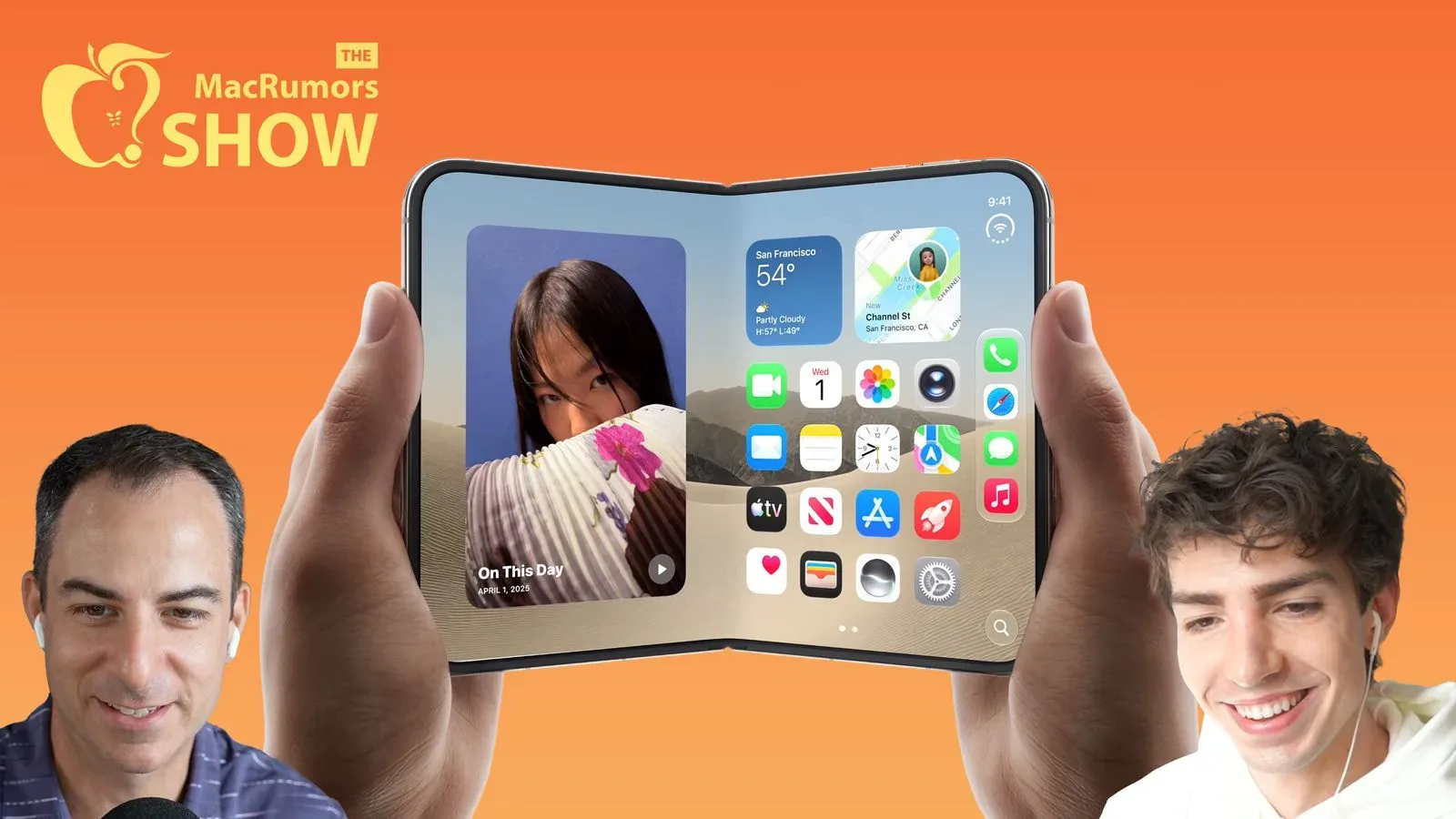
September brought the iPhone 18 Pro and iPhone 18 Pro Max, as well as the foldable iPhone Duo. The Duo is explicitly identified as a foldable model, setting it apart from the two Pro-branded devices in the line-up.
“Foldable” refers to a phone design built around a screen or screen assembly that can bend as part of opening and closing the device. That is the confirmed design category here; the available information does not establish the iPhone Duo’s physical format, display dimensions, camera system, durability claims, software behavior or price. Those omissions matter. A foldable device should be evaluated on its actual specifications and use case rather than on the category name alone.
The names nevertheless make Apple’s immediate phone portfolio easier to map. The iPhone 18 Pro and iPhone 18 Pro Max occupy the Pro side of the new range, while iPhone Duo is a separate foldable offering. Readers who are deciding whether to upgrade can use that distinction as an initial filter: conventional Pro-model shoppers have two new choices, and shoppers specifically interested in a foldable form factor have the Duo to investigate.
Phone hardware does not exist in isolation, either. Apple has released new iPhone cases and also debuted a Wrist Strap accessory alongside other accessories for iPhone 18 Pro and AirPods Pro 3. The supplied details do not identify every compatible device or material, so it would be premature to assume that an accessory fits every model in the expanded line-up. For buyers, the low-drama but useful move is simply to check the precise device designation before adding cases, straps or charging gear to an order.
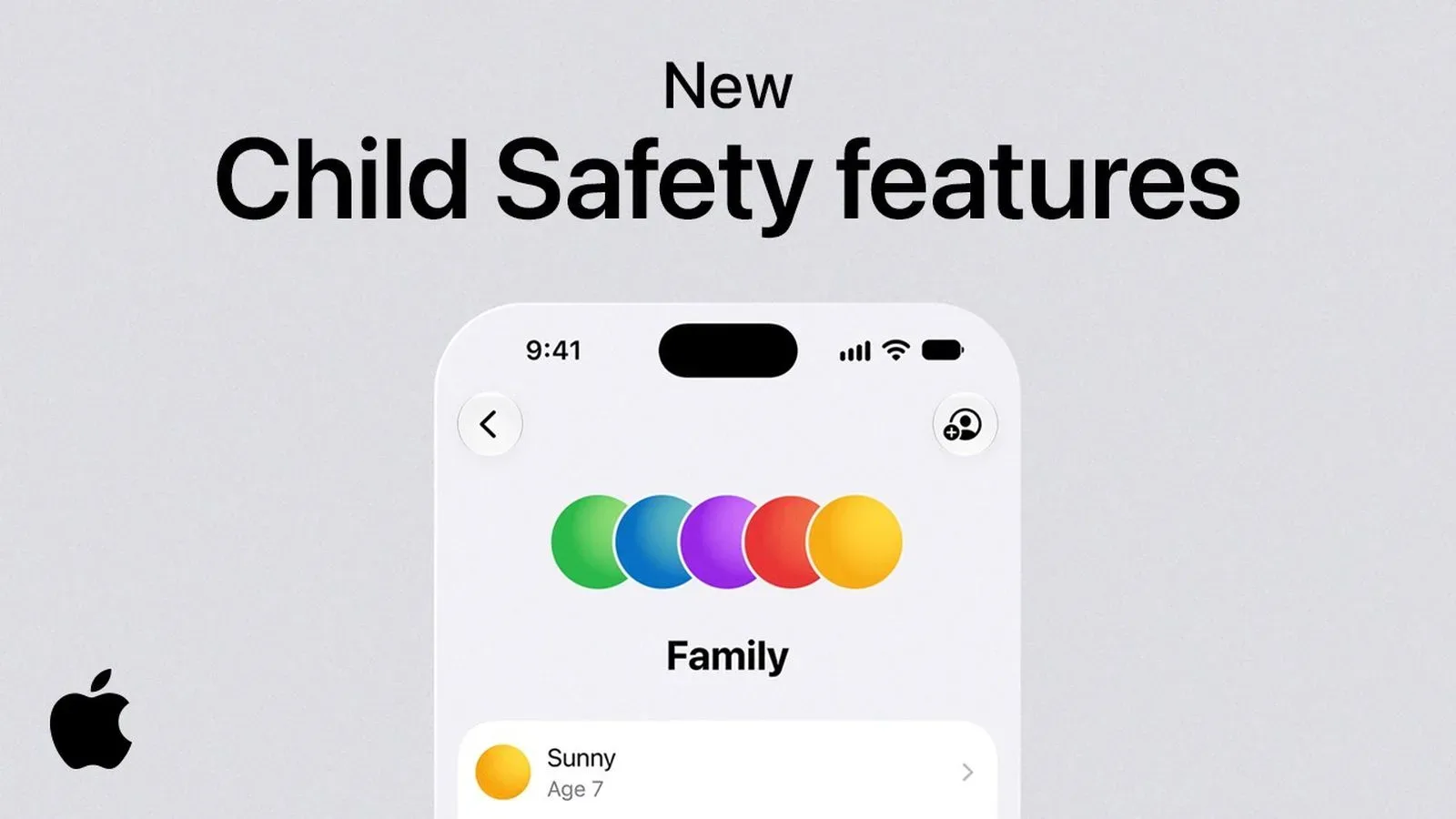
There is related software context for families considering Apple’s newest phones: iOS 27 parental-control updates have been highlighted separately, including tools connected to browsing, calls and Screen Time. That is not a hardware specification for any of these new phones, but it is relevant context for households where an iPhone decision includes account and safety-management considerations.
Two Apple Watch updates target different priorities
Apple’s wristwear announcements include Apple Watch Series 12 and Apple Watch Ultra 4. Apple Watch Series 12 is described with an S11 chip, upgraded health sensors and ceramic models. Apple Watch Ultra 4 is described as having two-day battery life and upgraded health tracking.
Health sensors are components that gather signals used by health-related watch features. The announcement summary says the Series 12 has upgraded sensors, but does not specify which sensor types changed or what individual measurements, if any, are newly supported. Likewise, “upgraded health tracking” for Ultra 4 identifies a direction of improvement without supplying a full feature list. It is best read as a headline-level description, not as a substitute for medical guidance or a detailed capability chart.
The two-day battery-life claim is specifically attached to Apple Watch Ultra 4. Battery figures are central to a wearable purchase because charging routines shape whether tracking features can be used consistently. But buyers should keep the wording precise: this summary gives a two-day claim, not the test conditions, charging time or an equivalent claim for Series 12.
The Series 12’s ceramic models are another differentiator named in the material. Ceramic refers to a material choice, but no colours, case options or other details are established here. It is enough to know that the Series 12 range includes ceramic models; it is not enough to infer how that affects durability, weight, price or availability.
Apple also released an updated Apple Watch magnetic charging cable. The presence of a revised cable near the Watch refresh is a practical reminder that charging equipment deserves the same compatibility check as bands or cases. The information confirms the cable update, but does not state every technical reason for it or list supported models. New Apple Watch bands have also been released, broadening the accessory side of the Watch refresh.
AirPods 5 and Beats 360 broaden the audio choices
Apple’s audio announcements cover two different product identities. AirPods 5 are described as bringing improved noise cancellation and audio quality, among other changes. Beats 360 are described as customizable over-ear headphones with a revamped design.
Noise cancellation is a technology intended to reduce unwanted surrounding sound in the listening experience. The announcement indicates an improvement for AirPods 5, but it does not quantify that improvement or define the environments in which it was assessed. “Improved audio quality” is similarly a broad product claim; without supported specifics, it should not be converted into assumptions about codecs, microphones, battery life or sound tuning.
Beats 360, meanwhile, are expressly over-ear headphones. That form factor separates them from earbuds such as AirPods. Customizability and a revamped over-ear design are the stated points, although the announcement summary does not say what can be customized. Consumers comparing the two should begin with the confirmed basics—earbuds versus over-ear headphones—then look for the full specification sheets before deciding which feature set suits them.
Apple’s accessory announcement also references AirPods Pro 3, indicating that the new Wrist Strap and related accessories sit within a broader ecosystem of current products. It does not establish that AirPods 5 replace, duplicate or share all accessories with AirPods Pro 3. Product names are close enough that careful compatibility checks will be more useful than guesswork.
A checklist for sorting the release wave
A rapid run of announcements can make it tempting to put everything into one giant “upgrade now” basket. A better approach is to separate confirmed information from questions still requiring a full product page or direct comparison.
- Start with category: desktop computer, phone, foldable phone, smartwatch, earbuds or over-ear headphones.
- Use the stated differentiators: Mac mini chip options differ from Mac Studio chip options; iPhone Duo is foldable; Series 12 includes S11, upgraded sensors and ceramic models; Ultra 4 carries the two-day battery-life claim; AirPods 5 emphasize noise cancellation and audio quality; Beats 360 are customizable over-ear headphones.
- Do not fill in the blanks: this announcement round-up does not supply pricing, release dates, benchmark results, full compatibility charts or complete specifications.
- Check accessories by exact model: cases, bands, straps, keyboards and charging cables are often model-specific even when their names sound broadly applicable.
Apple has also released revised U.S. English Magic Keyboards for Macs with glyphs on select keys. A glyph is a visible symbol or character used to represent a key function. The update is a small but concrete example of how hardware revisions can be about layout and visual labelling, not just processors or headline features.
What this concentrated release schedule means
The breadth of the slate is the main story. In roughly a month, Apple has touched computing, mobile, foldable phones, wearables, audio and accessories. The launches provide clear named options, but not every decision can be made from the high-level descriptions alone. The best-informed buyers will identify the device category and the specific confirmed feature that matters to them, then wait for the missing technical, pricing and compatibility information where necessary.
For everyone else, this is a useful inventory: new Mac mini and Mac Studio configurations arrived first; iPhone 18 Pro, iPhone 18 Pro Max and iPhone Duo followed; Apple Watch Series 12 and Ultra 4 updated the wristwear range; AirPods 5 and Beats 360 refreshed the audio side; and cases, bands, a Wrist Strap, charging hardware, keyboard revisions and even a Polishing Cloth rounded out the burst. That is a lot of Apple hardware to keep straight—and, for once, the cloth genuinely belongs on the list.