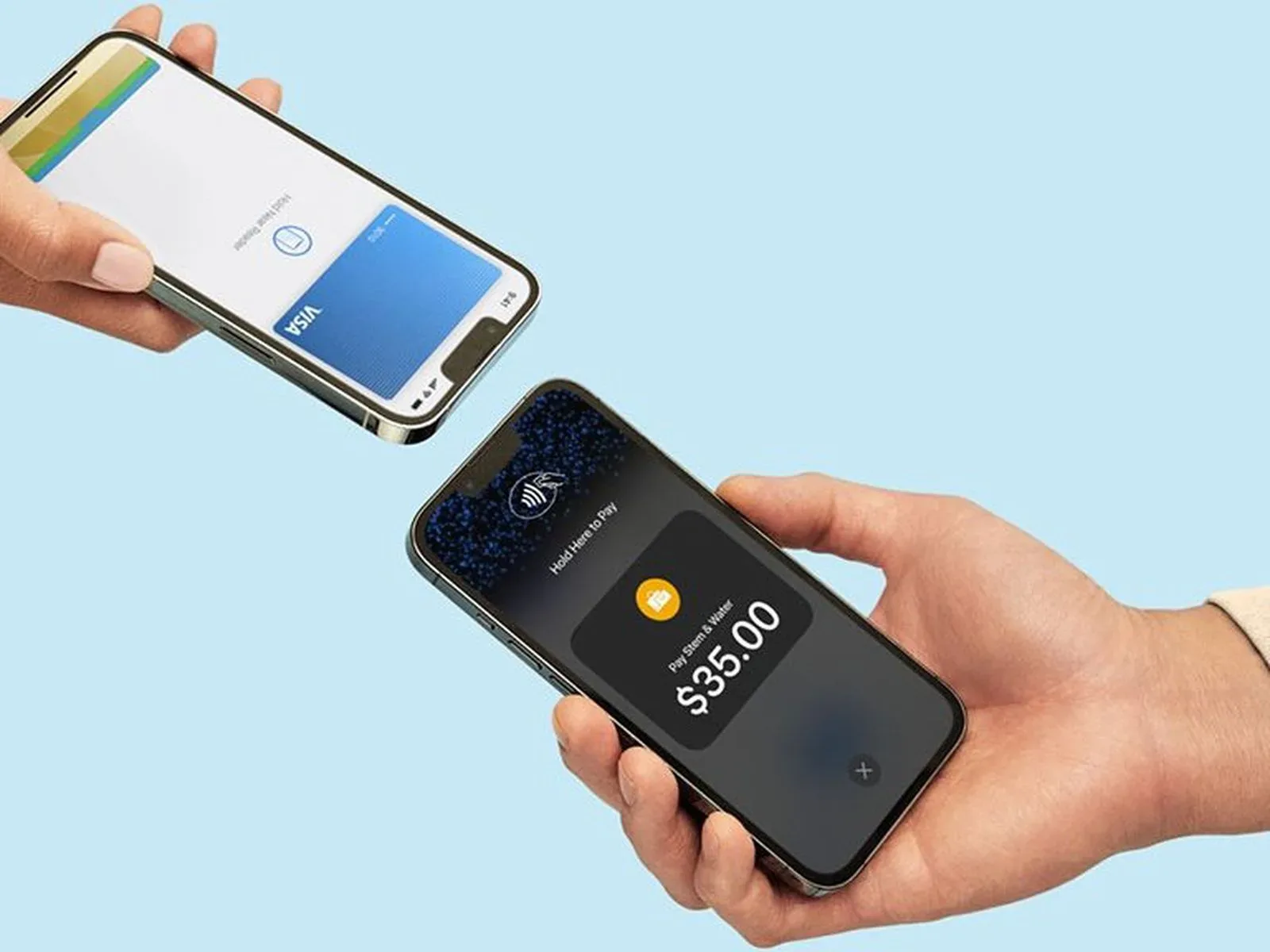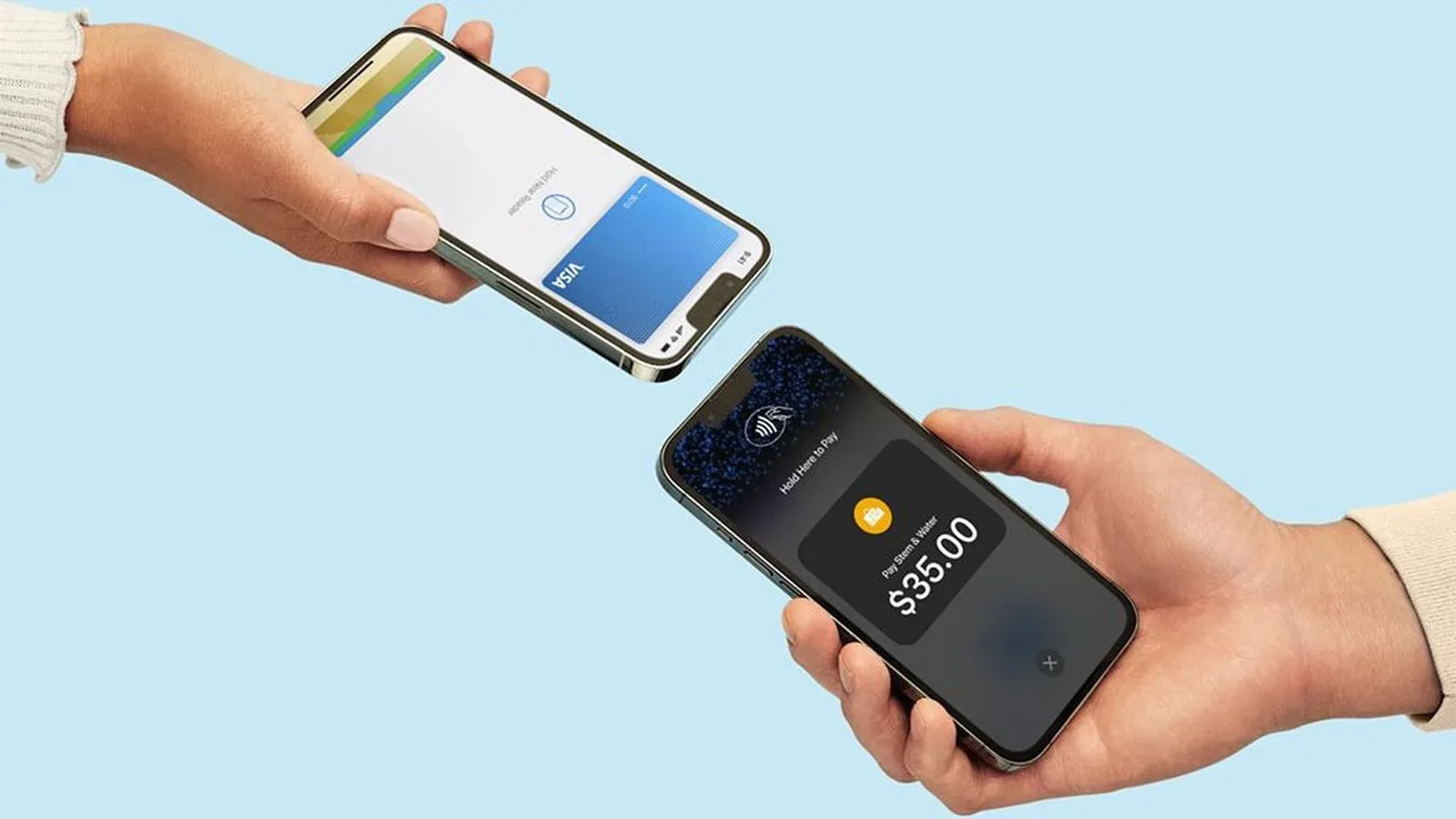
Apple has expanded Tap to Pay on iPhone to eight additional countries: Argentina, Colombia, Costa Rica, the Dominican Republic, Guatemala, Honduras, Panama and Peru. The feature allows a business to take a contactless payment through an iPhone itself, removing the need for a separate point-of-sale terminal in the basic tap-to-pay interaction.
For customers, the routine is intended to be familiar: they tap a payment method against the merchant’s iPhone. That payment method can be an iPhone or Apple Watch, a credit or debit card, or another contactless option. In other words, the seller’s phone becomes the place where the tap happens—one less countertop device trying to become the star of a transaction.
What has changed
The expansion specifically adds these markets:
- Argentina
- Colombia
- Costa Rica
- Dominican Republic
- Guatemala
- Honduras
- Panama
- Peru
That is the concrete news: Tap to Pay on iPhone is available in each of those eight countries. The announcement does not establish that every business will offer it immediately, nor does it spell out the payment providers, merchant apps, card issuers, fees, device requirements, or rollout timing for individual sellers. Availability in a country and availability at a particular checkout are related, but they are not the same claim.
The feature in plain English
Contactless payment describes paying by holding or tapping an eligible payment method close to the place that accepts it, rather than inserting a card into a reader. Tap to Pay on iPhone shifts that acceptance point onto an iPhone used by the business.
Point-of-sale hardware, often shortened to POS hardware, is the dedicated equipment a seller ordinarily uses to accept payments. In this case, the key proposition is that no separate piece of POS hardware is required for the contactless transaction: the merchant uses an iPhone instead.
That does not mean the transaction becomes a casual handshake with a screen involved. A business still needs to use the payment capability as part of its selling process. The useful distinction is simply between a phone performing the acceptance role and a phone paired with an additional card terminal.
Why the expansion matters for small sellers
The most immediate implication is flexibility. A merchant who conducts sales away from a fixed counter—at an event, at a customer’s location, or wherever a sale is being completed—can potentially accept a tap without carrying a separate reader. A business that already uses an iPhone for communication, orders or inventory may find that consolidation especially appealing.
There is also a practical customer-side benefit in the variety of payment methods described for the feature. A buyer can use an iPhone or Apple Watch, but the transaction is not framed as being limited to those two Apple devices. Contactless credit cards, debit cards and other contactless payment choices can be tapped on the merchant’s iPhone as well.
That matters because the seller is accepting a contactless payment, not merely accepting a payment from one narrowly defined device. The iPhone is the merchant-side receiver; the customer’s side can be a wearable, a phone, a physical card or another compatible tap-based option.
What shoppers are likely to notice
In the ideal everyday scenario, not much. Instead of being handed a standalone reader or directed to a fixed terminal, a customer is presented with an iPhone and taps their chosen payment method against it. The checkout action remains recognizably contactless.
That simplicity is central to the feature’s appeal. A merchant can meet the customer where the transaction happens, while the customer uses a payment method they may already carry. It is a modest change in physical setup with a potentially meaningful effect on how portable checkout can be.
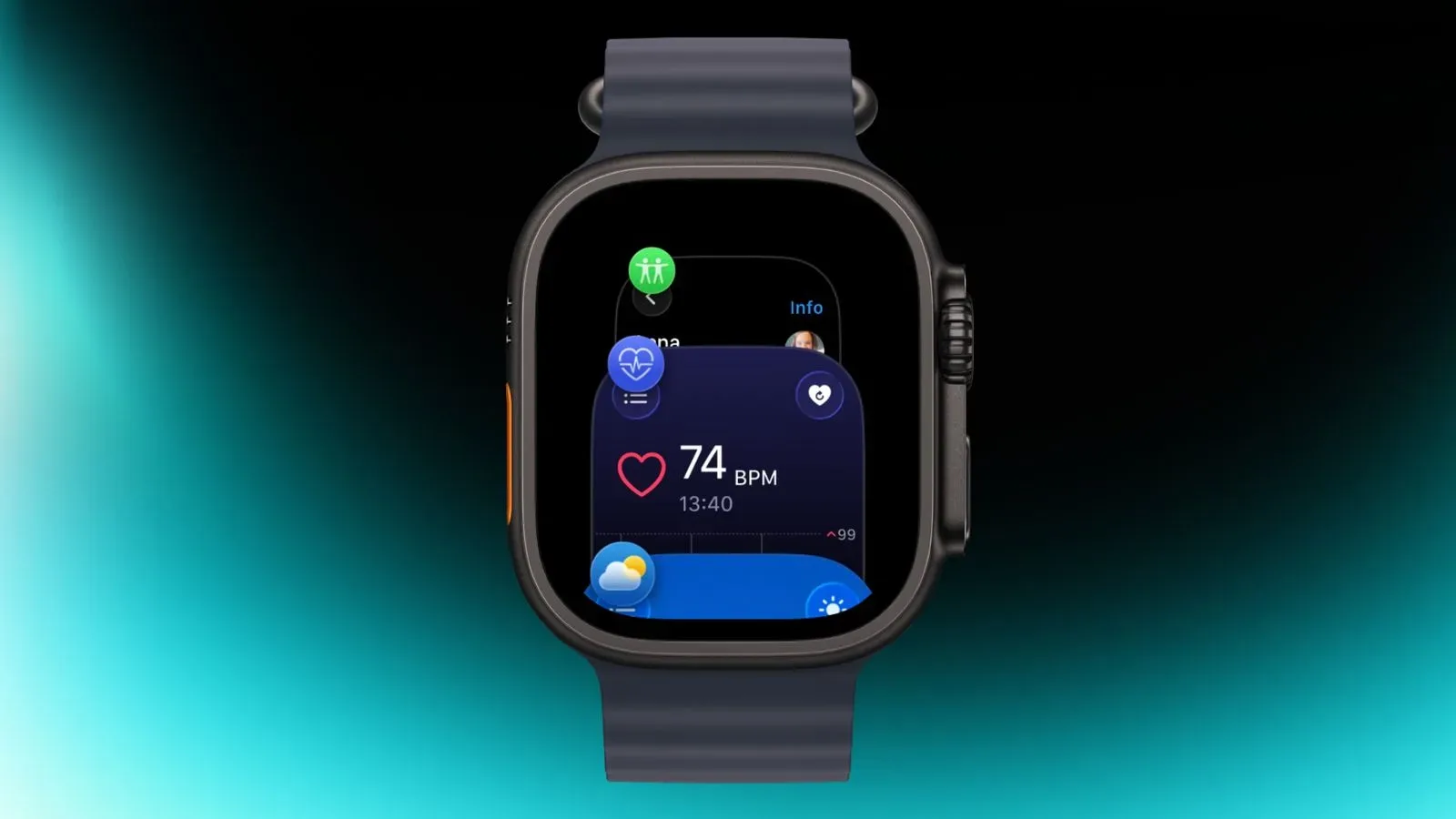
The expansion also arrives in a broader Apple-device context. For readers tracking Apple’s software and wearable ecosystem, a recent watchOS item highlights how the Apple Watch continues to sit at the intersection of everyday phone-adjacent tasks and interface changes. Here, its role is more straightforward: it is one of the devices customers can tap to pay.
Important limits to keep in mind
Country availability is useful information, but it should not be read as a guarantee that a specific store, market stall, service professional or restaurant is ready to take payments this way. Whether a customer encounters Tap to Pay on iPhone depends on whether that business adopts it.
Likewise, the announcement identifies credit cards, debit cards and other contactless payment options as possible customer payment methods, but it does not provide a market-by-market compatibility list. Customers should not assume that every card or every contactless option will necessarily be accepted by every merchant simply because the feature is now available nationally.
None of that reduces the significance of the rollout. It clarifies what the rollout is: an expansion of the capability’s regional availability, not a promise that every checkout will suddenly swap its existing setup for an iPhone.
Analysis: the hardware-free pitch is the real story
The phrase “no point-of-sale hardware required” is the part most likely to resonate with businesses. Dedicated payment equipment can make a checkout location feel fixed: a counter has a terminal, and the customer goes to the counter. With an iPhone serving as the acceptance device, the payment moment can travel with the seller.
For a tiny operation, reducing the number of objects involved in a sale can be valuable even before considering scale. Fewer items to bring, power, connect or locate can make a payment flow feel less cumbersome. For larger businesses, the attraction may instead be situational: an employee can accept a payment outside a traditional register setup when the business chooses to support that workflow.
The customer experience is also notable for its continuity. People already recognize the physical gesture of tapping a phone, watch or contactless card. Tap to Pay on iPhone changes the merchant-side device without asking the buyer to learn a totally new action. That is often the strongest kind of payment change: the infrastructure evolves while the customer’s part remains intuitive.
Still, the usefulness of any payment feature is ultimately local. It depends on merchant adoption and on the payment choices a merchant supports. The eight-country expansion creates the option for businesses in Argentina, Colombia, Costa Rica, the Dominican Republic, Guatemala, Honduras, Panama and Peru. The next meaningful step, from a shopper’s perspective, is seeing that option appear in the places where they actually buy things.
A wider map for phone-based checkout
With these additions, Apple is extending the geographical reach of a feature built around a direct idea: an iPhone can accept a customer’s contactless payment without a separate payment terminal. For merchants, that can mean a more mobile checkout setup. For customers, it can mean tapping the same kinds of payment methods they already use against a different kind of acceptance device.
The announcement is concise, but its practical meaning is easy to understand. Eight more countries now have access to a payment model in which a business’s iPhone can take the tap. That will not erase conventional payment terminals overnight—and the details of support at any individual business remain important—but it gives sellers another way to complete a sale without adding another box to the counter.