Apple hardware has a funny way of feeling immortal right up until it abruptly stops being sold, stops receiving the newest operating system, or gets shoved into the refurbished-and-resale wilderness. Those are three very different fates, and 2026 is a particularly busy year for sorting them out.
A product disappearing from Apple’s online store does not automatically turn it into electronic compost. In many cases, it simply means a newer version has taken its place. The older model may remain a capable purchase at the right discount and can retain years of OS support. Losing compatibility with a major software release is more consequential: security patches may continue, but new platform features and app expectations will increasingly move on.
That distinction matters whether someone is bargain-hunting, deciding whether to sell an old device, or wondering if their current setup needs an upgrade. Below is the practical 2026 picture for Apple products being retired, replaced, or placed on a shorter runway.
iPhone 16e: replaced, not remotely obsolete
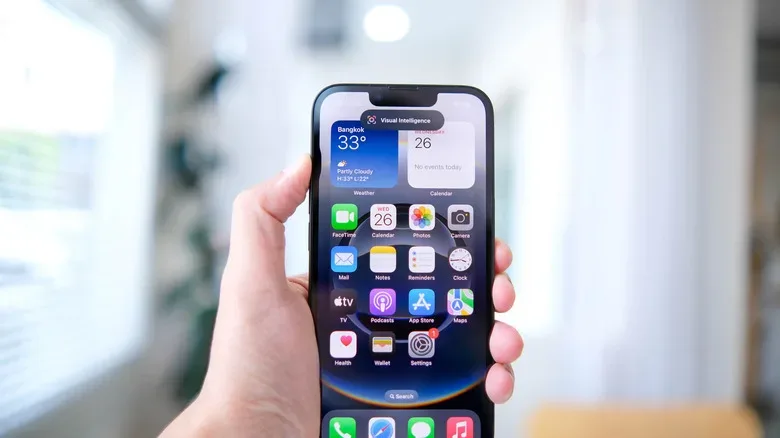
The iPhone 16e launched in February 2025 as the successor to the long-running iPhone SE role: the lowest-cost iPhone in Apple’s lineup. It received an unusually quick direct follow-up when the iPhone 17e arrived in March 2026, and the 16e left Apple’s active range at that point.
The newer phone keeps the $599 starting price but moves from 128GB to 256GB of base storage and adds proper MagSafe charging, an omission on the 16e. That makes the 17e the cleaner new-buy proposition. Still, a discounted iPhone 16e is not a bad phone by virtue of its replacement. iOS 27 supports devices as old as the 2019 iPhone 11, suggesting plenty of operating-system life remains for a 2025 handset.
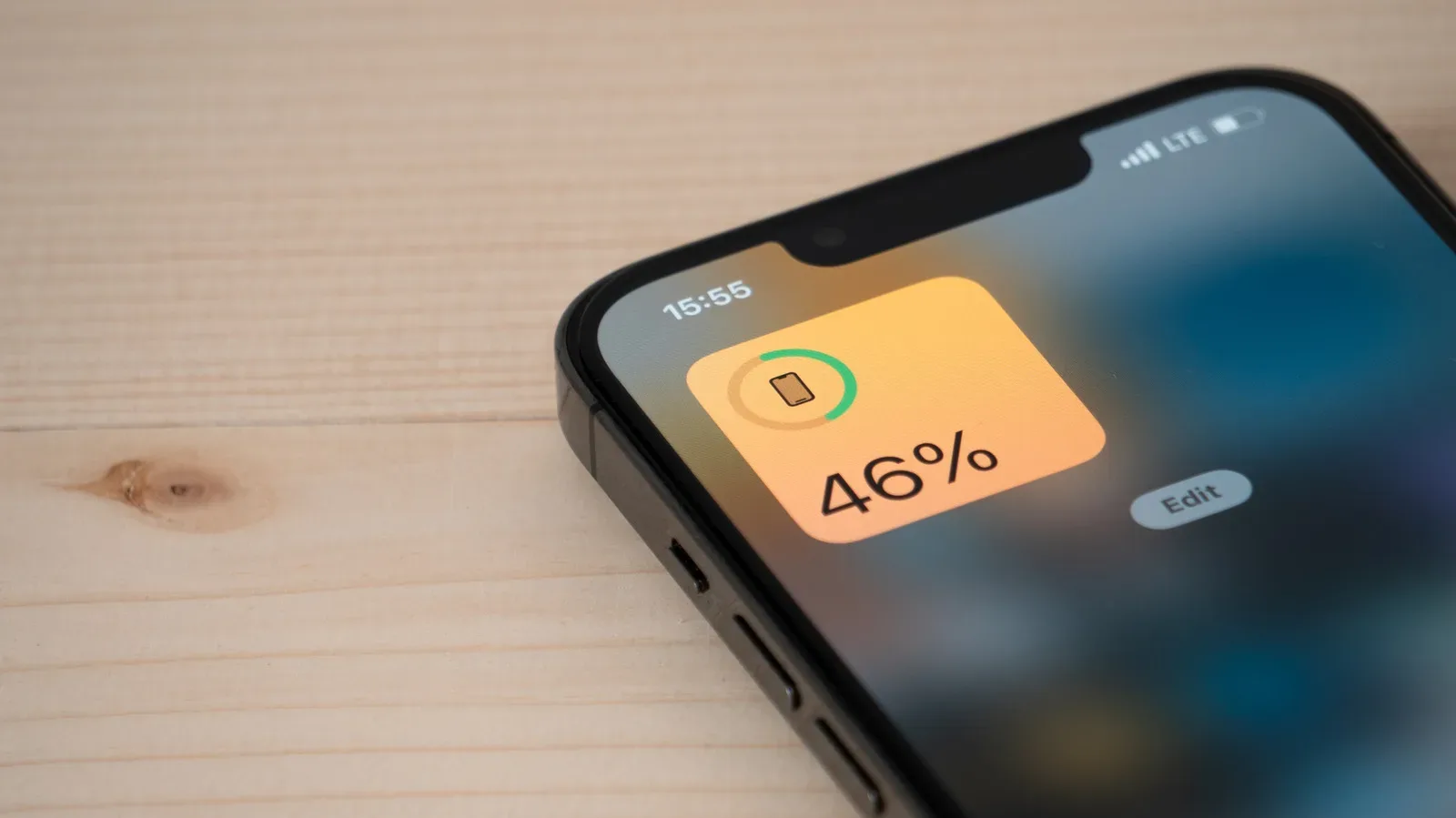
The buying rule is straightforward: seek a substantial price gap before choosing the 16e. Existing owners have no software-support reason to panic. Battery behavior can matter more to day-to-day satisfaction than a yearly spec shuffle, so it is also worth reviewing which apps are draining an iPhone battery before treating a shorter day of use as an automatic upgrade signal.
First-generation AirTags: a gentle handoff
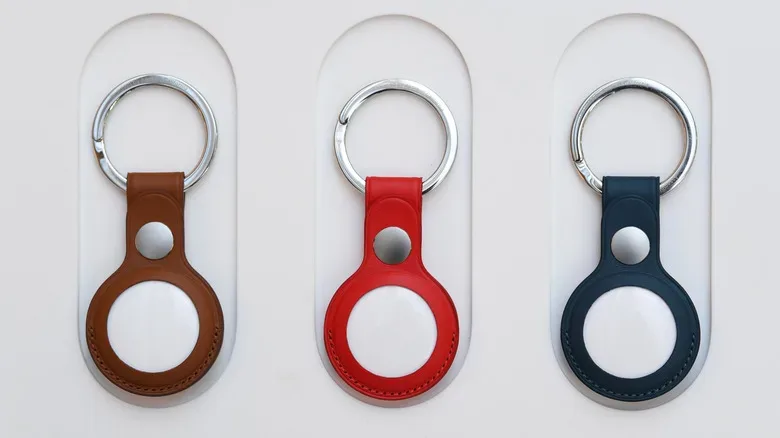
The original AirTag arrived in 2021 and remained useful enough that a replacement was never an emergency. Apple refreshed it in January 2026, ending the first-generation model’s retail run. The second-generation version can be recognized by all-capital lettering on its rear.
Its meaningful changes are an updated U2 chip that increases the stated maximum range to 200 feet from 100 feet, Apple Watch tracking compatibility on supported watches, and a louder speaker for finding a tag in luggage or a noisy room. Otherwise, the form factor and CR2032 battery arrangement remain the same.
This is a classic case where owners should not feel compelled to replace working gear. A first-generation AirTag at a genuine discount remains reasonable for people unconcerned with the added range and watch integration. Buyers who do value those features may prefer the newer model, while remembering that multi-packs have historically offered better value than individual units.
Apple TV HD and first-generation Apple TV 4K face a software cutoff
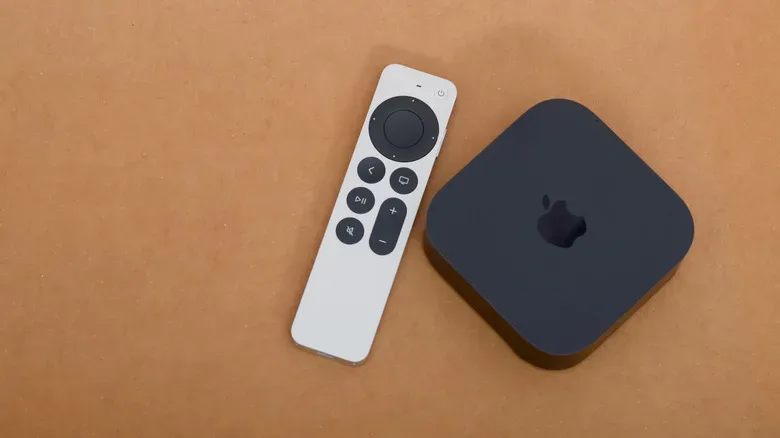
The more serious transition arrives with tvOS 27, expected later in 2026. It will leave behind the 2015 Apple TV HD—originally called the fourth-generation Apple TV—and the first Apple TV 4K from 2017.
The HD model is the obvious veteran: it was the final Apple TV without 4K output. The original 4K box has higher resolution, but its aging chip and lack of Hybrid Log-Gamma and HDR10+ support leave it well behind newer streaming hardware. Since tvOS 27 is intended to emphasize speed improvements, the performance gap could be especially apparent for people moving to a current-generation model.
There is one wrinkle for shoppers. The third-generation Apple TV 4K dates to 2022, and a refresh is expected later in 2026. That expectation is not a confirmed product announcement, so anyone whose old box is still adequate can simply wait rather than buy based on a rumor. Owners of the two excluded models, however, should prepare for a future without the latest tvOS features.
The 17 Pro phones are likely headed for the usual Pro-model exit
Apple commonly keeps the preceding standard iPhone on sale as a lower-cost option, but its Pro phones tend to disappear when the next Pro generation arrives. If the iPhone 18 Pro and iPhone 18 Pro Max arrive in September as expected, the iPhone 17 Pro pair will likely leave Apple’s direct storefront and shift to refurbished stock and third-party sellers.
That is a retail change, not a verdict on the 17 Pro hardware. These phones remain compatible with Apple Intelligence, retain strong camera systems, and should receive software updates for years. The potentially awkward part is timing: reports point to a possible delay for the standard iPhone 18 range until spring 2027, rather than its traditional fall window. Those reports remain unconfirmed. Rising global RAM and chip costs could also affect prices across consumer technology, making discounts on a recent Pro model more interesting if and when they appear.
M4 MacBook Air and MacBook Pro: last year’s silicon can be the value play
Apple has already moved its notebooks forward in 2026, removing the M4 MacBook Air from direct new sales after the M5 Air launch. The M5 model doubles base storage to 512GB from 256GB, but it also followed June hardware price increases, with both 13-inch and 15-inch configurations rising by $200.
The M4 Air therefore has a strong case in used or refurbished form for shoppers who do not need the M5’s extra performance. macOS 27 Golden Gate supports Apple silicon Macs back to M1 systems released in 2020, so an M4 machine should have a long useful software horizon. Before buying pre-owned, storage capacity and condition deserve close attention; this guide to checking MacBook storage health can help make that evaluation less mysterious.
The same pattern applies to M4 MacBook Pro configurations. Apple’s current Pro range begins with the base M5 and extends to M5 Pro and M5 Pro Max chips. M4 Pro and M4 Max models are no longer Apple’s discounted official alternative. Since the base M5 MacBook Pro starts at $1,999, a properly priced M4 Pro or M4 Max can still be a compelling option for workloads beyond a MacBook Air’s comfort zone.
iPad Air M3 and Apple’s changing display shelf
The M3 iPad Air, released in March 2025, was replaced by the M4 iPad Air in March 2026. Apple no longer uses numbered generations for this family as it once did, so the chip name is the clearest shorthand. The M4 Air starts at $749, while a used M3 Air remains capable for streaming, note-taking and general tablet work.
For lighter needs, the 11th-generation iPad, also called the iPad A16, starts at $449 and remains the lower entry point. It is less suitable as an all-day professional workstation, but the latest chip is hardly a requirement for ordinary browsing and media.
Apple also refreshed its 2022 Studio Display in 2026. The new $1,600 version brings a more current Thunderbolt connection and an improved camera, but the original panel remains functional. At the premium end, the 2019 Pro Display XDR has been replaced by the $3,299 Studio Display XDR. The older display began at $4,999 with standard glass, with an additional $1,000 for the upgraded glass option. A major new model advantage is its 120Hz refresh rate, doubling the Pro Display XDR’s 60Hz panel.
Apple Watch support is the sharpest break
watchOS 27 is the year’s harshest compatibility line. Apple Watch Series 6, Series 7 and Series 8 models, the first-generation Apple Watch Ultra, and the second-generation Apple Watch SE will not run the new release. Only Apple Watch models from 2023 onward are compatible.
Series 9 compatibility initially appeared to be missing from the list, but that was corrected; Apple’s 2023 watches can run watchOS 27. Earlier watches are expected to continue receiving watchOS 26 security updates, though they will not receive features such as the more context-aware app grid in watchOS 27. For devices only around four years old, that is a notably quick loss of major-version support.
Mac Pro is gone; Mac Studio takes the desktop throne
Apple discontinued the Mac Pro in 2026 and now positions the Mac Studio as its highest-end desktop Mac. It closes a strange chapter for the Mac Pro. The 2019 Intel tower was built around upgradeability, allowing owners to change RAM, processors and graphics hardware. Its 2023 M2 Ultra revision traded much of that flexibility for Apple silicon integration: memory and CPU are fixed to the motherboard, and its PCIe slots cannot be used to install user-selected graphics cards.
That lack of expansion, combined with a $5,999 starting price for only 256GB of storage and an enormous chassis, made the Mac Pro a difficult proposition beside other powerful Macs. For people who need more desktop performance than a Mac mini can offer, Mac Studio is now the sensible place to look. A discontinued Mac Pro, especially one without the modular advantages that once justified its existence, is a purchase that demands extraordinary discounting to make sense.
In short, 2026’s Apple retirements do not all carry the same warning label. Old AirTags and recent M4 Macs may be smart buys at the right price. A watch excluded from watchOS 27 or an Apple TV excluded from tvOS 27 has a clearer reason to plan ahead. Treat the product’s software runway, storage, condition and actual discount as the important stats—not merely the fact that a newer box exists.