Apple’s iPhone business is facing a more complicated outlook than a simple shipment total might suggest. Loop Capital has cut its Apple rating from Buy to Hold and lowered its price target from $370 to $330, citing a weaker path for iPhone shipments, average selling prices, and potentially profit margins.
The central issue is not that the firm now expects iPhone demand to disappear. In fact, its 2027 unit forecast has increased. The downgrade instead rests on a less favorable combination: shipments removed from the second half of 2026 may not be recovered later as previously anticipated, while the iPhones that do ship could generate less revenue per device. Higher memory costs add another layer of risk to profitability.
That distinction matters. A company can sell more phones yet still make less iPhone revenue than earlier projections if the average value of each sale falls enough. For investors, this is less a story of an empty iPhone pipeline than a story of whether the product mix, timing, and component costs can support the financial expectations already built around the business.
The forecast change in numbers
Loop Capital now estimates that Apple will ship 79 million iPhones in the December quarter, down from its earlier estimate of 85 million. That is a reduction of 6 million units for that quarter alone.
The firm also lowered its expected average selling price, or ASP, from $1,239 to $1,123. ASP is a financial measure obtained by dividing sales revenue by the number of products sold. It is not the same thing as a device’s advertised starting price. Rather, it reflects the eventual blend of models and configurations buyers choose, including how many customers select higher- or lower-priced products.
A lower ASP can emerge for several reasons without requiring a claim about any one buyer’s behavior. A sales period may contain more lower-priced models, fewer premium configurations, or a launch calendar that moves particular models into another quarter. The available information does not identify a single cause for the revised ASP forecast, but it makes clear that Loop Capital sees the expected pricing mix as materially weaker than before.
Its annual 2027 forecast captures the point especially clearly:
- Expected iPhone shipments rise to 260 million units.
- Expected iPhone revenue falls from $315 billion to $285 billion.
Those figures show why unit volume should not be treated as the entire scoreboard. An additional number of phones sold does not automatically offset a reduction in the expected average revenue attached to each device.
Why the missing recovery assumption is important
Loop Capital had previously expected memory and processor shortages to delay shipments that Apple could later recapture in 2027. Its latest supply-chain checks caused it to abandon that assumption.
In practical terms, the prior view left room for a timing effect: phones that could not be shipped in one period might eventually be shipped in a later one, preserving more of the planned volume over time. The updated position is more cautious. It indicates that the estimated 13 million iPhone shipments cut from second-half 2026 plans are unlikely to be fully made up.
This is significant because delayed shipments and lost shipments lead to very different models. A delay changes when revenue is recognized and may disrupt quarterly comparisons. A shipment that is not recovered affects the expected total volume as well. Neither outcome necessarily says anything definitive about Apple’s long-term competitiveness on its own, but the second creates a more direct reduction in the sales opportunity assumed by an earlier forecast.
The information here remains forecast-based. Loop Capital’s shipment, ASP, revenue, and price-target figures are estimates rather than confirmed Apple results. They should therefore be read as one firm’s revised interpretation of supply conditions and launch timing, not as a confirmed count of future iPhone sales.
A split release calendar clouds quarter-to-quarter comparisons
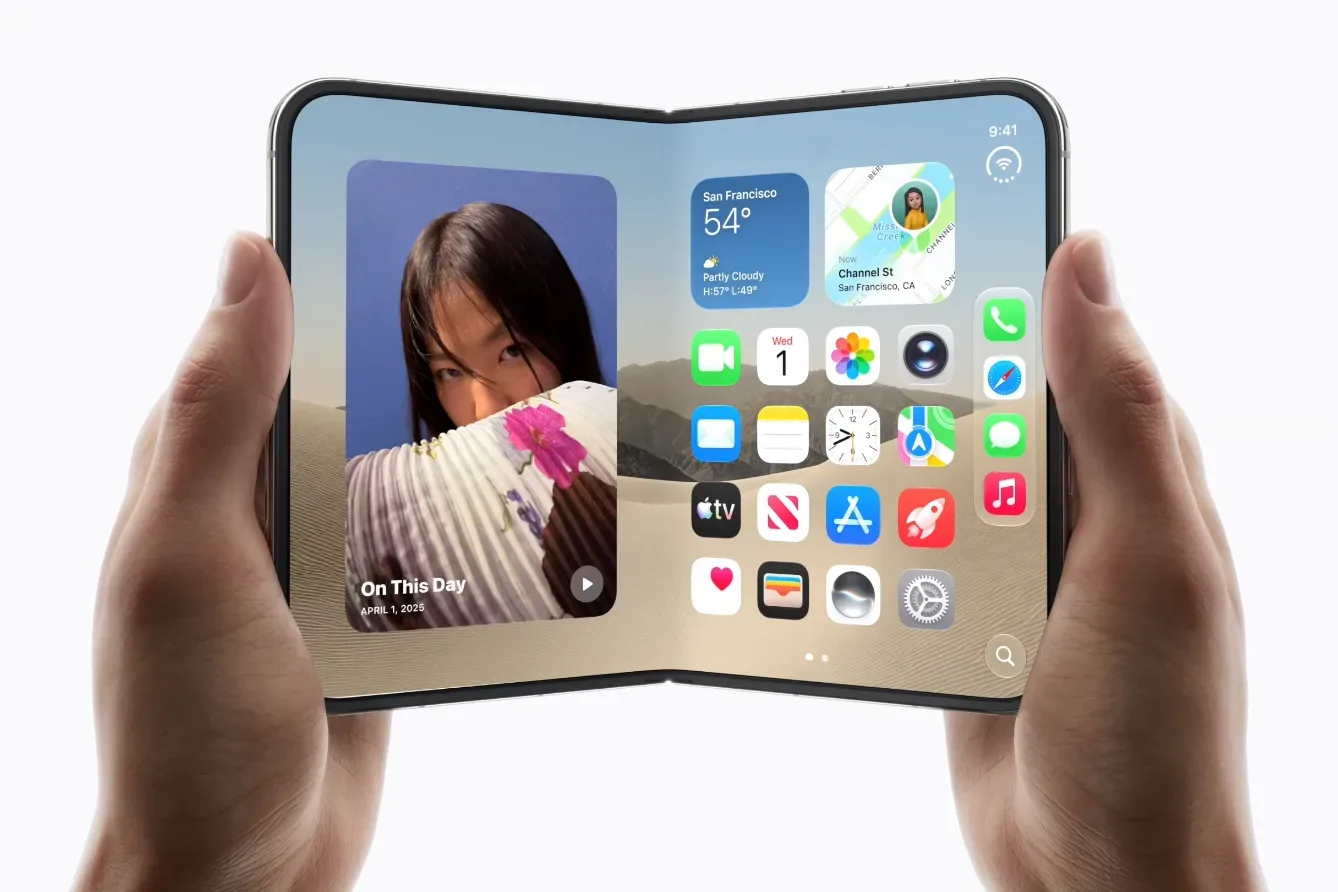
Apple’s launch timing is another reason the outlook is difficult to read through a single quarter’s shipment data. The iPhone 18 Pro models arrived in September, while the iPhone Duo is scheduled to launch on October 23. The standard iPhone 18, iPhone 18e, and iPhone Air 2 are not expected until spring 2027.
When products that might normally be evaluated as one launch family arrive across separate periods, sales comparisons can become less intuitive. One quarter may benefit from premium models while another waits for standard models. That can shift the mix of devices available to buyers, affect ASP calculations, and make shipment changes look more dramatic without providing a full picture of the cycle.
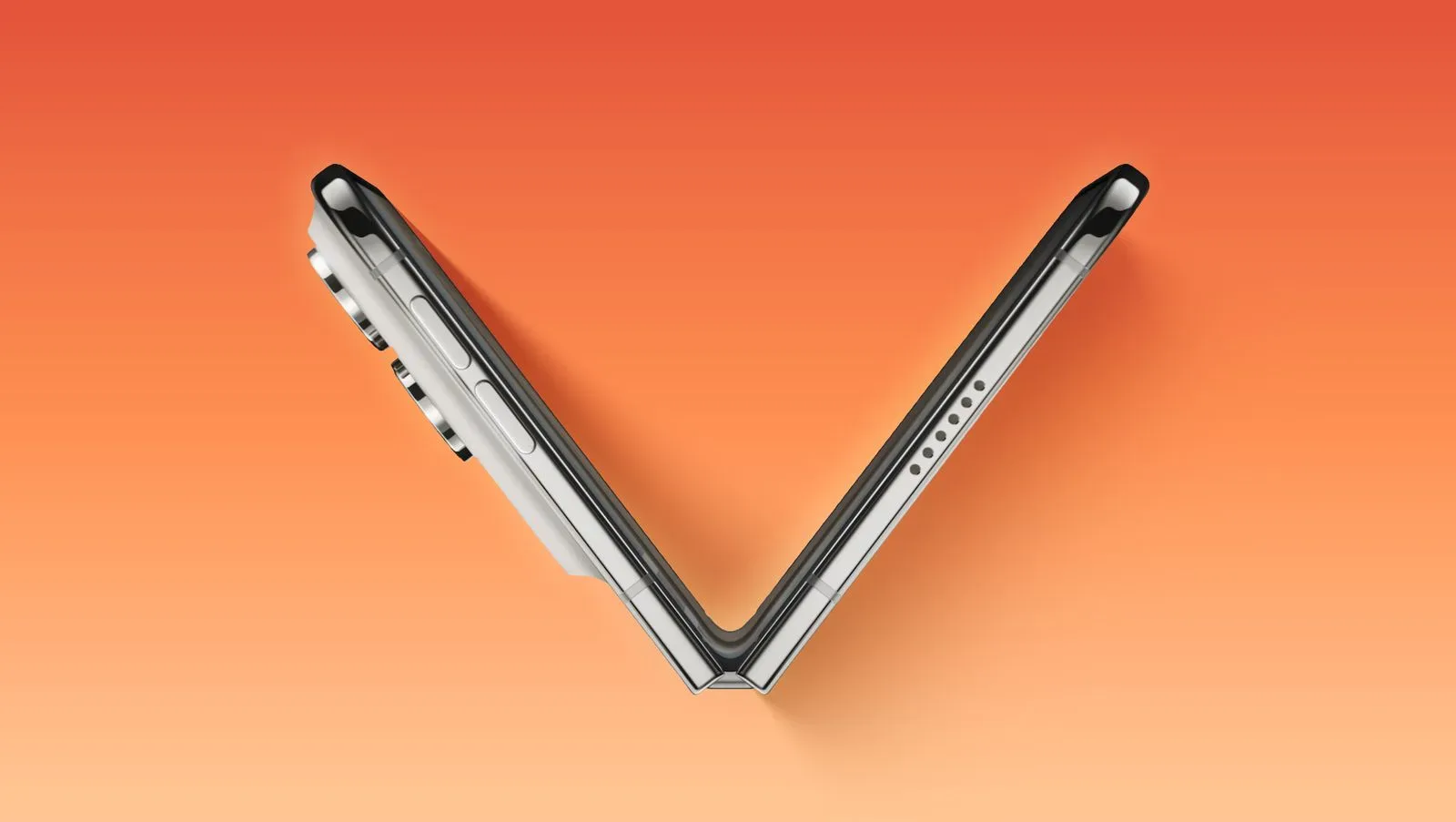
The iPhone Duo is also entering this unusually staggered environment. Readers tracking the device may want to note that Reachability is expected to arrive for the iPhone Duo later this year, a software usability detail focused on making tall interfaces easier to manage with one hand. That feature discussion is separate from Loop Capital’s financial projections, but it illustrates how attention around a new phone can involve both hardware timing and the experience delivered after launch.
The key analytical caution is that a staggered schedule can make an apparent decline in one period harder to interpret. It does not erase the concern about supply, revenue, or margins. It does mean that comparing shipment totals without considering which models were available may lead to overly simple conclusions.
Market share held up despite a shipment decline
There is a counterweight to the more cautious forecast. Apple reportedly recorded a 22% share of the global smartphone market in the third quarter, a record for that period, even as global smartphone shipments declined 20% year over year.
The third-quarter decline in Apple shipments was attributed largely to the absence of the standard model. That explanation fits the broader scheduling issue: if a major part of a product family is unavailable, the resulting quarter will not resemble a period in which the entire range launched at once.
Market share measures a company’s portion of the total market, not its absolute shipments. A company can increase share even while shipping fewer devices if the industry as a whole contracts more sharply. That is why Apple’s 22% third-quarter share and the reported 20% decline in global smartphone shipments can coexist with a weaker Apple shipment figure.
For observers, this provides useful context but not a complete rebuttal to the downgrade. Strong share can indicate relative resilience in a difficult market. It does not automatically solve the questions Loop Capital raised about whether delayed supply will be recovered, what the eventual model mix will look like, or how rising component costs will affect profit.
Memory costs are a margin issue, not just a supply issue
Loop Capital also warned that rising memory costs could pressure Apple’s profits. Memory is a core smartphone component, and increased component costs can affect the amount left after manufacturing and other costs are subtracted from device revenue.
This is where the difference between revenue and profit becomes particularly important. Revenue describes money generated by sales. Profitability depends on the costs required to make and sell those products as well. If ASP falls at the same time memory becomes more expensive, the potential pressure can come from both directions: less revenue per device and more cost per device.
The supplied information does not establish how Apple will respond, whether through pricing, purchasing arrangements, product configurations, or another measure. It only supports the narrower conclusion that rising memory costs are a risk factor in Loop Capital’s revised model. Readers should be wary of treating that risk as a confirmed outcome before Apple reports its own results.
What to watch from here
The most useful indicators will be the ones that clarify whether this is primarily a timing disruption or a more durable reset in revenue expectations. Shipment estimates will remain important, but the composition of those shipments matters just as much.
- December-quarter iPhone shipments: Loop Capital now expects 79 million, rather than 85 million.
- Average selling price: The revised $1,123 estimate is central to the reduced revenue outlook.
- Recovery of second-half 2026 cuts: The firm no longer expects the estimated 13 million removed shipments to be fully restored.
- Launch sequencing: The availability gap before the standard iPhone 18, iPhone 18e, and iPhone Air 2 reach the market in spring 2027 could continue to complicate comparisons.
- Component-cost pressure: Memory pricing could influence profit even if shipment performance improves.
Loop Capital’s downgrade is therefore best understood as a revision to the quality and timing of expected iPhone revenue, rather than a prediction that Apple will ship fewer iPhones in every respect. Its 2027 volume estimate actually moves upward. But with projected iPhone revenue reduced by $30 billion and the expected ASP lowered substantially, the firm sees a less attractive financial setup than it did before.
For the moment, Apple’s record third-quarter market share offers evidence of relative strength in a smartphone market that reportedly contracted sharply. The challenge is that relative share, total device units, revenue per device, and profit margins can all move differently. The split iPhone release schedule and component constraints have made that distinction impossible to ignore.