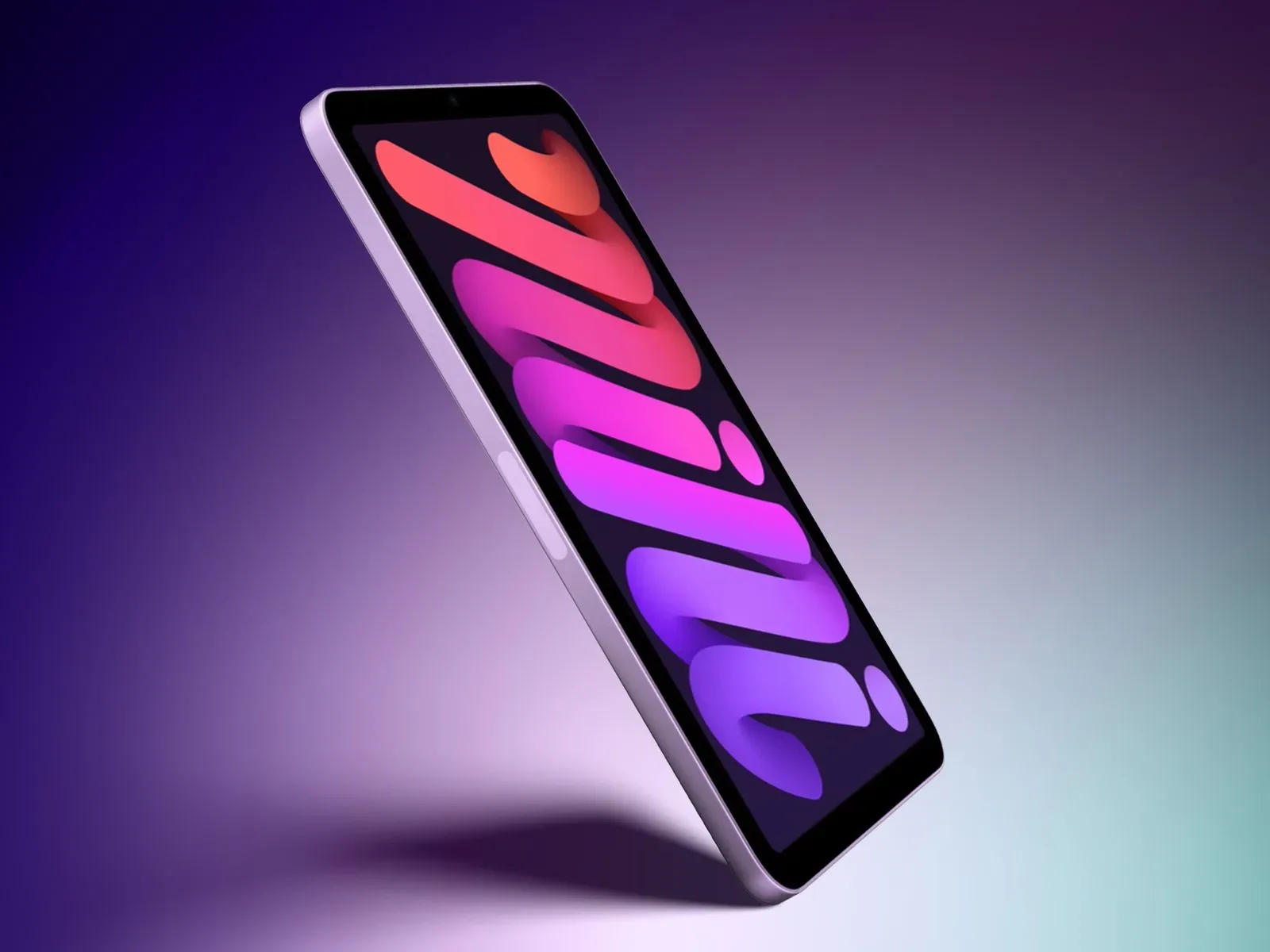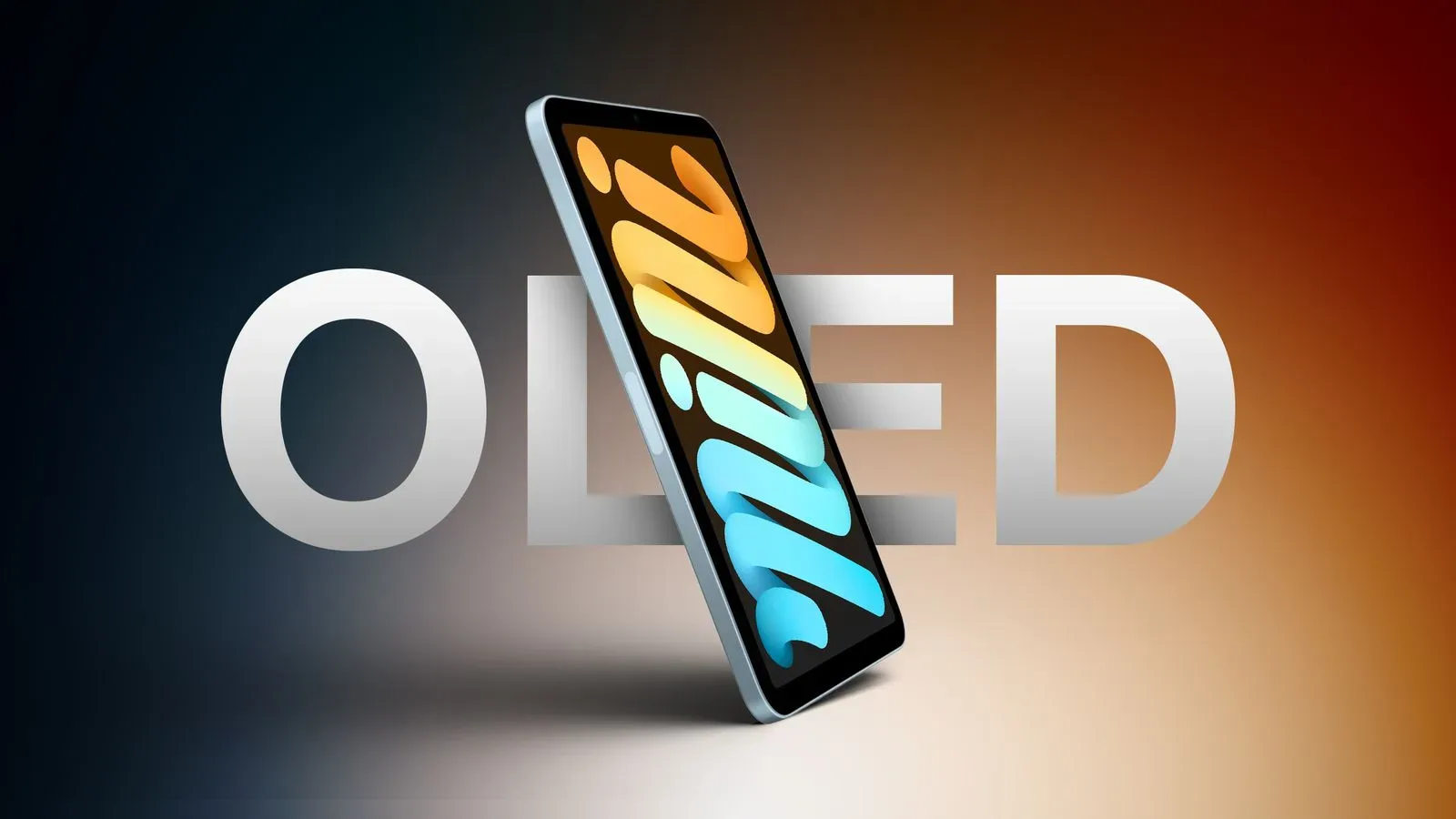
Apple is reportedly preparing to show an eighth-generation iPad mini next week, with an October 28 Los Angeles experience expected to put the compact tablet in front of invited attendees. The rumored iPad mini 8 would arrive alongside several Macs, including touch-enabled OLED MacBook Pro models, a 14-inch MacBook Pro with an M6 chip, and an M6-equipped iMac.
The prospective iPad mini update is notable because the reported changes go beyond the usual processor refresh. An OLED display, more memory, substantially faster graphics performance, upgraded wireless components and first-time IP-rated water resistance are all said to be part of the package. Some of the most consequential details, however—particularly screen refresh rate, cellular modem and price—remain uncertain.
Until Apple confirms the device and its specifications, these details should be treated as expectations rather than final product information. Still, the reported direction suggests a mini tablet designed to feel much less compromised beside larger and more expensive hardware.
A20 Pro could be the headline upgrade
The iPad mini 8 is expected to use Apple’s A20 Pro chip, reportedly built using TSMC’s 2nm process. The claimed gains are substantial compared with the A17 Pro in the current iPad mini: CPU performance could be up by roughly 1.5 times, while GPU performance could rise by roughly 2.5 times.
For more context, explore Gemini Personal Intelligence Starts Rolling Out to Android Auto, Bringing Gmail-Aware Answers to the Dashboard.
Those labels refer to different kinds of work. The CPU, or central processing unit, handles broad-purpose tasks such as running apps and managing general system activity. The GPU, or graphics processing unit, is geared toward rendering visual output and graphics-heavy workloads. On a compact tablet, a large reported GPU jump is particularly interesting for people who use games, creative software or other visually intensive apps, although real-world results would depend on each application’s optimization, settings and thermal behavior.
The report also points to a “dual 16-core Neural Engine,” totaling 32 cores. A Neural Engine is specialized hardware intended for machine-learning and AI-related tasks. Its presence does not by itself define what an app can do, but more dedicated AI capability could give software more room to handle supported on-device features efficiently.
12GB of RAM would change the mini’s headroom
The next model is also expected to move from 8GB of RAM to 12GB. RAM is short-term working memory: it gives software room to remain active and manipulate data while a device is being used. More RAM is not the same thing as more storage, and it does not automatically make every task dramatically faster. It can, however, provide extra capacity for demanding workloads and for keeping more active work in memory.
The reported 12GB configuration is said to enable customization of the pace and expressiveness of Siri AI’s voice. That is a precise claimed benefit, rather than a blanket promise that every AI function will improve. It also illustrates why a memory increase can matter alongside a newer processor: AI features can depend on both specialized compute and sufficient working memory.
For buyers weighing a current iPad mini against the reported successor, this is one of the less visible but potentially more durable upgrades. Screens and cameras are easy to see in a specification list; memory capacity can influence how much room a device has for future software demands. The practical effect will remain unclear until Apple details software requirements and the device is formally available.
OLED could make the small screen much more appealing
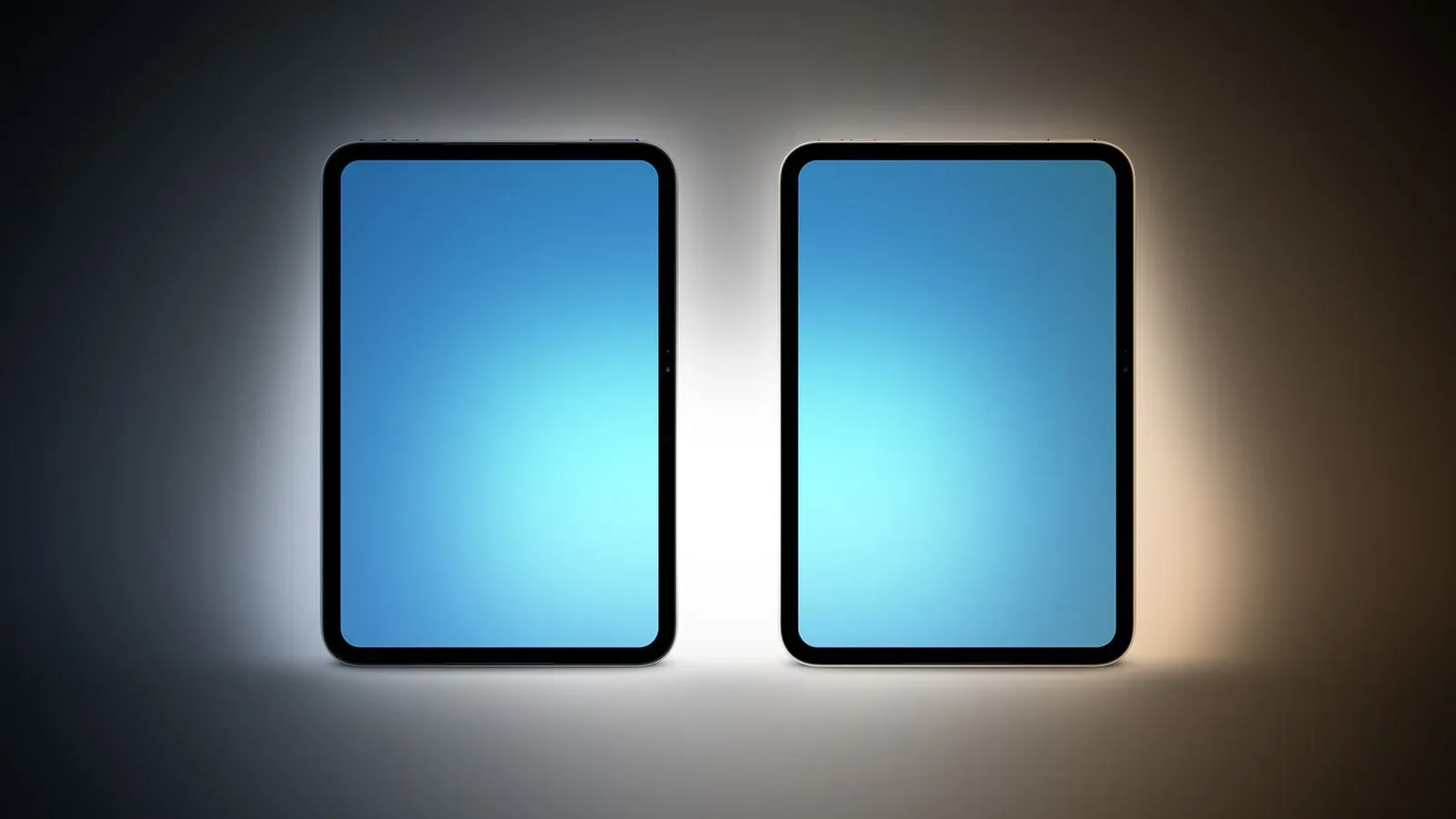
The other major expected shift is from an LCD display to a slightly larger OLED panel, accompanied by slimmer bezels. OLED, short for organic light-emitting diode, differs from LCD because individual pixels can emit their own light. In simple terms, that allows pixels to switch off for black areas of an image, producing true blacks and a higher contrast ratio. The reported benefits include richer color and better overall image quality than the current LCD-based iPad mini.
For a device aimed at portability, display quality is not merely cosmetic. A compact tablet is often held close to the face, whether it is used for video, reading, art, browsing or games. Deeper blacks and higher contrast can make dark scenes and interface elements look more distinct, while the slightly larger panel and reduced borders could make better use of the device’s front surface without changing its basic identity as a smaller iPad.
There is one important caveat: the refresh rate is unresolved. Apple has apparently tested both 60Hz and 120Hz options. Refresh rate describes how many times a screen updates per second. A 60Hz panel refreshes 60 times each second; a 120Hz panel refreshes 120 times. Apple’s ProMotion branding refers to its higher-refresh-rate display technology.
A 120Hz result could make scrolling, animation and fast-moving visuals appear smoother, but there is no confirmation that it is the version Apple will use. Buyers should not assume ProMotion is included simply because it was tested. That distinction matters because OLED and 120Hz are separate upgrades: the former concerns the display technology and its image characteristics, while the latter concerns update frequency and perceived motion smoothness.
Camera placement and audio may be getting practical redesigns
The front camera is expected to move to the landscape-oriented position. In portrait use, that means it would sit in the right-side bezel rather than the top bezel. This is a small physical alteration with a straightforward purpose: when the tablet is held horizontally, the camera is positioned more naturally for video calls.
Apple is also rumored to be redesigning the speaker system. The report describes a design without speaker holes and says an iPhone earpiece-style speaker may be placed in the top bezel. That remains a particularly tentative detail, so it is best viewed as a design possibility rather than an established specification. If accurate, it would signal an effort to make the tablet’s exterior look cleaner while changing how sound is routed from the hardware.
Neither feature necessarily tells us how audio or video calling will perform in practice. Placement, tuning and software processing are all important, and no confirmed testing details are available. What the report does indicate is that Apple may be reworking several everyday touchpoints rather than merely inserting a new chip into the existing chassis.
Wi-Fi 7, Bluetooth 6 and cellular modem questions
Connectivity is another reported area of change. The iPad mini 8 is expected to include Apple’s custom-designed N1 chip with Wi-Fi 7 and Bluetooth 6 support. Wi-Fi and Bluetooth are both wireless standards, but they serve different roles: Wi-Fi connects the tablet to local networks and internet access points, while Bluetooth commonly connects accessories and nearby devices.
Support for newer standards does not guarantee that every owner immediately receives their maximum benefits. A compatible network or accessory is required to take advantage of a given standard’s capabilities. Still, including Wi-Fi 7 and Bluetooth 6 would position the device for newer wireless environments and peripherals.
For cellular versions, the device may use either Apple’s C1X or C2 modem. A modem is the component that handles a cellular connection. The uncertainty over which model appears in the iPad mini 8 is meaningful, and there is no basis here for declaring one outcome final. Buyers who rely on cellular data should wait for the official technical specifications rather than make a purchase decision around an unconfirmed modem name.
Water resistance could be a first for the iPad mini
The report says the iPad mini 8 could gain IP-rated water resistance for the first time. An IP rating is a formal classification associated with protection against intrusion, including water under specified test conditions. Crucially, the expected rating itself has not been provided. That means it would be premature to interpret the claim as permission to submerge the tablet or expose it to any particular circumstance.
Even so, an official water-resistance rating would be a meaningful durability addition to a device meant to travel easily. The exact rating, its stated test conditions and Apple’s warranty language would all be necessary before drawing practical limits from it.
Price could be the catch
In the United States, the current iPad mini begins at $599. That starting price followed a $100 increase in June, attributed by Apple to rising RAM and storage chip costs. The next model’s reported OLED display is a more costly component, creating the possibility of another increase.
There is no reported price for the iPad mini 8, so any figure beyond the current $599 starting point would be speculation. But cost is likely to be central to the eventual verdict. The rumored package is broad: a newer processor, 12GB of RAM, an OLED display, thinner bezels, revised camera placement, upgraded connectivity, a possible new speaker approach and water resistance. Whether those additions feel like compelling value will depend on Apple’s final configuration and price.
The current iPad mini already carries the A17 Pro, so a prospective buyer is not comparing an older device with no modern performance baseline. The reported iPad mini 8 case is instead about the cumulative effect of several upgrades—especially OLED, memory and graphics capability. With the display’s 60Hz-versus-120Hz decision, cellular modem and pricing still unsettled, the official reveal would need to fill in the details that matter most.