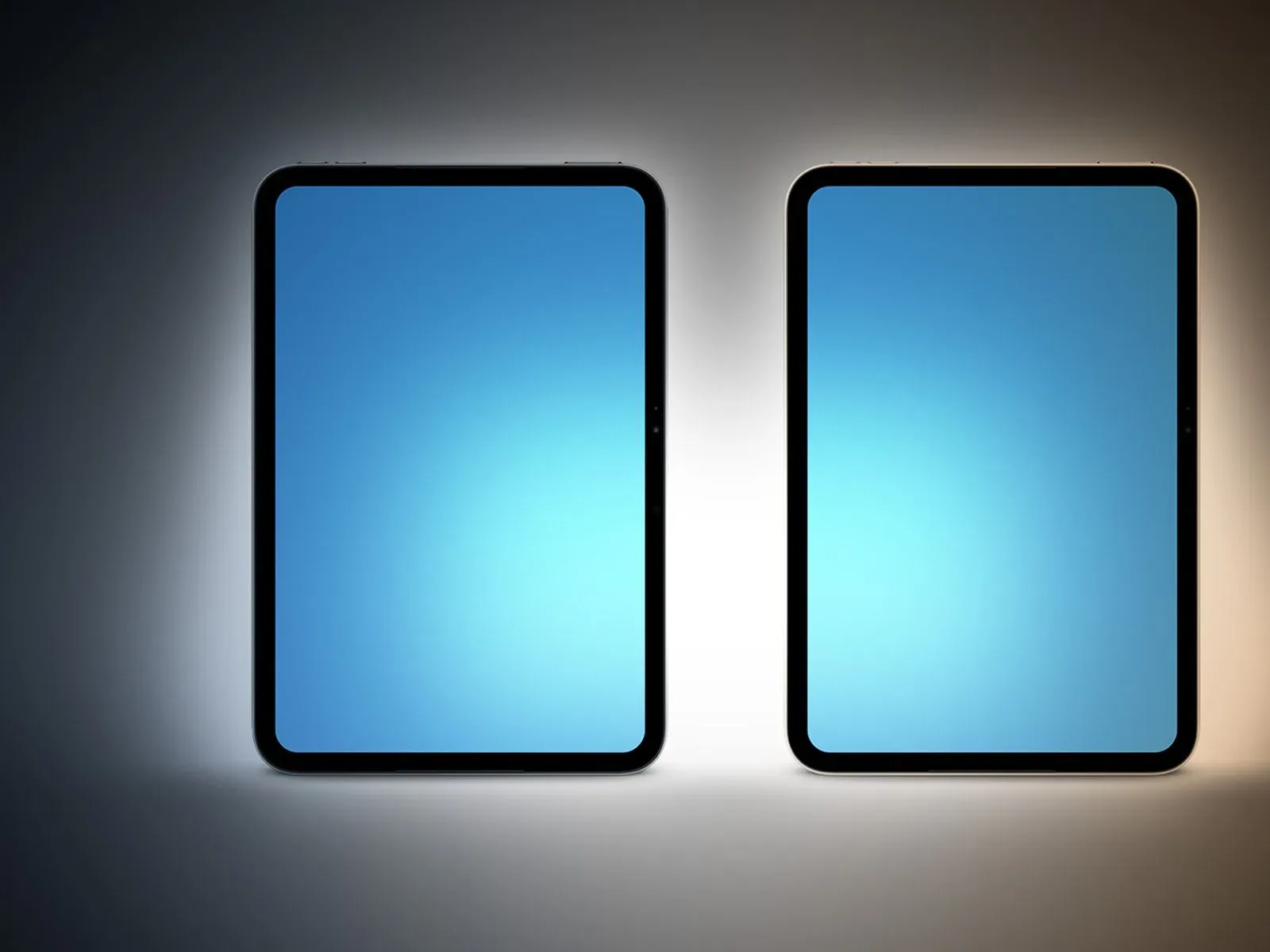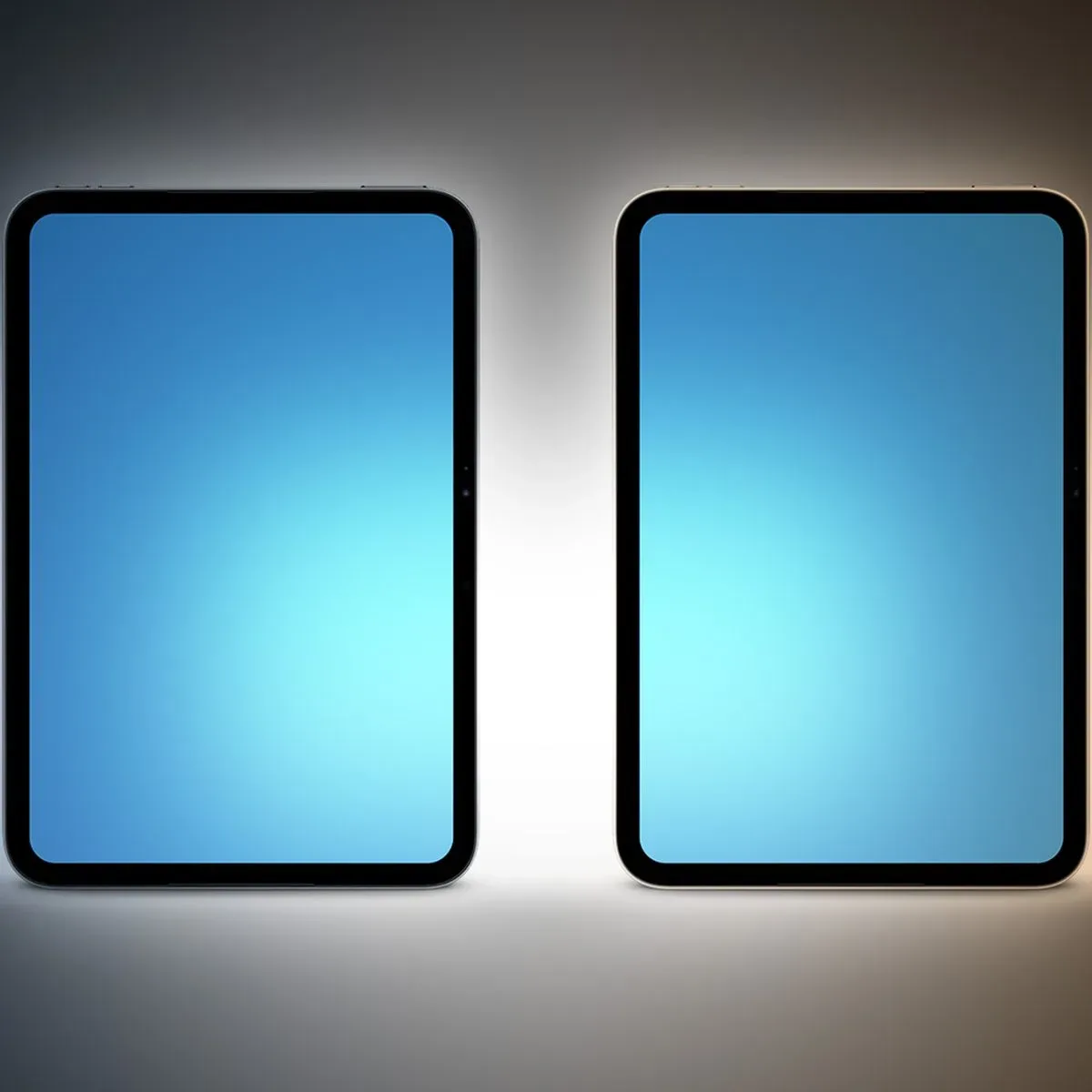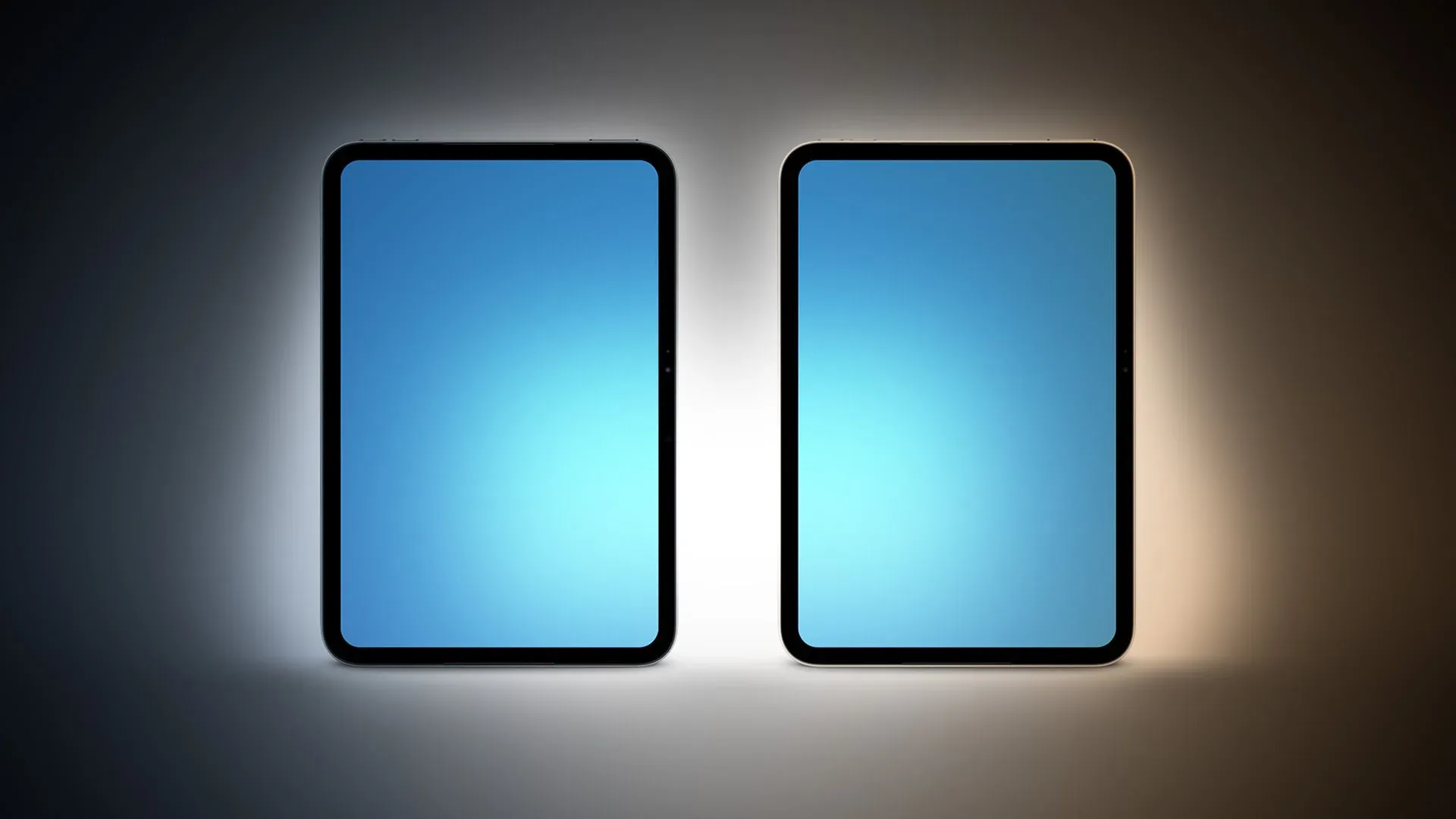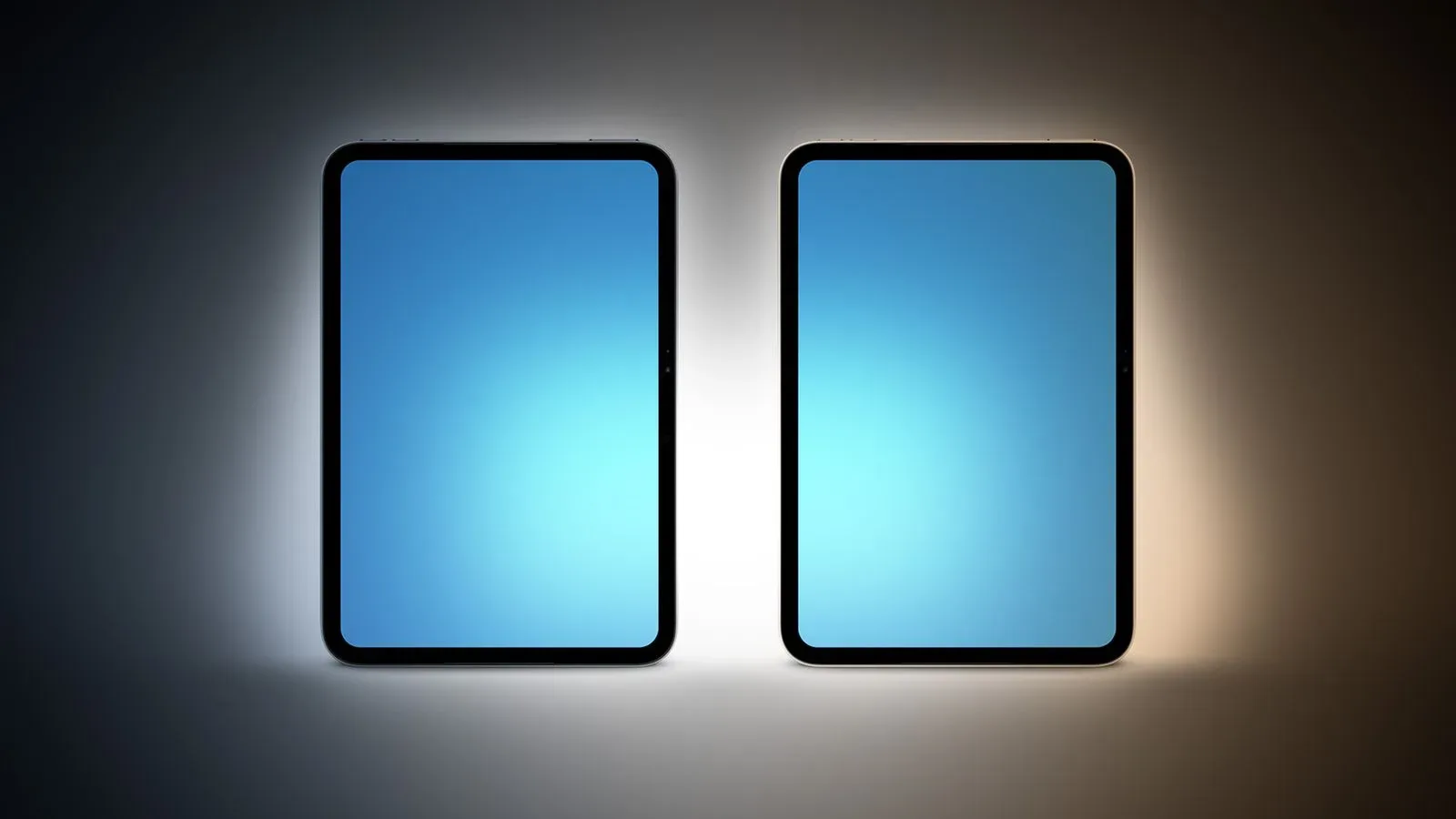
Apple’s next iPad mini may be much closer than its quiet product cycle has suggested. Details apparently found in Apple code point to three notable changes for the compact tablet: an A20 Pro chip, a front-facing camera repositioned for landscape use, and a revised speaker arrangement. Product imagery embedded in the same material reportedly shows the front of the device, offering a clearer look at the camera and display changes even while leaving its rear and sides out of view.
There is an important line between what these materials appear to show and what remains less certain. The A20 Pro reference, landscape camera placement and a small groove at the top edge of the display glass are the strongest details in the leak. Water resistance, an unusual vibration-based speaker system, a somewhat larger screen and OLED technology have also been reported or rumored, but cannot be treated as confirmed from the visible device images alone.
For players who use a small tablet as a second screen, a portable game-streaming display, a touch-first indie machine or simply a big-screen companion for their phone, this is potentially a more meaningful refresh than a basic processor swap. It also sounds like an iPad mini designed around how people increasingly hold tablets: sideways.
What the leaked material appears to establish
The headline hardware change is the A20 Pro. Apple has not officially detailed a next-generation iPad mini in the supplied information, so the practical performance profile, graphics capabilities, memory configuration and software support of this chip are unknown. Still, a newer “Pro” class system-on-a-chip would represent the central internal upgrade indicated by the code.
A system-on-a-chip, often shortened to SoC, is the main silicon package that combines core processing functions in a mobile device. It is not just a traditional CPU. It typically encompasses graphics processing and other specialised components as well. That matters for an iPad because a newer chip can affect everything from the speed of apps to game rendering, responsiveness and how long the device remains suitable for future software features. The leak itself does not provide benchmarks, so it would be premature to attach performance claims to the A20 Pro name.
The other clear change is physical: the front camera is reportedly being moved to the landscape edge. This would make the next mini the last iPad to adopt that orientation. The decision addresses a very ordinary but persistent tablet problem. When a user props a tablet horizontally for a video call, the camera on a portrait-oriented edge can sit off to one side. A landscape placement puts it in a more natural central position for that use.
That may seem like a small adjustment, but it is a quality-of-life improvement with direct relevance to remote play setups and multiplayer sessions. A compact tablet placed on a stand in landscape orientation is a straightforward screen for chatting with friends while streaming a game or sharing a browser-based map, guide or build. Centered framing will not improve a game’s frame rate, naturally, but it should make the device feel less awkward in the role it is already likely to occupy.
The leaked front imagery also shows the volume controls and power button staying along the top edge. That is a useful reminder that not every part of the exterior is being rethought. With no rear or side imagery described, there is no basis to claim a redesigned chassis, altered rear camera system, changed port arrangement or new accessory connection.
A small display groove could signal a larger audio rethink
The more curious visual detail is a small groove cut into the top of the display glass, likened to the treatment on the iPhone. It is presumed to be related to the speaker. On its own, a groove is not a full explanation of the audio system, its loudness or its sound quality. But it lines up with separate reporting that the next iPad mini could use an all-new vibration-based speaker and gain water resistance.
A vibration-based speaker is, in simple terms, an audio approach that uses vibration to create sound rather than relying exclusively on a conventional exposed speaker opening. The materials supplied here do not explain the implementation, audio tuning or engineering trade-offs, so those elements remain unknown. The relevance of the reported design is that it could help explain why a visible speaker-related feature is being integrated into the display area and why water resistance has entered the discussion around the device.
Water resistance is also a term worth handling carefully. It does not automatically mean a device is waterproof, nor does this leak include a rating, testing standard or usage guidance. Until Apple provides those specifics, prospective buyers should not assume any particular protection from splashes, rain or immersion. The potential feature is notable, especially for a compact tablet built to travel, but its real-world meaning depends on the final specification.
Audio changes could have obvious gaming implications, although there is not enough evidence to promise an improvement. Portable games, streamed games and videos all put pressure on a small device’s speakers. A different speaker architecture may be intended to change the physical design, increase durability, or both; whether it materially changes clarity, bass, volume or stereo separation cannot be determined from the available details. Headphones and external controllers remain the sensible answer for anyone who needs predictable private audio or wants to avoid covering parts of the tablet with their hands.
Why landscape camera placement matters more on a mini
The iPad mini’s appeal has long been its small form factor. That compact size makes it easier to carry, but it can also make the orientation of controls, cameras and speakers more consequential. On a large tablet, a misplaced webcam can be an annoyance. On a compact model frequently held close, propped against a case or mounted beside a controller, placement becomes part of the everyday ergonomics.
Landscape is the default orientation for most game streaming interfaces, many games that support controllers, video viewing and desktop-style multitasking. Moving the selfie camera to that edge is a sign that the mini is joining the rest of the iPad range around that behavior. It should also be helpful for ordinary calls, presentations and online meetings, with the user more likely to sit centered in the frame.
It is not, however, evidence that Apple is making a dedicated gaming tablet. Nothing in the leaked material describes gaming controls, specialised cooling, display refresh rate, controller bundles or game-specific software. The likely benefit is broader: the next mini may be better aligned with the way a compact tablet is already held when doing almost anything that is not reading vertically.
OLED and a larger display remain in the rumor column
The next iPad mini is rumored to have a slightly larger screen and an OLED display. Those are substantial claims, but they need to stay separate from the elements visibly supported by the leak.
OLED is a display technology in which pixels generate their own light. In general terms, that can allow very deep blacks because a pixel can switch off, and it can offer strong contrast. But display quality is not determined by the panel label alone. Brightness behavior, colour tuning, refresh rate, power use, durability and software calibration all matter. None of those specifics are included here, and the reported front images do not establish that the screen is OLED.
The same caution applies to the possibility of a slightly larger display. “Slightly larger” does not tell us the dimensions, resolution, bezel size or the method Apple might use to create more screen area. It could be a change to the chassis, the borders around the panel, or both. Without official measurements, it is best viewed as an expectation rather than a shopping decision.
For gaming, a better display can be as tangible as a faster chip, especially on a small screen where interface clarity matters. Yet no display response metrics, refresh-rate information or game compatibility changes are available. The sensible takeaway is not that an OLED mini is guaranteed, but that it is one of the most consequential unresolved parts of this story.
What a near-term launch signal does—and does not—mean
The presence of apparent product material inside Apple’s own code suggests the device could launch soon. One expectation places a release by the end of October, but there is no official announcement, launch date, price, storage lineup or regional availability in the supplied information.
Leaks from internal code can be more concrete than vague supply-chain chatter because they may reveal product names, images or feature references closer to software preparation. They are still not a substitute for a final product announcement. Plans can change, images may not reveal every specification, and a reference in code does not answer every question a buyer needs answered.
That uncertainty is particularly relevant for anyone weighing a purchase today. The evidence supports waiting for official details if the A20 Pro, camera relocation or potential display and durability upgrades matter to you. It does not support assumptions about a price change, exact release day, battery life, accessory compatibility or a particular gaming performance tier.
The broader Apple hardware picture is also worth watching alongside the mini, particularly as the company’s recent mobile hardware discussion has put more emphasis on control and proof in imaging features. Apple’s recent iPhone 18 Pro camera direction provides useful context for how interface details and hardware placement can become part of a larger usability story, even when the iPad mini’s own rear design remains unseen.
The practical read for current and prospective iPad mini owners
- Most credible changes: the A20 Pro reference, a landscape front camera, the top-edge display groove and top-mounted power and volume buttons.
- Reported but not confirmed from the visible material: water resistance and a vibration-based speaker system.
- Rumored rather than established: a slightly larger screen and OLED display.
- Still unknown: price, launch day, storage capacities, battery life, rear-camera design, side profile, screen specifications, ports and accessories.
The emerging picture is of a small iPad receiving both a modern internal chip and several design adjustments aimed at how it is actually used in horizontal orientation. The camera relocation is the easiest change to understand immediately. The speaker and water-resistance reports are potentially more ambitious, but need final specifications before their value can be judged. The OLED question remains the largest unanswered upgrade rumor.
For now, the next iPad mini looks less like a cosmetic refresh and more like a carefully targeted update: faster silicon, a camera placed where video callers expect it, and a possible rethink of the device’s sound hardware. That combination could make the smallest iPad more capable as an everyday portable screen, without providing enough evidence yet to define the full scale of the upgrade.