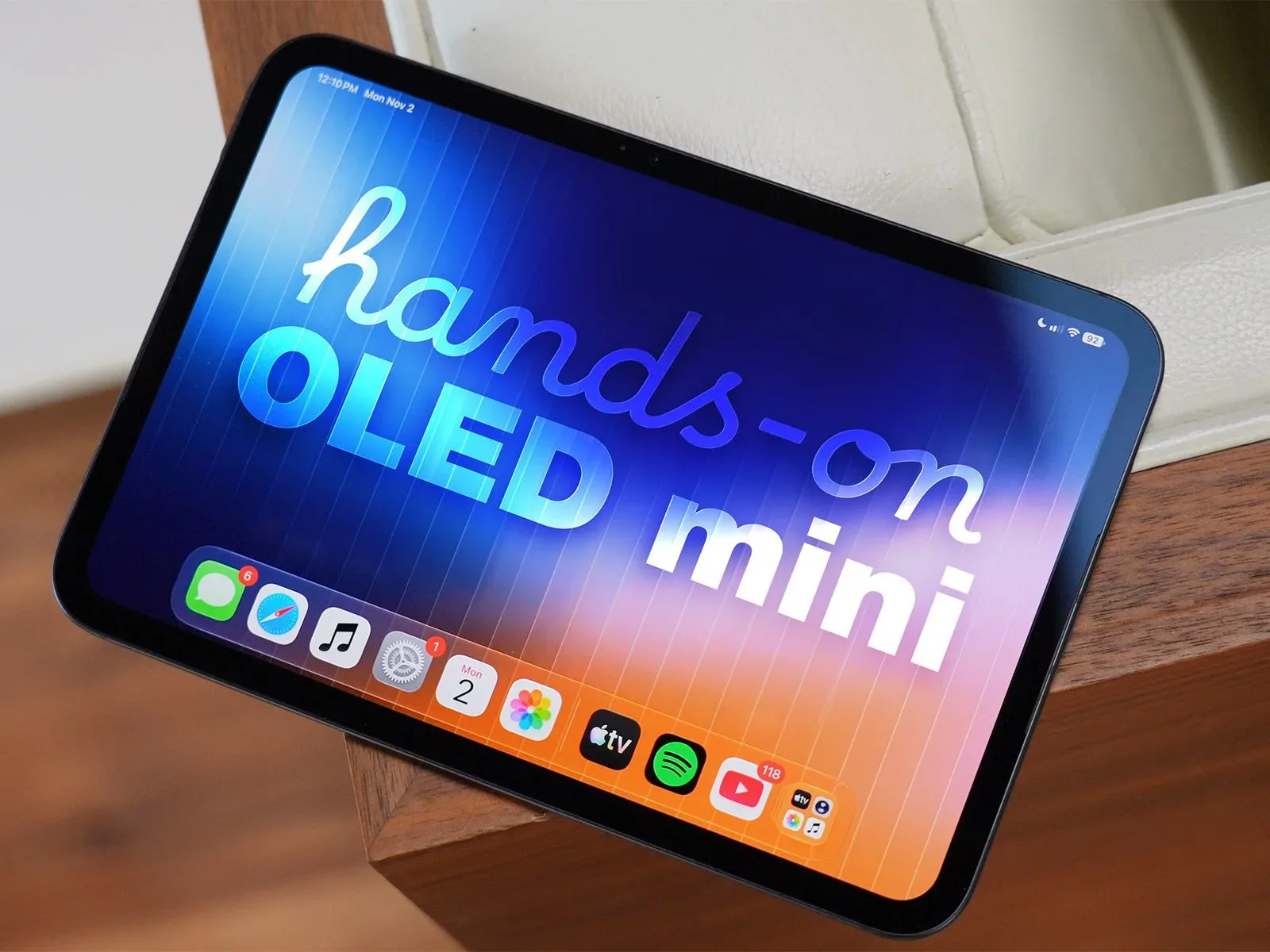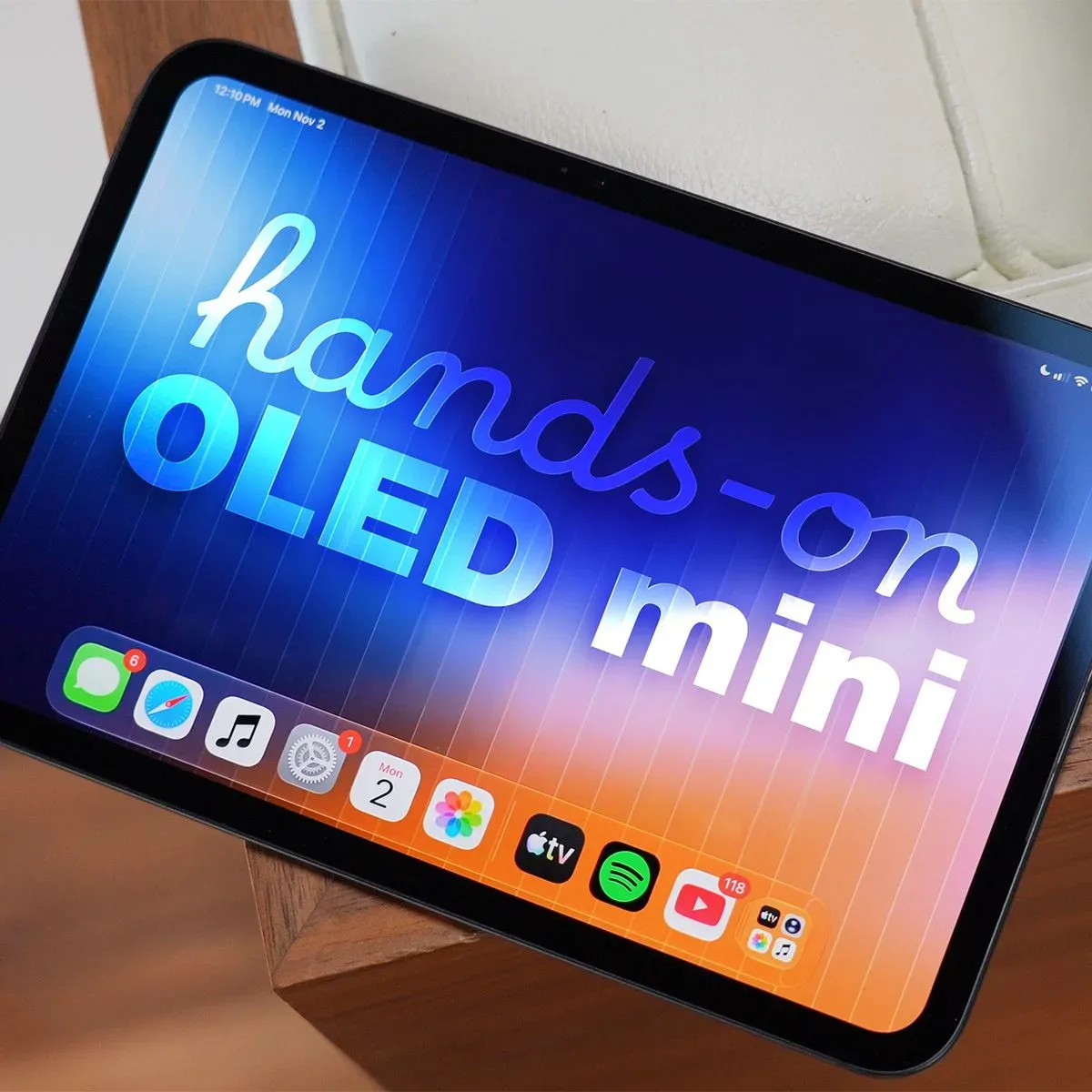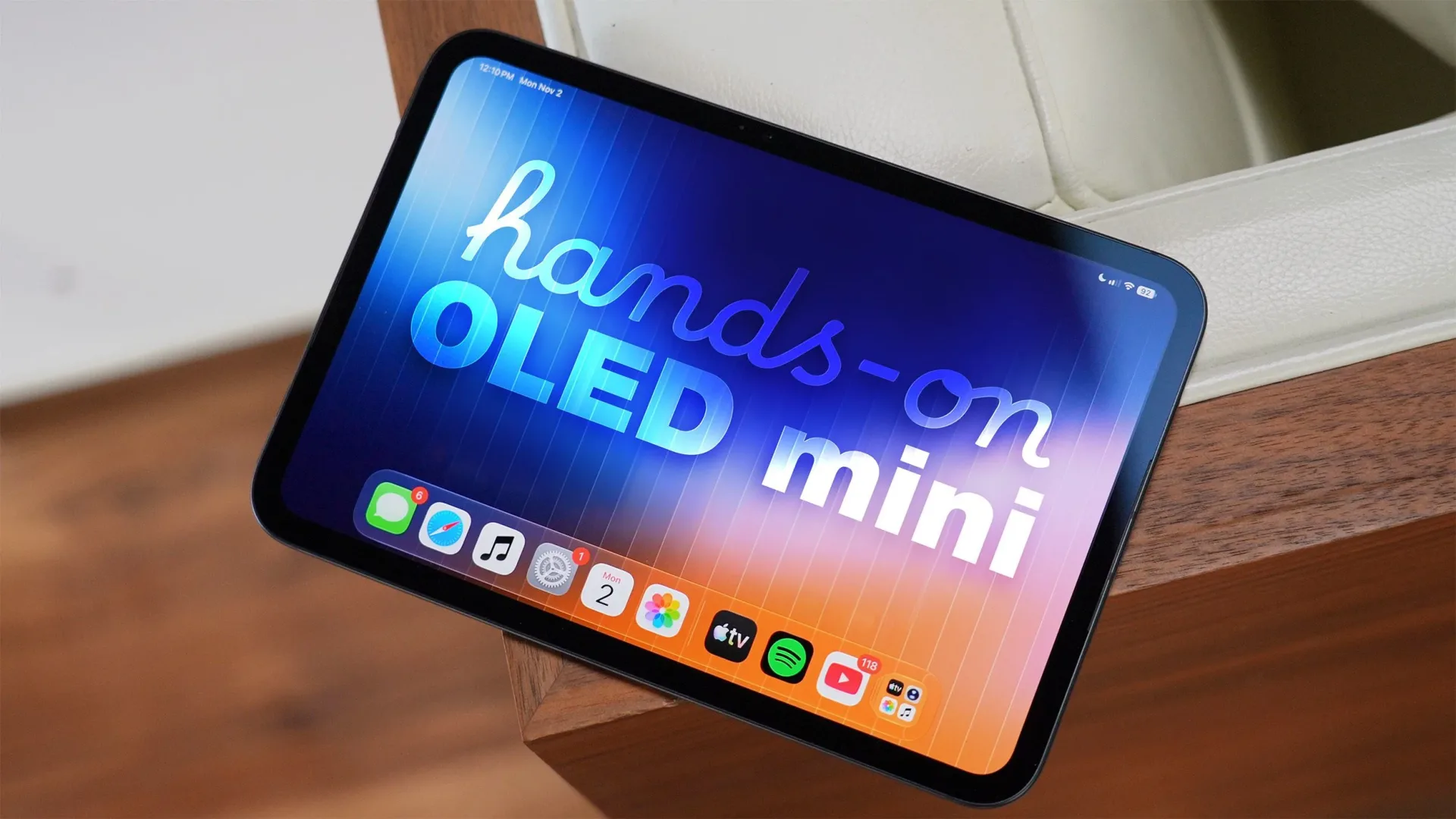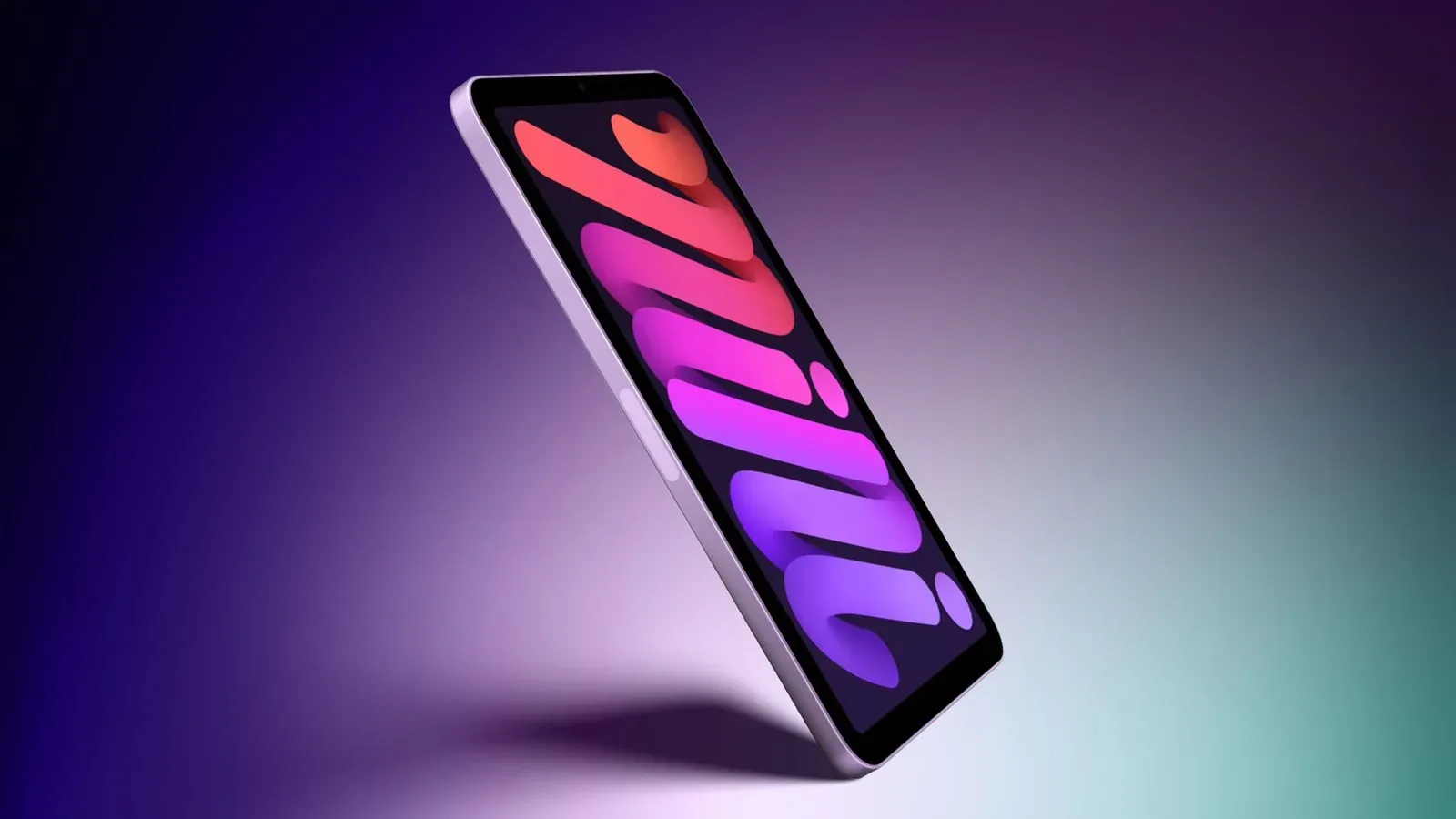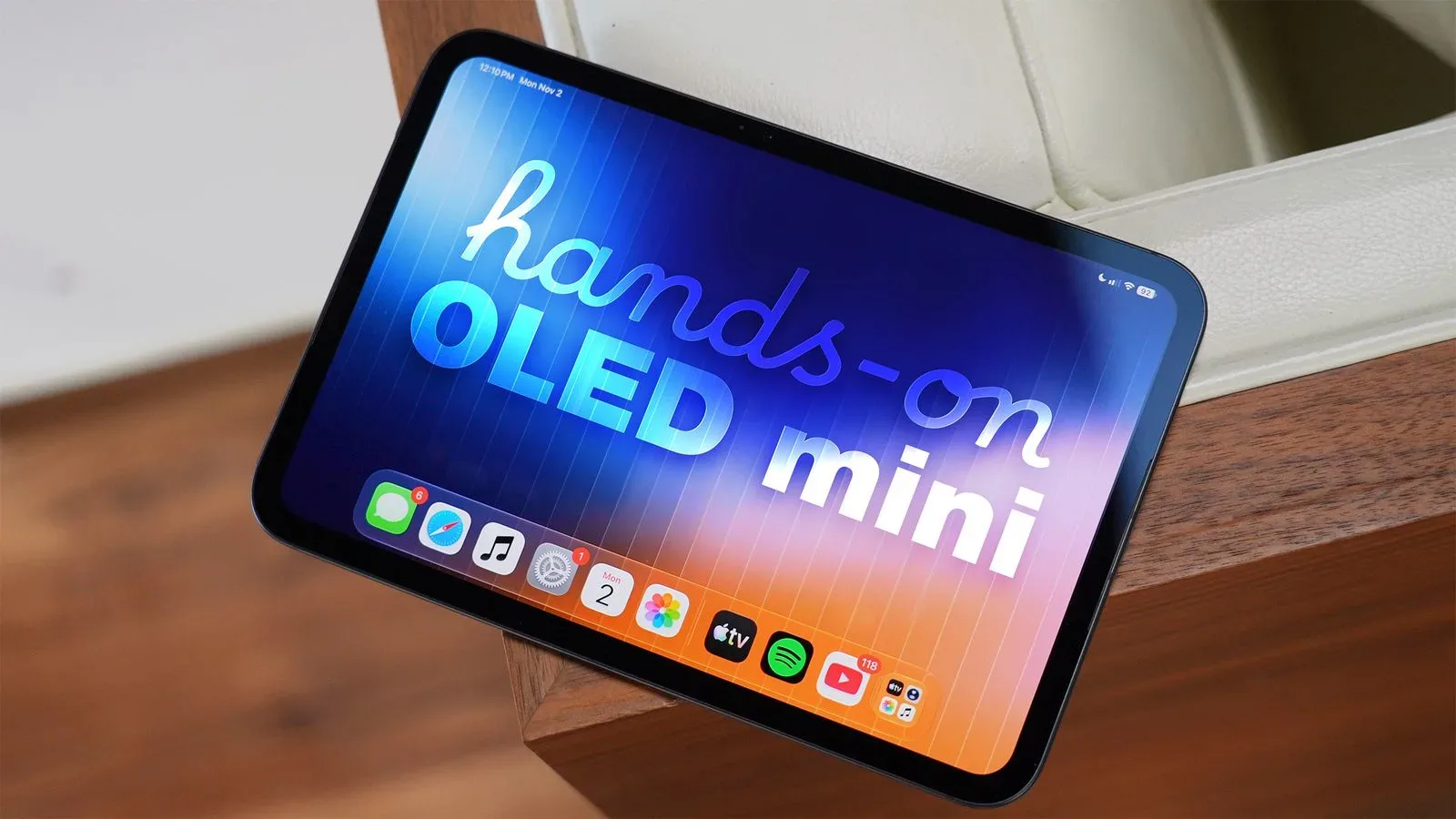
Apple’s new OLED iPad mini is scheduled to launch Friday, November 6, bringing a substantial screen upgrade, a markedly lighter chassis and a flagship-class chip to the company’s smallest tablet. It starts at $699 with 128GB of storage, a $100 rise over the prior A17 Pro iPad mini at its immediate previous price.
For players who want a compact screen for games without committing to a larger tablet, the appeal is straightforward: this is an 8.5-inch iPad that weighs 255 grams, uses OLED technology, has 12GB of memory and carries the A20 Pro processor found in the iPhone 18 Pro. There are meaningful caveats, though. Most notably, the OLED iPad mini has a 60Hz display rather than the 120Hz ProMotion panel offered on the iPad Pro. It is a premium small tablet, but not a fully shrunken iPad Pro.
The headline change is OLED, not a new footprint
The display grows from 8.3 inches to 8.5 inches while the overall device remains about the same size. Slimmer bezels account for the added screen space. That is a relatively measured physical change, but it matters on a small tablet: more display area is available without giving up the one-handed or bag-friendly character that defines the mini line.
OLED is the panel technology that allows individual pixels to switch off. In practical terms, that produces deep blacks rather than the gray-black appearance that can occur when a conventional backlight is still active. Apple’s OLED iPad mini is also described as offering higher contrast, brighter output than its predecessor and a more lifelike presentation of HDR content.
HDR, or high dynamic range, refers to content that preserves a wider range between dark and bright areas. On a suitable screen, it can make bright highlights and dark scenes look more distinct rather than compressed toward the middle. For games and video, OLED’s chief attraction is not merely punchier colors; it is the combination of contrast and pixel-level black control. That can be especially noticeable in dark interfaces, nighttime scenes and games built around heavily shadowed environments.
Higher-end configurations can also be ordered with nano-texture glass, an option available on the iPad mini for the first time. Nano-texture is designed to reduce glare. It is a practical consideration for anyone who uses a tablet near windows, outdoors or under strong overhead lights, where reflections can be more disruptive than raw display brightness.
OLED does not mean ProMotion
The biggest limitation is refresh rate. The iPad mini remains at 60Hz, meaning the display updates up to 60 times per second. ProMotion, Apple’s 120Hz adaptive-refresh display technology, is absent.
A higher refresh rate can make scrolling, interface movement and supported games appear smoother because the screen has more opportunities each second to show a new frame. It does not automatically make every game run faster; software performance and frame-rate support still matter. But users accustomed to 120Hz devices may notice that navigation and motion on the iPad mini are less fluid by comparison.
This is the central buying distinction. The OLED panel should make the image quality a major improvement over the prior mini, particularly in contrast and HDR presentation. Yet the device does not offer the 120Hz responsiveness associated with the iPad Pro. Buyers prioritizing screen quality in a small form factor have a compelling new option. Buyers for whom high-refresh motion is non-negotiable should recognize that this is an intentional boundary between the mini and Pro families.
A tiny weight number with real portability value
The new model is 255 grams, down from 293 grams, and is described as the lightest iPad Apple has made. It is also a millimeter thinner. Neither specification sounds transformational in isolation, but a handheld device is experienced through sustained use rather than a spec-sheet glance. Less mass is relevant when reading, watching video, using touch controls or simply carrying a tablet alongside other devices.
That compactness is the iPad mini’s more distinctive proposition. A bigger tablet may create a more expansive canvas, but the mini is designed around being readily held and carried. The addition of an OLED panel means portability no longer requires accepting a less advanced screen technology.
Apple continues to use Touch ID on the iPad mini. The device will be available only in midnight and starlight, replacing a more playful color approach with two restrained finishes.
A20 Pro power, with a storage-linked specification difference
The iPad mini uses the A20 Pro, the same chip used in the iPhone 18 Pro. The 128GB and 256GB versions have a binned configuration with a five-core CPU and seven-core GPU. The 512GB version has a six-core CPU alongside the same seven-core GPU.
Binning is the practice of selling variants of a chip with different enabled core counts. Here, it means the top-storage iPad mini has one additional CPU core. The 512GB model is therefore the configuration to choose for buyers seeking the fastest version of this tablet. It is important, however, not to overstate that separation: the available information characterizes even the five-core model as more power than most tasks on a tablet this size will need.
That leaves the storage decision as more than a capacity question, albeit not necessarily a reason to upgrade on performance alone. The 128GB and 256GB configurations are positioned for fast everyday work, multitasking, photo and video editing, AI-related tasks and current games without slowdowns. The 512GB model adds the maximum CPU configuration for people who value that extra headroom along with larger local storage.
The tablet has 12GB of RAM, matching the base iPad Pro. RAM is the working memory used by apps and the operating system while tasks are active. More RAM can assist with keeping multiple applications and larger workloads available without needing to reload them. In this case, it also supports Apple’s stated direction for Siri AI and other Apple Intelligence features as those capabilities evolve.
Gaming is not presented as a separate hardware mode, but the fundamentals are encouraging: a modern A-series Pro chip, seven GPU cores across every storage tier, substantial memory and a portable 8.5-inch OLED display. The missing 120Hz panel is the compromise to keep in view, not a lack of general processing capability.
IP67 protection expands where a mini can safely travel
The redesign includes a sealed acoustic enclosure in place of traditional speakers and gives the iPad mini an IP67 water- and dust-resistance rating. It is the first iPad to carry that rating.
IP67 is an ingress-protection rating. The “6” denotes dust protection, while the “7” signifies testing for submersion in up to one meter of water for as long as 30 minutes. That does not turn the iPad mini into an underwater camera or a device that should be deliberately taken swimming. Its immediate value is more mundane and more useful: greater resilience around rain, accidental splashes, a poolside table or a bathtub.
For a device that emphasizes being carried everywhere, this is a significant practical addition. Small tablets tend to be the ones most likely to move between rooms, bags and outdoor spaces. An IP67 rating does not eliminate the need for care, but it gives the mini protection that older iPads lacked.
Connectivity, display output and Pencil support
An N1 chip supplies Bluetooth 6 and Wi-Fi 7 support. Those standards may offer connectivity improvements where compatible networks and accessories are available, though the iPad mini’s benefit will naturally depend on the equipment around it. Wi-Fi + Cellular versions add Apple’s C2 modem with sub-6GHz 5G support.
Through USB-C, the iPad mini can connect to a 4K external display and supports extended display mode in iPadOS 27. Extended display mode means the external panel can function as additional workspace rather than only duplicating the tablet screen. This adds a desktop-like option when the mini is at a desk, while preserving its small-screen convenience when it is not.
The device continues to support the USB-C Apple Pencil and Apple Pencil Pro. For creative work, annotation and precise touch input, existing compatibility remains an important part of the package. USB-C also now supports faster charging: the iPad mini can reach 50% in 30 minutes with a 35W or higher power adapter, which must be purchased separately if a buyer does not already have one.
Battery life is otherwise unchanged, with Apple citing up to 10 hours of web browsing or video playback. Those are specific usage estimates, not a guarantee for every workload. More demanding activities, including intensive games, can differ from video or web use.
Pricing and the real upgrade question
The iPad mini begins at $699 for 128GB, with 256GB and 512GB storage options as well as Wi-Fi + Cellular configurations. It costs $100 more than the A17 Pro model at the latter’s previous pricing, and $200 more compared with pricing before June.
The price is the unavoidable consequence of the mini’s more ambitious specification list. Buyers are not paying only for a marginal processor revision. The package adds OLED, a slightly bigger display within a similar body, slimmer bezels, a thinner and 38-gram-lighter design, faster charging, water and dust resistance, Wi-Fi 7 and Bluetooth 6, plus the A20 Pro and 12GB of RAM.
For owners of an iPad mini 6 or older who use the device frequently, the display, weight and protection changes form the strongest case for replacing it. For owners of the prior A17 Pro model, the decision is likely more personal: OLED, IP67 protection and the new design are tangible upgrades, while unchanged battery-life estimates and the 60Hz ceiling make it less of an automatic jump.
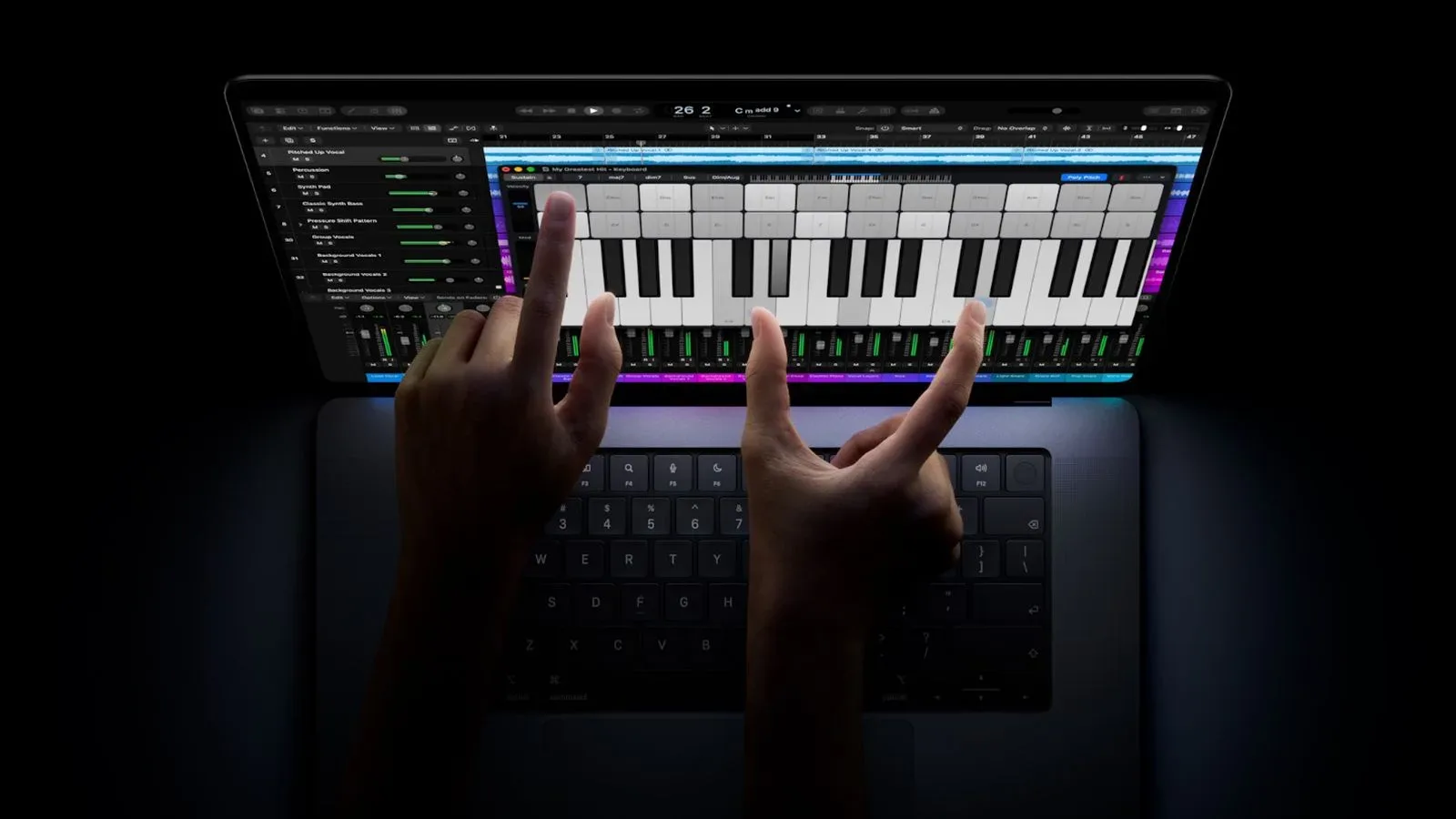
The iPad mini’s role has become clearer rather than broader. It is a very light, powerful, highly portable tablet with a premium OLED screen and a useful set of resilience and connectivity upgrades. It also deliberately stops short of ProMotion and the full iPad Pro feature set. Anyone choosing it should do so because that compact design is valuable, not because it is a substitute for every feature of Apple’s larger professional tablet line. For more context on Apple’s tablet strategy, see Apple’s position on keeping iPadOS and macOS separate.