Apple’s long-running answer to the question of whether the iPad and Mac will become one computer has not materially changed under CEO John Ternus: the company is not outlining a plan to merge iPadOS and macOS into a single operating system.
Asked during an earnings call whether closer links between Apple’s platforms could eventually point to a unified OS, Ternus said there were no “fundamentally different changes” planned. He also added an important qualification: Apple would not necessarily discuss such plans even if it had them. That makes the statement a clear description of the company’s current public position, rather than an ironclad promise about every distant product roadmap.
For people waiting for an iPad that behaves exactly like a Mac, or a Mac that fully adopts the iPad’s touch-first approach, the immediate takeaway is straightforward. Apple continues to treat the two as distinct products, designed around different ways of working, while sharing selected capabilities where doing so improves the wider ecosystem.
Separate operating systems, shared direction
An operating system is the core software layer that runs a device, manages hardware, launches apps and provides the interface through which people use it. iPadOS and macOS are Apple’s operating systems for iPads and Macs respectively. A merger, in this context, would mean replacing that split with one common platform rather than merely adding similar features to both.
Ternus instead framed Apple’s approach around making “the best version” of each product. His examples emphasized cross-device features and the ability for devices to work together, including handoff between iPhone, Mac and iPad.
Handoff is the kind of ecosystem functionality that lets activity move between devices rather than forcing users to start over. It illustrates the distinction at the heart of Apple’s position: devices can cooperate closely without running identical operating systems or having identical interfaces.
That distinction matters because feature overlap is not the same thing as platform unification. A Mac can gain a feature familiar to iPhone or iPad users without becoming an iPad. Likewise, an iPad can become more capable without adopting the complete desktop model of a Mac. Apple’s current stance appears to be that integration is valuable precisely because the devices retain their separate roles.
What Ternus actually said — and what remains uncertain
The analyst’s question referred to recent MacBook Pro changes and asked whether Apple’s platforms would become even more closely linked, potentially for simplicity or reduced costs. Ternus did not commit to that premise, announce a shared operating system, provide a schedule, or explain any technical roadmap for a merger.
“We don’t have any fundamentally different changes that we’re planning right now, nor would we talk about it anyway,” Ternus said.
His larger answer was more revealing than the short line alone. Apple is proud of both the Mac and the iPad, he said, and has enjoyed carrying features and capabilities across its ecosystem. But the goal he described was not uniformity for its own sake. It was making every individual product better while creating compelling experiences across them.
That wording leaves room for continued convergence in the everyday sense: common services, related interface ideas and features that travel between hardware categories. It does not establish that the company intends to consolidate iPadOS and macOS at the operating-system level.
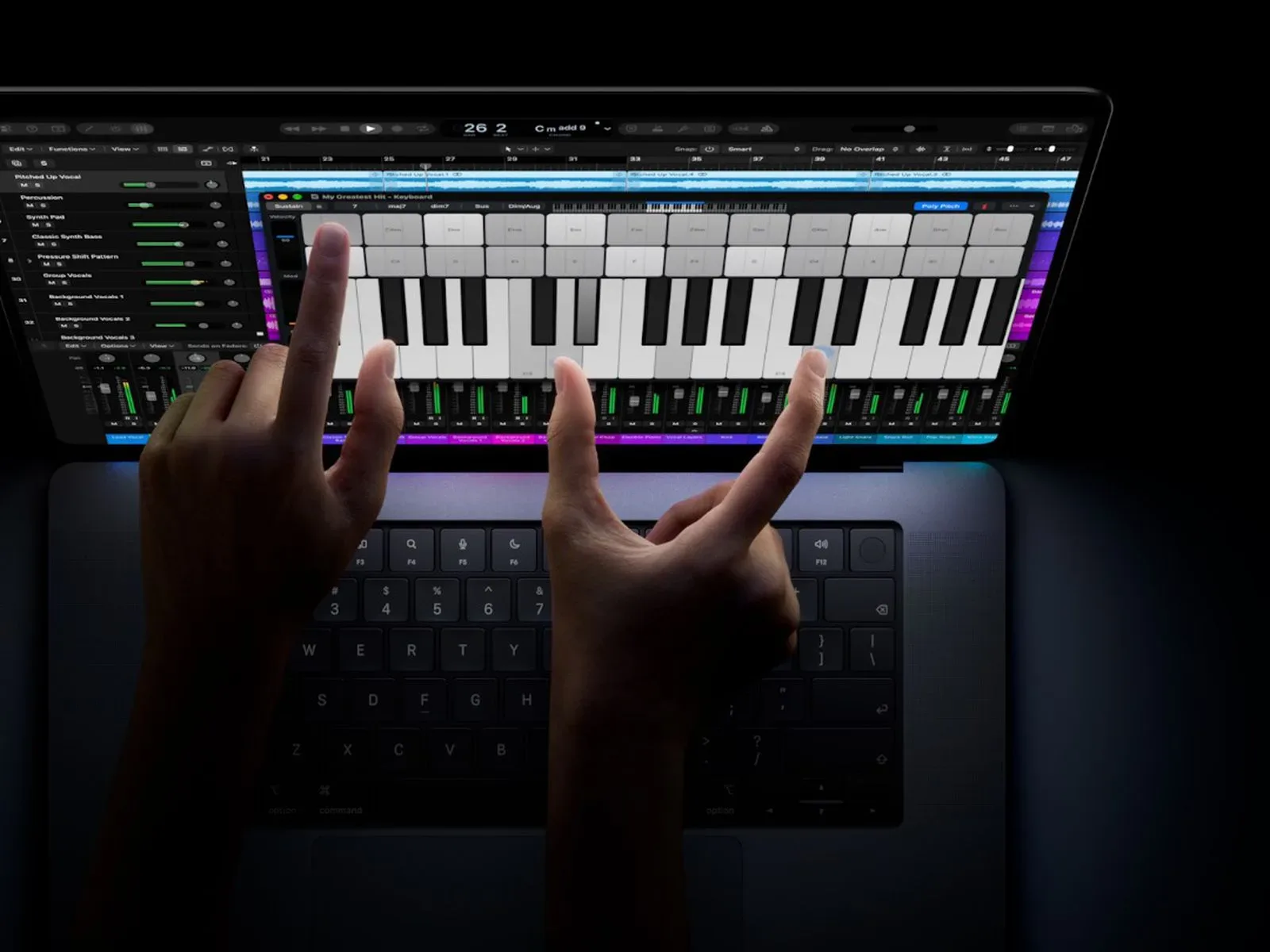
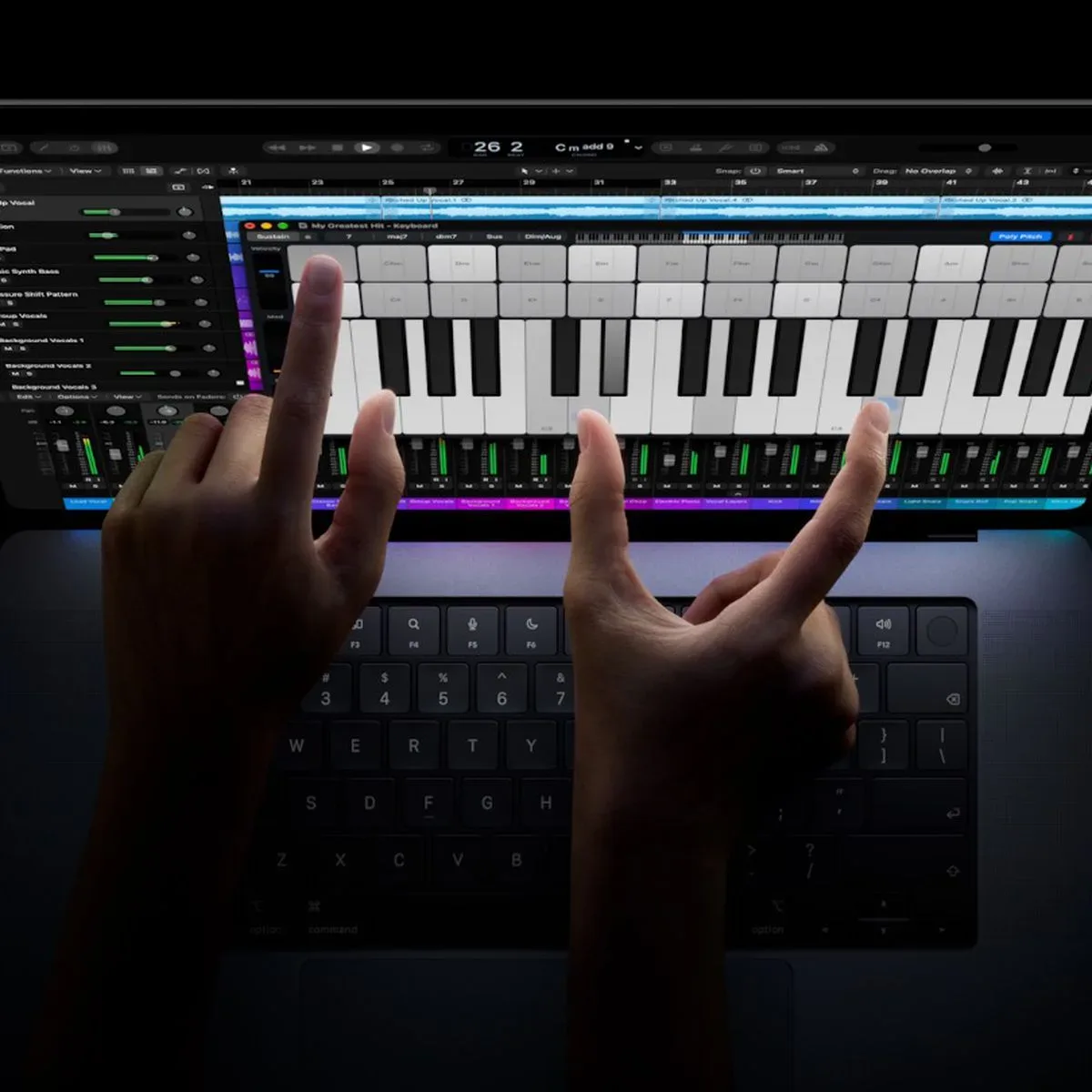
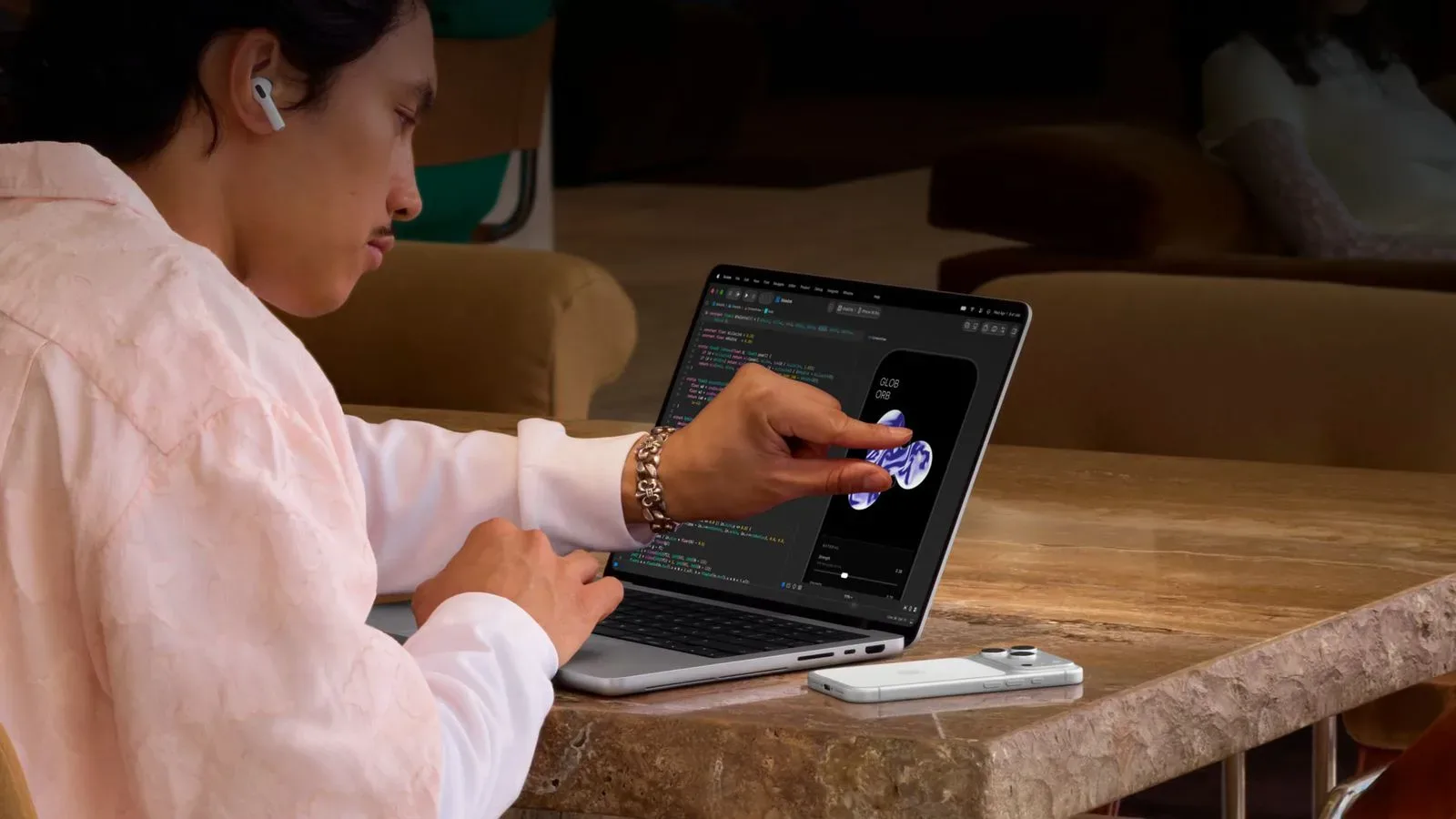
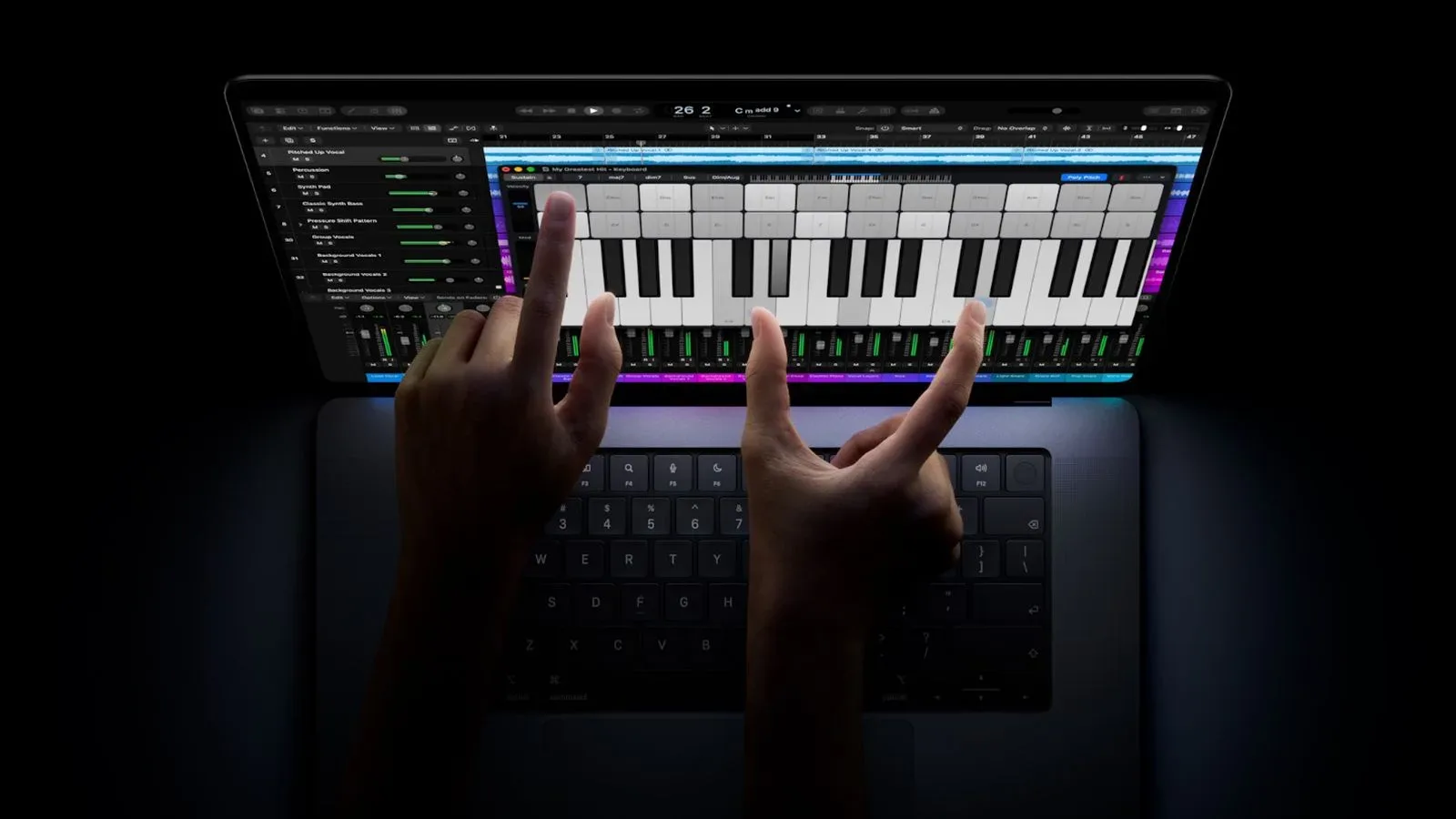
Readers should also separate confirmed information from an analyst’s framing. The analyst mentioned Touch, Dynamic Island and Siri AI in discussing MacBook Pro changes, but Ternus’s response did not independently confirm each part of that characterization. The directly stated product detail is that the new OLED MacBook Pro models have touchscreen functionality.
The “spork” argument is still Apple’s clearest philosophy
Apple software engineering chief Craig Federighi offered a memorable explanation of the company’s thinking in a 2025 interview. Discussing the prospect of merging iPadOS and macOS, he said Apple did not want to make “sporks” — a hybrid that is neither a good spoon nor a good fork.
The metaphor is blunt, but the product logic is easy to follow. A device designed around direct touch input can make different assumptions from a desktop computer designed around a conventional Mac workflow. Combining categories can be appealing in a feature checklist, yet it can also introduce trade-offs if the result tries to satisfy every use case with one interaction model.
That is an explanation of Apple’s stated design philosophy, not proof that one model is inherently better. Some buyers may still prefer a single device whose role flexes between tablet and laptop. Others may value clear separation: a portable touch device on one side, and a desktop-oriented computer on the other. Apple’s leadership is signaling that it sees the latter distinction as worth preserving.
Why overlap will probably keep growing anyway
A refusal to merge systems should not be read as a refusal to evolve them. Ternus explicitly highlighted the value of moving features and capabilities around the ecosystem, and Apple’s newer OLED MacBook Pro models adding touchscreen functionality are a concrete example of overlap expanding while macOS and iPadOS remain separate.
That approach can be less dramatic than unveiling “one OS,” but it is meaningful in practical terms. People who own an iPhone, iPad and Mac may care less about the label attached to the underlying software than about whether their work, information and habits move smoothly between screens.
- For iPad users: Apple’s position suggests that iPadOS is still being treated as an operating system with its own identity, rather than a temporary stop on the road to macOS.
- For Mac users: More iPhone- and iPad-adjacent ideas may reach Macs, but that does not presently signal macOS being retired or replaced.
- For owners of both: Cross-device continuity remains a central part of the pitch. The product strategy favors cooperation among devices instead of forcing a single device type to do everything in the same way.
- For buyers weighing a purchase: There is no public basis here to delay on the expectation of an imminent iPadOS/macOS merger. Apple has said no fundamentally different shift is currently planned.
Touchscreen Macs do not settle the merger debate
The touchscreen capability in the new OLED MacBook Pro models will inevitably revive familiar speculation. Touch has historically been associated with Apple’s mobile devices, so its presence on a Mac can look like a major step toward a single computing model.
But hardware input is only one part of a platform. A touchscreen can be added to a laptop without automatically changing how its operating system is organized, how applications behave or what the product is intended to be. The fact that Apple can bring a feature across categories is, in fact, consistent with Ternus’s description of the company’s existing strategy.
The more reasonable reading is not that the separation has vanished, but that Apple is willing to borrow useful ideas across its lineup. A merged OS would be a much broader decision involving the underlying software platform and product strategy. Nothing in Ternus’s answer announces such a decision.
A platform strategy built on coordination, not collapse
It is tempting to frame the iPad-versus-Mac discussion as a binary contest: either the systems merge or Apple falls behind. Ternus’s comments point to a third route. Apple can keep different operating systems, continue increasing their shared capabilities, and focus on the moments when multiple products work together.
That means the important question for users is likely to be less “When will there be one Apple OS?” and more “Which features work across the devices I already use?” A unified ecosystem can be experienced through continuity and coordination even when the operating systems beneath it remain distinct.
The company’s continued investment across its product lines is also relevant context; Apple’s recent spending trajectory is covered in our look at Apple’s R&D spending. That investment does not prove any particular iPad or Mac plan, but it underscores why Apple has room to improve different hardware categories in parallel rather than treating one as disposable.
For now, the official signal is unusually consistent. Macs and iPads may become more alike in carefully chosen ways, and they may become better at working together. But Apple’s top leadership is still defending the idea that similarity should not erase the distinct purpose of either platform.