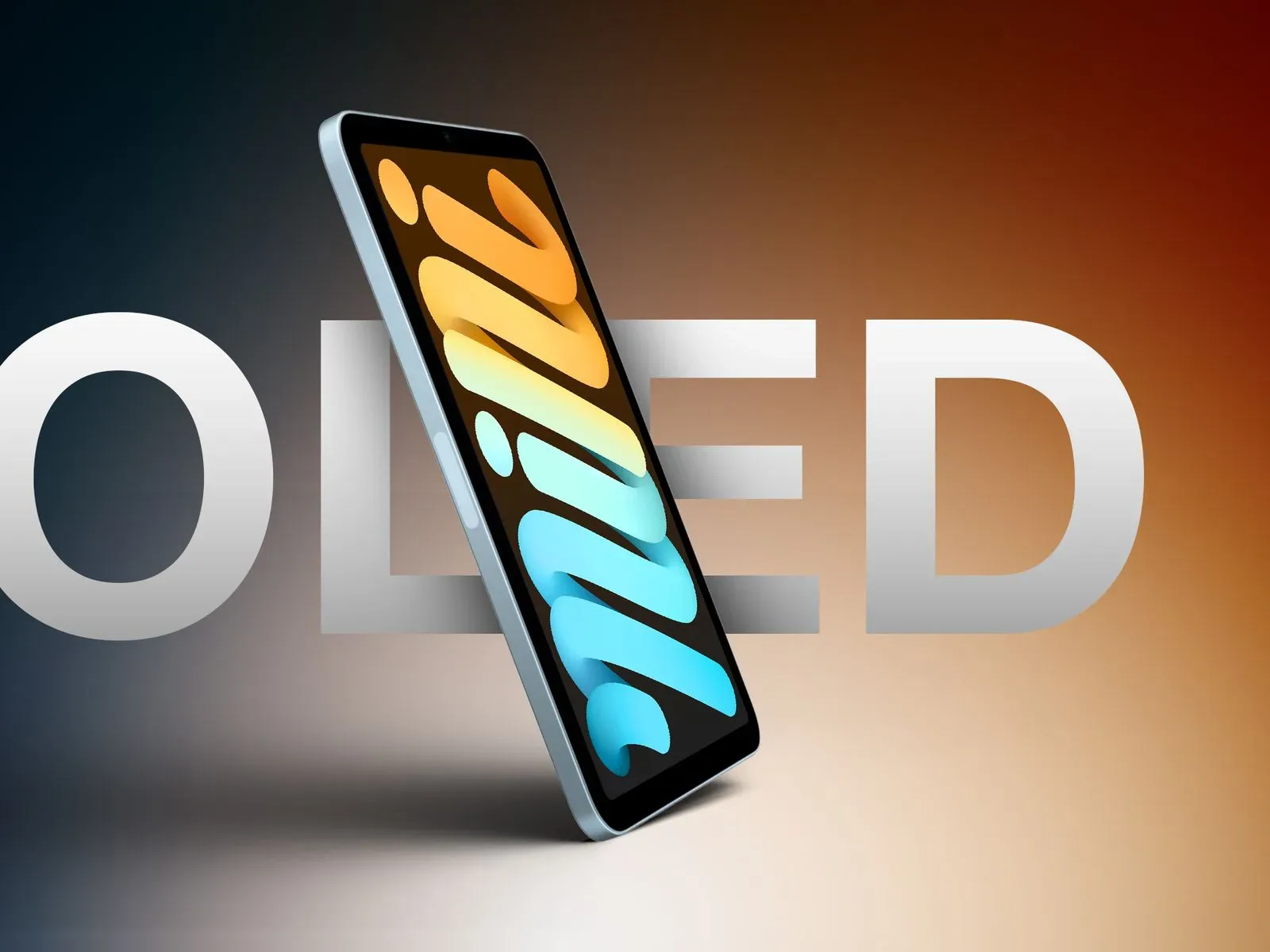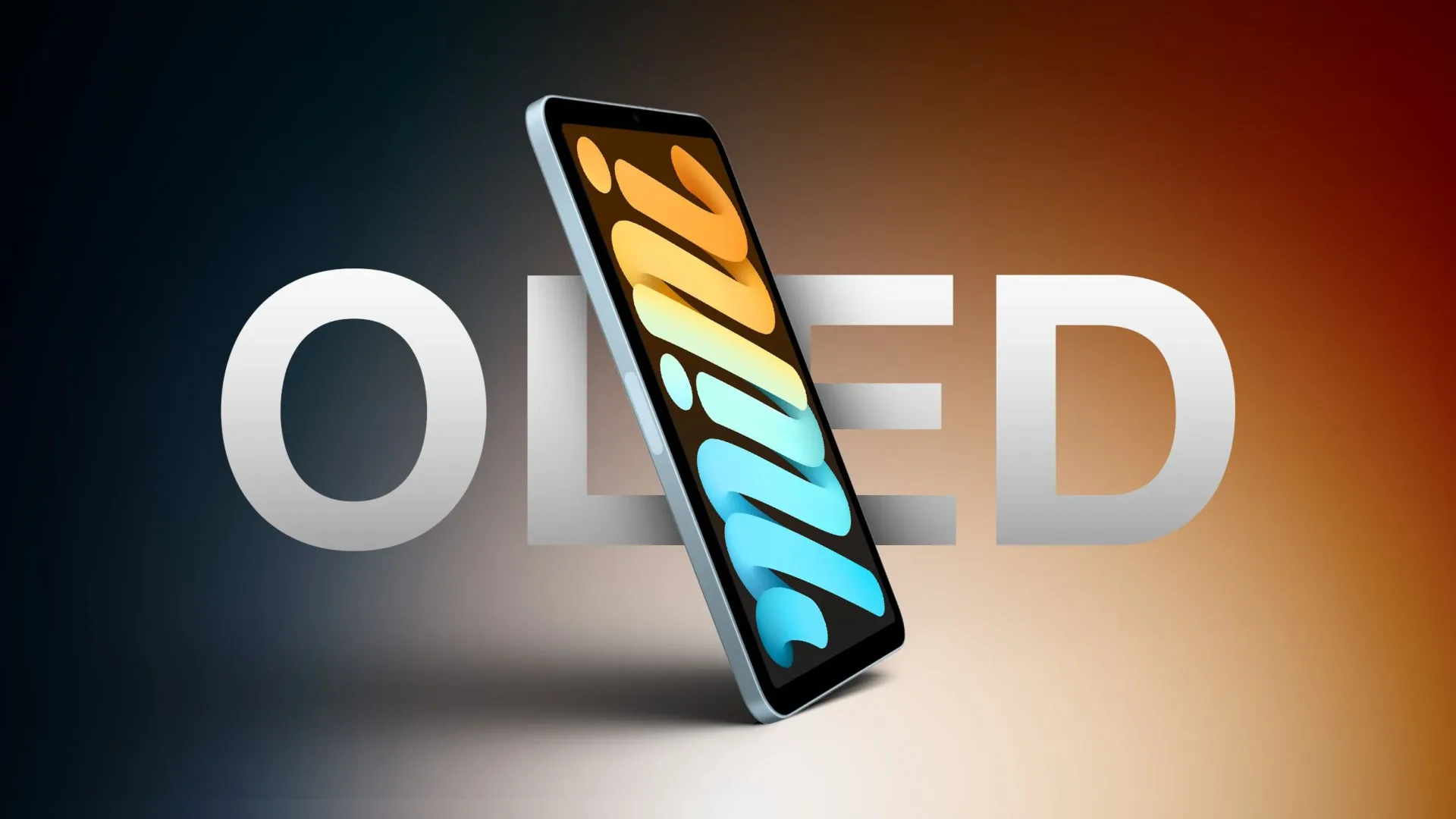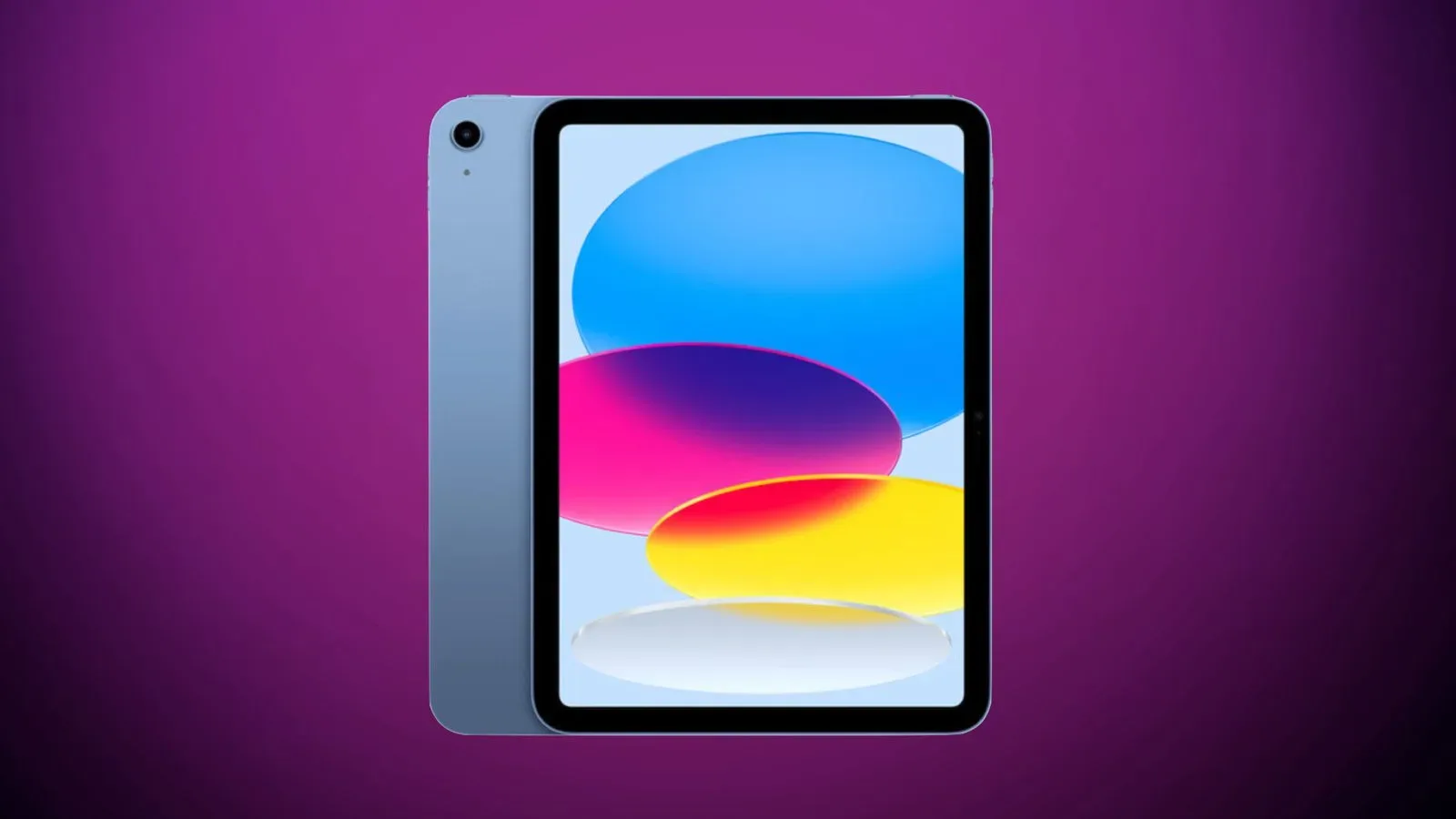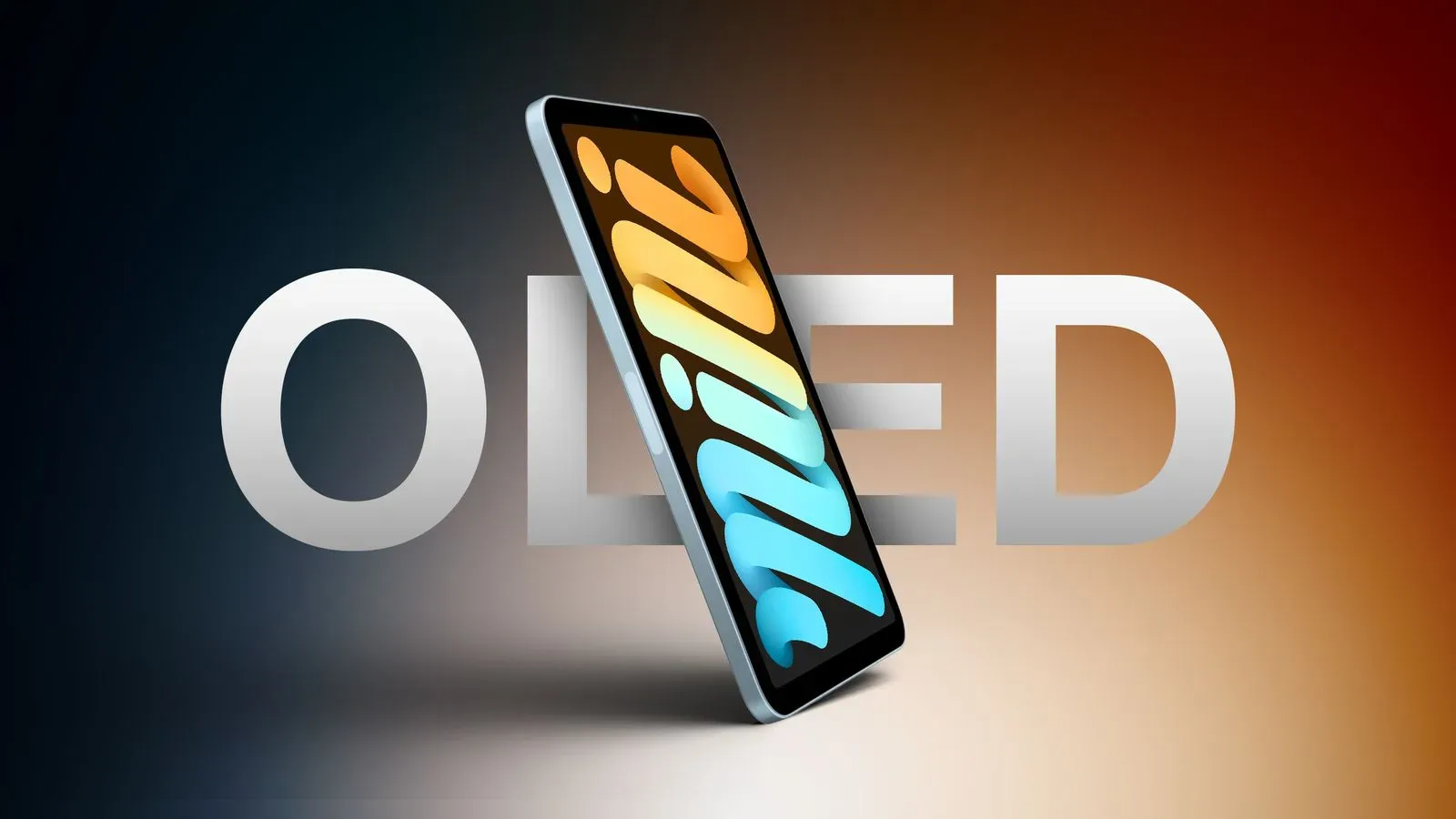
Apple’s next iPad mini may arrive with a substantially higher price than the current $599 model. A new report points to a figure closer to $799 for the OLED-equipped tablet, though that number is framed as an estimate rather than confirmed pricing.
If accurate, the change would represent a possible $200 increase. That is significant not simply because the number is larger, but because it could reposition the iPad mini as a more premium small tablet rather than a compact option chiefly defined by its size. The reported model is also expected to bring an A20 Pro chip, a landscape-oriented FaceTime camera, a redesigned speaker arrangement and a water-resistant design.
None of those specifications, the launch timing or the price has been confirmed by Apple. Prospective buyers should therefore treat the report as an early indication of the company’s direction, not a product specification sheet or a reason to assume the $799 estimate will be the eventual entry price.
What the reported $799 figure would mean
The current iPad mini is listed at $599 in the report. Moving to something near $799 would put the potential OLED version roughly one-third higher in price. A $200 difference can alter the buying calculation even for people who specifically want a small tablet: it makes display quality, processing hardware and durability features more central to the value discussion.
The key distinction is between reported expectations and an announced price. The report says the new iPad mini will be “considerably more expensive” and offers $799 as an informed estimate. It does not establish storage configurations, regional pricing, cellular variants, accessories, trade-in terms or whether $799 would apply to the least expensive configuration. Those unknowns matter when assessing the actual upgrade cost.
For existing iPad mini owners, the practical question is likely to be whether the expected display and hardware changes solve a specific need. A higher price does not automatically make the outgoing model less useful, especially for readers whose priority is compactness rather than the newest panel technology. On the other hand, someone already planning to buy a new small tablet may want to wait for official information before committing to the current version.
OLED is the centerpiece of the rumor
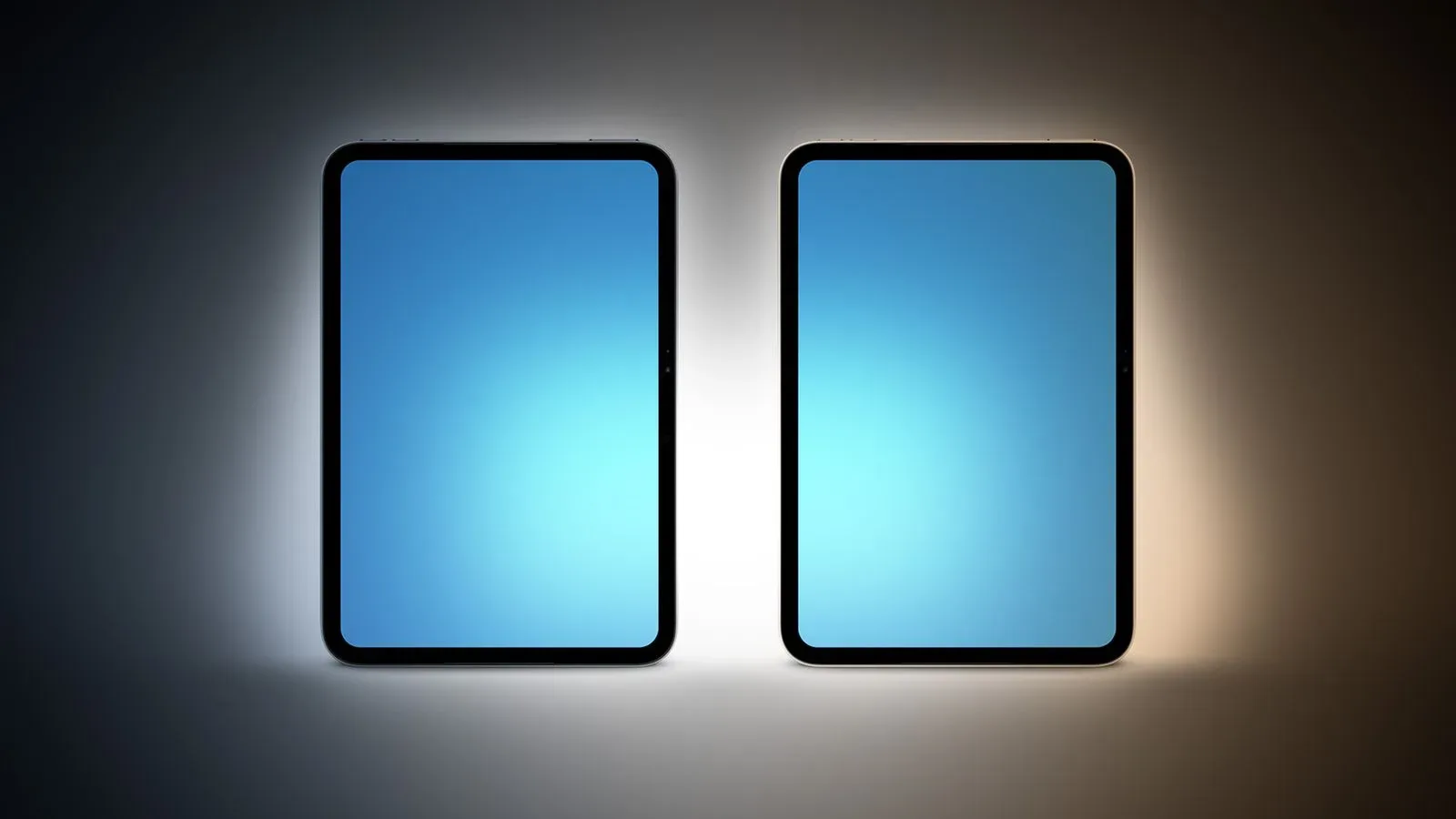
The most notable reported change is the display. OLED, short for organic light-emitting diode, is a display technology in which individual pixels create their own light. Unlike display systems that rely on a separate backlight, OLED pixels can be switched off to produce black areas. In broad terms, that gives OLED its reputation for high contrast.
That technical distinction helps explain why an OLED panel is being treated as the likely defining upgrade. A display is the component users see continuously, whether they are reading, watching video, drawing, browsing or playing games. It is also an expensive component in a compact device, so it is a plausible focus for a more premium positioning. Still, the report does not provide details about the panel’s brightness, refresh rate, resolution, color behavior or any other performance measurement. It would be premature to infer any of those characteristics from the word OLED alone.
For gaming, a screen upgrade could be relevant because handheld-style use is part of the iPad mini’s appeal. But the available information does not claim better game performance, lower input latency or any particular visual mode. OLED may change the look of compatible games and video, while the separate A20 Pro rumor is the item more directly connected to processing capability.
A20 Pro, camera and speakers: the other reported changes
The prospective tablet is expected to use an A20 Pro chip. In this context, a chip is the central processor package that handles a device’s general computing tasks and graphics work. The “Pro” name suggests a higher-tier member of Apple’s chip family, but the report does not provide benchmarks, memory information, graphics details or comparisons with the current iPad mini. It is sensible to expect newer silicon to be part of a new generation, but specific performance claims would go beyond the information currently available.
A landscape FaceTime camera is also reportedly planned. “Landscape” refers to the camera’s placement when the tablet is held horizontally. That could be meaningful for calls made with the iPad mini propped in a horizontal orientation, but the report does not specify camera resolution, framing functions, image processing or mounting options. The benefit is therefore best understood as a likely ergonomics change rather than a documented camera-quality upgrade.
The speaker system may be redesigned as well. Audio placement can matter on a small tablet, particularly when it is held with both hands or used for video. Yet there is no supplied information on speaker count, loudness, channel separation or supported audio formats. A redesigned setup should not be read as a promise of a particular audio outcome until Apple provides details.
Finally, the device is said to have a water-resistant design. Water resistance means a device is designed to better withstand exposure to water; it does not inherently mean the device is waterproof or suitable for submersion. The report gives no rating, test standard or usage guidance. Until those details exist, users should avoid treating the rumor as a warranty or durability guarantee.
Possible timing and how to approach the wait
The expected reveal window is “on or around” Tuesday, October 27. The same timeframe has been associated with new OLED touchscreen MacBook Pro models. That remains a reported timetable, not a confirmed Apple event date, and product plans can change before a company makes them official.
Anyone considering an iPad mini purchase now has a straightforward decision: buy the current $599 model because it meets an immediate need, or wait for clarity on the alleged OLED successor. Waiting may be sensible for buyers who place a high value on a potentially improved display, newer chip, horizontal video-call camera, altered speakers or water resistance. Buying the available model may still be rational for those who need a compact tablet sooner and do not want to accept a potential move toward $799.
The broader Apple context is worth watching as well. The company’s product and manufacturing activity has remained in focus during Tim Cook’s recent China travel, as covered in our report on Cook’s third China visit of 2026. That context does not verify the iPad mini rumor, but it underscores why supply, retail and product plans can all shape the way a new device reaches buyers.
For now, the clearest takeaway is not that an $799 iPad mini is guaranteed. It is that the next model is reported to be pursuing a notably more upscale package, led by OLED, and its price may rise accordingly. Official pricing, configurations, display specifications and water-resistance terms will determine whether that package justifies the expected premium.