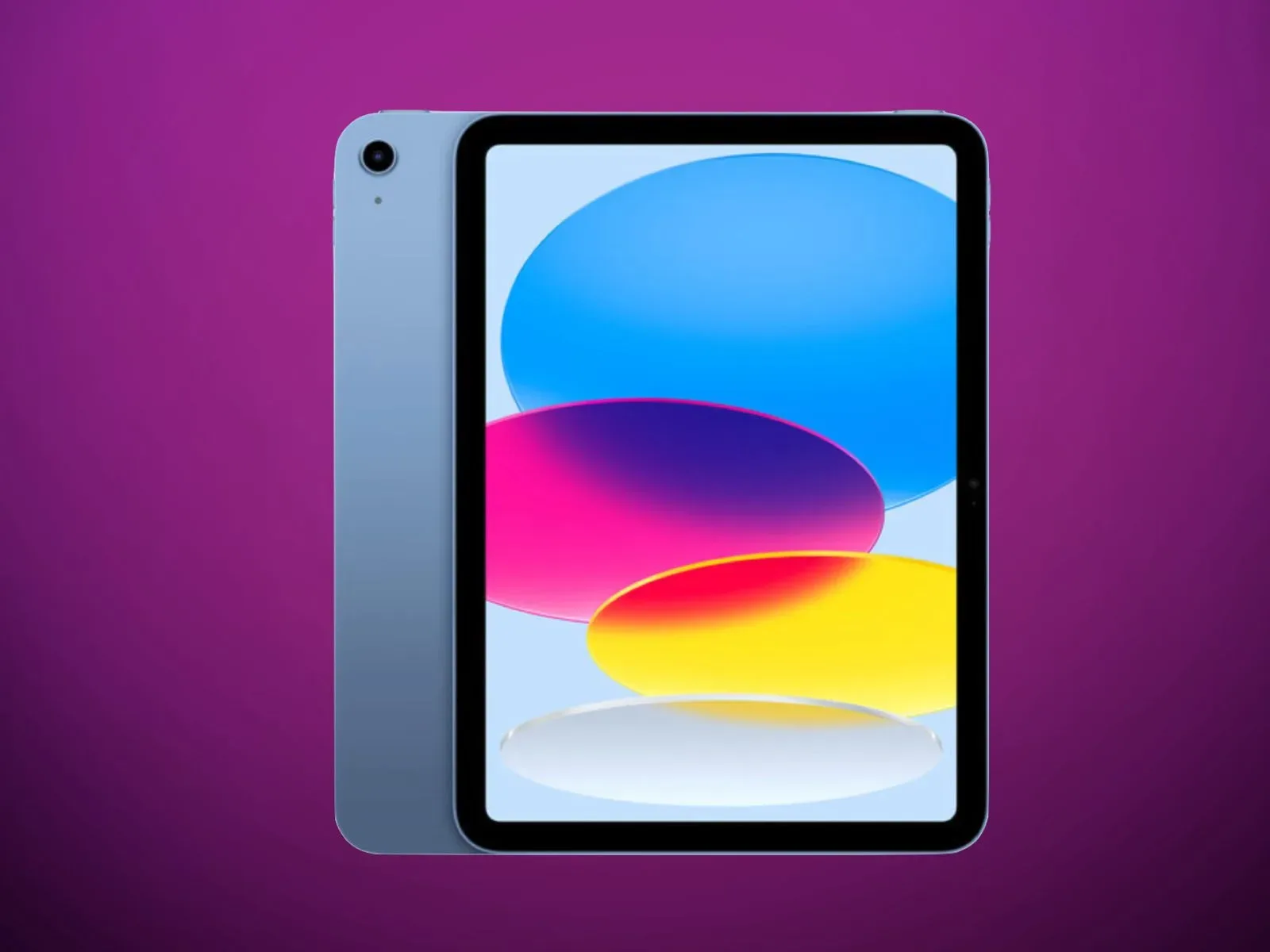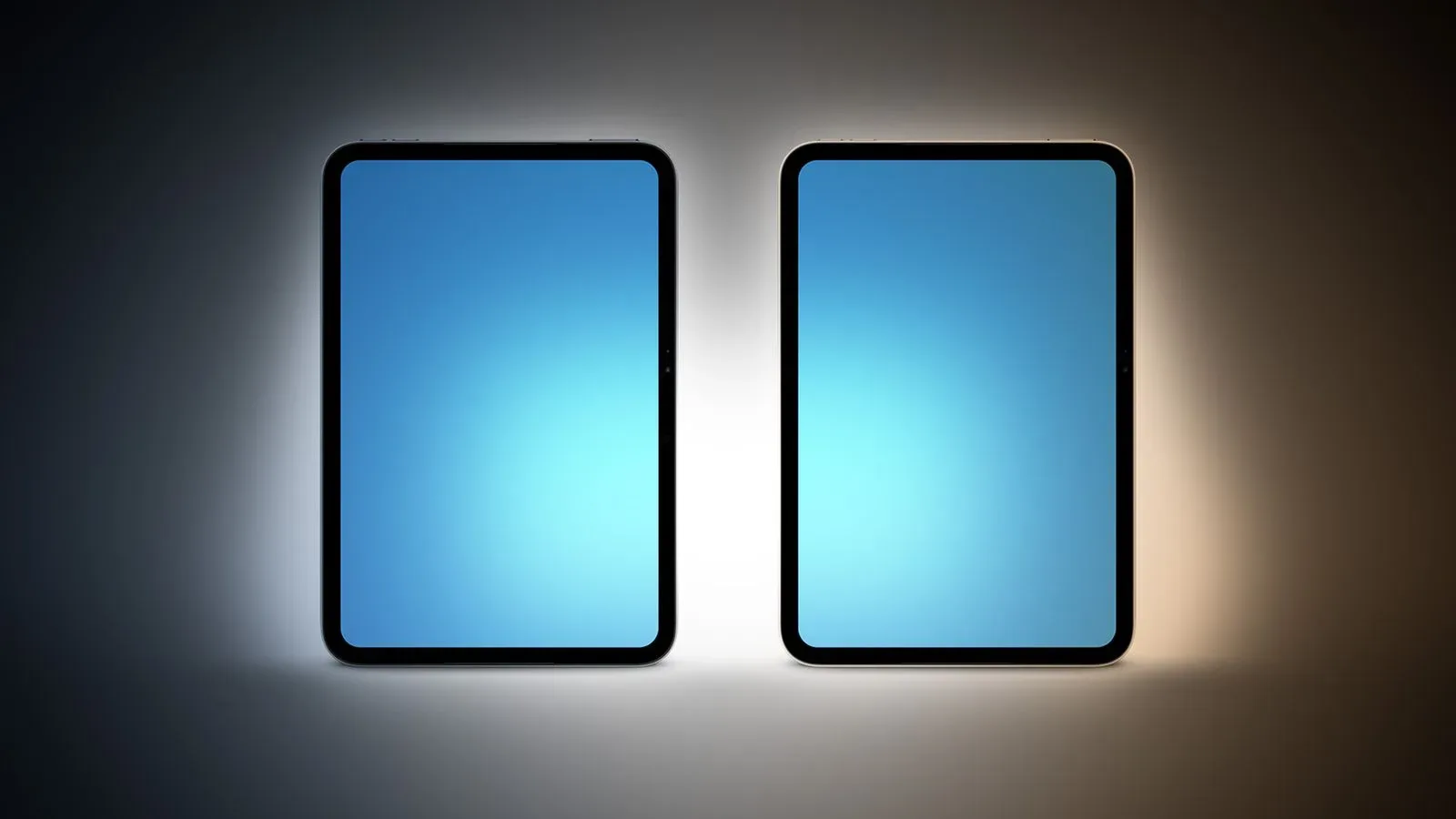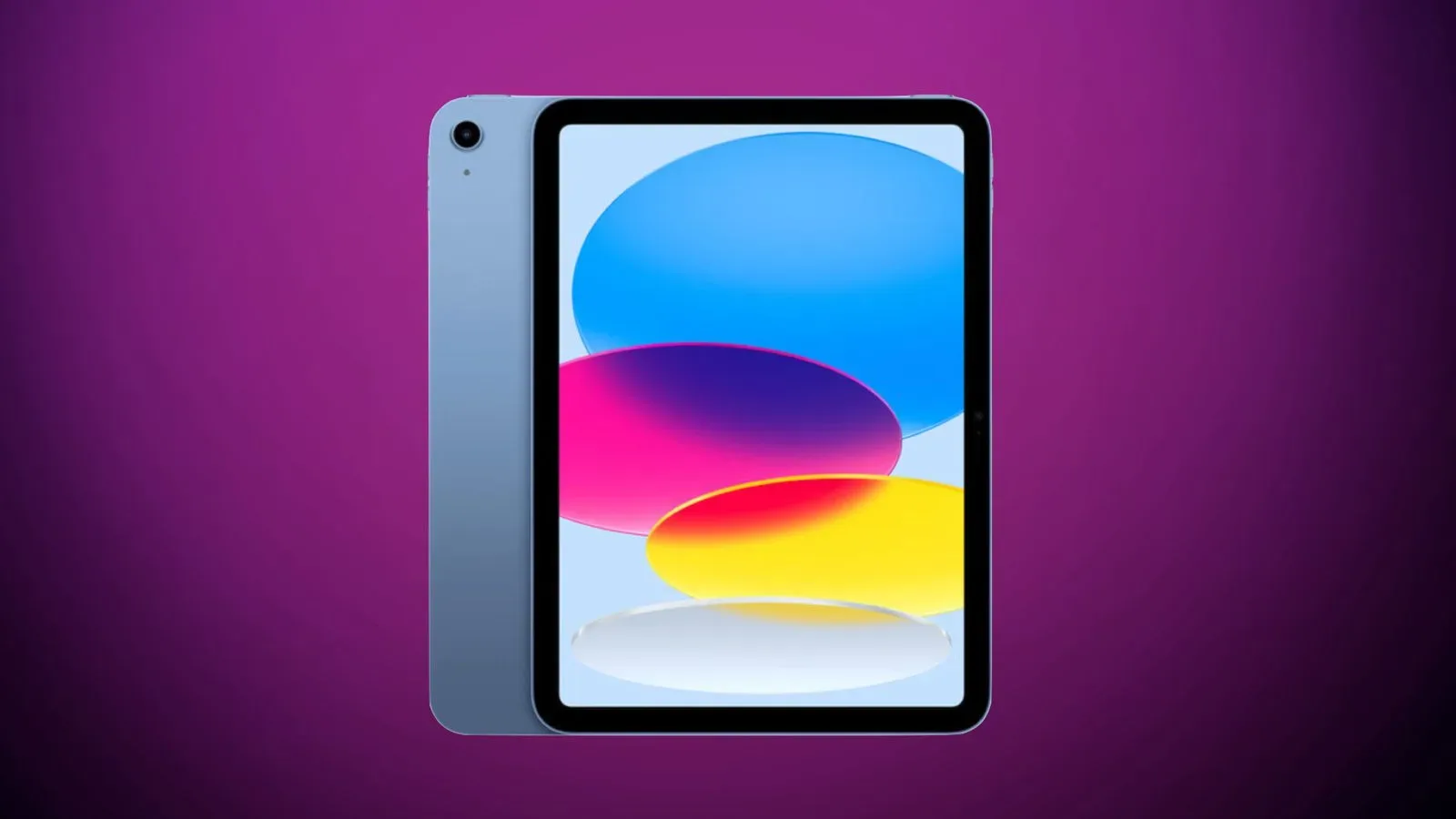
Apple’s next entry-level iPad may be waiting in the lobby for considerably longer than expected. The models reportedly carrying the internal identifiers J581 and J582 are now expected in early 2027 rather than this year.
That timetable is not official, and internal codenames are not consumer-facing product names. Still, the report outlines a notably spread-out roadmap for Apple’s tablet line: a new iPad mini is expected at the end of October, while 2027 could bring not only the next basic iPad but also a substantially refreshed iPad Air and a new iPad Pro.
For players who use tablets as a second screen, a portable game machine, or an all-purpose device for remote play and streaming, the practical message is simple: do not assume a new low-cost iPad is imminent. The potentially more meaningful hardware changes appear to be attached to the Air and Pro tiers—and those changes remain reported plans, not confirmed specifications.
The reported iPad schedule at a glance
- iPad mini: expected at the end of October this year.
- Entry-level iPad: the J581 and J582 models are reportedly planned for early 2027.
- iPad Air: a major 2027 refresh is said to include an OLED display.
- iPad Pro: a new 2027 model could add a vapor chamber intended to improve thermals and performance.
The gaps matter. “iPad” can sound like one annual product cycle, but the report instead describes several distinct products moving on separate clocks. A buyer interested specifically in the smallest tablet may have a near-term option. Someone holding out for the most affordable full-size model may have much longer to wait. And anyone watching display technology or sustained performance may be looking toward the Air and Pro plans for 2027.
Why an OLED iPad Air would be a bigger change than a routine refresh
The reported iPad Air update is described as a major refresh because it may gain OLED. OLED, short for organic light-emitting diode, is a display technology in which individual pixels produce their own light. That differs from a conventional LCD arrangement, which relies on a separate backlight.
The everyday consequences generally associated with OLED are more precise dark scenes and stronger contrast: a pixel intended to be black can turn off rather than being illuminated by a backlight. For games, that can be especially noticeable in menus, space settings, horror scenes, nighttime environments, and interface elements designed around deep blacks. Video playback and artwork can also benefit from the same contrast characteristics.
What the report does not establish is just as important. It does not specify the Air’s screen size, resolution, brightness, refresh behavior, chip, battery life, storage configurations, accessories, price, or release window within 2027. It also does not say whether OLED would be exclusive to one size of iPad Air or arrive across the range. An OLED panel is an important component change, but it does not by itself define the full experience or value of a tablet.
For a gaming-minded buyer, display quality is only one part of the equation. A better screen can make a game look more striking, but comfort, controller support, storage needs, network quality for streamed play, and software compatibility still determine whether a tablet fits a particular setup. Those are reasons to avoid turning a reported panel change into an automatic buying recommendation before Apple details the actual device.
Vapor chamber, explained: the Pro rumor is about sustained heat
The potentially new iPad Pro detail is a vapor chamber. In basic terms, a vapor chamber is a heat-spreading component designed to move thermal energy away from concentrated hot areas and distribute it over a wider surface. It is a form of thermal management, meaning the hardware used to control operating temperatures.
Its relevance is not merely whether a device feels warm. Modern processors can adjust their behavior under sustained heat to protect the hardware. Better heat handling can therefore help a device maintain performance more consistently during demanding, lengthy workloads. That is the reason the reported feature is framed around both thermals and performance.
For games, this could matter most in longer sessions of graphically intensive titles rather than a quick round of a simple puzzle game. The same principle can apply to extended creative workloads or other processor-heavy tasks. However, the report does not quantify any benefit. There are no claimed temperature reductions, benchmark results, frame-rate figures, battery-life estimates, or details on how Apple might implement the vapor chamber.
That distinction is worth keeping clear. A vapor chamber is not a promise that every game will run differently, nor is it evidence of a specific performance level. It is a possible design choice that could improve how a future Pro handles heat over time. Until specifications and real-world testing exist, the sensible interpretation is potential rather than proof.
What the delayed basic iPad could mean for buyers
The entry-level iPad has a different role from the Air and Pro in this reported picture. Nothing in the available information describes a display upgrade, new cooling approach, processor, design, or other feature for J581 and J582. The meaningful detail is timing: early 2027 is now the expected arrival period.
That makes purchase timing the primary issue. Shoppers whose current device is working well and whose only priority is getting the newest entry model could choose to wait, with the understanding that the reported window is still distant and unconfirmed. Buyers who need a tablet sooner should evaluate products that are actually available on their own merits rather than purchasing a current model on the assumption that an immediate replacement is around the corner.
There is also no basis here to infer a price change. “Entry-level” identifies the product’s position in the lineup, not a guaranteed retail figure, bundle, regional availability plan, or feature set. Buyers should be wary of treating the early-2027 timing as evidence that the next model will be cheaper, more expensive, or dramatically redesigned.
A staggered lineup makes patience selective, not universal
The most useful takeaway is that waiting may make sense for different reasons depending on which iPad category matters. The reported late-October iPad mini is the closest prospective update. The Air is the model to watch for a possible OLED transition in 2027. The Pro is the one attached to the vapor-chamber possibility. The base iPad is the model said to be delayed until early 2027, but it comes with no reported feature list beyond its identifiers.
That is a more nuanced picture than “new iPads are coming.” A person prioritizing portability could watch the mini schedule. Someone who values screen contrast may prefer to see whether the OLED Air materializes. Users concerned with prolonged demanding tasks may be most interested in whether the Pro’s thermal design changes. A budget-focused shopper, meanwhile, has the least concrete reason to wait beyond the prospect of a newer basic model.
For broader device-buying perspective, our guide to Google Pixel update deadlines and security support is a useful reminder that a product’s remaining support life can matter as much as the timing of the next release.
Until Apple announces anything, all four parts of this tablet roadmap should be treated as subject to change. But if the report proves accurate, 2027 may be less about one sweeping iPad update and more about targeted upgrades: a basic model arriving later, a sharper-looking Air, and a Pro designed to better manage heat when its workload refuses to take a break.