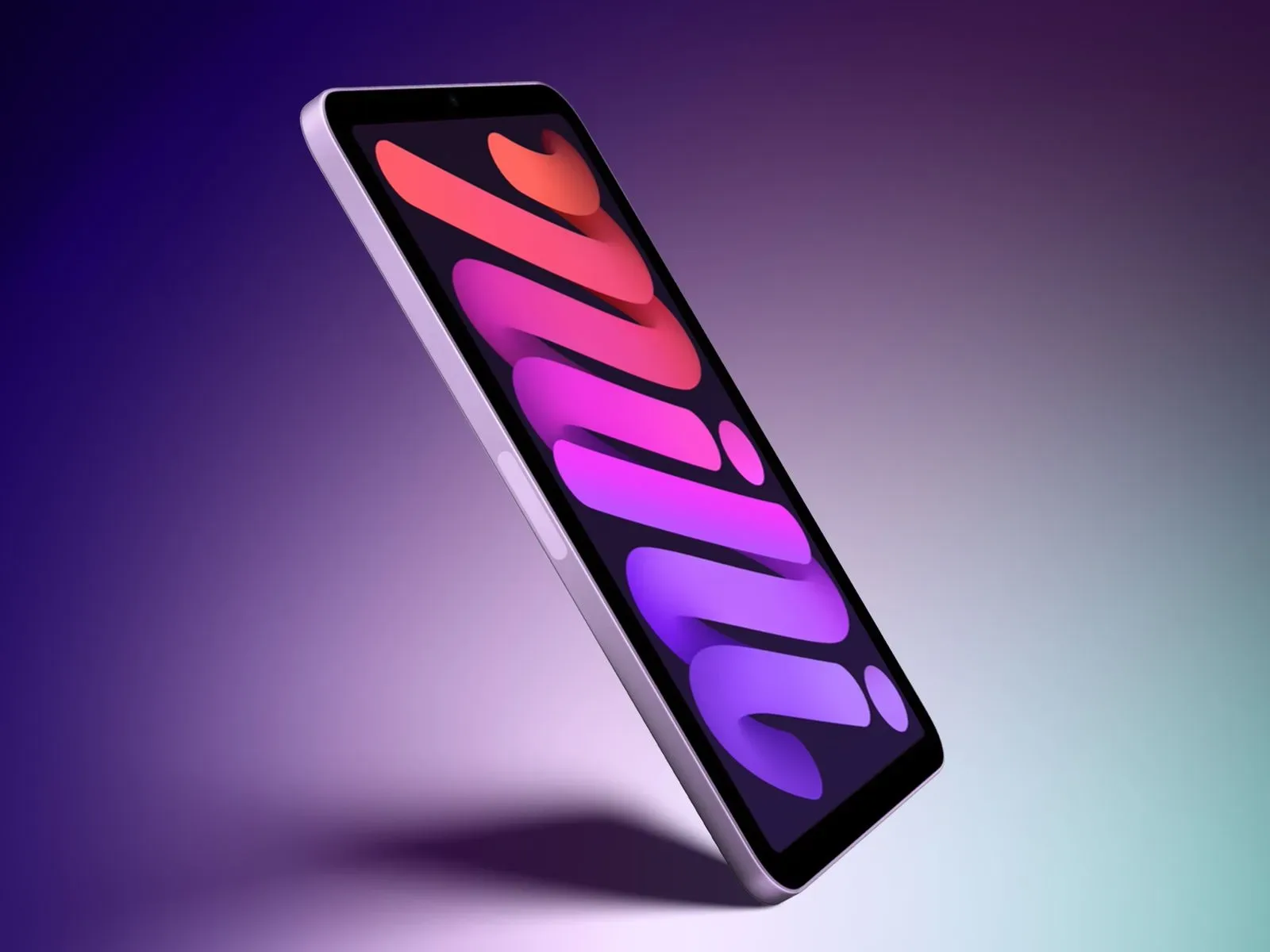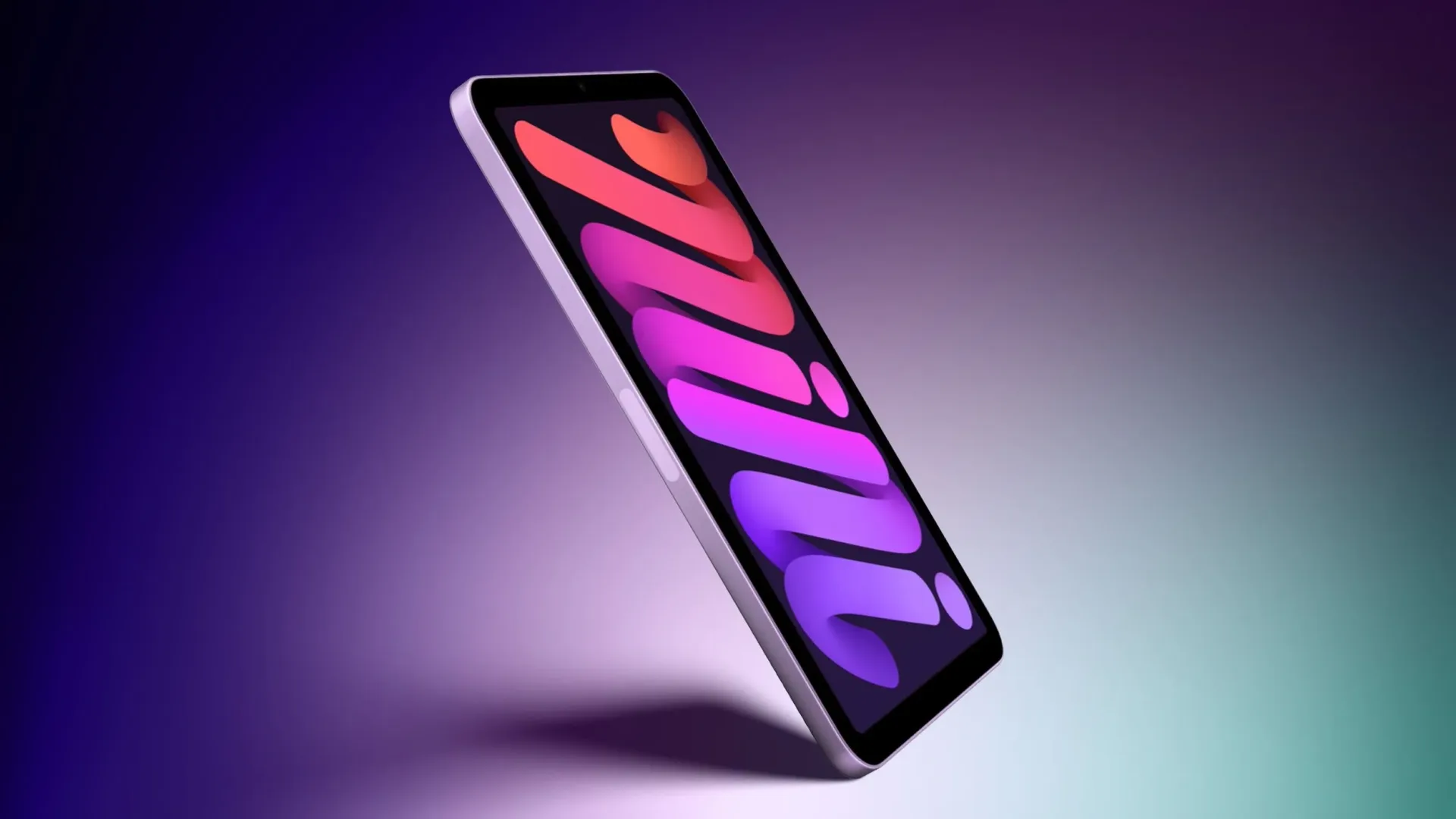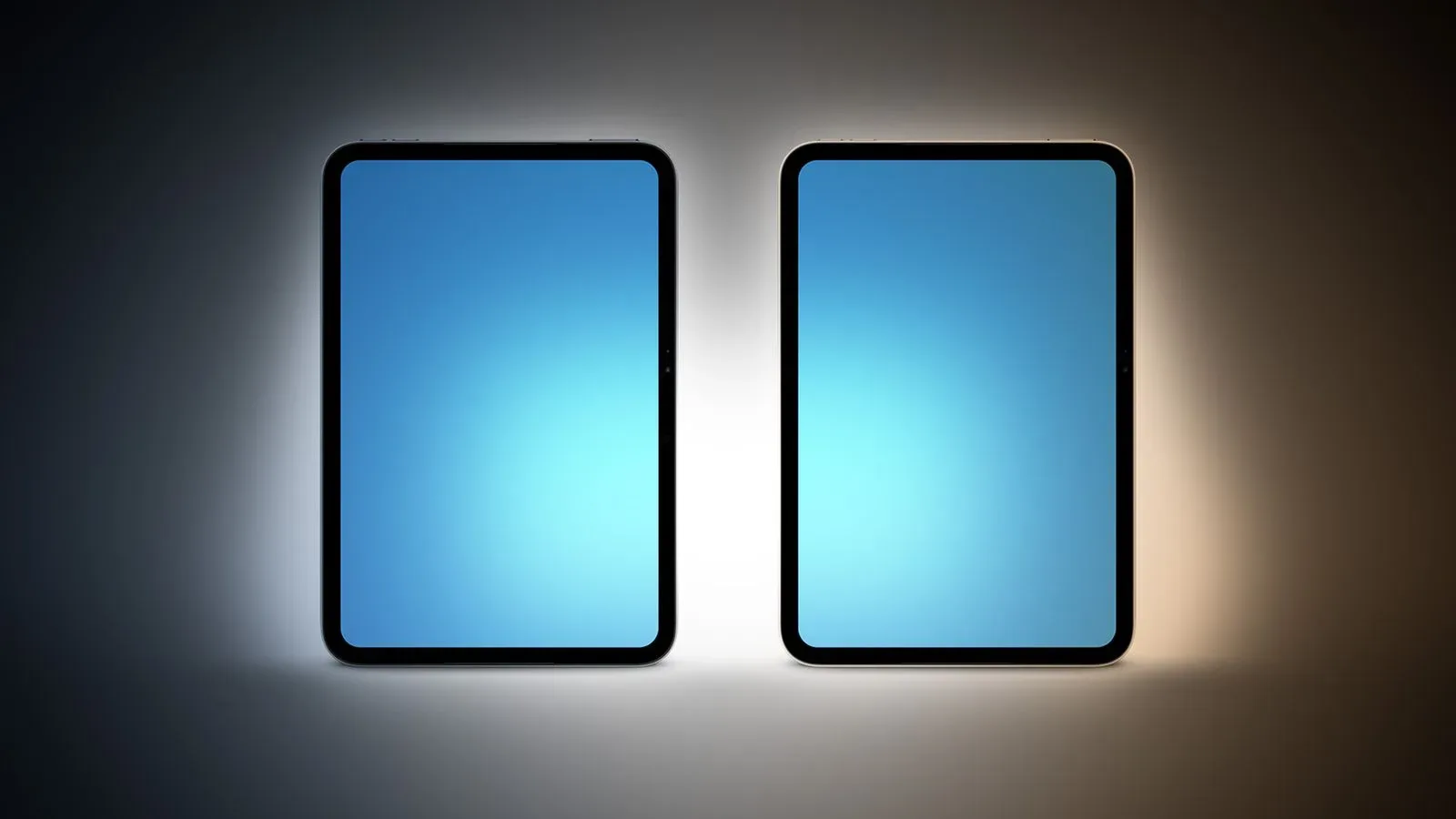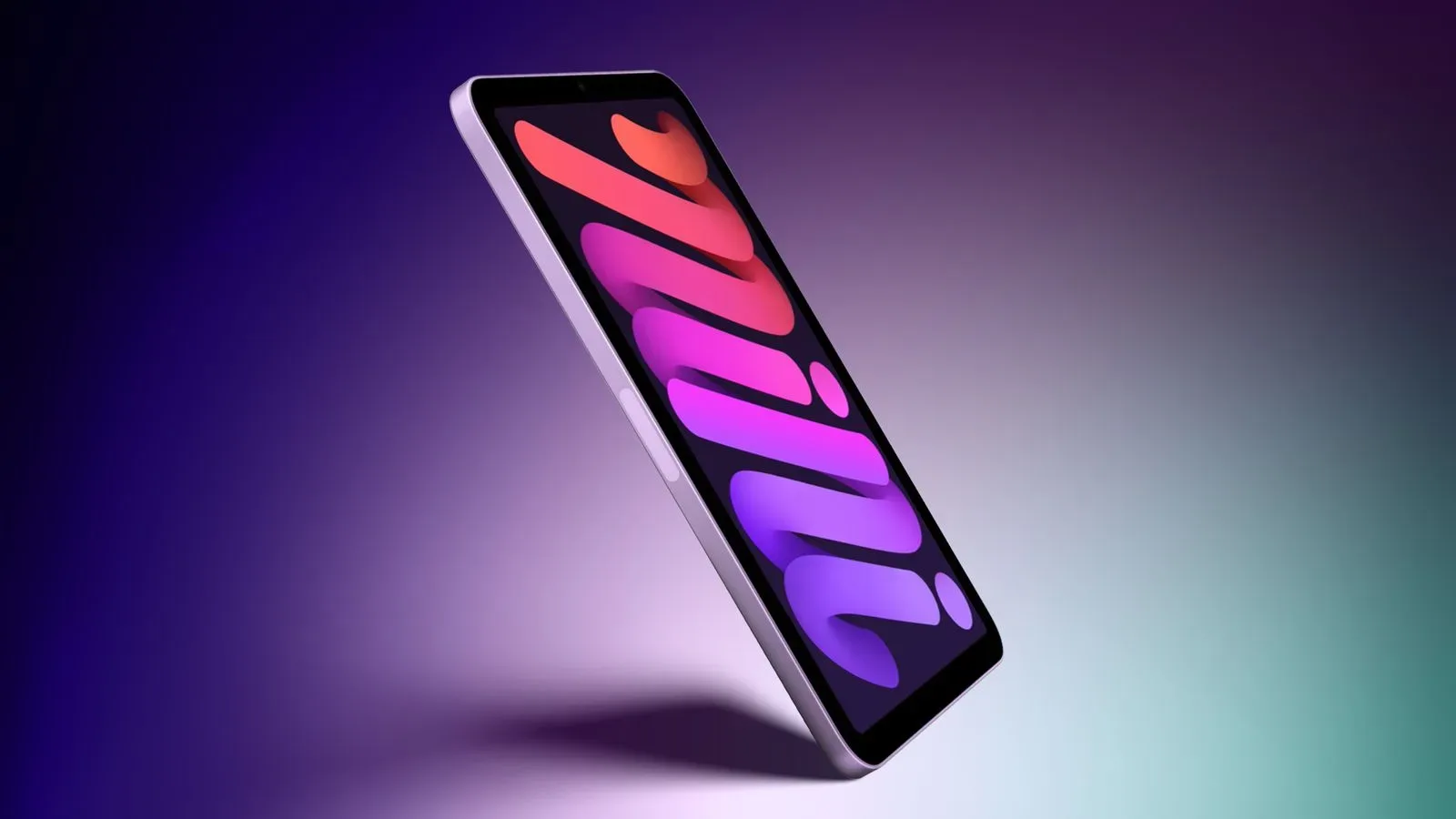
The rumored iPad mini 8 specification list reads less like a routine chip refresh and more like an attempt to modernize nearly every part of Apple’s smallest tablet. The claims include an A20 Pro processor, more memory, an OLED screen, thinner bezels, a landscape front camera, newer wireless hardware, redesigned speakers, cellular modem changes and an IP-rated level of water resistance.
That is an ambitious collection of changes, so the important caveat comes first: these are expectations and reported details, not confirmed product specifications. Apple has not formally detailed the next iPad mini in the information available here. A reveal is expected this year, with October described as the likeliest launch window, but timing, configuration and pricing can all shift before a product is official.
For people who use a small tablet for games, streaming, remote play and video calls, the most interesting aspect is not one headline component. It is the possibility that performance, display quality, ergonomics and connectivity could all improve together.
The reported A20 Pro upgrade: performance is only part of the story
The iPad mini 8 is expected to use Apple’s A20 Pro chip, reportedly made on TSMC’s 2nm process. Relative to the A17 Pro in the current iPad mini, the estimates point to CPU performance up to roughly 1.5 times faster and GPU performance up to roughly 2.5 times faster.
CPU, or central processing unit, handles broad-purpose work: running the operating system, app logic, simulation and the many small tasks involved in keeping software responsive. GPU, or graphics processing unit, is tuned for visual work such as rendering game scenes, effects and interface animation. A substantially larger claimed GPU uplift than CPU uplift would be particularly relevant to visually demanding games and creative apps, though real results would depend on software, thermal behavior and the final hardware configuration.
The A20 Pro is also said to have a “dual 16-core Neural Engine,” totaling 32 cores. A Neural Engine is specialized hardware used for machine-learning tasks. The reported practical consequence is support for customizing the pace and expressiveness of Siri AI’s voice. That is a narrow stated benefit, and it would be premature to assume a wider set of AI features beyond what has been claimed.
The other significant performance rumor is memory. The new model is expected to carry 12GB of RAM rather than 8GB. RAM is fast working memory used by active apps and system processes; it is not the same thing as long-term storage. More RAM can give a device more room to keep complex work active, but it does not automatically mean every app becomes faster. In this case, the specific suggested rationale is enabling the stated Siri voice-customization capability alongside the A20 Pro.
OLED could be the upgrade users notice immediately
Display technology may prove more immediately visible than raw benchmark gains. The iPad mini 8 is rumored to move from LCD to OLED. OLED panels can produce richer color and higher contrast, including true blacks, because their pixels can turn off individually. LCD screens use a backlight, making the deepest black more difficult to achieve in dark scenes.
That matters for movies, dark game environments and interface themes that lean heavily on black. Higher contrast can make bright objects stand out more clearly against a dark background, while richer color may make artwork and video feel more vivid. Those are the core qualities being associated with the rumored panel, rather than a promise about any particular brightness, refresh rate, resolution or gaming feature. None of those latter details are included in the reported information and should not be presumed.
The display is also expected to have slimmer bezels. Narrower borders can make a compact device feel more screen-forward without necessarily making the tablet much larger. There is an ergonomic trade-off, though: bezels are also a place to hold a tablet without touching the display. Whether the balance is better will depend on Apple’s final design and how effectively it handles accidental touches.
A landscape camera is a small move with a practical payoff
The front camera is expected to shift to the right bezel when the tablet is held upright. In other words, it would sit in the more natural position for landscape use. That is a practical change for video calls, and it may matter just as much to people who prop up the mini horizontally for chat, streams or co-op sessions.
Camera placement sounds minor until a user spends a call looking slightly away from the lens or repeatedly places a hand across it. The move suggests that landscape operation is being treated as a primary use case rather than an afterthought. It is a particularly sensible fit for a compact tablet used with a stand or keyboard.
That could be useful for game-night social setups as more titles explore ways to play together beyond the same sofa, such as the online co-op focus described for Directive 8020. The iPad mini rumor does not establish compatibility with that game or any other specific release; it simply points to a device layout potentially better suited to horizontal calls and media use.
Wireless and cellular rumors target modern connections
Apple’s custom N1 chip is expected to arrive with Wi-Fi 7 and Bluetooth 6 support. Wi-Fi and Bluetooth are wireless standards, but support for a newer version alone does not guarantee a matching real-world result. A user’s router, accessories, network conditions and software all affect the experience.
Still, the reported addition would make the iPad mini 8 more current on paper. For a portable device, strong wireless capability matters across downloads, cloud-connected apps, accessory connections and video calls. The source material does not provide speed figures or latency claims, so it would be wrong to turn Wi-Fi 7 support into a promise of a certain level of online gaming performance.
Cellular versions are also rumored to use an Apple-designed C1X or C2 modem. A modem is the component that connects a cellular-equipped device to a mobile network. The “C1X or C2” wording is itself uncertain: it indicates that the precise part is not settled in the reported details. Buyers who rely on cellular connectivity should wait for official technical specifications rather than purchase on the assumption that one particular modem will be included.
Speaker redesign and water resistance would change everyday use
A redesigned speaker system is another notable claim. It is described as having no speaker holes, with the possibility of an iPhone earpiece-like speaker placed in the top bezel. The exact acoustic design is not confirmed, so claims about volume, bass, stereo separation or durability would be speculation. But the design direction is interesting: speaker openings are visible and vulnerable parts of many portable devices, and removing obvious holes could meaningfully change the mini’s exterior.
The rumored IP-rated water resistance would be a first for the iPad mini line. An IP rating is a standardized ingress-protection classification concerning resistance to intrusion from dust and/or water, depending on the rating. The exact rating is crucial. “IP-rated” does not mean a device is automatically safe for every water exposure, and no rating number has been supplied here. Until that number and Apple’s accompanying guidance are known, it is best understood as a potential resilience improvement, not a license to treat the tablet as waterproof.
The price question may be the hardest one
In the United States, the current iPad mini starts at $599 after a $100 increase in June. Apple attributed that rise to rapidly increasing RAM and storage chip prices. The rumored next model could cost more still because OLED displays are costlier.
This is where the otherwise compelling list of upgrades becomes complicated. An OLED panel, faster chip, increased RAM, updated wireless hardware and potential water resistance would collectively make a more premium small tablet. But the same features could push it farther from an impulse purchase, particularly for anyone whose current mini already handles their apps and games comfortably.
Prospective buyers therefore have a straightforward decision framework. Those who value a higher-contrast screen, landscape video calls, newer connectivity and the potential performance headroom may find the rumored refresh worth waiting for. Those who simply need a small tablet now should weigh the known $599 current starting price against an unannounced model with uncertain availability and potentially higher cost.
What is reported, and what still needs confirmation
The iPad mini 8 rumor picture is unusually broad, but its details should not all be treated with equal certainty. The A20 Pro, 12GB of RAM, OLED, thinner bezels, landscape camera, N1 wireless chip, a C1X or C2 cellular modem, redesigned speakers and IP-rated resistance are all expected changes rather than official specifications.
- Reported performance estimate: up to around 1.5 times faster CPU and 2.5 times faster GPU performance than the current A17 Pro-based iPad mini.
- Reported memory change: 12GB of RAM, up from 8GB.
- Reported display change: OLED in place of LCD, with richer color, higher contrast and true blacks.
- Still unknown: final price, exact IP rating, exact cellular modem, and the final implementation of the speaker system.
- Expected timing: an announcement this year, with October described as most likely.
If the broad outline holds, the iPad mini 8 would be a more consequential update than a simple specification bump. The central question is whether Apple can pair those improvements with a price that keeps the mini’s compact appeal intact.