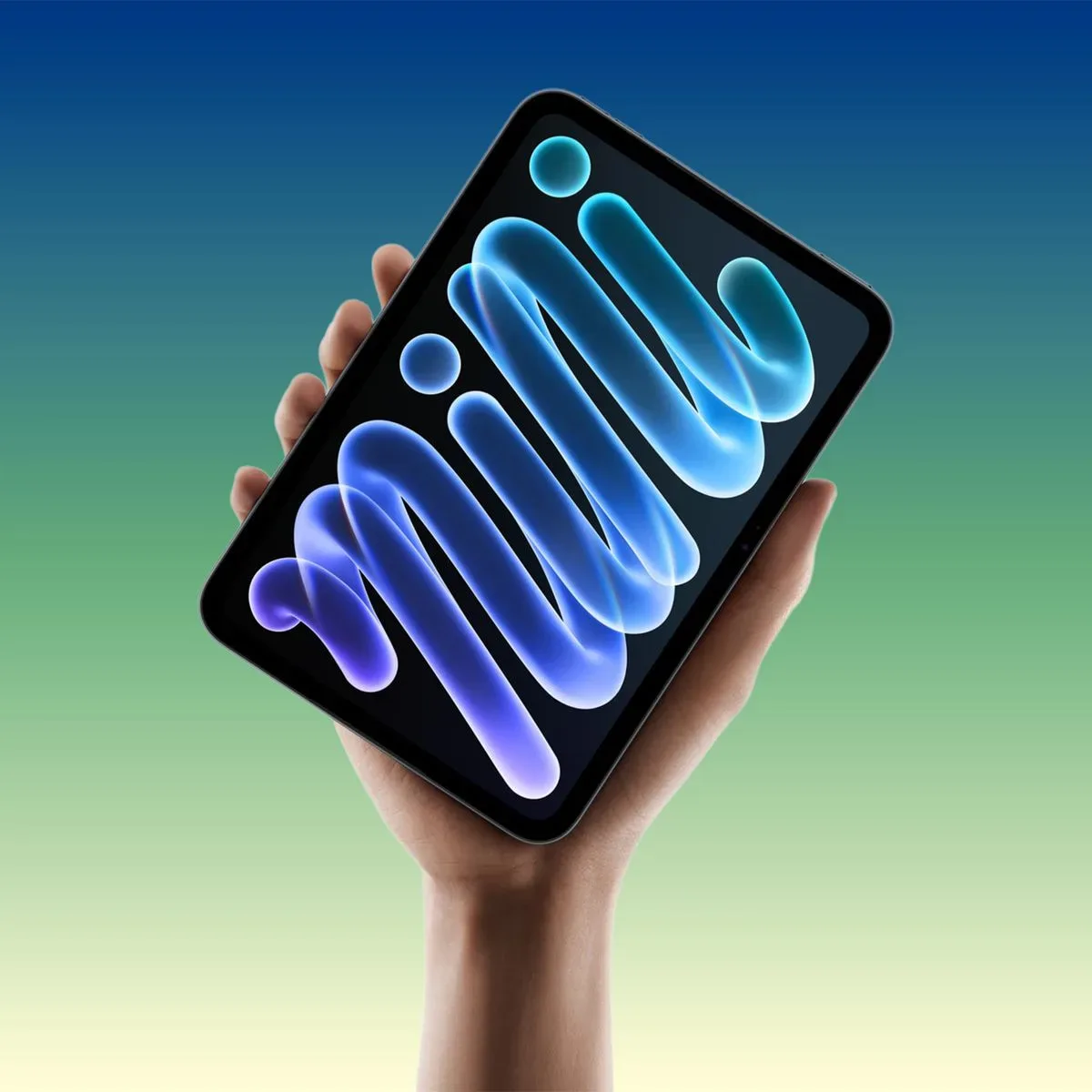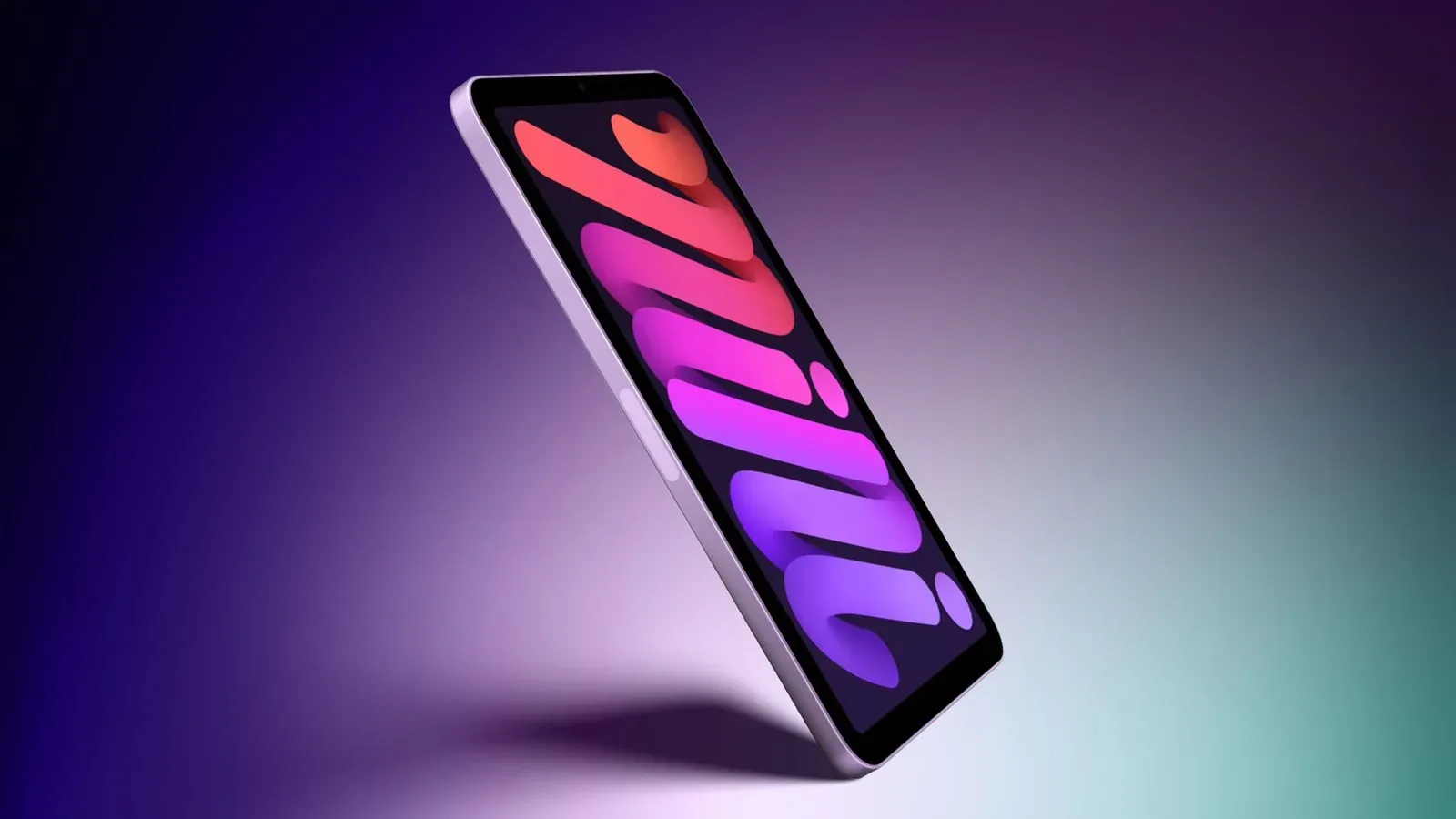
Apple’s newly published EU energy label puts a firmer number on the iPad mini 8’s battery: 4,900 mAh. That is a modest reduction from the 5,034 mAh capacity listed for the preceding iPad mini.
On its own, a smaller battery can sound like an obvious downgrade. Battery capacity is only one part of a device’s endurance, however, and Apple gives the new and previous models the same battery-life estimates. The available specifications also describe the iPad mini 8’s battery as 18.9 Wh, compared with 19.3 Wh on the earlier model.
The practical implication is straightforward: Apple appears to be seeking comparable quoted runtime while reducing the physical battery slightly. The iPad mini 8 is also said to be 15% thinner and lighter than its predecessor, so shaving even a small amount of battery capacity can be part of the space-and-weight equation rather than a signal that the device is expected to last less long between charges.
mAh and Wh: the two battery numbers explained
Capacity is commonly expressed in mAh, or milliamp-hours. It is useful shorthand, but it does not fully describe how much energy a battery stores. Voltage matters too. That is why watt-hours, abbreviated as Wh, are often the more useful comparison when evaluating different batteries: the figure combines capacity with voltage to describe energy.
In this case, both measurements point in the same direction. The iPad mini 8 moves from 5,034 mAh to 4,900 mAh and from 19.3 Wh to 18.9 Wh. These are small changes, not a wholesale redesign of the tablet’s power reserve.
Neither number, by itself, tells a buyer exactly how long the tablet will run during a particular day. Screen brightness, wireless activity, the apps in use, audio playback, background work and the content on screen all affect actual endurance. A graphically demanding game and a low-brightness reading session do not draw power in the same way, even if both begin with a fully charged iPad.
Why identical battery-life ratings are plausible
The iPad mini 8 uses Apple’s A20 Pro chip. Apple’s unchanged estimates suggest that the newer processor’s power efficiency is expected to compensate for the reduction in battery capacity. Efficiency, in this context, means completing computing tasks while using less energy, or avoiding unnecessary energy use while the tablet is idle or carrying out lighter work.
That does not mean every task will consume identical power across generations. It means a smaller battery does not automatically produce a lower overall rating if the rest of the hardware uses energy more carefully. That distinction matters when shoppers encounter capacity numbers in a regulatory label and assume the larger number must always deliver the better experience.
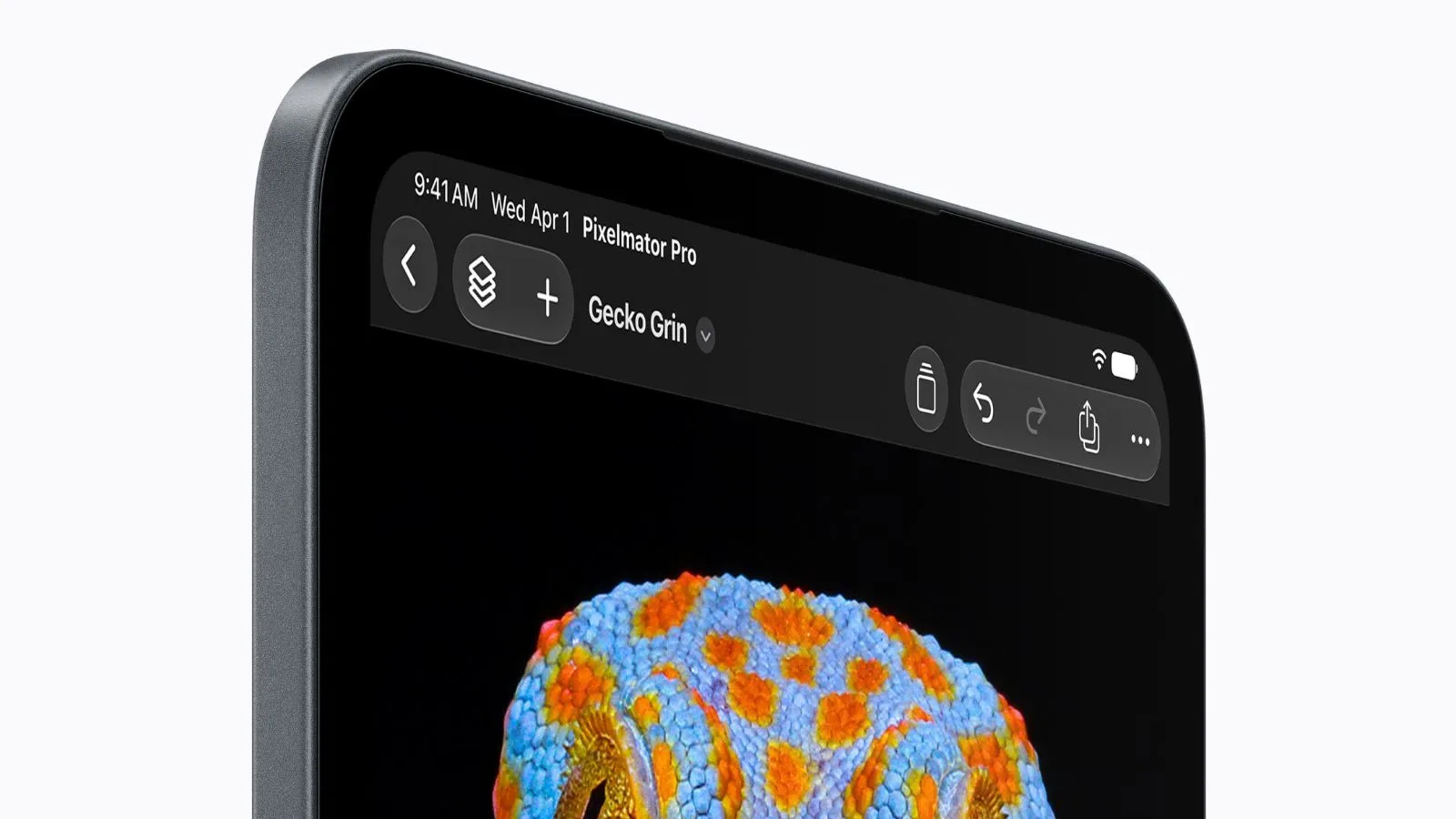
The display change is also relevant. The iPad mini 8 has an 8.5-inch OLED display, replacing the prior model’s LCD-based approach. OLED panels control light at the pixel level. When displaying pure black, individual pixels can turn off entirely because the screen does not rely on the always-on backlight used by an LCD.
As a result, OLED can use less power with darker material. A dark interface, video scene or game area may therefore be advantageous for the display’s energy use. The important qualifier is that OLED efficiency depends on what appears on screen. The supplied details support a potential efficiency benefit with darker content; they do not establish a single battery-life result for every app, game or brightness setting.
A thinner mini means more balancing acts
Apple describes the new iPad mini as 15% thinner and lighter than the prior model. Compact tablets are especially constrained by internal volume: the battery, display, processor, wireless hardware, audio components and chassis all compete for space. A thinner design can make a device easier to hold or carry, but it also means that component efficiency becomes more important when a manufacturer wants to preserve battery expectations.
The new model’s listed upgrades include Wi-Fi 7 support and an Acoustic Display audio system that replaces speaker holes. Those changes join the new chip and OLED panel in a broader hardware revision, rather than presenting the battery in isolation. For people comparing the two generations, the sensible question is not just whether the capacity falls by 134 mAh, but whether the claimed runtime, size, display technology, connectivity and other changes match how they use a small tablet.
Audio is one area where usage can vary considerably from person to person. The move to Acoustic Display is a notable design change, though capacity figures alone cannot indicate how it will affect a particular listening routine. Readers considering a tablet as part of a wider portable-media setup may also find our guide to getting better audio from an Android phone without getting lost in codec soup useful for the broader vocabulary around mobile audio.
What prospective buyers should take from the label
The energy label is valuable because it provides a concrete capacity figure that marketing battery-life claims do not always spell out. Yet it should be treated as a specification, not a standalone verdict on endurance. Apple’s own listed battery-life estimates are identical for the old and new iPad mini, which is the more direct statement of the company’s expected day-to-day result.
- Capacity is lower: 4,900 mAh versus 5,034 mAh, or 18.9 Wh versus 19.3 Wh.
- Rated battery life is unchanged: Apple lists the same estimates for both generations.
- Efficiency is the apparent offset: the A20 Pro chip and OLED screen give Apple avenues to maintain those estimates despite the smaller cell.
- Content matters on OLED: darker images can be more power-efficient because black pixels turn off.
- Thinness has a trade-off: the 15% thinner and lighter construction provides useful context for the smaller battery.
There is also a difference between comparing official estimates and predicting an individual’s routine. Someone primarily reading, taking notes or browsing may have a very different outcome from someone keeping Wi-Fi busy, playing visually intensive games or streaming bright video. The published information supports Apple’s expectation of parity at the rated level, but it does not promise that every workload will behave the same way across both models.
Release details
The iPad mini 8 is available to pre-order now and is scheduled to launch on Friday, November 6. U.S. pricing starts at $699.
For buyers who already own the previous iPad mini, the battery capacity alone is unlikely to settle an upgrade decision. It is a slight numerical step down, offset in Apple’s published estimates by newer silicon and a move to OLED. The more meaningful comparison is likely to be the full package: the 8.5-inch OLED display, thinner and lighter body, Wi-Fi 7, Acoustic Display system, and whether those changes are worth the starting price for the way the tablet will actually be used.