The Google Pixel 8 is in an unusual but potentially appealing position in 2026: it is an older flagship that can cost less refurbished than many new budget phones, while still carrying the kind of software-support promise usually associated with a much newer device. Launched in 2023 at $700, refurbished units can be found below $300. That puts it far below Google’s $500 Pixel 10a starting price, but a low price alone does not settle whether it is a sensible purchase.
For players, the concise answer is this: the Pixel 8 is a good value when the phone’s job is everyday Android use, photos, messaging, streaming and occasional gaming. It is a much weaker proposition for someone buying specifically to run demanding games at high settings for years. Its camera, compact premium build, clean software and update horizon still give it real advantages. Its Tensor G3 processor, aging-device responsiveness complaints and merely ordinary battery-and-charging specification are the reasons to be cautious.
The update promise is the Pixel 8’s strongest long-term argument
The Pixel 8 can update to Android 17 and was sold with a promise of seven years of operating-system and security updates. That support schedule extends to at least 2030. For a refurbished-phone buyer, this is meaningful: an inexpensive handset is much easier to recommend if it is not approaching the end of official security patches or major Android releases.
Operating-system updates add platform features and keep the device aligned with newer versions of Android. Security updates address vulnerabilities. Neither category guarantees that an old phone will remain quick, nor can either restore battery capacity lost through prior use. But together they reduce the chance that software support, rather than physical wear, becomes the immediate reason to replace the phone.
That distinction is especially useful in the refurbished market. A Pixel 8’s real limiting factors may be its individual condition, battery health and performance expectations—not an imminent app-compatibility cliff. Buyers should therefore treat the seven-year policy as a major durability advantage, but not as a promise that every pre-owned unit will feel new through 2030.
What gamers should expect from Tensor G3
Google’s Tensor G3 is adequate for casual games and capable of handling some demanding titles, but raw performance has never been the defining strength of the Pixel range. Tensor chips have trailed similarly priced phones using Qualcomm or Apple systems-on-chip. A system-on-chip, often shortened to SoC, is the central silicon package that combines processing, graphics and other essential phone functions. In practical gaming terms, its graphics capability helps determine whether a game can sustain smooth motion at higher visual settings.
The Pixel 8 does not have the graphical headroom to make high settings and consistently smooth frame rates a safe expectation in heavier games. Someone who plays puzzles, card games, lightweight multiplayer titles or the occasional mainstream release may be perfectly satisfied. Someone who spends hours in graphically intense games, treats mobile gaming as a primary hobby, or expects settings to stay high as games grow more demanding should look elsewhere.
This is not only a question of a benchmark number or an enthusiast’s frame-rate counter. Extra performance reserve can affect how a phone feels later in its life. When apps become heavier, a faster chip has more room before everyday actions start feeling strained. Reports from some Pixel 8 users describe choppy animations, slow app launches and diminished overall responsiveness as the handset has aged. Those accounts do not mean every Pixel 8 will behave identically, but they are important warning signs for a buyer considering a used example.
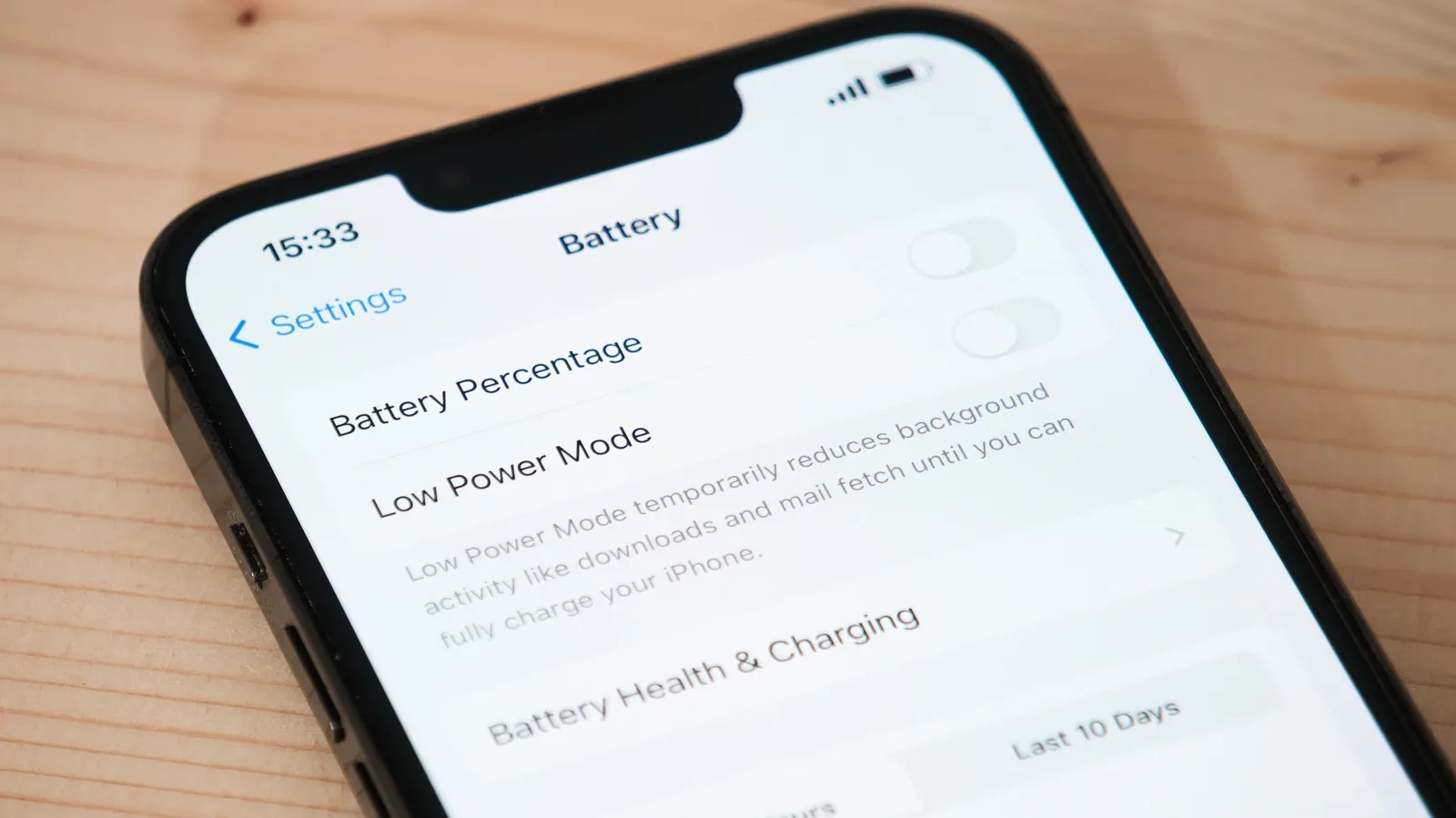
Gaming also turns battery limitations into a more visible compromise. The Pixel 8 has a 4,575 mAh battery, supports charging up to 27W, and supports wireless charging up to 18W. Those figures are not especially exciting in 2026, and battery life has been a recurring Pixel concern. A refurbished phone introduces another variable: its battery has already been used. Buyers who need long sessions away from an outlet should not assume the capacity printed on the spec sheet reflects the endurance of the unit in hand.
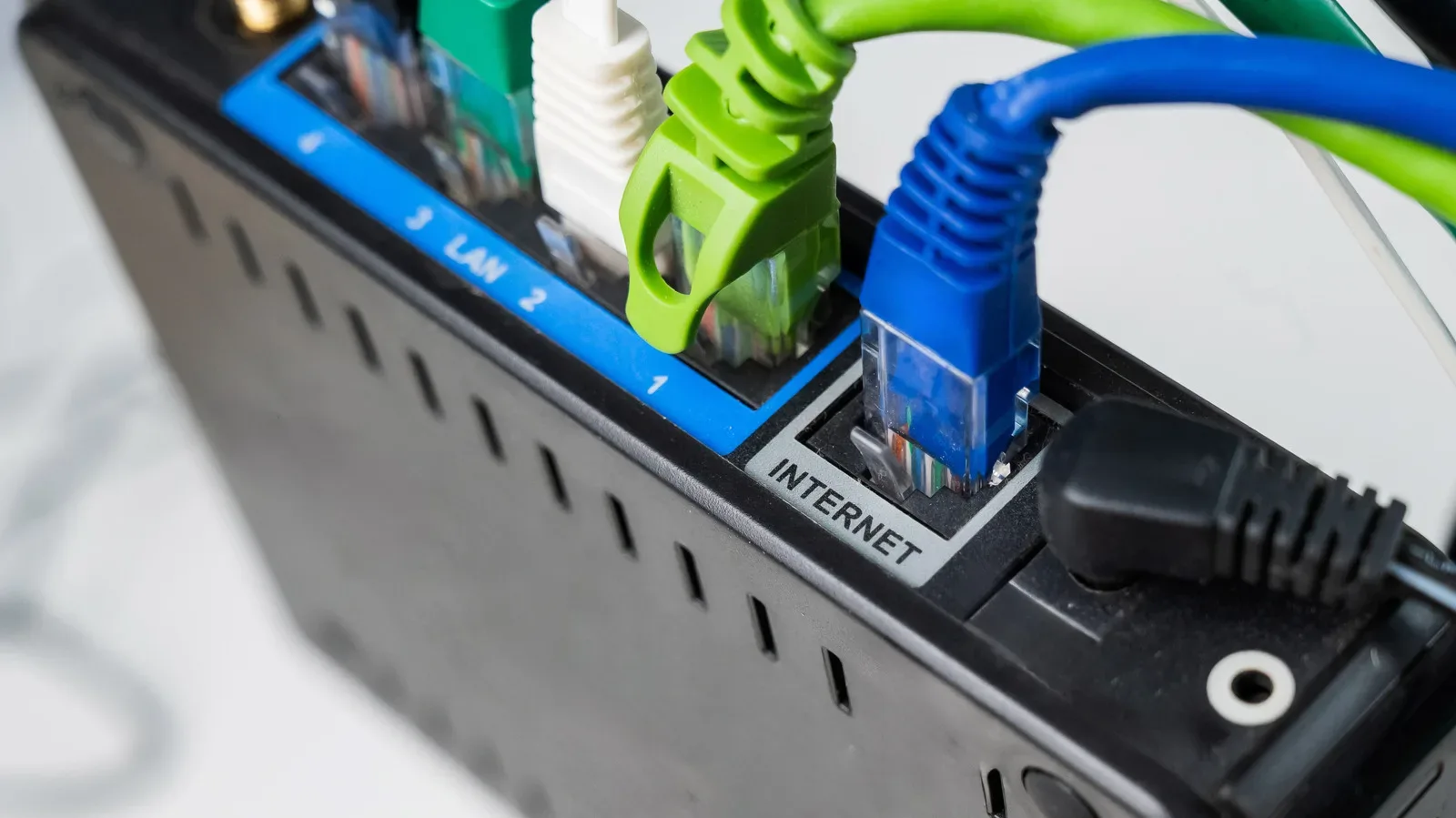
If dependable performance is the priority, it is worth putting some of the savings toward a different Android option. Network quality can also shape online play, although a costly accessory is not necessarily the answer; a gaming Ethernet cable does not need to be expensive to do its job when a wired setup is available.
The hardware is still comfortably above bargain-bin expectations
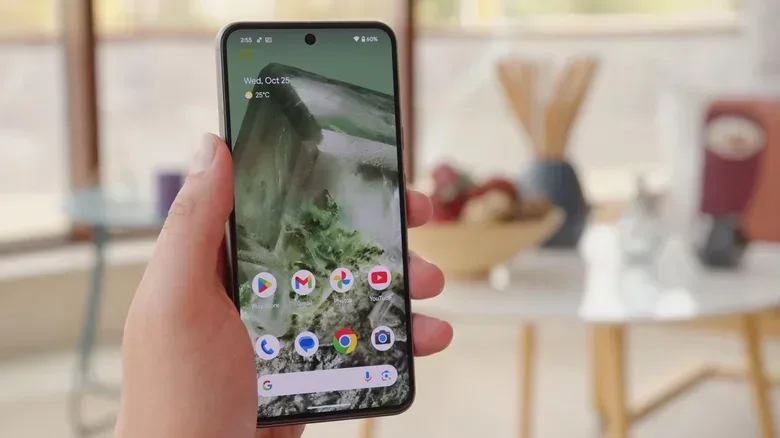
The Pixel 8 remains appealing because its compromises are balanced by hardware that still feels deliberately premium. It has a 6.2-inch OLED display with a 120Hz refresh rate and peak brightness of 2,000 nits. OLED means the display technology can control light at the pixel level, while 120Hz refers to a screen that can refresh up to 120 times per second. That higher refresh rate can make scrolling, interface movement and compatible game motion look smoother than on a conventional 60Hz screen.
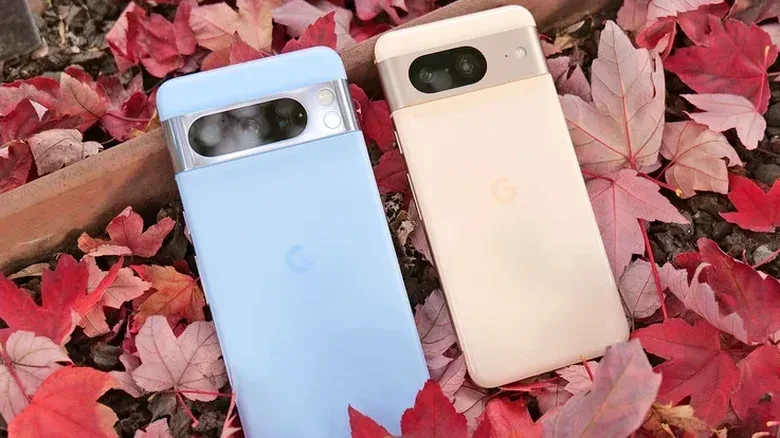
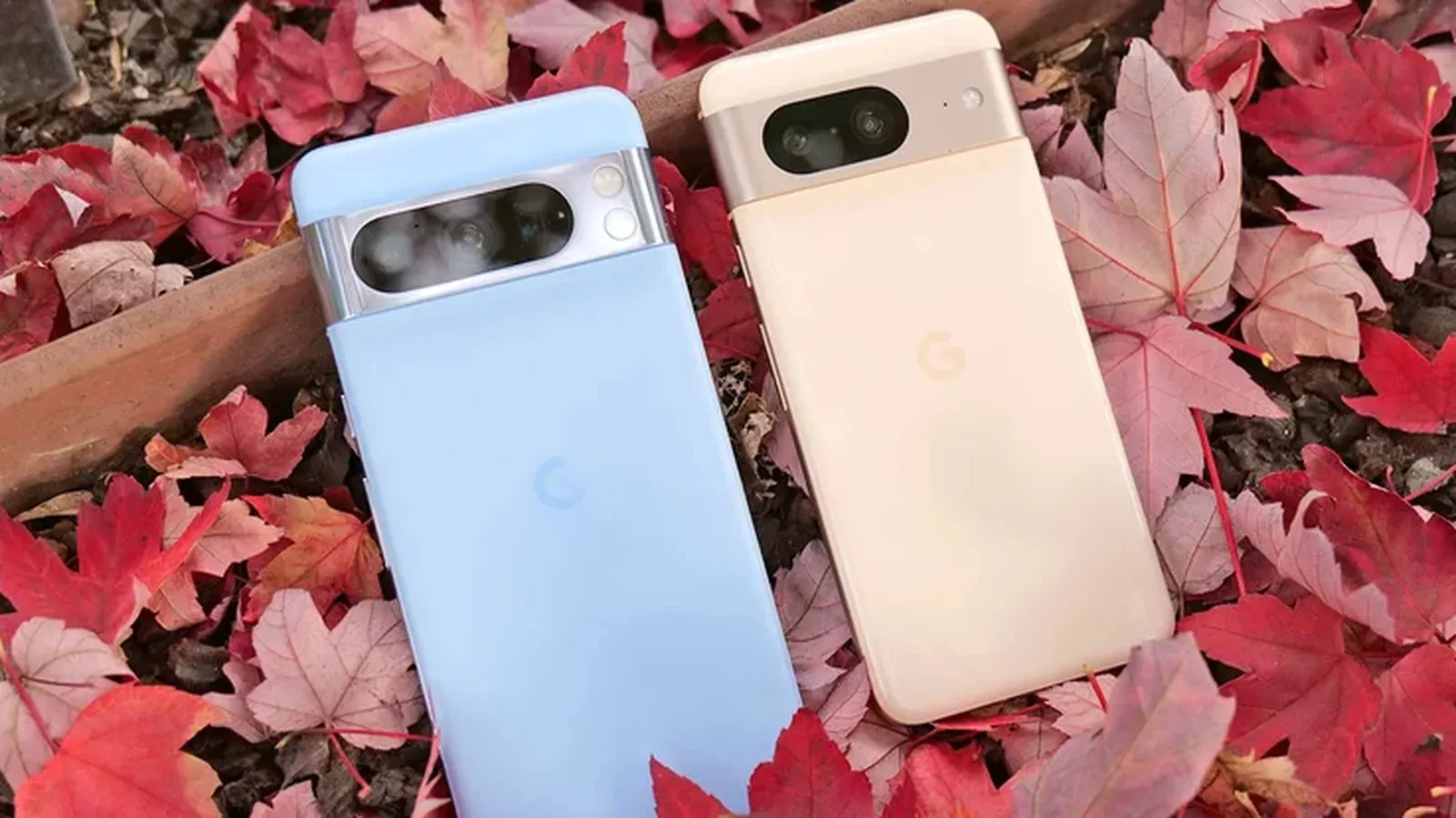
The phone also has relatively slim bezels and the recognizable Pixel camera visor. More importantly for a refurbished purchase, its construction includes an aluminum frame and glass back rather than the more basic materials common at the lower end of the market. It carries an IP68 dust- and water-resistance rating as well. That rating is a useful resilience feature, though it should not be interpreted as permission to intentionally expose a pre-owned phone to water.
Wireless charging adds convenience, and reverse wireless charging lets the phone supply power to smaller accessories such as wireless earbuds. It is not a substitute for carrying a charger when the battery is low, particularly on a phone where endurance is not a headline strength, but it is a feature often missing from low-priced alternatives.
Camera and software remain the case for buying one
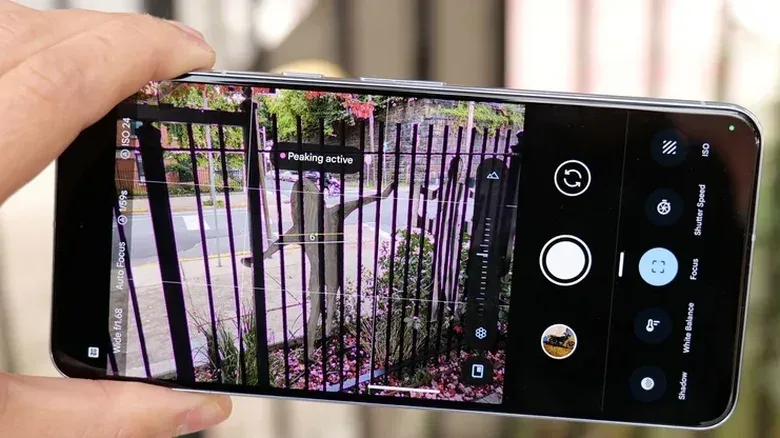
The Pixel 8’s rear cameras are a 50-megapixel wide camera and a 12-megapixel ultrawide. Camera performance is one of its clearest strengths against similarly priced options, and the Pixel 8 shares its primary sensor with the Pixel 8 Pro. For people who want a phone that can handle everyday photography well without spending on a contemporary flagship, that remains a persuasive trade-off.
Google also leans heavily into camera-focused AI tools, including Magic Editor and Best Take. These tools are part of the broader Pixel experience rather than proof of raw processor speed. Their appeal is practical: a buyer who takes group photos, edits images on a phone or values computational photography may get more out of the Pixel 8 than a buyer who only cares about game settings.
Pixel UI is another part of the package. The interface is minimal and mostly free of the extra preinstalled software often called bloatware. That can make a phone feel less cluttered and easier to navigate, which matters every day more than a niche feature does. Alongside Android releases, Google sends feature updates called Pixel Drops. These have included additions such as Screen Reactions and Bubbles. Not every newer Pixel feature reaches older models, so buyers should avoid treating future additions as guaranteed, but the Pixel 8 is still positioned to receive a meaningful share while it remains supported.
Spend a little more only if the upgrade solves your concern
The Pixel 8 is not automatically the best refurbished Pixel simply because it is cheap. The Pixel 9 is a more appealing step up if the price difference is manageable: it has a 48-megapixel ultrawide camera, 12GB of RAM and the Tensor G4. RAM is working memory that helps a phone keep apps and tasks active; more of it can be useful for multitasking and may help a device feel better equipped for the years ahead. The Tensor G4 should also age more gracefully than the G3.
The Pixel 9a is another option. It uses the same silicon as the Pixel 9 and has an additional year of operating-system updates. Its camera system is similar, though it replaces the Pixel 8’s glass rear panel with plastic. Refurbished pricing listed around $330 for the Pixel 9a and around $420 for the Pixel 9 puts the decision into sharper focus: a Pixel 8 below $300 is attractive, but the better-equipped models may justify the added cost for buyers who care about performance longevity.
Who should buy the Pixel 8 in 2026?
- Consider it if a clean Android experience, strong camera results, a 120Hz OLED screen and long update support matter more than high-end gaming.
- Consider it carefully if buying refurbished: price is only part of the value equation when battery condition and responsiveness may vary by unit.
- Skip it for a newer Pixel if you can reasonably reach Pixel 9a or Pixel 9 pricing and want a processor and memory configuration with more room to age.
- Skip the Pixel line for this use case if sustained gaming performance, high graphics settings, fast charging and battery life are at the top of the list.
At under $300 refurbished, the Pixel 8 is not an outdated bargain by default. It is a focused value buy: excellent for people who prioritize camera quality, software polish, premium-feeling hardware and years of updates, while accepting modest power and battery compromises. For casual players, those trade-offs may be easy to live with. For dedicated mobile gamers, they are the entire decision.
Shop the products
Check current price, model and availability at the retailer.