The first month of an NFL season is often a messy time to decide which rookie cards deserve attention. Opportunity is uneven, injuries disrupt plans, struggling teams suppress the spotlight, and one big game can create a louder reaction than a player’s larger body of work warrants. That uncertainty is particularly evident in the 2026 class after Week 5.
Still, there is a stable top tier. Raiders quarterback Fernando Mendoza, Cardinals running back Jeremiyah Love, Saints wide receiver Jordyn Tyson and Titans wide receiver Carnell Tate retain the first four spots in the rookie-card pecking order. That continuity matters. It suggests the early hobby conversation remains centered on a combination of draft investment, positional appeal and anticipated offensive roles rather than only the latest box score.
The more intriguing movement sits just beneath them. Browns receiver Denzel Boston has climbed from No. 7 to No. 5 after becoming one of the class’s most productive early pass-catching options. Cardinals quarterback Carson Beck moves from No. 11 to No. 9 amid questions around Arizona’s 1-4 start and his potential path to a debut. And Buccaneers quarterback Jalon Daniels, an undrafted rookie, rises from No. 16 to No. 13 after Tampa Bay’s Thursday win over Dallas.
For collectors, that makes Week 5 less about declaring a finished hierarchy than recognizing the different ways player demand can form. Some prospects are supported by draft pedigree. Some are building a statistical case. Others are roster-dependent bets that could change quickly if the depth chart shifts.
The Week 5 rookie-card ranking
Tier 1: The class anchors
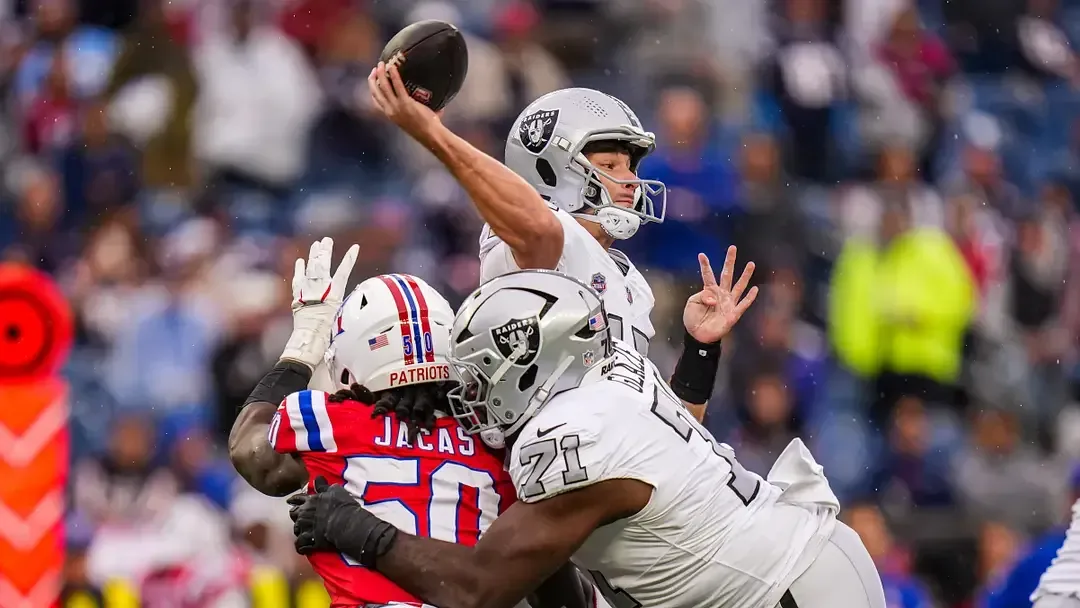
- Fernando Mendoza, QB, Raiders — unchanged at No. 1
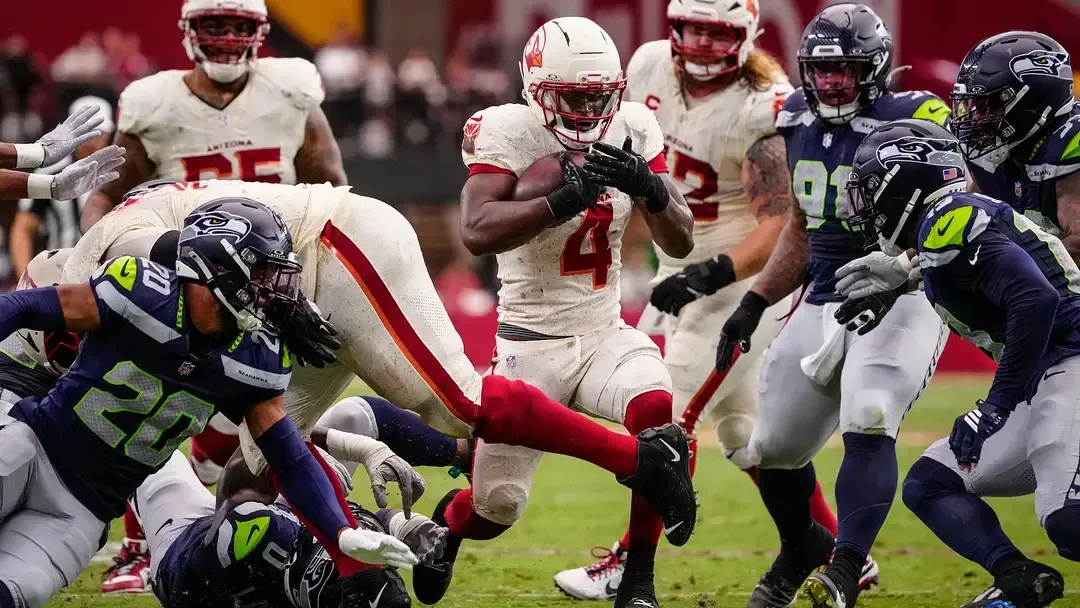
- Jeremiyah Love, RB, Cardinals — unchanged at No. 2
- Jordyn Tyson, WR, Saints — unchanged at No. 3
- Carnell Tate, WR, Titans — unchanged at No. 4
Tier 2: The opportunity race
- Denzel Boston, WR, Browns — up from No. 7
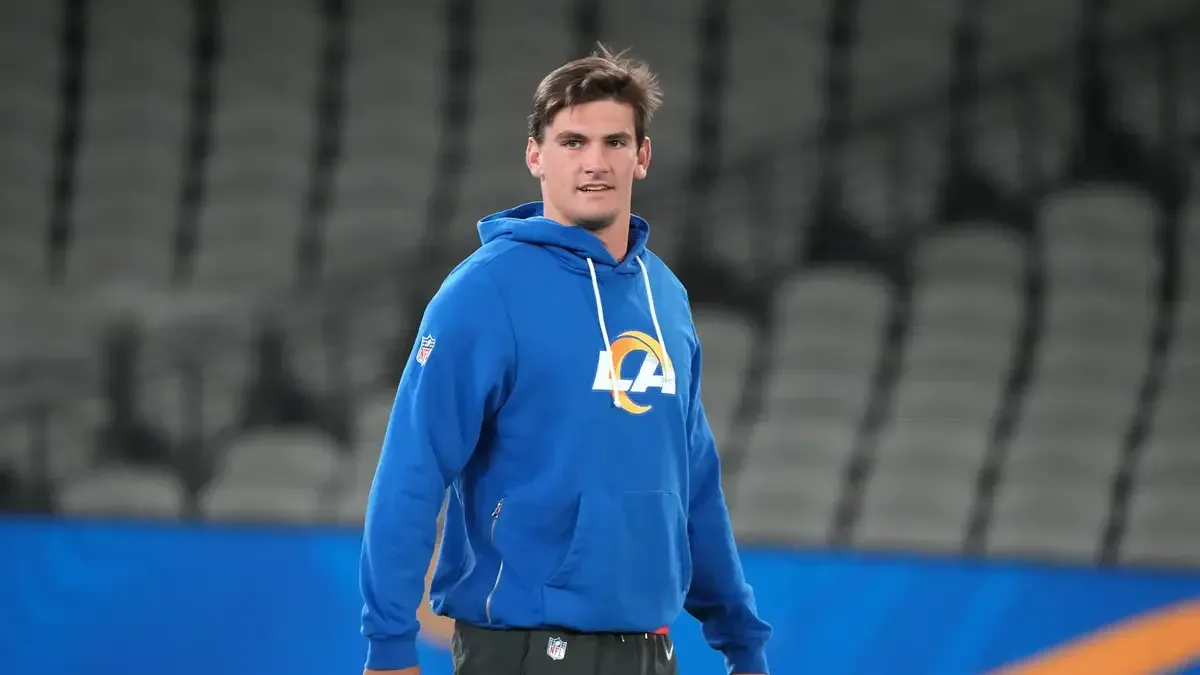
- Ty Simpson, QB, Rams — unchanged at No. 6
- Kenyon Sadiq, TE, Jets — down from No. 5
- Jadarian Price, RB, Seahawks — unchanged at No. 8
- Carson Beck, QB, Cardinals — up from No. 11
- Makai Lemon, WR, Eagles — unchanged at No. 10
Tier 3: Higher-variance names
- KC Concepcion, WR, Browns — down from No. 8
- Ted Hurst, WR, Buccaneers — unchanged at No. 12
- Jalon Daniels, QB, Buccaneers — up from No. 16
- Kaelon Black, RB, 49ers — unchanged at No. 14
- De'Zhaun Stribling, WR, 49ers — unchanged at No. 15
Tier 4: Players to monitor
- Mansoor Delane, CB, Chiefs — previously unranked
- Sonny Styles, LB, Commanders — unchanged at No. 17
- Arvell Reese, LB, Giants — unchanged at No. 18
- Ja'Kobi Lane, WR, Ravens — previously unranked
- Antonio Williams, WR, Commanders — previously unranked
Why the leading four have not moved
The ranking’s top four has held its shape even though the on-field situations vary sharply. Mendoza occupies the premium quarterback spot. Love has the running-back appeal that can accelerate quickly when a player earns visible work. Tyson is still approaching a possible season debut for a Saints offense that needs explosiveness. Tate has been a bright spot despite Tennessee’s 0-5 record, though he had a difficult outing against Houston.
That shared stability is not an argument that every player has supplied the same level of production. It is an acknowledgment that early collectible interest often prices in what teams have signaled about a player as much as what has already occurred.
Draft capital is the useful term here. It means the level of selection a team used to acquire a player. Higher selections do not guarantee a successful career or a reliable card market, but they can indicate a larger organizational investment and a clearer route to being featured. When that investment leads to playing time and production, the hobby has an easier narrative to follow.
That is why the top four can stay in place while a receiver such as Boston makes a strong push from behind. The market is balancing two questions at once: who was expected to matter, and who is proving able to matter now?
Related coverage includes 2026 NFL Rookie Card Watch: Week 5’s Top 20 Collectible Players.
Denzel Boston has the clearest production-based case
Boston is Week 5’s standout mover. The Browns receiver, selected 39th overall, is second among rookie wide receivers with 29 targets and has scored three touchdowns in five weeks. A target is simply a pass directed at a receiver, whether or not it is caught. It is not a complete measure of performance, but it can be a meaningful early signal because it captures how often a quarterback and coaching staff are choosing to involve a player.
Boston’s three touchdowns add the kind of visible, easily understood production that frequently drives hobby attention. Touchdowns are imperfect measures of sustainable player quality; they can be affected by field position, play calling and game flow. But for an emerging rookie-card market, scoring creates moments, highlights and a straightforward reason for buyers to look closer.
The key tension is that Boston’s output has yet to displace the higher-drafted names in the top four. That does not diminish his rise. It defines it. His current placement at No. 5 reflects an early case built on real opportunity and scoring, while also recognizing that rankings remain sensitive to future roles.
For someone evaluating Boston cards, the practical takeaway is not to assume a straight line upward. It is to follow whether the target volume remains intact. Continued involvement would strengthen the argument that the early results represent a durable role rather than a short hot stretch.
Quarterbacks Beck and Daniels represent two very different bets
Quarterbacks tend to command outsized attention because the position can define an NFL team’s identity and dominate the game’s storytelling. But quarterback cards are also especially dependent on starts, wins, big plays and the perception that a player has control of a long-term job.
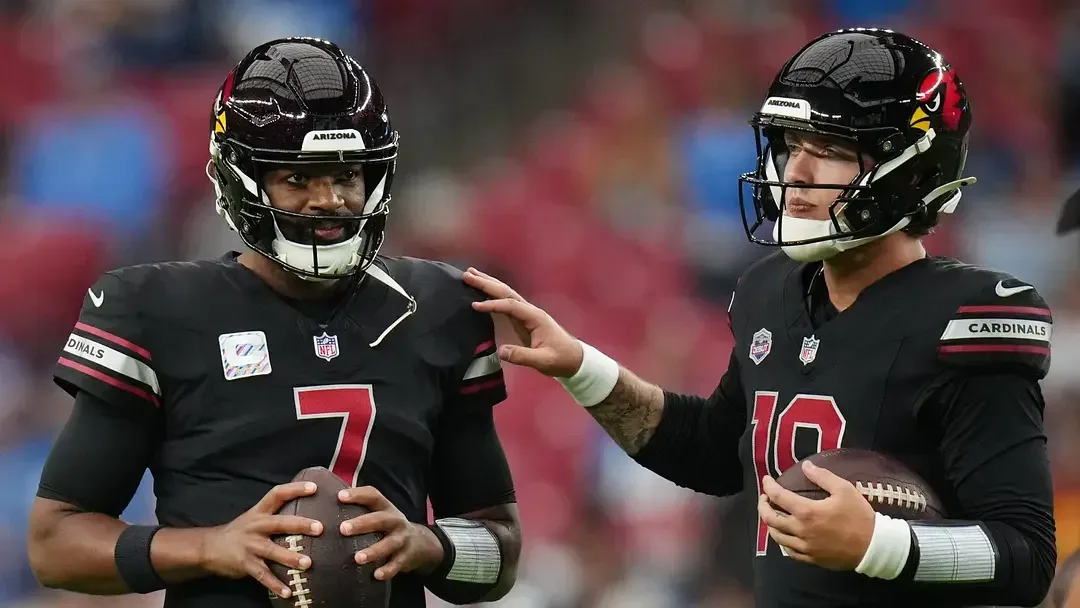
Beck’s move to No. 9 is a classic path-to-opportunity case. Arizona is 1-4, Jacoby Brissett has been the starter, and the team used the 65th pick on Beck. The ranking’s logic is not that Beck has already established himself as a top rookie performer. Rather, it is that a team with a difficult start may need to evaluate a younger quarterback before the 2027 draft, where Arizona could have a high selection.
That is a speculative premise, and it should be treated as one. A potential debut is not the same as confirmed starting status, and starting is not the same as sustained success. Yet even the prospect of a quarterback receiving meaningful snaps can alter collector interest quickly. Beck is therefore a player whose card outlook is closely tied to team decision-making rather than an established statistical résumé.
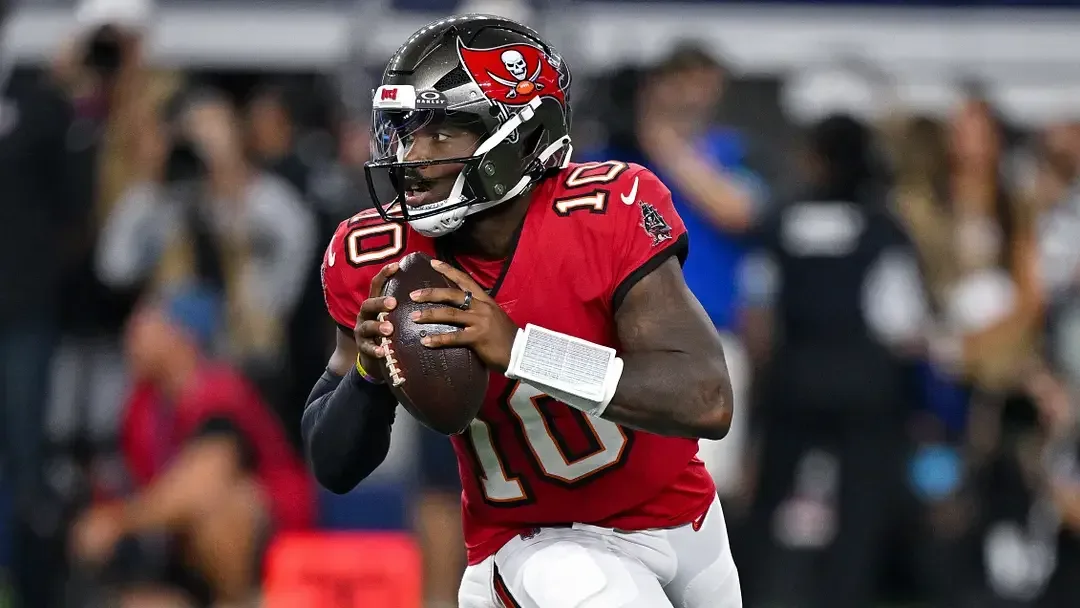
Daniels has a more immediate football development behind his rise. The undrafted Buccaneers rookie helped Tampa Bay beat Dallas on Thursday, while Baker Mayfield is dealing with a broken thumb. Daniels has been described as decisive and quick to release the ball—traits that can help a quarterback keep an offense functioning, even if they do not automatically create a flashy collectible narrative.
His situation contains uncertainty in both directions. Mayfield could return, reducing Daniels’ role, but health concerns can also keep a backup relevant. Daniels’ move to No. 13 makes sense as a recognition of live opportunity, not a declaration that he has solved Tampa Bay’s long-term quarterback picture.
What separates a card watchlist from a buy list
A ranking of players to collect is best read as a watchlist, not a promise of appreciation. This distinction is particularly important when multiple products are entering the market, including 2026 Bowman and upcoming Topps Heritage and Topps Midnight releases. More releases can mean more choices for collectors, but they also demand greater care about exactly what is being compared.
Collectors should first identify the card rather than treating every card of a player as interchangeable. The set, edition, serial numbering, autograph status, memorabilia component and physical condition can all distinguish one card from another. A player’s on-field momentum may be real while the specific card under consideration is still a poor fit for someone’s collecting goals or budget.
Second, separate a personal-collection decision from a market decision. If a collector likes a player, team or design, that can be a complete reason to add a card. If the aim is financial upside, the evidence is more fragile. It depends on future playing time, performance, health, product supply and wider buyer demand—factors that no Week 5 ranking can settle.
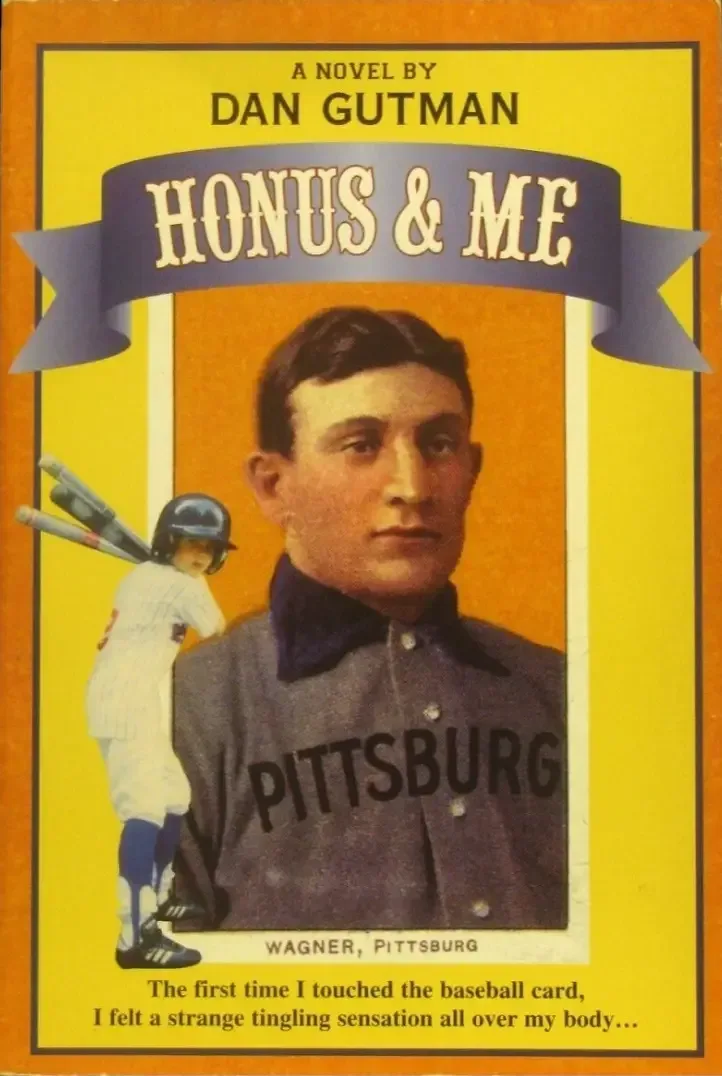
Condition also remains fundamental in physical cards. Corners, edges, surface and centering influence how a card presents and whether grading could be relevant. A broader look at how condition interventions can shape perception is useful context in the recent discussion around a restored T206 Honus Wagner. The eras and markets are very different, but the core lesson travels: understand precisely what you are buying.
Defenders remain the hobby’s difficult assignment
Chiefs cornerback Mansoor Delane enters at No. 16 after being unranked last week. He is a top-10 pick, is regarded as one of the league’s strongest rookies through the first month, and plays for one of the NFL’s two remaining unbeaten teams. Those are meaningful visibility advantages.
Even so, defensive players face a steeper route to broad trading-card attention. Corners in particular can play extremely well without compiling statistics that are easily marketed to casual buyers. Turnovers help because interceptions and return scores create memorable highlights and concrete box-score hooks. Without them, elite coverage can be comparatively quiet in a hobby that tends to reward quarterbacks, offensive skill players and obvious scoring production.
Delane’s placement is therefore a sensible monitor call. If Kansas City continues as a Super Bowl contender, he should receive prominent stages. But the card-market hurdle is not merely playing well; it is translating that play into recognizability that survives beyond a short stretch of games.
Linebackers Sonny Styles and Arvell Reese remain at Nos. 17 and 18, respectively, facing similar positional realities. Their inclusion confirms that a rookie watch should not ignore strong defenders, while their lower placement reflects the category’s historical demand imbalance.
The names entering and falling
Ja'Kobi Lane of the Ravens and Antonio Williams of the Commanders join the list at Nos. 19 and 20. Their arrivals, alongside Delane’s, show that the bottom of a 20-player watchlist can turn over quickly as new roles and performances emerge.
At the same time, movement downward is not necessarily a verdict. Kenyon Sadiq slides from No. 5 to No. 7, while KC Concepcion falls from No. 8 to No. 11. In a young class, rankings can be revised by a small amount of new information. The more helpful approach is to watch the reason for movement: changing targets, changing depth charts, injuries, expected debuts or a team’s changing season outlook.
Week 5’s picture is clear enough to establish tiers, but it is far from settled. The top four still carry the class’s biggest early expectations. Boston is supplying the loudest production-driven challenge. Beck and Daniels illustrate why quarterback opportunity can reshape discussion almost overnight. And Delane highlights the tougher, often underappreciated task of converting defensive excellence into sustained hobby attention.