The 2026 NFL rookie-card market begins with a different mood from the quarterback-heavy excitement that surrounded the 2024 class. That earlier wave demonstrated both the appeal and fragility of rookie speculation: a player’s hobby attention can rise quickly, then cool just as quickly when opportunity, performance or expectations change. For collectors approaching 2026 products, the useful question is not simply who was drafted highest. It is which rookies have a plausible route to playing time, a prominent offensive role, a durable fan base or the kind of scarcity and story that can keep interest alive.
Topps holds the NFL license, setting the stage for a substantial run of products featuring this incoming class. More releases do not automatically make every rookie card a winner, though. Collectors will still need to distinguish between a player’s on-field path and the many versions of his cards that may arrive across base sets, parallels, autographs and inserts. The names below offer a 20-player watch list for the 2026 season, grouped by the degree of certainty or risk attached to their collecting case.
This is not a promise of future value. Football cards can move with a single depth-chart decision, breakout game, injury or product chase. Instead, treat the tiers as a way to organize attention and avoid the trap of assuming every early-season headline needs to become an immediate purchase. The best collection plan is often closer to the discipline behind building a focused collection rather than buying everything in sight: know what role each card is meant to serve before chasing it.
Tier 1: The strongest rookie-card foundations
The first group contains the most obvious hobby focal points. Each is a top-15 selection with a situation that could generate meaningful card attention if the player succeeds. Position matters, naturally: quarterbacks still command the broadest upside, while skill-position stars can establish lasting collector demand when they become central to an offense.
- Fernando Mendoza, QB, Las Vegas Raiders
Mendoza sits at the top of the class and may have a gap over the rest of the field. Quarterback status, draft position and the Raiders landing spot combine to make him the clearest initial hobby headliner. The usual quarterback warning applies—expectations will be enormous—but that is also why Mendoza will be a central name whenever 2026 rookie products are discussed. - Jeremyiah Love, RB, Arizona Cardinals
Love leads the running-back contingent. Backs can produce exciting short-term hobby surges, especially when workload and scoring chances follow, even if the position’s card market can be less steady over the long haul than an elite quarterback or receiver market. - Carnell Tate, WR, Tennessee Titans
Tate has the draft capital and receiver profile to invite early collector attention. Wideouts who become the defining option in an offense can maintain relevance beyond one splashy rookie stretch, making Tate’s role development an important season-long storyline. - Ty Simpson, QB, Los Angeles Rams
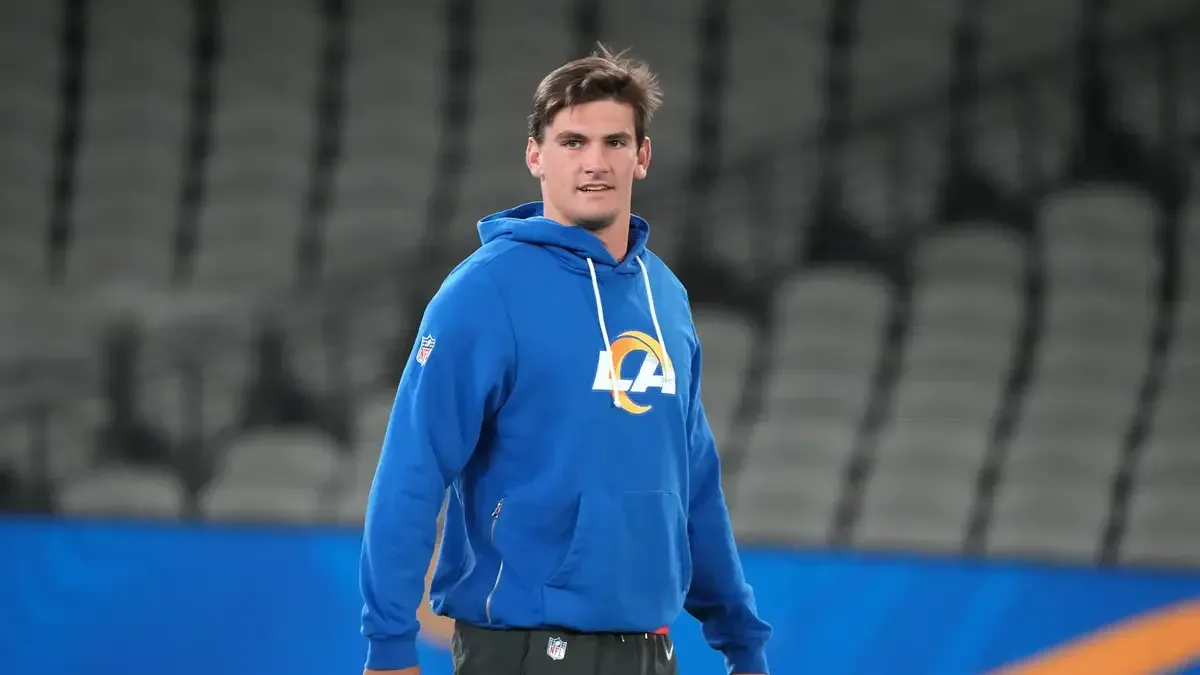
Simpson is a patience play. He is not expected to start in Los Angeles for the next two years, which may keep immediate demand more restrained. That same delay creates a possible lower-cost entry point for collectors who believe in the long-range profile. The broad precedent is clear: quarterback card markets can reawaken dramatically when a waiting player finally receives the starting job, as happened with Jordan Love. - Jadarian Price, RB, Seattle Seahawks
Price is another top running-back name whose rookie cards will be tied closely to touches and opportunity. For collectors, his appeal is less about abstract potential than whether his Seattle role turns into visible weekly production. - Jordyn Tyson, WR, New Orleans Saints
Tyson rounds out the top tier. A receiver’s ability to become a reliable part of an offense is the key to a more sustained card case, and Tyson begins with the profile to remain firmly on collectors’ radar.
Tier 2: Premium speculation with major variables
The next four names have notable upside but a less settled route to broad hobby demand. This tier leans heavily on receivers, a position that can reward collectors when a player grows into a featured role. The question is whether these players rise to that level rather than simply serving as useful contributors.
- Makai Lemon, WR, Philadelphia Eagles
Lemon enters an Eagles environment that will draw plenty of attention. For his cards to graduate from speculation to a stronger market position, his offensive standing will matter more than the initial novelty of being a rookie in Philadelphia. - Carson Beck, QB, Arizona Cardinals
Beck may receive a chance to start a few games in 2026. That possibility alone gives him quarterback-driven intrigue, but it also defines the risk: a limited audition is not the same thing as a clear long-term starting runway. Comparisons to Tyler Shough’s opportunity with the Saints in 2025 should not be pushed too far; the meaningful common point is simply the possibility of a short-term opening. - KC Concepcion, WR, Cleveland Browns
Concepcion is one of two Browns receivers on this list. That makes role clarity especially relevant. Collectors will be watching for targets, highlight moments and evidence that he can become a key piece rather than getting lost in a crowded rookie conversation. - De’Zhaun Stribling, WR, San Francisco 49ers
Stribling’s 49ers affiliation gives his rookie cards an obvious audience, but the on-field path remains the central variable. In a receiver tier built on high-end possibility, that combination places him squarely in the speculative category.
Tier 3: Cases built on opportunity, recovery and upside
“Wishful thinking” does not mean these players lack talent. It means collectors must accept more uncertainty. This tier is dominated by Day 2 selections from the 2026 NFL Draft, with Kenyon Sadiq and Denzel Boston as the exceptions. That draft context can create more affordable entry points, but it also means the market is likely to demand clearer proof before assigning a player sustained attention.
- Kenyon Sadiq, TE, New York Jets
Tight ends are rarely the easiest rookie-card bet, yet a player who establishes a prominent role can separate himself from the pack. Sadiq’s Jets placement makes his usage worth monitoring throughout the season. - Drew Allar, QB, Pittsburgh Steelers
Allar carries the inherent curiosity attached to any rookie quarterback, while his place in this tier reflects the uncertainty surrounding the path ahead. For collectors, he is a name to track patiently rather than an automatic chase. - Chris Bell, WR, Miami Dolphins
Bell may be the most compelling value argument in the group. The Louisville product was chosen in the third round after a torn ACL suffered in November affected his draft outlook; otherwise, he could have entered first-round consideration. He has recovered and is in a position where a meaningful 2026 role could change the conversation around his cards quickly. - Ja’Kobi Lane, WR, Baltimore Ravens
Lane offers the classic Day 2 receiver proposition: a reasonable chance for demand to grow if he earns a visible spot, paired with a need for patience before the market decides he is more than a developmental name. - Denzel Boston, WR, Cleveland Browns
Boston joins Concepcion in Cleveland and gives the Browns two entries in the top 20. As with any team pairing at the same position, collectors should watch who earns the more meaningful connection to the offense. - Kaelon Black, RB, San Francisco 49ers
Black’s 49ers rookie cards will be driven by the same fundamental test facing every running back: does the player receive enough work to translate potential into hobby momentum?
Tier 4: The defensive exception
Defensive players usually face a tougher long-term sports-card market. Their impact can be immense on the field without generating the weekly box-score hooks that commonly fuel interest in quarterbacks, running backs and receivers. Even so, this rookie class has a few names capable of challenging that convention, particularly when team following, draft story and awards contention are involved.
- Omar Cooper Jr., WR, New York Jets
Cooper is a receiver listed alongside this defense-oriented group, but his place here underscores the distance he may need to travel before joining the more established skill-position cases above. - Caleb Downs, S, Dallas Cowboys
Downs was regarded as one of the best players in the entire class, yet fell to No. 11. His Dallas landing spot could provide an unusually strong collector base for a safety, and the combination of talent, draft narrative and Cowboys interest makes him an important defensive-card experiment. - Ted Hurst, WR, Tampa Bay Buccaneers
Hurst is another receiver whose rookie-card case will depend on converting an opportunity into a recognizable offensive role. Tampa Bay gives him a clear NFL backdrop, while the rest must be earned during the season. - Rueben Bain Jr., OLB, Tampa Bay Buccaneers
Bain begins 2026 as an odds-on Defensive Rookie of the Year favorite. That awards angle is especially meaningful for a defensive prospect, because a major rookie honor could give collectors a straightforward narrative around which to build demand.
How collectors can use the list
The practical takeaway is to match the card to the thesis. Mendoza is the flagship quarterback chase. Simpson represents the longer wait. Bell is an injury-recovery and opportunity case. Downs and Bain test whether defensive excellence, team interest and awards recognition can produce more persistent demand than the position normally receives. Receivers such as Tate, Tyson, Lemon and Concepcion depend heavily on becoming identifiable focal points in their respective offenses.
Related coverage includes 2026 NFL Rookie Cards: 20 Players Collectors Should Watch.
As more 2026 football products arrive, collectors should also separate a player bet from a product bet. A favorite rookie can appear in abundant base cards and many parallel formats, so not every card of that player carries the same appeal. Focus on the particular card attributes that fit your collection—set design, serial numbering, autograph status, team appeal or simply a favorite player—rather than treating a player’s ranking as a reason to buy indiscriminately.
Weekly developments will reshape this board. Starting chances, target shares, running-back workloads, health updates and defensive awards races all matter. In a class without the instant quarterback frenzy of recent years, careful tracking may be more valuable than rushing into the first wave. The hobby’s attention will eventually narrow. These 20 rookies are the names most worth watching as that process begins.