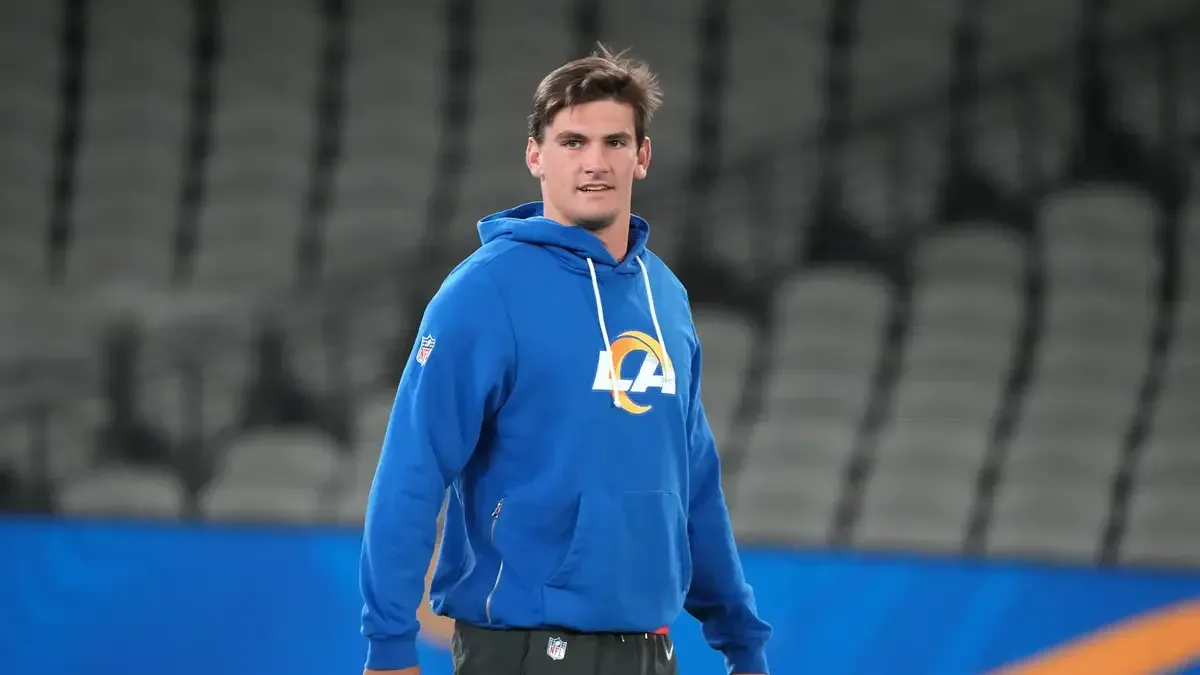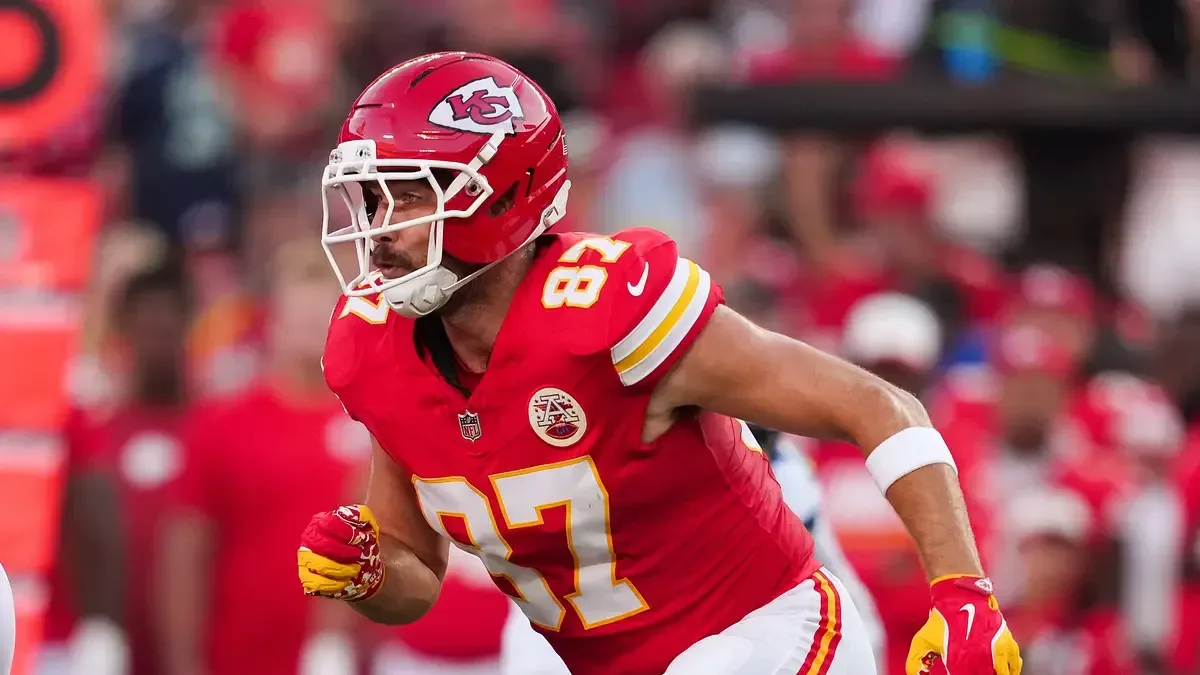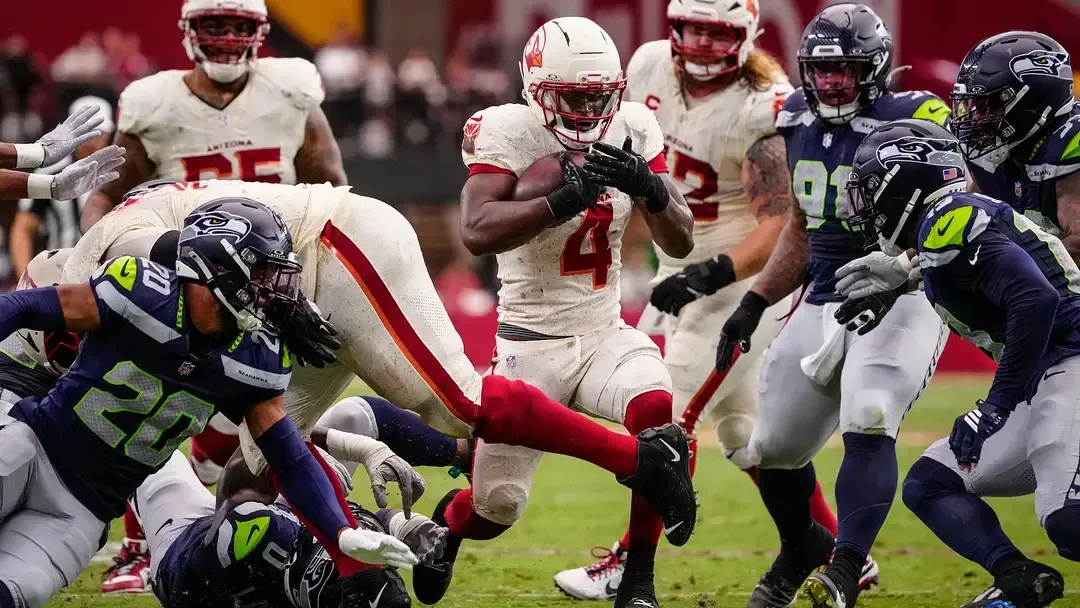
The early 2026 NFL rookie-card conversation has a familiar problem: two weeks is enough time to change attention, but nowhere near enough time to settle a player’s long-term place in the hobby. That makes the current board less a verdict on the class than a snapshot of where collectors’ focus is concentrating—and where it is beginning to drift.
Fernando Mendoza of the Raiders remains the leading name, with Arizona Cardinals running back Jeremiyah Love still directly behind him. Neither player has played a down this season, a reminder that rookie-card interest does not move solely on NFL game production. Draft expectations, position, team situation and perceived upside can keep a player at the front of collector attention even before an on-field case has been made.
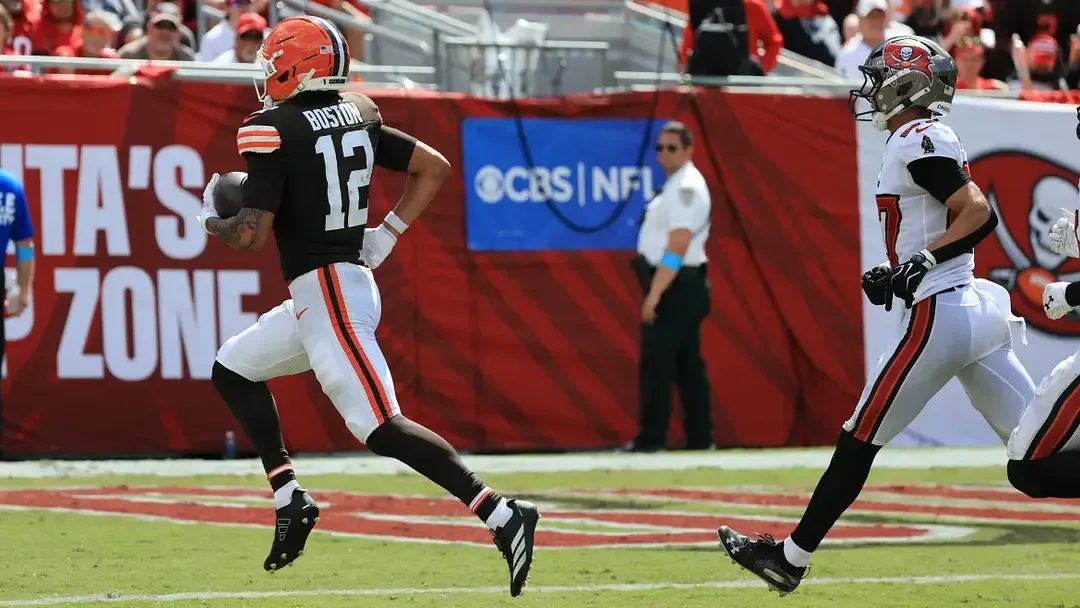
The meaningful movement near the top comes from Saints wide receiver Jordyn Tyson, who jumps from No. 6 to No. 3. On the production side, Cleveland Browns receiver Denzel Boston has made an even bigger rise, moving from No. 15 to No. 7 after becoming a bright spot in a slow opening for the class. With 2026 Bowman Football expected soon, the pool of cards for collectors to consider is also set to expand.
How to read an early rookie-card ranking
A rookie-card ranking is not the same thing as a stat leaderboard. It is a measure of collector attention and perceived value at a particular point, shaped by performance but also by opportunity, health, position and the possibility of a larger role later in the season.
Quarterbacks frequently loom especially large in this kind of discussion. Carson Beck and Drew Allar are not among the top handful of names today, but both have a possible path to starts this season: Beck with the Cardinals and Allar with the Steelers. That possibility alone can make them important speculative names. Speculation, in this context, means buying or prioritizing a player based on what may happen rather than what has already happened. It carries obvious risk: a projected opening can disappear, and an opportunity does not guarantee production.
Collectors should also separate the player from the card. A player can rise in attention while the available products, releases and specific card formats determine what is actually easy to find or pursue. The recent uncertainty surrounding Panini products has made midseason speculation more difficult, while the impending Bowman Football release provides another development to monitor rather than an automatic reason to buy every rookie immediately.
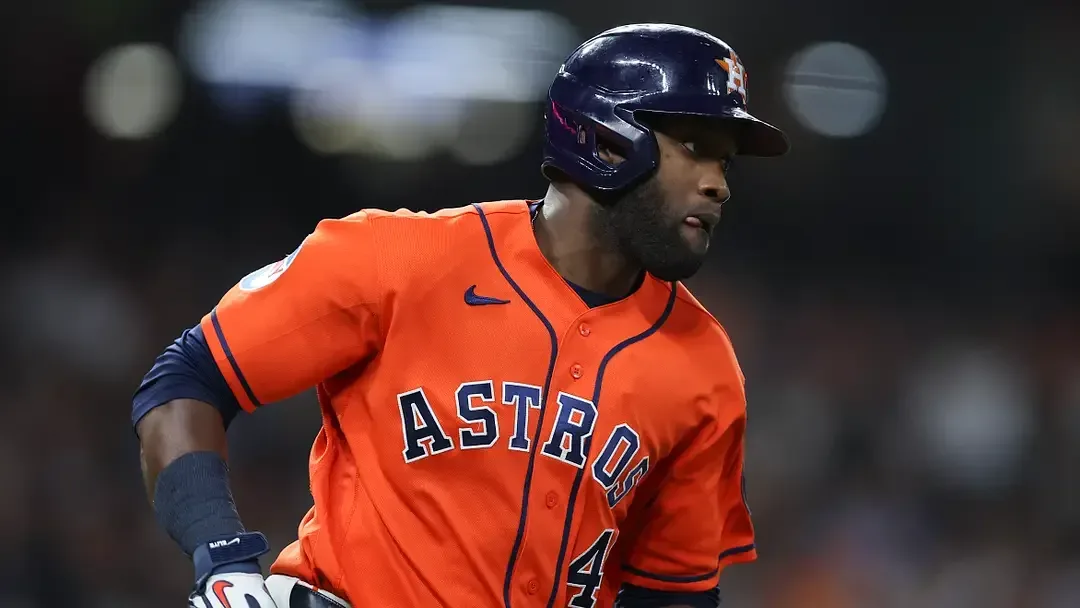
That distinction matters when comparing this early football board with other rookie-card markets. A player’s standing can be driven by the individual card’s scarcity, autograph status, color parallel or condition as much as athletic momentum. For a useful example of how a single premium parallel can dominate the record around a player, see this look at Yordan Alvarez’s Bowman Red autograph.
Tier 1: the names collectors are still building around
- QB Fernando Mendoza, Raiders — No. 1 last week
- RB Jeremiyah Love, Cardinals — No. 2 last week
- WR Jordyn Tyson, Saints — No. 6 last week
- RB Jadarian Price, Seahawks — No. 5 last week
Mendoza and Love hold their positions at the head of the list, preserving the central value points of the class despite their lack of game action. Love’s place is particularly notable because he remains the top-ranked active-position player behind the Raiders quarterback without any stated week-to-week change.
Related coverage includes 2026 NFL Rookie Card Report After Week 2: Fernando Mendoza Leads, Jordyn Tyson Climbs.
Tyson is the tier’s story. His rise is tied to the start from Saints quarterback Tyler Shough, who leads the NFL in passing yards through two weeks. Tyson has been described as an excellent target when healthy and could develop into a needed additional option alongside Chris Olave. The important caveat is health: hamstring injuries in recent years remain part of the risk profile around his ascent.
Price’s move from fifth to fourth is modest, but early rankings often turn on exactly that sort of incremental reshuffling. With so little separation established by games, stability has value. For collectors, the main point is not to mistake a single week’s move for proof of a permanent hierarchy. Tyson’s climb is meaningful because it reflects a changed offensive context, but that context still needs time to prove durable.
Tier 2: production, disappointment and the danger in buying a decline
- Ty Simpson, Seahawks — No. 4 last week
- WR Carnell Tate, Titans — No. 3 last week
- WR Denzel Boston, Browns — No. 15 last week
- Kenyon Sadiq, Jets — No. 11 last week
- WR Makai Lemon, Eagles — No. 7 last week
This tier contains the sharpest early contrasts. Tate and Lemon, both first-round picks, have had disappointing starts. Sadiq has primarily been deployed as a gadget-style piece in the Jets’ five-tight-end packages rather than in the kind of conventional role that makes a player’s early statistical case easy to follow.
The phrase “catch the falling knife” is a useful warning label for this part of the board. In collecting terms, it describes pursuing a player while interest is falling on the theory that the decline has already gone far enough. Sometimes that can be right; often, it assumes the decline will stop without enough evidence. A weak two-game start does not end a rookie season, but it also does not obligate the market to rebound on schedule.
Boston offers the counterargument to writing off the entire class. He has climbed eight places, the biggest movement among the established ranked players, and sits 13th in receiving yards. That makes him the standout productive rookie in a group otherwise described as short on early returns. His situation with the Browns also separates him from much of the list, as he is the lone exception among the starters named here who is not tied to a team expected to finish among the NFL’s poorer records.
Simpson, Tate, Sadiq and Lemon each remain ahead of several players with more obvious immediate storylines, which suggests their collector standing has not yet been erased by two games. Still, their movement shows how rapidly early expectations can be tested. Tate’s drop from third to sixth and Lemon’s slide from seventh to ninth underline the current uncertainty rather than establishing a final pecking order.
Tier 3: quarterback contingencies and other speculative paths
- QB Carson Beck, Cardinals — No. 8 last week
- WR KC Concepcion, Browns — No. 9 last week
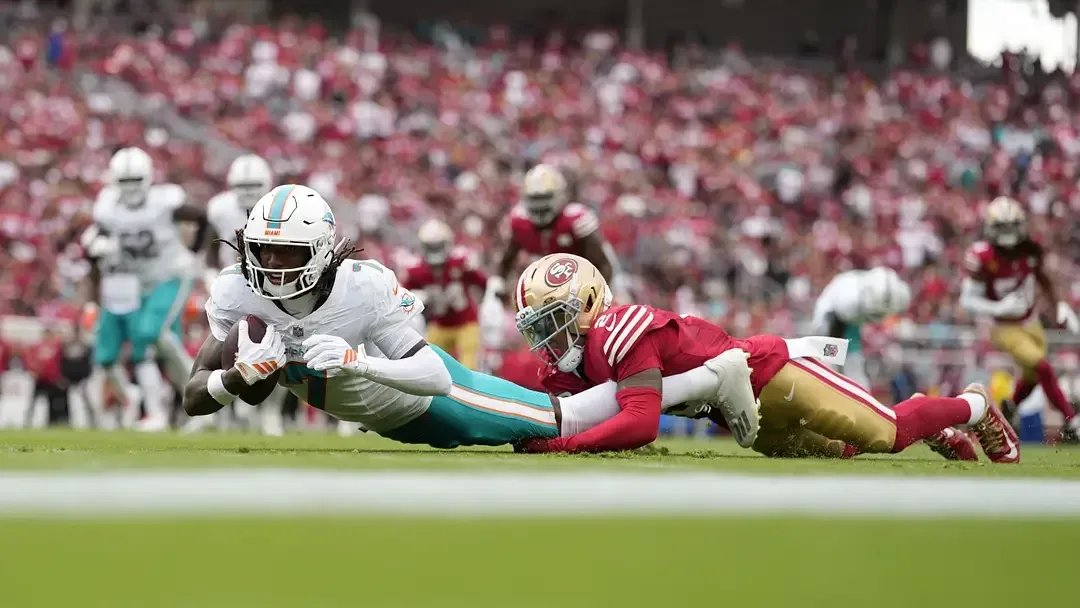
- WR Caleb Douglas, Dolphins — previously unranked
- RB Kaelon Black, 49ers — No. 16 last week
- Drew Allar, Steelers — No. 12 last week
Beck and Allar define the tier’s central theme. Their current card prices are not said to reflect their possible starting paths, but quarterbacks who take over during a season can receive a swift surge of hobby attention even before their first game. That is a market reaction to potential, not a measurement of proven NFL success.
Beck’s Cardinals connection also makes the situation more layered because Love is already near the top of the board. A change at quarterback can affect how collectors see the broader offensive environment, though it would be premature to draw firm conclusions from a possibility rather than a confirmed start. Allar’s Steelers outlook follows the same principle: his ranking is based on the potential for a role, and the uncertainty is inseparable from the appeal.
Douglas is the new entrant here, debuting at No. 12 after being unranked last week. Black’s 16-to-13 rise is another notable gain. Concepcion and Allar move only slightly, but the small changes fit a period in which the class has not delivered a large set of dominant, undeniable on-field cases.
For practical collecting, a speculative player should be approached with a specific thesis. Is the interest based on an opening for playing time, an offensive connection, recent production or simply a lower current ranking? If the answer is only “he might rise,” the collector is relying on the same vague optimism as everyone else. The more clearly the potential catalyst can be identified, the easier it is to reassess when circumstances change.
Tier 4: injuries put a clock on the decision
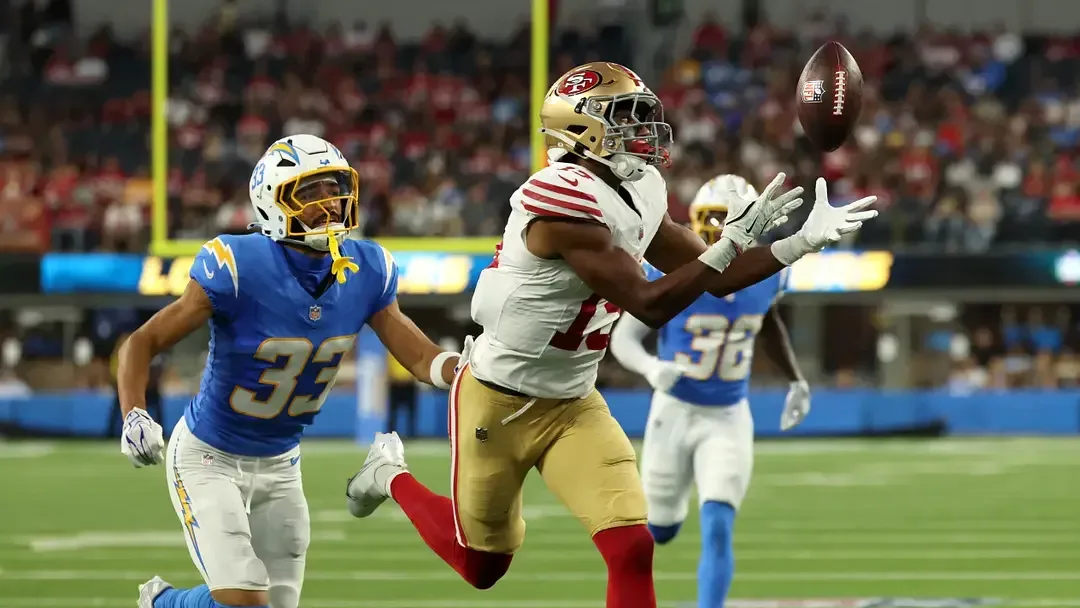
- WR De'Zhaun Stribling, 49ers — No. 10 last week
- WR Ja'Kobi Lane, Ravens — No. 14 last week
- WR Omar Cooper Jr., Jets — No. 17 last week
- WR Germie Bernard, Steelers — previously unranked
- RB Jonah Coleman, Broncos — previously unranked
- OLB David Bailey, Jets — previously unranked
Injuries are the clearest obstacle to maintaining early momentum. Three wide receivers in the top 20 are expected to miss at least four weeks, and Stribling could miss the season. He falls five places to No. 15, but remains the highest-ranked player in this group because the 49ers receiver has the strongest chance to make a postseason impact if he returns.
The challenge is not simply lost playing time. A multi-week absence gives healthy rookies more opportunities to establish themselves, potentially pushing injured players down the attention ladder. That is why this tier has a particularly fragile feel: it is not only waiting for returns but also competing with the next breakout candidate.
Lane and Cooper hold relatively steady, while Bernard, Coleman and Bailey enter the list. Bailey is the lone outside linebacker in the top 20, making him an unusual inclusion on a board dominated by quarterbacks, running backs and wide receivers. Positional differences matter in football cards because offensive players, especially quarterbacks, often command the broadest collector focus. Bailey’s appearance therefore reflects his place in this week’s ranking, while also emphasizing how few rookies have fully separated from the pack through two games.
What Week 2 actually tells collectors
The most defensible takeaway is that the 2026 rookie-card market remains unsettled. Mendoza and Love are stable at the top. Tyson has a new reason for attention in the Saints’ passing environment. Boston has delivered the strongest early evidence among the climbers. Beck and Allar represent quarterback-driven contingencies, while injuries have added pressure to the lower portion of the board.
None of those points turns a short sample into certainty. A patient collector can track role changes, health updates and production while recognizing the difference between a player whose case has strengthened and one whose appeal rests largely on a future scenario. With more cards on the way in Bowman Football, selectivity may matter more than chasing every movement in a week-to-week list.