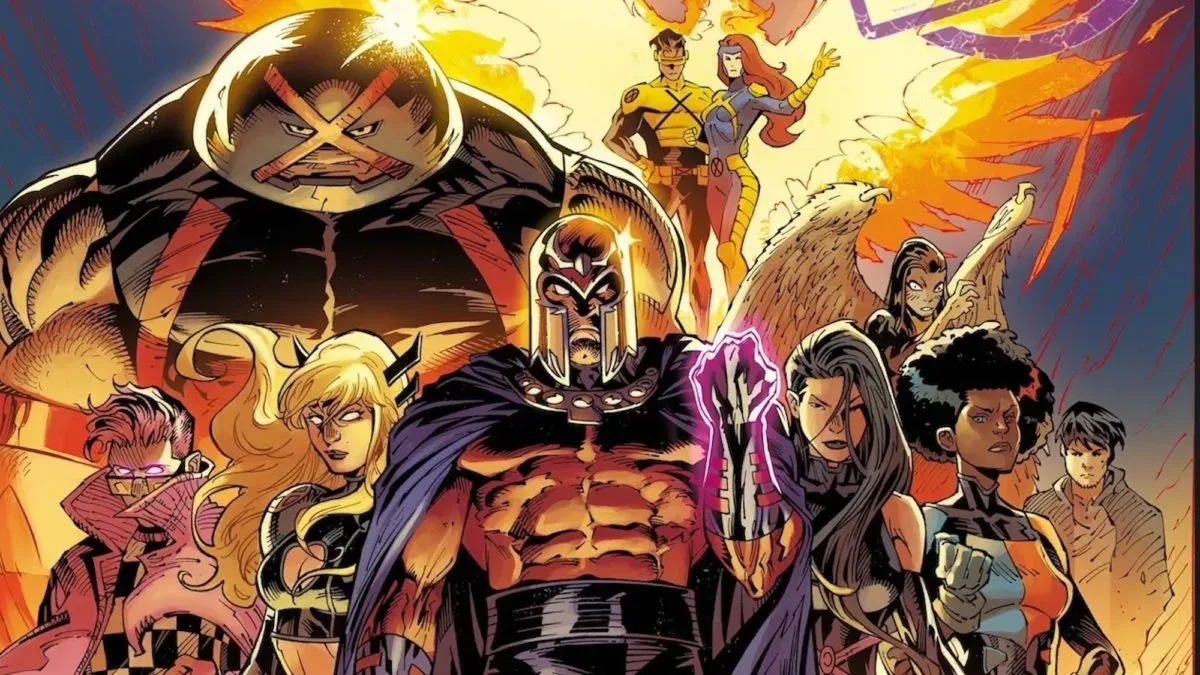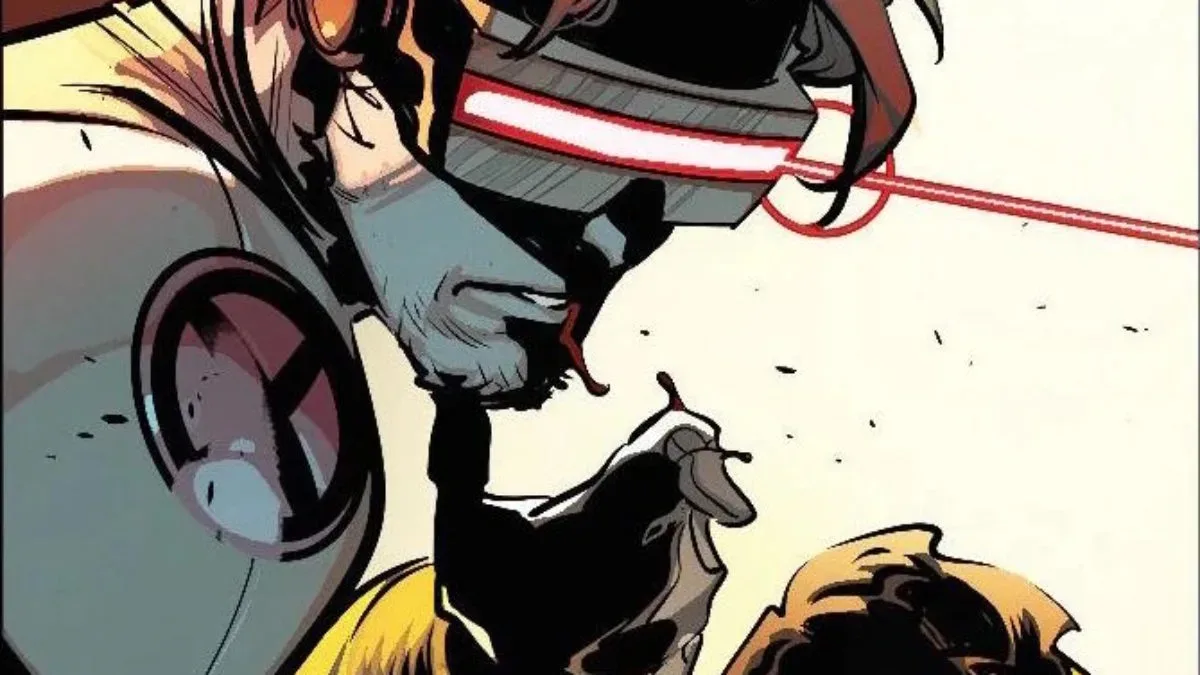
X-Men #39 splits its pressure points in two. While the X-Men are occupied by a battle in Philadelphia, hostile forces turn their attention to the team’s Alaskan home base, the Factory. The issue’s central hook is blunt and promising: John Greycrow is there to defend it, and the solicitation frames him as an army unto himself.
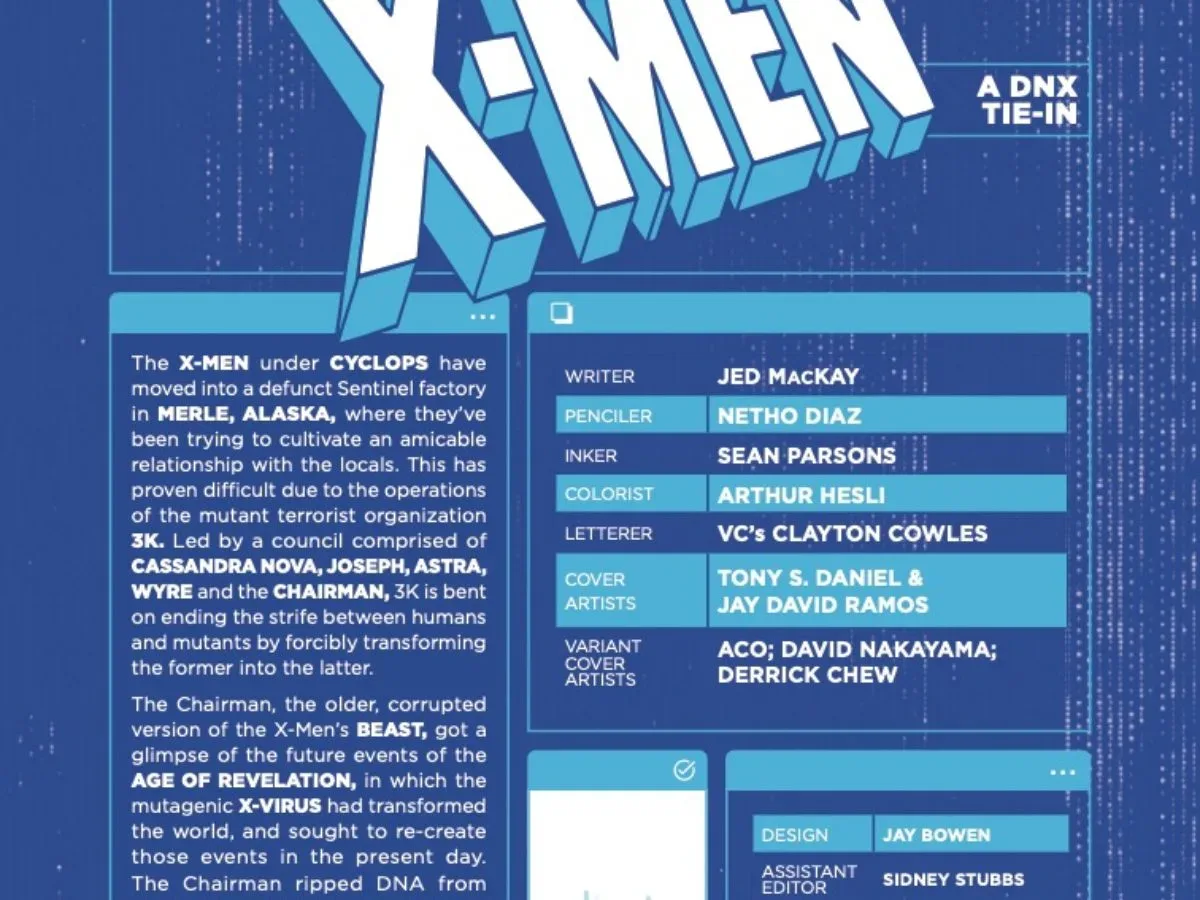
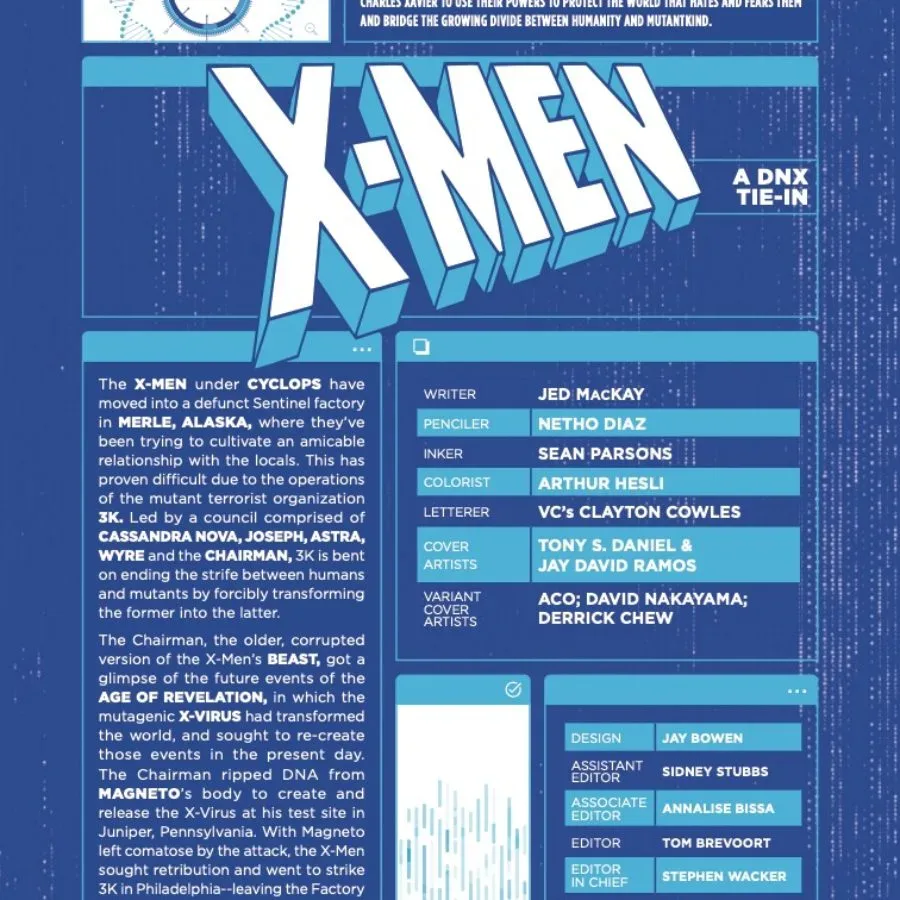
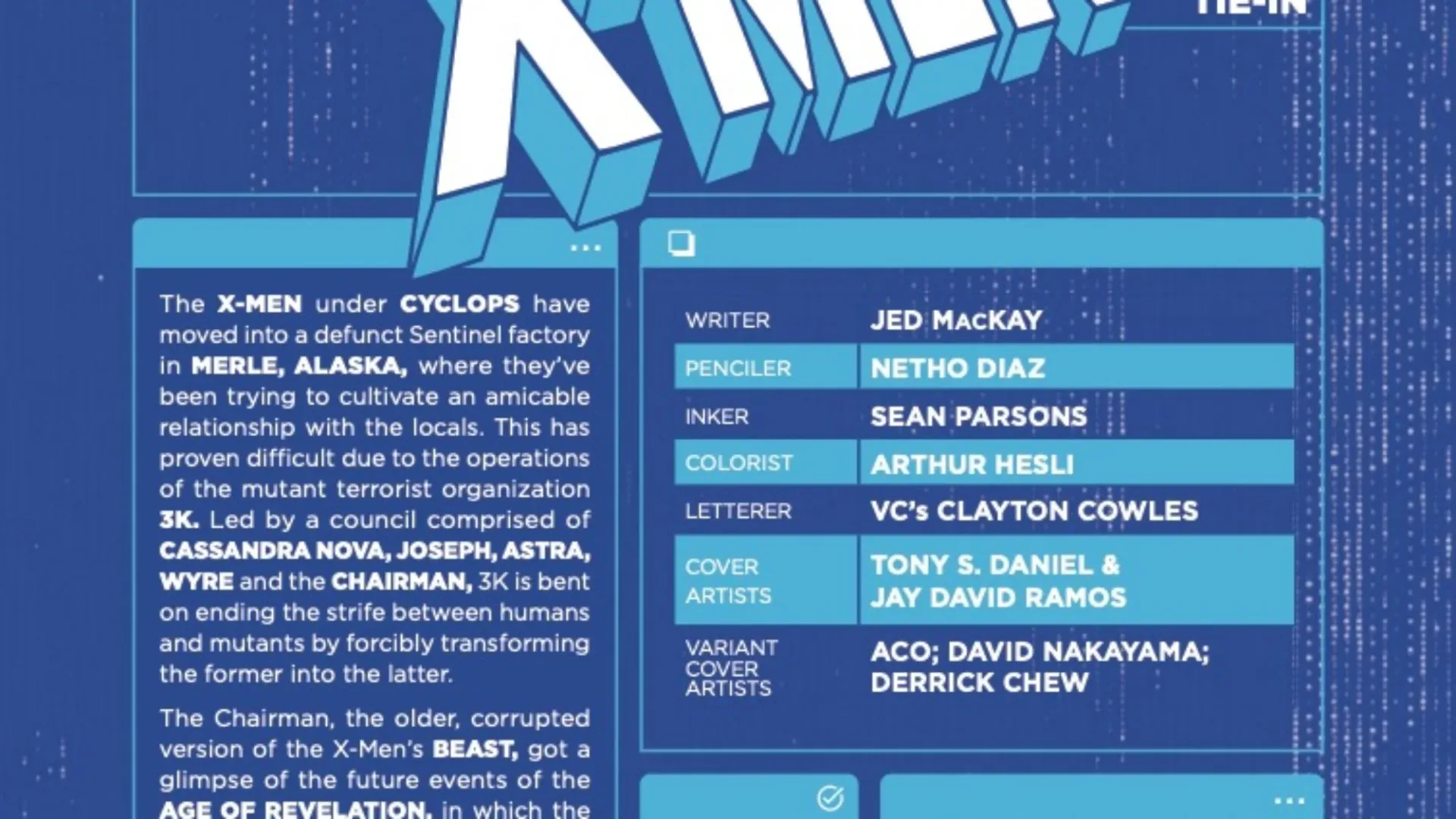
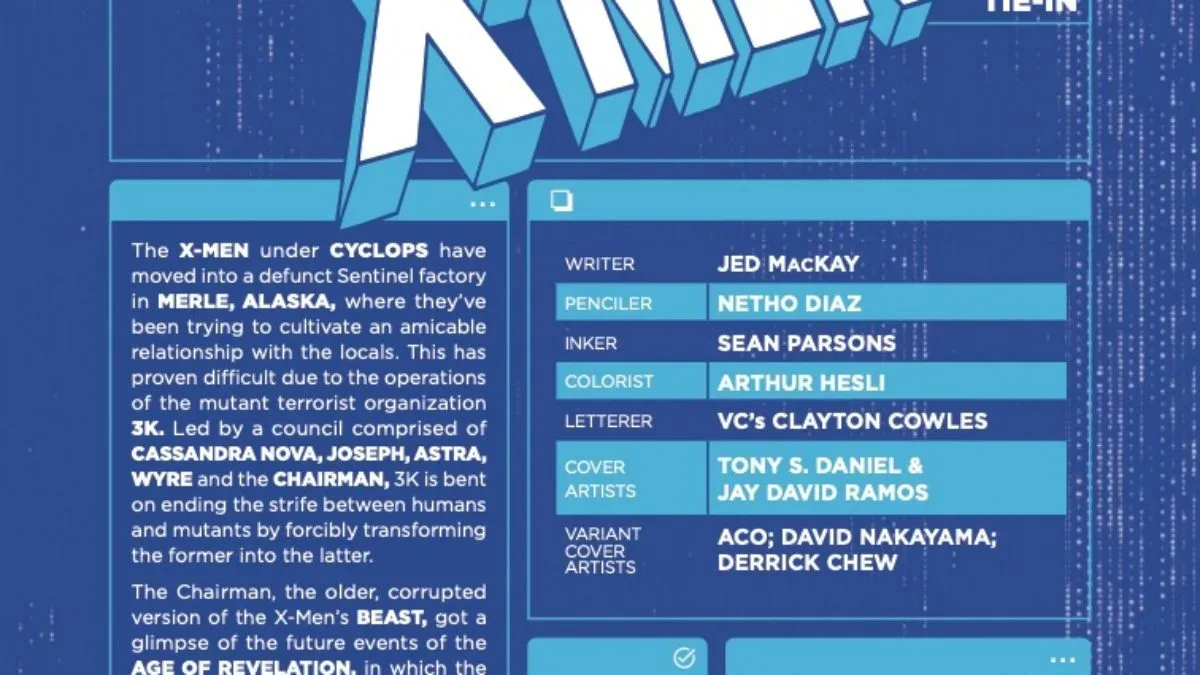
Arriving October 14 as a DNX tie-in, the 32-page Marvel issue is written by Jed MacKay, illustrated by Netho Diaz, and has a cover by Tony Daniel. Its stated setup makes the Factory more than backdrop. It is the location whose security becomes the immediate concern while the larger team is elsewhere, leaving Greycrow with the sort of concentrated, character-led assignment that team books do not always have room to deliver.
The setup: a divided team and a vulnerable base
The premise uses a classic superhero-team pressure test: divide the heroes geographically, then attack the place that is supposed to be safe. Philadelphia is where the X-Men are fighting, but Alaska is where their opponents see an opening. The Factory is identified as the team’s home base, meaning its defense carries an obvious practical purpose inside the story even before readers know exactly who is attacking or what they want.
That limited information is important. The material available for the issue does not identify the attackers, their numbers, their objective, or the exact scale of the assault. It also does not establish whether other defenders are present at the Factory. What is confirmed is the conflict’s basic division: the X-Men have been drawn into a fight in Philadelphia, enemies have targeted the Alaskan base, and Greycrow becomes the figure expected to hold the line.
For more context, explore Top 10 NES Shoot ’Em Ups Ranked by Weapon Systems, Scrolling Variety and Replay Value.
“While the X-Men do battle in Philadelphia, enemies put their sights on the X-Men’s home base — the Factory, in Alaska! But the Factory is not undefended…and John Greycrow is an army unto himself!”
For a crossover tie-in, that is a usefully direct mission statement. Rather than requiring the reader to infer where the issue fits in the broader event, the premise spells out the immediate consequence of the wider conflict: a diversion or parallel battle has created a vulnerability at home.
Why Greycrow is the focal point
John Greycrow has the issue’s clearest dramatic job. “An army unto himself” is promotional language, of course, but it signals an encounter built around endurance, tactics, and the capacity of one character to control a much larger confrontation. The interesting question is not simply whether he can fight. It is whether the Factory can remain protected while its usual support structure is away.
That distinction matters in a team comic. A solo defense story changes the rhythm. The character cannot rely on a teammate to cover a blind spot, trade places after an injury, or resolve every tactical problem with a convenient power combination. A base-defense scenario can also make the environment matter: entrances, corridors, equipment, escape routes, and the people or resources inside can all become factors. None of those specific elements have been confirmed for X-Men #39, but the Factory premise naturally creates room for a more contained kind of superhero action than the Philadelphia conflict described in the solicitation.
Greycrow’s role also gives the book a clean emotional angle. The team may be fighting at one front, yet the person left behind has to make choices without immediate reinforcement. If the issue follows through on its stated hook, the tension should come from the distance between those two battlefields as much as from the physical attack itself.
What “DNX tie-in” tells readers—and what it does not
DNX tie-in means that X-Men #39 is positioned as part of the wider DNX crossover event. In comics publishing, a tie-in is an issue connected to an event’s larger story rather than necessarily being the event’s central installment. It may show how the event affects a particular team, location, or character while the main conflict proceeds elsewhere.
In this case, the connection is visible in the split setting. The X-Men’s Philadelphia battle is explicitly linked to an attack on the Factory in Alaska. That makes the issue sound less like a detached side mission and more like a look at the consequences of the team being stretched across multiple fronts.
Readers should still be cautious about assuming more than has been announced. The solicitation does not say whether X-Men #39 can be read fully on its own, whether it directly continues a cliffhanger from another DNX chapter, or which additional issues are necessary to follow the full event. It also does not reveal the outcome of Greycrow’s defense. Those are questions for the comic itself and for further official reading information, rather than details established by the current preview text.
A base-defense story has high stakes without needing world-ending language
The Factory’s value is easy to understand from the setup alone: it is home. When an enemy targets a headquarters, the threat is not just a new fight for the heroes. It can threaten their ability to regroup, communicate, recover, or protect whatever makes that place important to the team. That is why the story’s Alaska side can carry weight even while the X-Men’s main force is facing combat in another city.
Analysis: The stated premise suggests that X-Men #39 may operate as a pressure-cooker installment within DNX. One location, one principal defender, and an oncoming threat can create a tighter structure than an issue that has to keep every member of a large ensemble equally busy. A focused defense does not automatically mean a small story; it often gives a comic a clearer point of view. Here, the premise offers Greycrow the chance to define the issue’s tone while the absent team provides a constant reminder that help may not be close.
There is also a practical storytelling advantage to putting the larger team in Philadelphia. Their absence is not merely an excuse to spotlight Greycrow. It establishes a credible constraint: the X-Men cannot instantly return to solve the Factory’s problem. The hook works because the team is already committed to another emergency.
Creative team and edition details
Marvel credits Jed MacKay as writer and Netho Diaz as artist, with Tony Daniel on the main cover. The issue is rated T+ and carries a $4.99 U.S. cover price. It is listed at 32 pages and is scheduled to go on sale October 14, 2026.
Two additional cover editions are listed alongside the main issue: an Aco variant and a Derrick Chew variant. Both variants are also listed at $4.99 in the United States and $6.25 in Canada. Variant covers are alternate cover-art editions of the same numbered comic; the supplied listing identifies the artists and prices, but does not provide plot differences or indicate any different interior content.
- Title: X-Men #39
- Publisher: Marvel
- Release date: October 14, 2026
- Writer: Jed MacKay
- Artist: Netho Diaz
- Main cover: Tony Daniel
- Format: 32 pages, rated T+
- U.S. price: $4.99
- Variants listed: Aco and Derrick Chew
What readers can reasonably expect
The safest expectation is a chapter that runs on parallel conflict. The X-Men are engaged in Philadelphia, while the Factory faces danger in Alaska. Greycrow is the character specifically positioned to answer that danger, and the comic’s marketing places his solo defense at the center of the issue.
Beyond that, the unanswered details are likely the point. Who has chosen this moment to strike the Factory? Is the attack designed to draw out information, damage the X-Men’s infrastructure, or simply exploit the team’s absence? How much can one defender preserve when the story labels him an army but still places him against an unspecified incoming threat? The solicitation leaves those questions open.
For readers following DNX, X-Men #39 appears set to show the event’s impact from a distinct angle: not just the public-facing fight in Philadelphia, but the risk created behind the scenes when a team’s home ground becomes a target. For readers most interested in Greycrow, it is a plainly signposted spotlight issue built around his capacity to protect the Factory when the rest of the X-Men cannot be there.