IDW Publishing’s Star Trek plans for 2027 are bringing two distinctive voices into the comic-book universe: novelist Timothy Zahn and actor Gates McFadden. The projects are part of the publisher’s wider celebration of the franchise’s 60th anniversary, but they occupy very different corners of the setting.
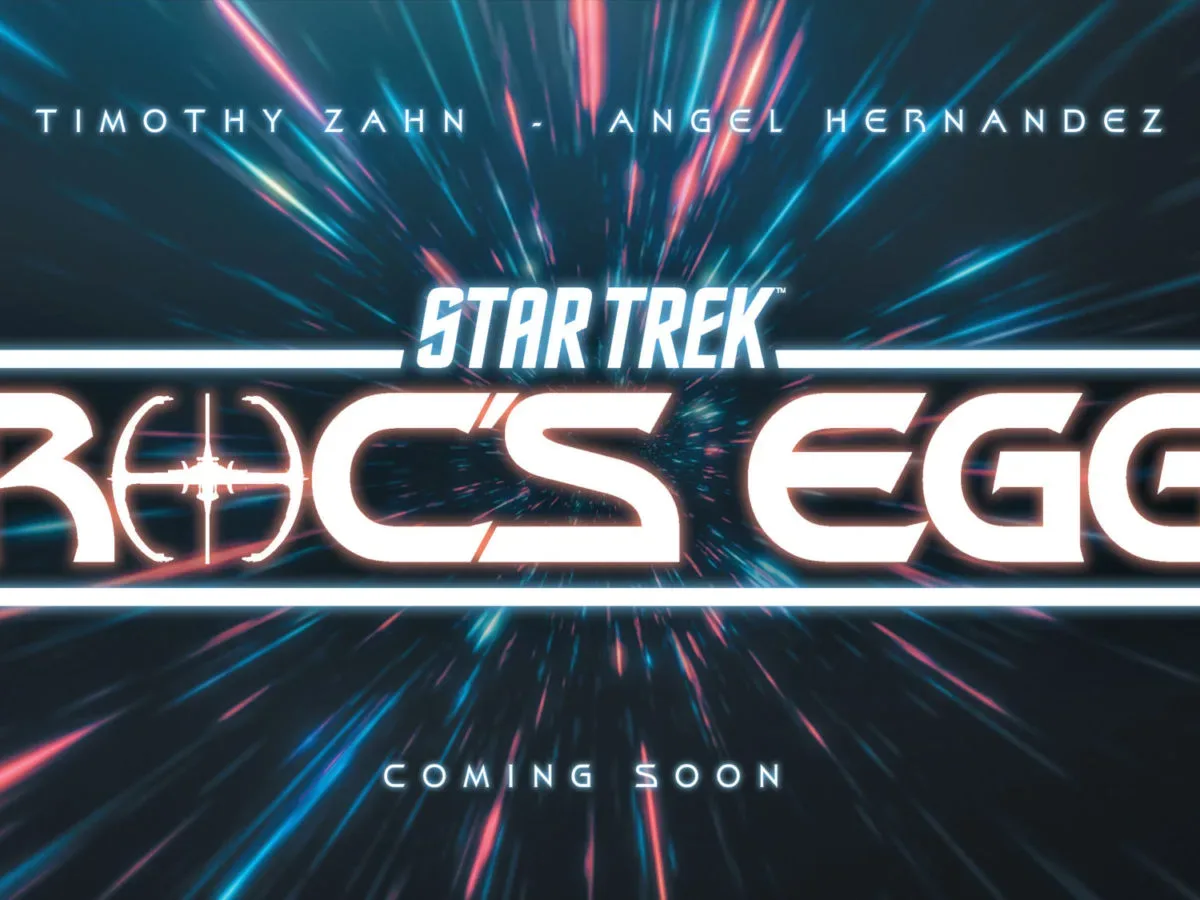
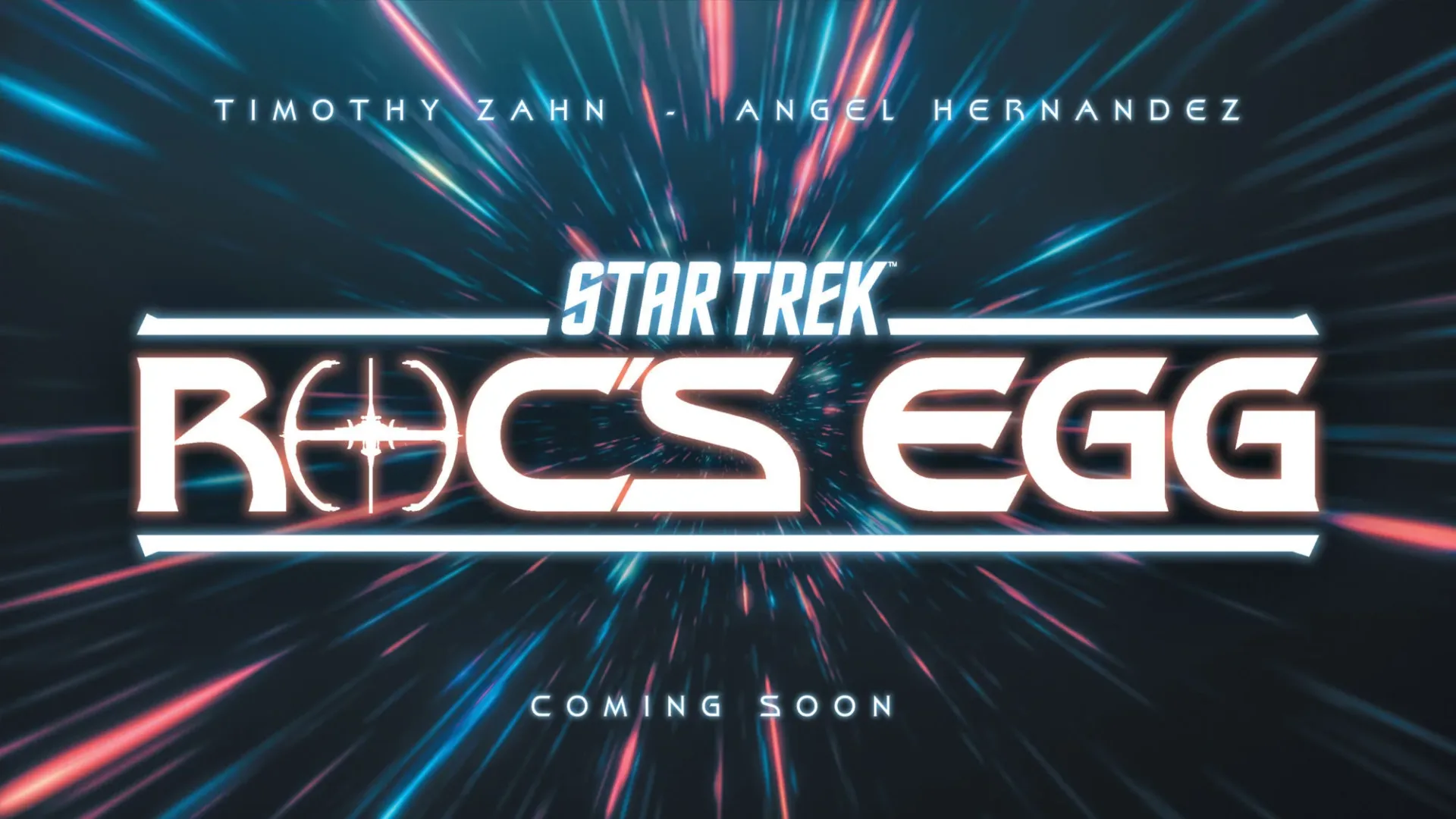
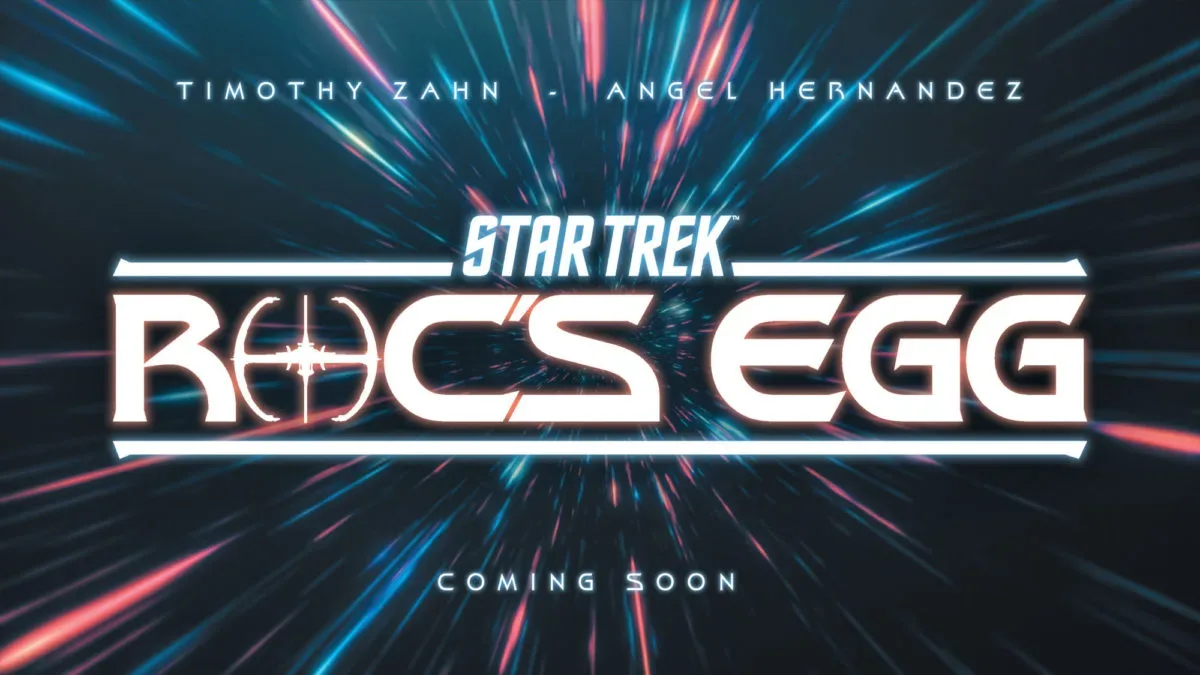
Zahn will write Star Trek: Roc’s Egg, an original graphic novel set on Deep Space 9 and illustrated by Ángel Hernández, scheduled for October 2027. McFadden, known for portraying Dr. Beverly Crusher on television, will make her comics-writing debut with Star Trek: Crusher, illustrated by Megan Levens and coloured by Charlie Kirchoff, due in summer 2027.
Both books have a clear hook beyond the novelty of their creators’ names. Roc’s Egg is positioned as a mystery involving a supposedly destroyed artefact, competing interests and a Federation investigation. Crusher is intended to explore the two-decade period between Star Trek: Nemesis and Star Trek: Picard in Beverly Crusher’s life. One looks built around an ensemble puzzle on a famously complicated space station; the other offers an actor the opportunity to shape a new chapter for the character she played.
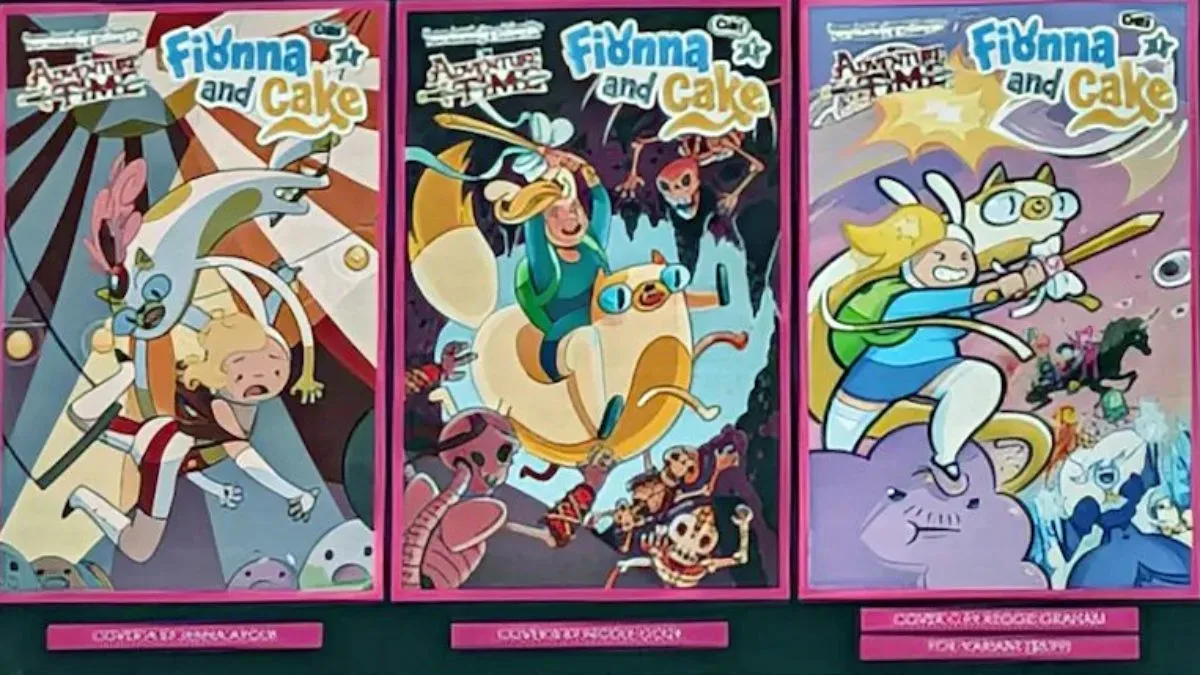
The projects were revealed amid New York Comic Con activity, a convention setting that has also produced announcements well outside Trek’s orbit, including a new Adventure Time: Fionna and Cake comic planned for 2027.
Roc’s Egg brings a legal investigation to Deep Space 9
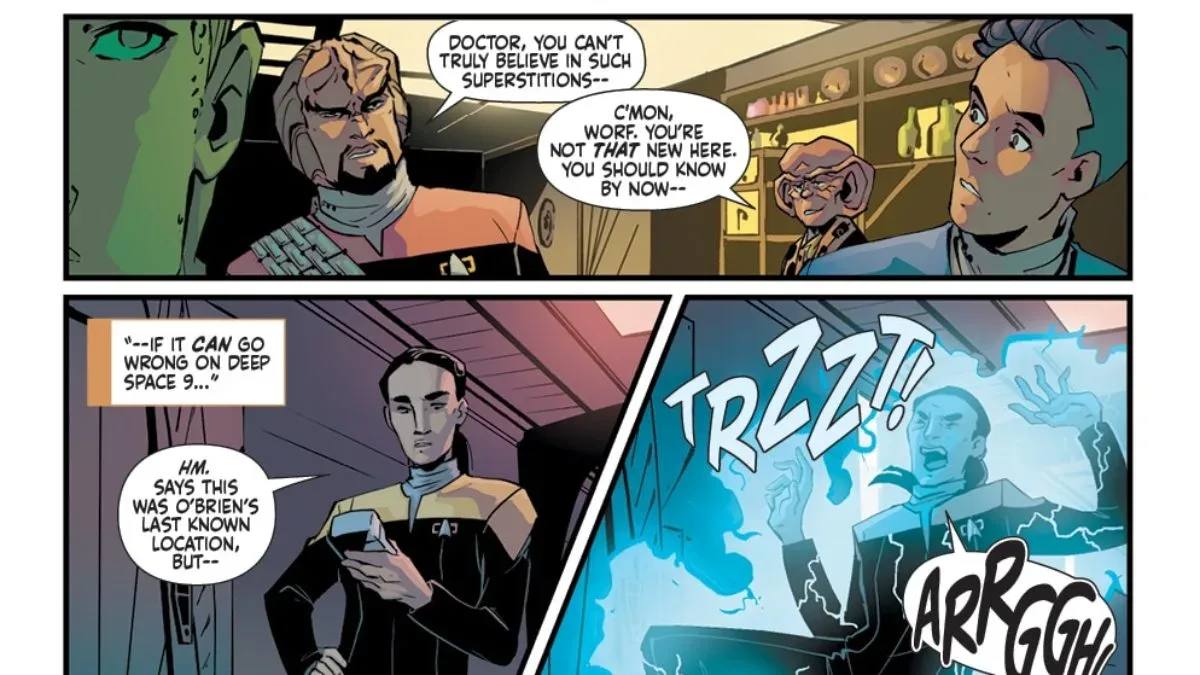
Star Trek: Roc’s Egg begins when the artefact of its title reaches Deep Space 9 and appears to be destroyed while in transit. A Federation JAG team is then called in to determine what actually happened. JAG, short for Judge Advocate General, refers here to the legal and investigative arm of Starfleet: the team’s function is not simply to chase a suspect, but to establish facts and accountability.
That premise places a procedural structure inside the Deep Space 9 setting. The announced setup includes a secret auction, wealthy collectors, criminals, a valuable object whose nature may be misread, and a murder expected to become part of the case. In practical story terms, those are clues that the book is not being framed as a straightforward recovery mission. The apparent destruction of the object is only the starting point, and the question of who benefits from the confusion seems likely to matter as much as the item itself.
Deep Space 9 is an especially useful place for that kind of premise because the station can support numerous groups with conflicting goals. The supplied description stresses secrets and agendas across the station, rather than presenting a single threat or a simple villain. That should give Hernández room to visualize the changing power dynamics of an investigation: official inquiries, affluent buyers, illicit dealings, and the confined social geography of the station.
It is also notable that the Roc’s Egg is presented as an artefact rather than merely a piece of equipment. An artefact in a mystery can carry financial value, historical value, political value, or all three at once. The announcement deliberately leaves its true significance uncertain. Readers should therefore avoid assuming they know what the item is or why it is coveted; the stated premise is that it may not be what it initially appears to be.
Why Zahn is a natural match for a Trek mystery
Zahn is widely associated with the Star Wars: Thrawn novels, and he has also worked as a creative consultant on Ahsoka. His earlier novella Cascade Point received a Hugo Award. The editorial rationale for bringing him to this Star Trek project focuses on intricate plotting, memorable characters and mysteries designed to keep readers questioning the evidence.
Those credentials do not reveal the solution to Roc’s Egg, nor do they guarantee a particular style of story. They do, however, make the assignment legible. A mystery graphic novel needs a writer to balance what characters know, what they believe, and what they are hiding without making the eventual reveal feel arbitrary. In a setting packed with collectors and criminals, the story also has to distinguish motive from opportunity. A suspicious person may not be guilty; an apparently minor detail may have a larger function.
Zahn has said his connection to Star Trek reaches back to the original 1966 television series. For this assignment, he will be joined by Hernández, whose previous work includes Star Trek: Voyager Homecoming, Star Trek/Green Lantern: Spectrum War, and Godzilla: Here There Be Aliens, alongside DC projects including Arrow, The Flash and Earth 2: Society.
The pairing suggests a full-length, self-contained graphic-novel experience rather than an announced ongoing monthly series. That distinction matters for prospective readers: an original graphic novel is generally structured as one complete book, though its story can naturally draw on a larger franchise continuity. The supplied information identifies October 2027 as the intended release window, but does not provide a page count, format details, price, cover information, or retailer availability.
Gates McFadden writes Beverly Crusher’s missing years
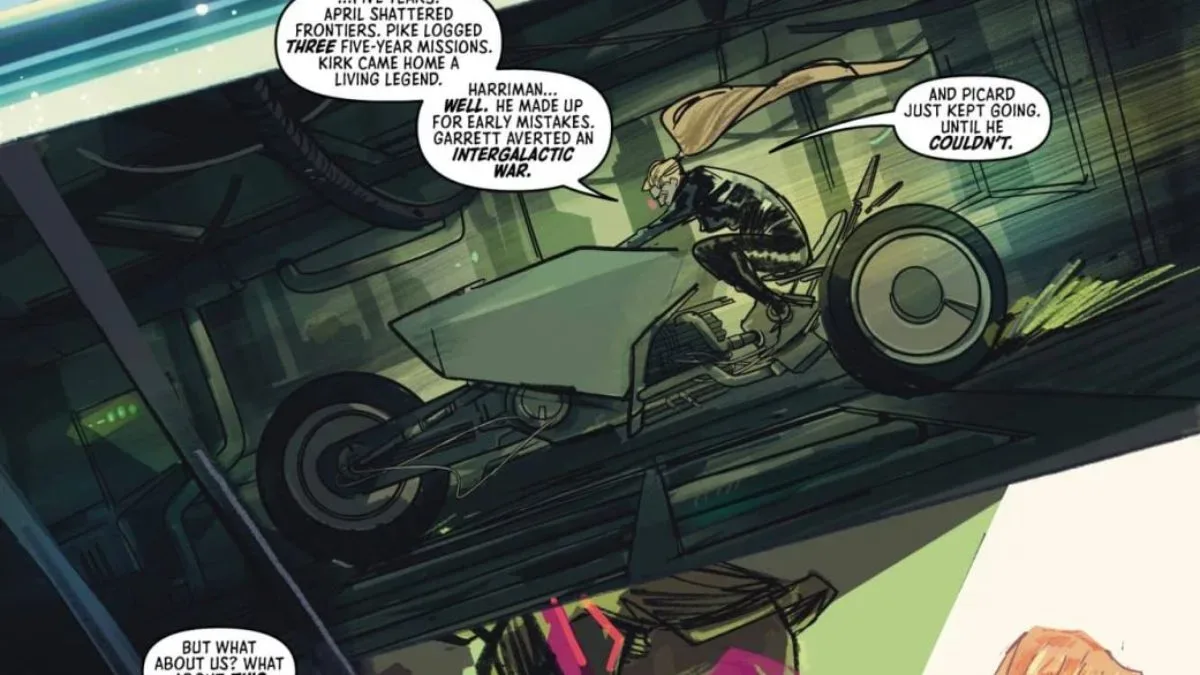
Star Trek: Crusher takes a more character-focused route. Gates McFadden will write Beverly Crusher, the physician she portrayed on Star Trek television, in a comic designed to address the 20-year gap between Star Trek: Nemesis and Star Trek: Picard.
That is a meaningful premise, but it is important to be precise about what has been announced. The project is designed to explore that period; no plot synopsis, supporting cast list, issue count, or specific events from Crusher’s intervening life have been disclosed in the supplied details. The basic promise is the gap itself, not a confirmed answer to every continuity question around it.
McFadden describes the project as a return to Starfleet from a new creative position. Having spent years performing dialogue written by others, she is now scripting material for Beverly herself. That change is the key distinction. An actor’s long experience with a character can inform the perspective of a comic, but comics are a separate medium: character emotion and rhythm must be built through captions, dialogue, page turns and the visual collaboration between writer, artist and colourist.
The creative team gives the project experienced comic-book hands around McFadden’s debut. Levens has credits on Buffy the Vampire Slayer, Spell on Wheels, Madame Frankenstein, Dogsitter, Ares & Aphrodite and Angel City. Her Star Trek work includes Waypoint, Boldly Go and Red Shirts. Charlie Kirchoff is attached as colourist, a role central to establishing the atmosphere, locations and visual continuity of a comic page.
The date window for Star Trek: Crusher is summer 2027. As with the Zahn project, finer publication specifics have not been included. Fans should treat the currently named writer, artist, colourist, character focus and time period as the confirmed foundation, while waiting for further details on story and format.
Two different ways to widen the anniversary line
These announcements share an anniversary umbrella but do not feel interchangeable. Roc’s Egg is anchored to a mystery engine: an object arrives, its fate is disputed, and an investigation exposes the interests orbiting it. Crusher is anchored to a character gap: a familiar figure has an unexplored twenty-year stretch of history, and the performer most associated with her will write into it.
They also demonstrate two useful approaches to licensed comics. The first recruits a creator known for plotting large-scale science-fiction stories, then gives him a setting and mystery suited to those strengths. The second invites a performer to become an author while retaining a seasoned comics art team to translate the idea onto the page. Neither method alone says how the finished books will read, but each has a clear creative logic.
For readers, the immediate takeaway is simple: 2027’s Star Trek comic slate will include a Deep Space 9 investigation from Zahn and Hernández, plus a Beverly Crusher story written by McFadden with Levens and Kirchoff. The former is scheduled for October; the latter is planned for summer. Everything beyond those announced contours—including the true nature of the Roc’s Egg and the exact events in Crusher’s missing years—remains part of the mystery for now.