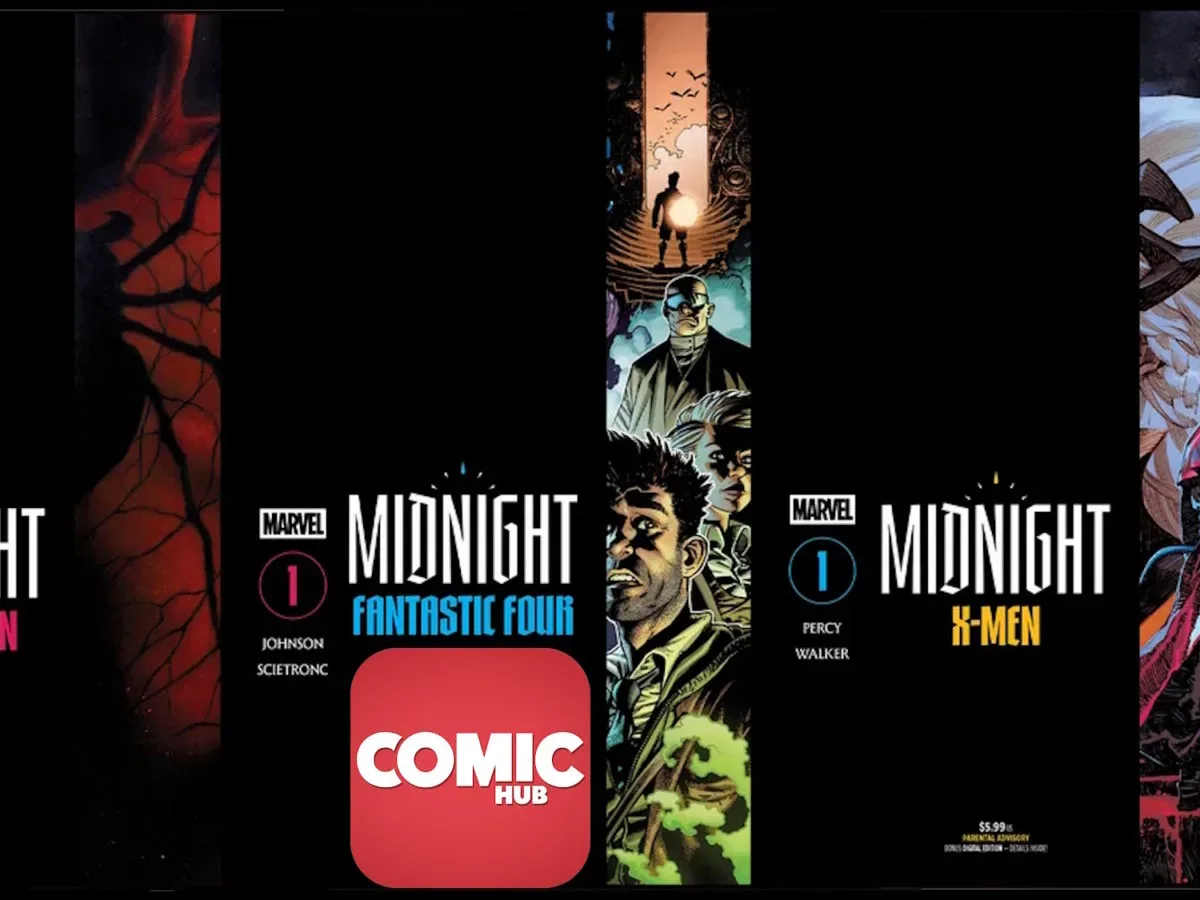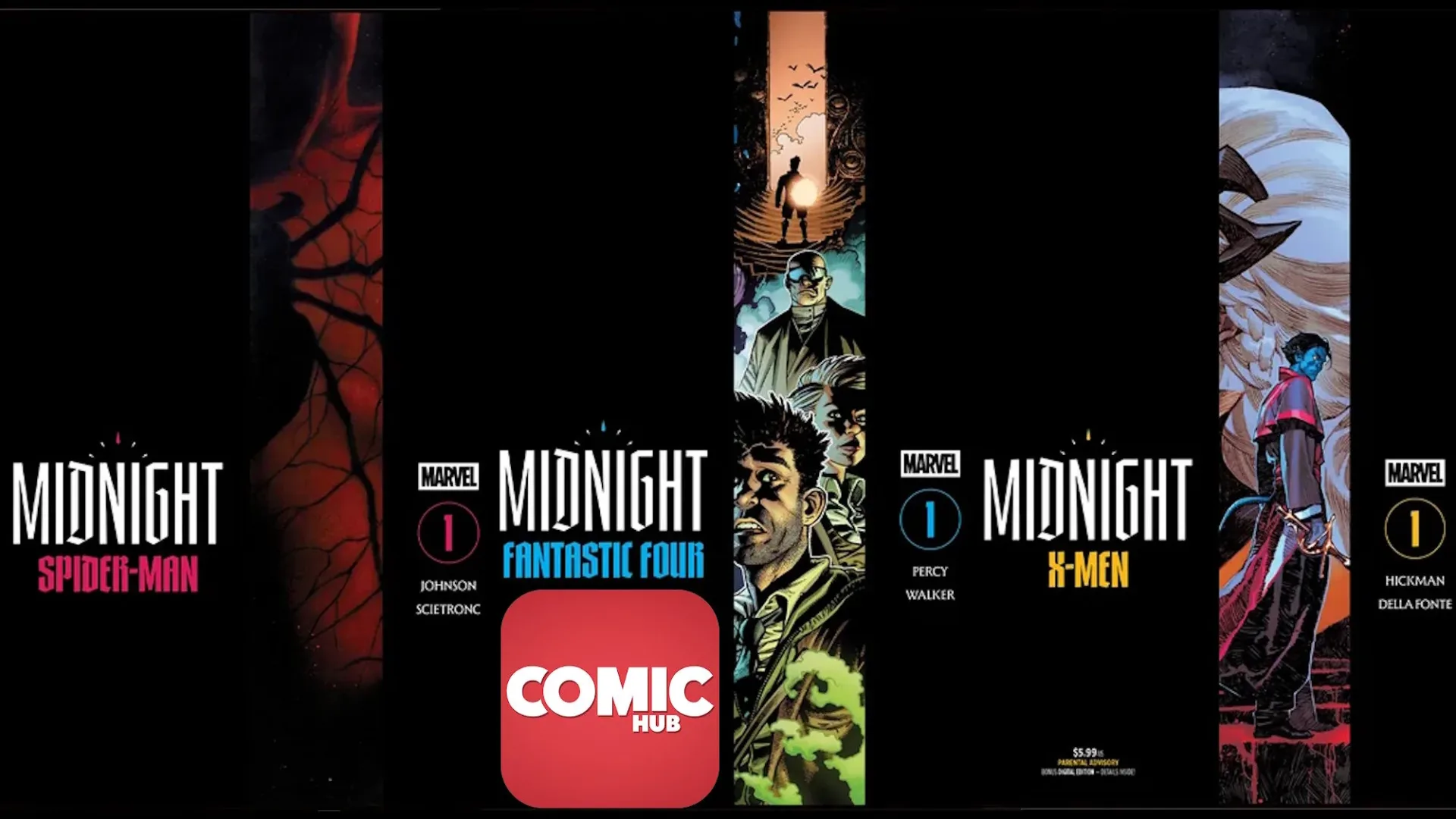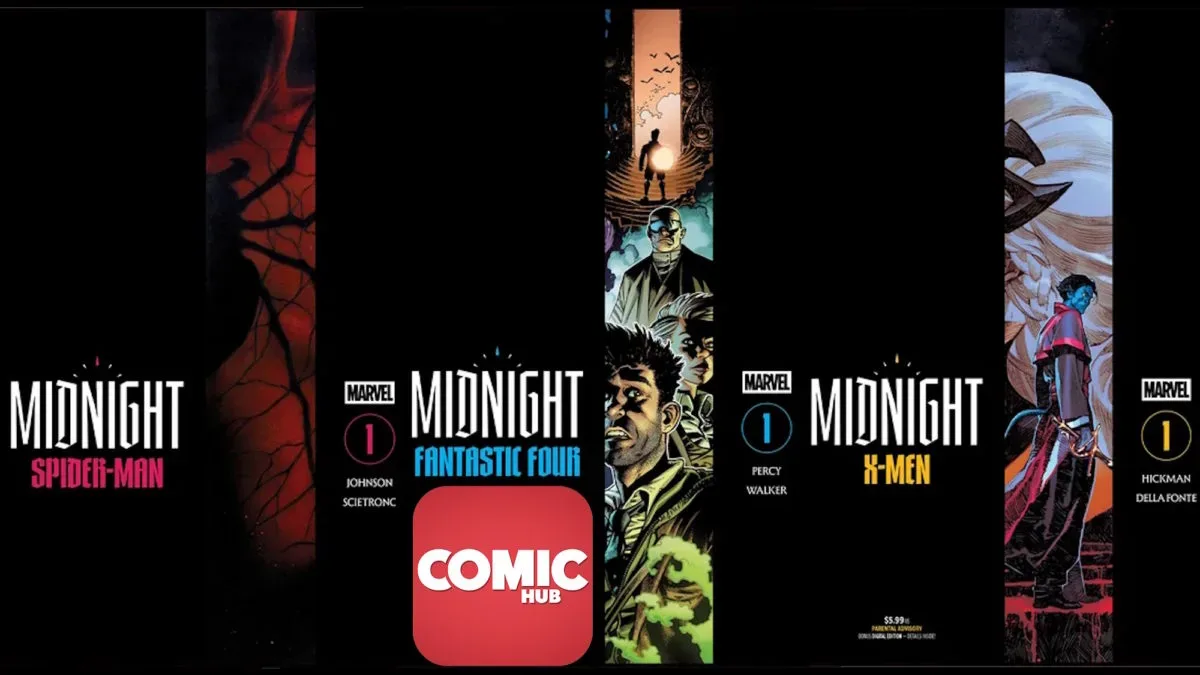
Marvel’s Midnight line has delivered the week’s biggest reported comic-shop sales result. Midnight Spider-Man #1 took the top spot in a Wednesday-to-Friday point-of-sale chart drawn from participating direct-market stores. It was followed closely by Midnight X-Men #1, while Midnight Fantastic Four #1 also finished comfortably ahead of the nearest competing superhero title mentioned in the results: Batman #14.
The reported gap is substantial. Midnight Spider-Man #1 sold at roughly three times the level of Batman #14 within this particular store sample. It also moved around four times as many copies as both Absolute Superman #24 and Demon #1. Those comparisons make the headline clear: for the measured sales window, the Midnight launch was not merely a narrow win over familiar DC heavyweights.
That distinction matters, but so does the scope of the data. These are reported in-store sales, rather than publisher order figures. The chart reflects sales at participating direct-market comic shops from Wednesday through Friday, not every comics transaction everywhere and not a final count of all copies ordered by retailers. It is a useful early read on what customers bought at the register, especially during new-release week, without being a complete market census.
The Midnight trio owns the early conversation
Three Midnight Universe launches arrived during the reporting week: Midnight Spider-Man #1, Midnight X-Men #1, and Midnight Fantastic Four #1. All three reached the upper end of the 11-book list, with Spider-Man first, X-Men just behind it, and Fantastic Four further back but still ahead of Batman #14.
It is the three-title concentration that makes the performance more meaningful than a single hot issue. A successful #1 can be powered by recognition, curiosity, or collectors wanting to sample a launch. Here, the results show comparable interest extending across three different Marvel franchises under the Midnight banner. That does not establish how the books will perform after issue one, but it does suggest that the line itself was visible to buyers during its opening week.
“Issue #1” is important terminology in comics retail. A first issue signals an entry point, whether it starts a new series, reframes a familiar character, or begins a connected initiative. Retailers and readers often give such releases extra attention because they offer the easiest place to try something new. A strong debut therefore measures opening demand; it should not automatically be read as proof of a long-term sales floor. Subsequent issues will show whether the launch audience returns.
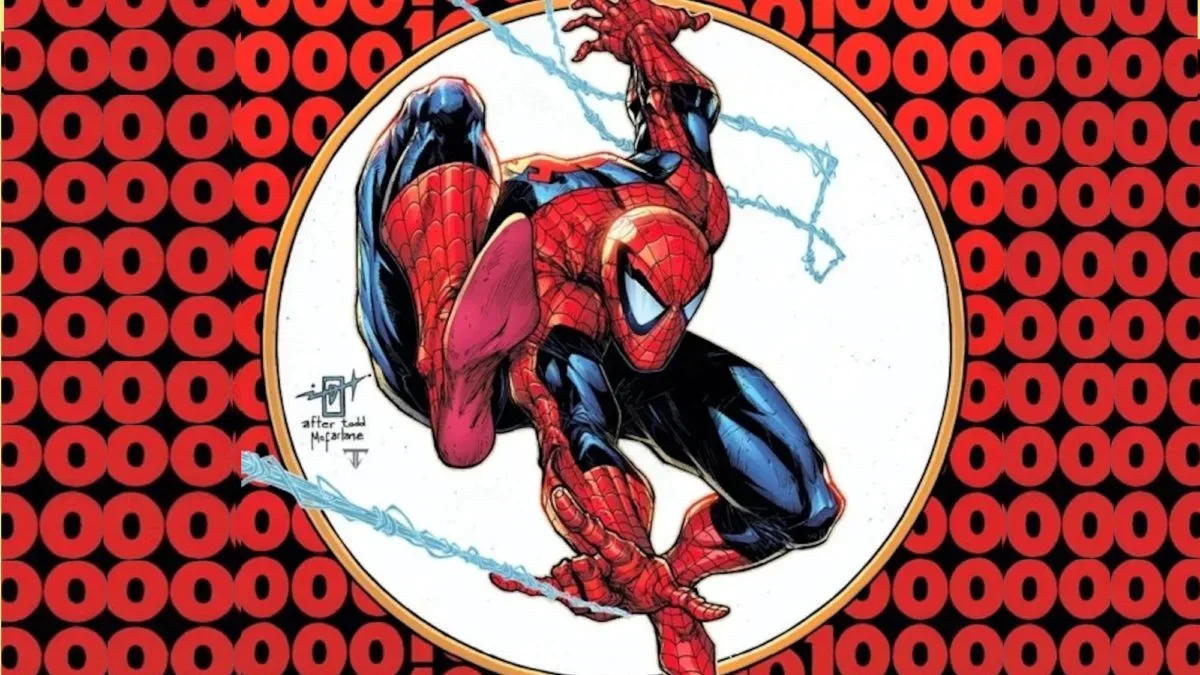
Marvel had only the three Midnight titles newly released that week, yet it accounted for four of the 11 books noted in the chart because Amazing Spider-Man #1000 also made the list. The publisher’s result was thus split between a new coordinated trio and an issue carrying a major anniversary number.
Batman leads DC’s reported books, but not the week
DC placed five comics in the top 11, the highest number of entries for any publisher in the group. Batman #14 was its strongest performer, placing behind the Midnight titles. Demon #1 and Absolute Superman #24 were also specifically identified as trailing the leading Midnight release by a wide margin.
There are two separate ways to read that outcome. By depth—the number of titles in the list—DC had a prominent presence, with five of the 11 positions. By the peak title, Marvel won decisively, with Midnight Spider-Man #1 at the top and a reported three-to-one advantage over the leading Batman issue. Both observations can be true at once. A publisher can put several books into a chart while another publisher supplies the week’s breakout bestseller.
The phrase “bestseller list” can also cause confusion in comics. It does not necessarily mean a book has sold more copies than every other comic through every channel or across its full lifetime. In this case, it describes relative performance during a defined new-release period among the participating shops. The leading book is assigned an index of 100.0, with other books expressed as a percentage of that top seller’s reported sales. That approach illustrates the size of the gap, but it does not provide a public nationwide unit total for every issue.
Anniversaries and special formats make room for other publishers
The top group was not solely a Marvel-versus-DC affair. Boom’s Something Is Killing The Children #50 entered the mix with a blind-bag release, while an all-star Halloween special for Beneath The Trees Where Nobody Sees also appeared. IDW had one title represented in the 11-book selection.
A blind bag is packaging that conceals which version of an item a buyer receives until after purchase. In a comics context, that format can turn an issue into both a reading purchase and a surprise collectible purchase. Its presence for the 50th issue of Something Is Killing The Children makes the chart result difficult to compare one-for-one with a standard, openly displayed issue. The milestone number and the concealed-variant format may each influence interest. Neither factor, however, changes the basic result that the book earned a place in the reported sales group.
Milestone numbering can have a similar retail effect. Amazing Spider-Man #1000 brought a four-digit anniversary marker to the chart, separate from the Midnight launches. The sales list therefore combines different kinds of attention-getters: new first issues, a long-running series reaching a landmark number, a special-format release, and a seasonal all-star special. Looking only at publisher totals would miss those different reasons buyers may have had for picking up a comic that week.
Readers who are interested in how variant-driven comic releases are presented can also see coverage of glow-in-the-dark variant reprints for D’orc’s first arc.
What this data can—and cannot—tell readers
The sample is built from sales submitted by roughly 120 to 150 comic shops using point-of-sale data, out of an estimated 1,800 to 2,000 direct-market stores. Participating stores are primarily in North America and the UK and are characterized as generally mid-sized. That is a meaningful pool of real customer purchases, rather than a tally of advance orders alone, but it remains a partial view of the broader comics business.
Point-of-sale data means records created when an item is actually sold through a retailer’s checkout system. This is especially valuable for judging immediate reader demand because it tracks copies leaving the shop, not just copies a retailer committed to buying ahead of time. Yet a point-of-sale chart can still be shaped by which stores participate, how many copies each store stocked, local customer tastes, and the narrow Wednesday-to-Friday reporting period.
For collectors and readers, the practical takeaway is straightforward. The reported numbers show exceptionally strong opening-week demand for Midnight Spider-Man #1 and strong support for the other two Midnight launches. They do not, on their own, establish rarity, future resale value, total print quantity, or whether a later issue will sell at the same level. A chart position is a demand snapshot, not a grading report, a print-run disclosure, or an investment forecast.
Retailers may find the breadth of the Midnight result notable because all three releases registered strongly rather than leaving one clear outlier. Readers deciding where to begin have an equally clear signal about the week’s attention center: Spider-Man led the way, with X-Men and Fantastic Four forming the rest of the opening wave. Meanwhile, DC’s five appearances demonstrate that its books remained well represented even as the biggest immediate sales spike belonged to Marvel’s new line.
Reported top-11 picture at a glance
- Top reported seller: Midnight Spider-Man #1.
- Other leading Midnight launches: Midnight X-Men #1 followed closely, with Midnight Fantastic Four #1 also ahead of Batman #14.
- Leading DC book named: Batman #14.
- Reported comparison: Midnight Spider-Man #1 sold roughly three times as many copies as Batman #14 in the participating-store data.
- Other notable entries: Demon #1, Absolute Superman #24, Something Is Killing The Children #50, Amazing Spider-Man #1000, and the Beneath The Trees Where Nobody Sees all-star Halloween special.
- Publisher representation: Marvel had four of the 11 named books, DC had five, and Boom and IDW had one apiece.
Ultimately, the chart is strongest as an immediate retail pulse check. In that pulse, Marvel’s Midnight Universe was the clear event of the week: its three new books took the top three positions described, and Midnight Spider-Man #1 produced the largest reported margin over the competition.