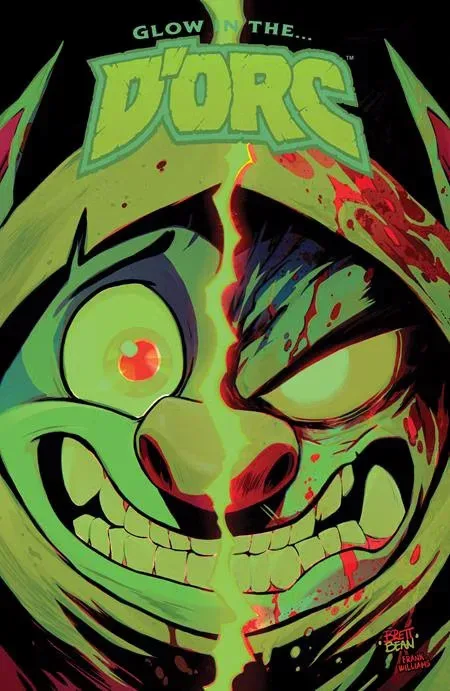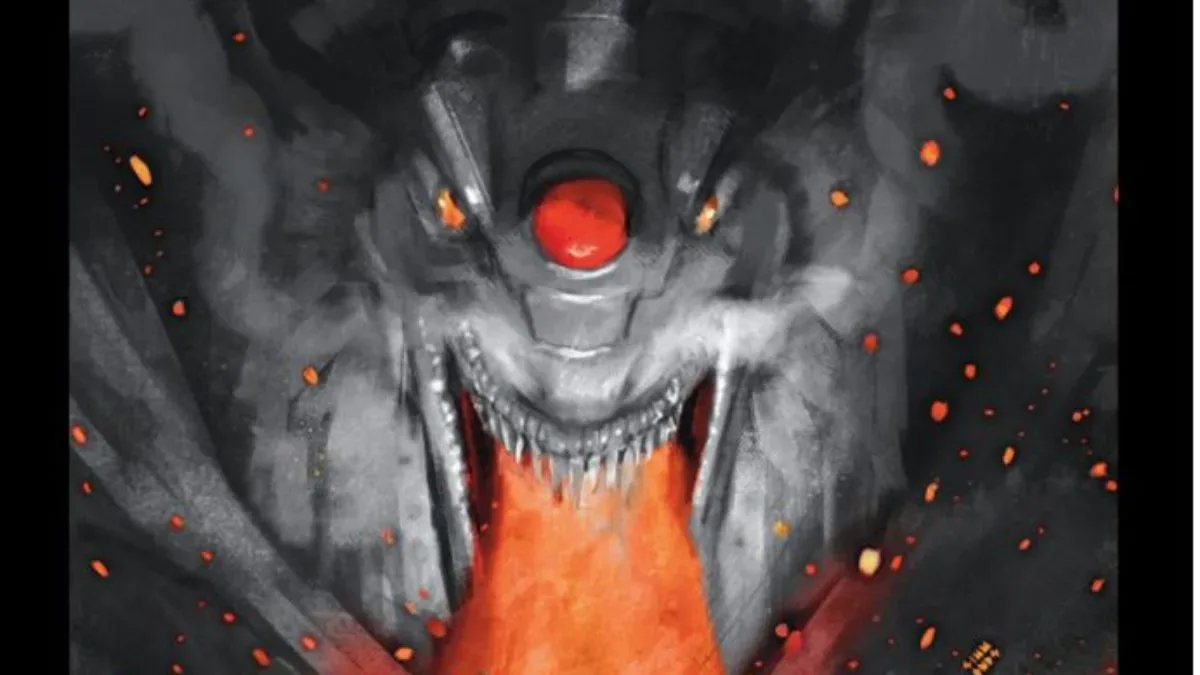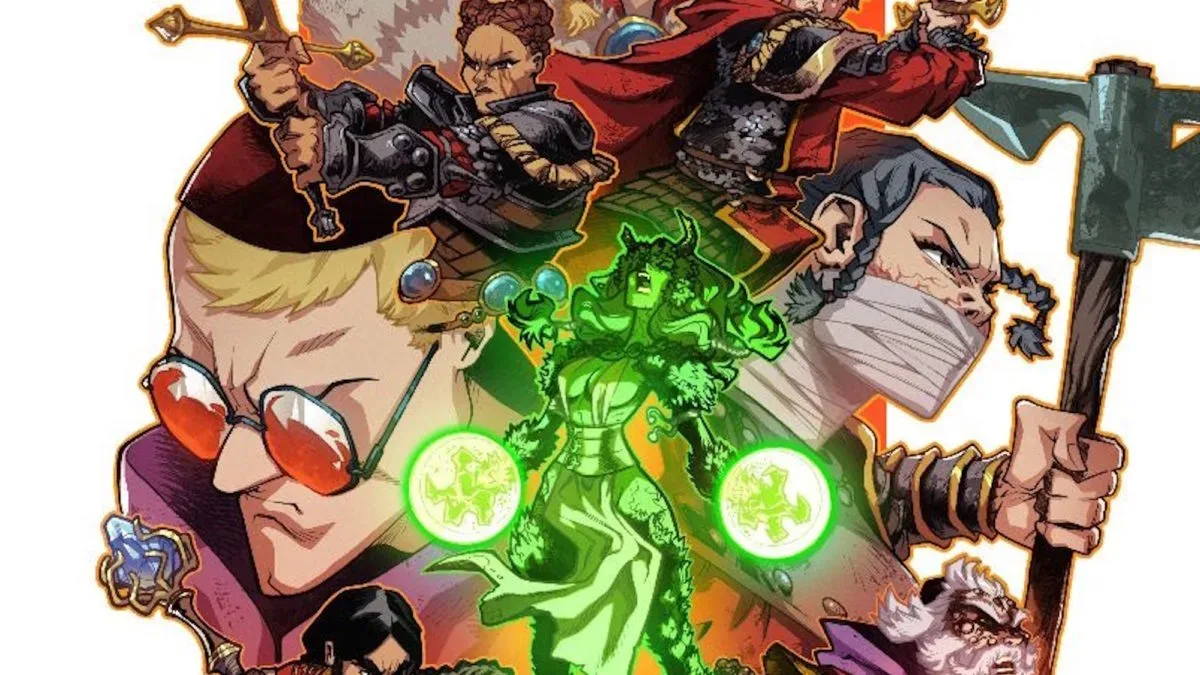
D’orc is returning to comic-shop shelves with a little extra after-dark magic. Brett Bean’s fantasy-comedy series is getting a set of glow-in-the-dark reprint variant covers under the deliberately groan-worthy banner Glow-in-the-D’orc. The line spans the opening five issues of the series—effectively its first story arc—and a #1–#5 bundle is also planned.
The covers were shown to retailers during New York Comic Con, where a light-reactive finish is an unusually apt fit for a book built around broad fantasy absurdity. The newly announced editions are due in comic shops on Wednesday, November 25.
The rollout covers reprints at different printing stages: D’orc #1 is headed to an eighth printing, #2 to a fifth, #3 to a fourth, #4 to a second, and #5 to a third. That distinction matters because the glow-in-the-dark treatment is being attached to particular reprint editions rather than presented simply as a separate one-off issue.
What “Glow-in-the-D’orc” actually means
A variant cover is an alternate cover design for a comic issue. Its interior story is generally the same as that issue’s standard edition; the cover gives readers and collectors another presentation choice. In this case, the variants add a glow-in-the-dark component, an effect intended to become visible after the cover has been exposed to light and then viewed in darkness.
For more context, explore A New Apple TV 4K Is Expected Tuesday, With More Memory, Wi‑Fi 7 and a Siri AI Question Mark.
That makes these editions a physical-print novelty as well as a new cover option. The premise is not a new D’orc storyline, a replacement for the existing arc, or evidence of an extra issue. It is a reprint program for the series’ first five single issues, with a special surface effect designed to suit the title’s name and high-fantasy visual language.
For readers who want to follow the comic from the beginning, the #1–#5 bundle is the clearest announced package: it collects the complete first arc in the Glow-in-the-D’orc reprint format. Individual issues are also being listed, so readers may be able to pursue specific chapters rather than the whole set, subject to what their local comic shop orders.
The announced printings
- D’orc #1 — eighth printing
- D’orc #2 — fifth printing
- D’orc #3 — fourth printing
- D’orc #4 — second printing
- D’orc #5 — third printing
- D’orc #1–#5 Glow-in-the-D’orc reprint variant bundle
The different printing counts make the release more informative than a typical alternate-cover notice. They show that the five issues have not reached the same stage of replenishment: the debut issue has been reprinted substantially more often than the later chapters, while #4 is only entering its second printing. That is not a sales total, nor does it reveal how many copies exist in any printing. It does, however, indicate that the opening arc is being kept in circulation through successive print runs.
For physical-comic buyers, the practical point is to identify the exact edition they want when ordering. “D’orc #1” alone can refer to more than one printing, while “D’orc #1 eighth printing Glow-in-the-D’orc variant” identifies the announced version much more precisely. The same applies to the other four issues and to the five-issue bundle.
A fantasy setup that leans into the joke
D’orc centers on an orphan who is half dwarf and half orc. He is armed with an enchanted shield that talks back, an intense desire for friendship, and the immense inconvenience of a prophecy that places him in the path of the world’s destruction.
Its setting, Sunderaine, is caught in an exaggeratedly sprawling fantasy conflict: light against dark, elves against orcs, wizards against common sense, and dragons against pretty much everyone else. The protagonist’s existence puts him at the center of that chaos. A long lineup of peoples and creatures—from humans, elves, goblins and dwarves to Snargletooths, Necroids, Ice Giants and Trauma Llamas—are positioned to learn who he is, along with the enemies who would likely prefer the prophecy to resolve another way.
The title’s setup uses a familiar fantasy device: a prophecy, meaning a prediction that assigns special significance to a character or future event. Here, the prediction is not framed as a clean heroic calling. D’orc is presented as someone “wholly inconvenient” to it, which gives the premise room for comedy as well as danger. The character is caught between recognizable fantasy categories—dwarf and orc, orphan and potential world-ender, lonely kid and unwilling figure of destiny.
That tonal mix explains why glow-in-the-dark covers make sense as more than a random production gimmick. The effect is theatrical, slightly silly, and rooted in old-school physical-object appeal, while the comic’s own pitch promises monsters, magic, impending catastrophe and a talkative shield. The cover treatment is playing in the same sandbox as the story: dramatic fantasy stakes with a deliberately mischievous grin.
What the release does—and does not—signal
The news confirms that the first arc is being revisited through special reprints. It also confirms the November 25 comic-shop date and the availability of a complete five-issue bundle. Beyond that, readers should avoid reading more into the announcement than it establishes.
There is no announced new arc, additional story material, price, print quantity, or claim that the variants are exclusive to a particular convention. The covers were displayed during New York Comic Con, but the stated destination is comic shops. Likewise, the varying printing numbers should not be treated as a precise ranking of issue-by-issue demand without circulation figures.
For readers, the main practical implication is straightforward: anyone who missed the start of D’orc has an upcoming route to pick up its first arc in a coordinated format. For existing readers, the editions offer a display-oriented alternative to the standard cover versions without changing the story sequence.
Why the convention reveal fits
New York Comic Con’s show floor is a natural place to debut covers that depend on a visual trick. A glow-in-the-dark design is best understood as an object in space rather than a small thumbnail in an online listing: its key feature is the transformation after the lights go down. The title itself also supplies the punchline, turning “glow in the dark” into “Glow-in-the-D’orc.”
The 2026 event is being held at the Javits Center in New York City and marks its 20th anniversary, with a Coney Island theme running through related collaborations, merchandise and performances. Its wide pop-culture focus includes comics alongside film, television, anime, gaming, cosplay and books, making it a fitting setting for a comic whose premise freely mixes fantasy archetypes with cartoonish escalation.
Still, the important date for readers is not the convention appearance but the store release: November 25. Those looking for a particular issue or the five-comic bundle may want to check with their preferred comic shop, using the full printing and variant description to avoid confusion with earlier editions.
At a glance
- Series: D’orc
- Creator: Brett Bean
- Publisher: Image Comics
- Format: Glow-in-the-dark reprint variant covers
- Issues included: #1 through #5
- Bundle: A Glow-in-the-D’orc #1–#5 set is planned
- Release: Wednesday, November 25, in comic shops
For a series about a would-be friend navigating a doomed fantasy destiny with a wisecracking shield, a set of covers that literally changes when the room goes dark is a remarkably on-brand way to revisit chapter one.