Apple is expected to reveal a new Apple TV 4K on Tuesday, October 13, ending a gap of almost four years since the current model arrived in October 2022. The expected reveal appears set to be a low-key-but-important living-room hardware update: a press release is anticipated first, with invited reporters and creators due to attend a “Welcome home” experience in New York beginning at 9 a.m. Eastern Time.
The alleged changes are mostly internal. That is not automatically a disappointment. Streaming boxes tend to spend years doing the same visible job—launching apps, playing video and controlling a television—while the parts that determine how long the box remains useful are memory, processing headroom and wireless connectivity. The rumored Apple TV therefore looks less like a radical reimagining of the black box beneath the TV and more like an attempt to prepare it for a more demanding Siri and smart-home future.
Nothing is official until Apple says so. The chip, memory, wireless and remote details remain reports rather than confirmed specifications. Still, the combination paints a reasonably clear picture of what to watch for on Tuesday, and of which upgrades would make a tangible difference in a home setup.
The headline rumor: an A19-class chip and far more RAM
The fourth-generation Apple TV 4K is rumored to use an A19 or A19 Pro chip. Either would represent a major step up from the A15 Bionic processor inside the present Apple TV 4K. The incoming device is also said to carry between 8GB and 12GB of RAM, compared with 4GB in the current model.
It is worth separating those two components, because “faster chip” can become a catch-all phrase that explains very little. A processor handles calculations and executes software instructions. RAM, or random-access memory, is short-term working space: it keeps active apps, system processes and data readily accessible while the device is on. More RAM does not inherently make every streaming app look better, but it can allow a platform to keep more activity in memory and undertake larger on-device tasks without squeezing the rest of the system.
That memory increase is reportedly tied to Siri AI support. The wording matters. It does not establish exactly what Siri features would appear on Apple TV, which requests would be handled locally versus elsewhere, or whether every AI capability available in Apple’s broader ecosystem would reach the television. Those are details Apple would need to clarify. What the rumor does suggest is that the current 4GB configuration may not offer the hardware foundation Apple wants for more advanced voice and AI functions in the living room.
For viewers, the practical appeal of a better Siri is not merely asking for a specific show. A television interface works best when it reduces friction: finding something to watch, jumping to a particular moment, managing playback, adjusting a connected-home setting or resolving a vague request without sending the household through five menu screens. More capable natural-language assistance could be useful there. It could also be deeply annoying if it is slow, unclear about what it can do or too eager to answer when someone only wanted the lights dimmed.
The real measure, then, will not be the RAM number by itself. It will be whether the new hardware enables features that are reliable, responsive and meaningfully better than a conventional voice search. Hardware capacity is an enabler, not a finished feature.
Wi‑Fi 7 could improve the network side, with a catch
The new Apple TV is also expected to include Apple’s N1 chip, with Wi‑Fi 7 support and Bluetooth 6.0. The current model supports Wi‑Fi 6 and Bluetooth 5.0. On paper, that gives the rumored box a more modern wireless foundation, including the prospect of higher speeds and lower latency over Wi‑Fi when paired with a Wi‑Fi 7 router.
Latency is the delay between an action and its result. For a streaming box, lower latency can potentially help with responsiveness in network-dependent tasks. It does not mean every movie suddenly starts at a visibly different speed, and it is not a magic cure for poor broadband service or an overworked home network. A Wi‑Fi standard describes the local wireless connection between devices and the router; it does not itself increase the speed supplied by an internet provider.
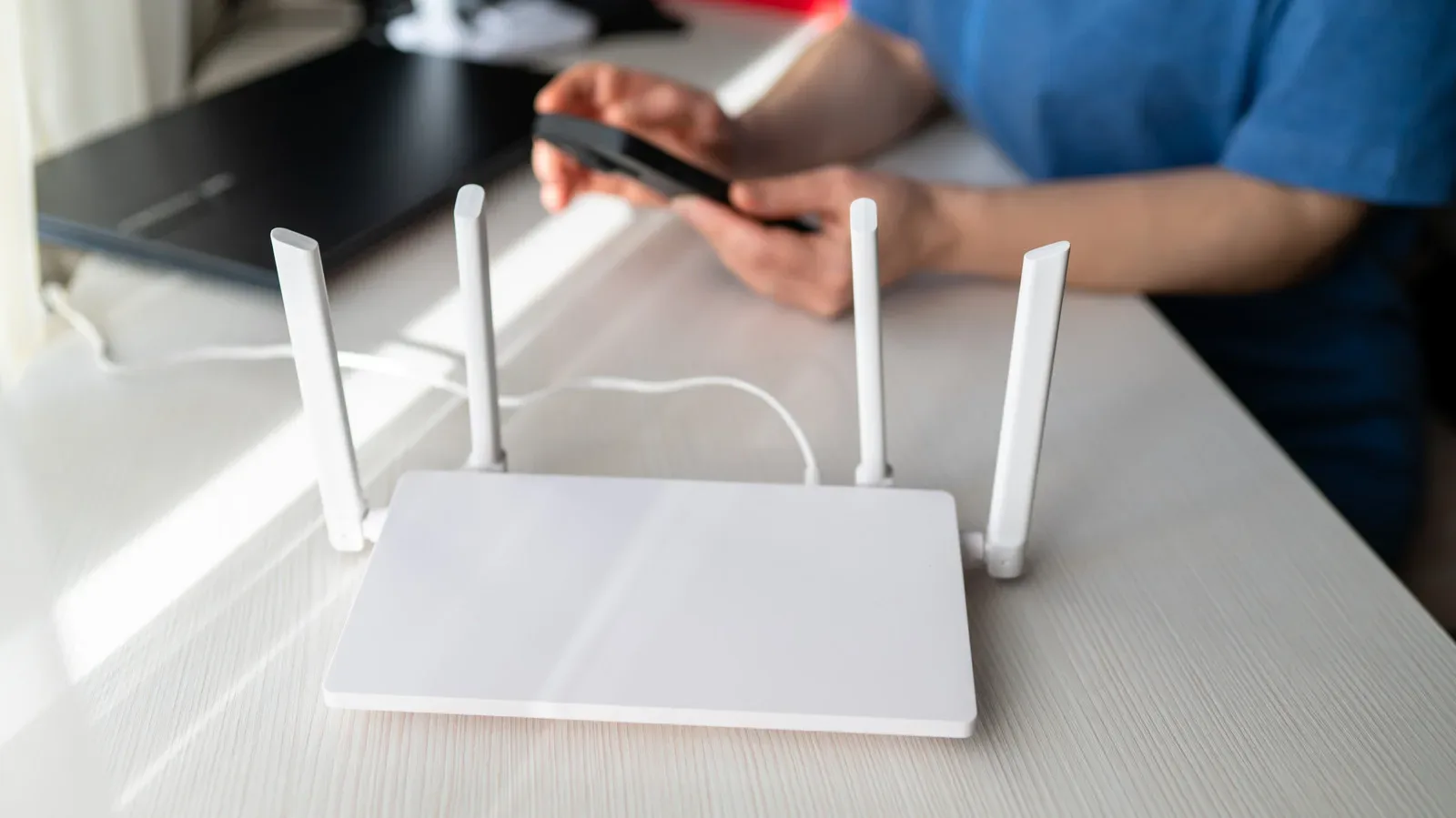
Wi‑Fi 7’s benefits also depend on the rest of the network. An Apple TV with Wi‑Fi 7 connected to an older router cannot receive the full advantage of the newer standard. Homes already using a compatible Wi‑Fi 7 router are the clearest audience for the upgrade. Everyone else may simply be buying a box with more future-facing wireless hardware, rather than a day-one network transformation.
That distinction is especially useful when comparing an upgrade with a troubleshooting project. If a current Apple TV is suffering because its router is badly positioned, congested or configured poorly, a new streaming box may not solve the underlying problem. Network management can matter as much as headline standards; our guide to router QoS and when it is worth changing explains why prioritization is not a universal fix either.
Bluetooth 6.0 is another reported generational bump, but the supplied details do not specify what Apple will enable through it on the new Apple TV. It is fair to regard it as a connectivity update, not as proof of a particular accessory feature. Apple’s own implementation, connected devices and software support would determine the user-facing result.
Do not expect a confirmed visual redesign just yet
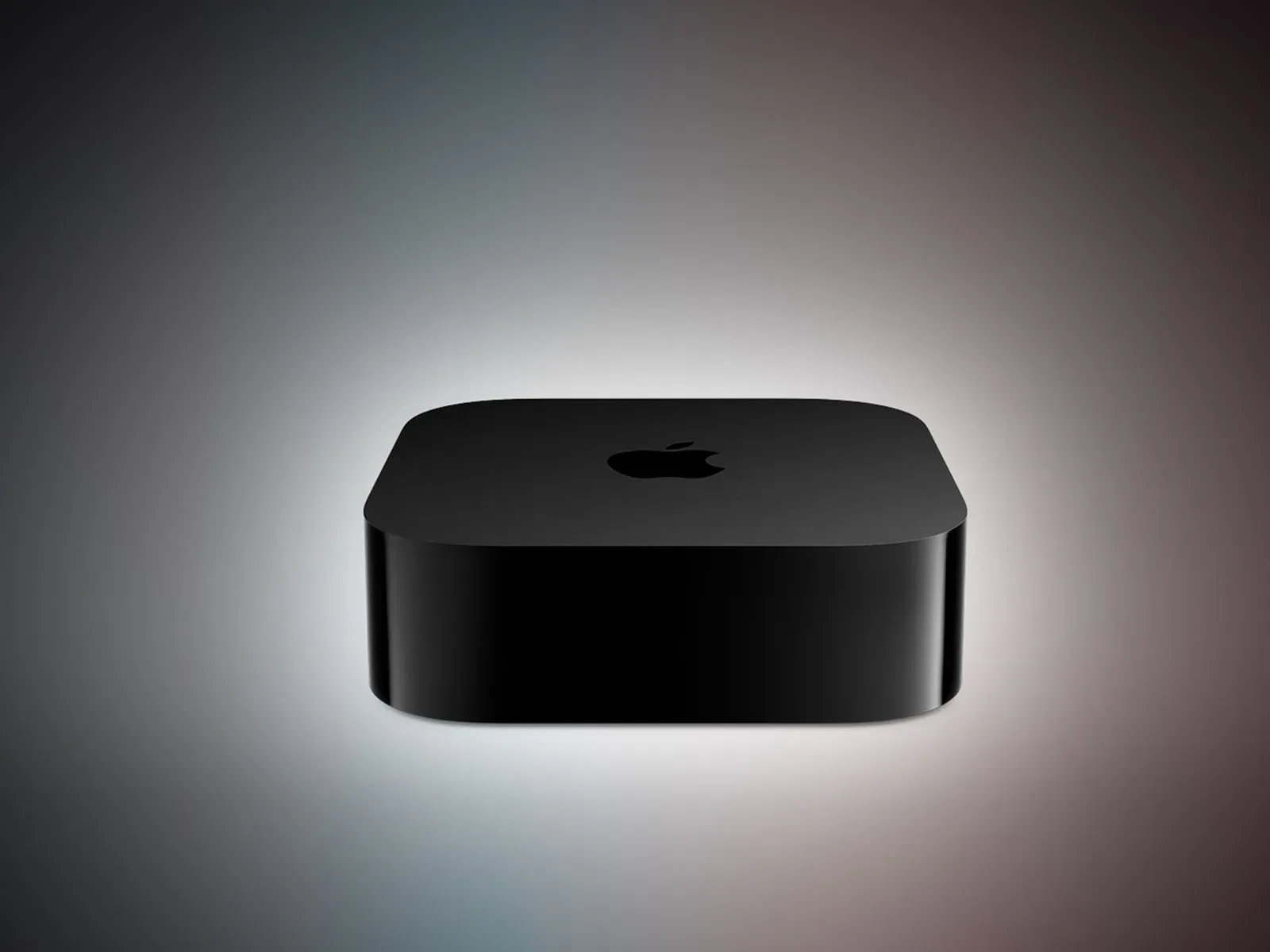
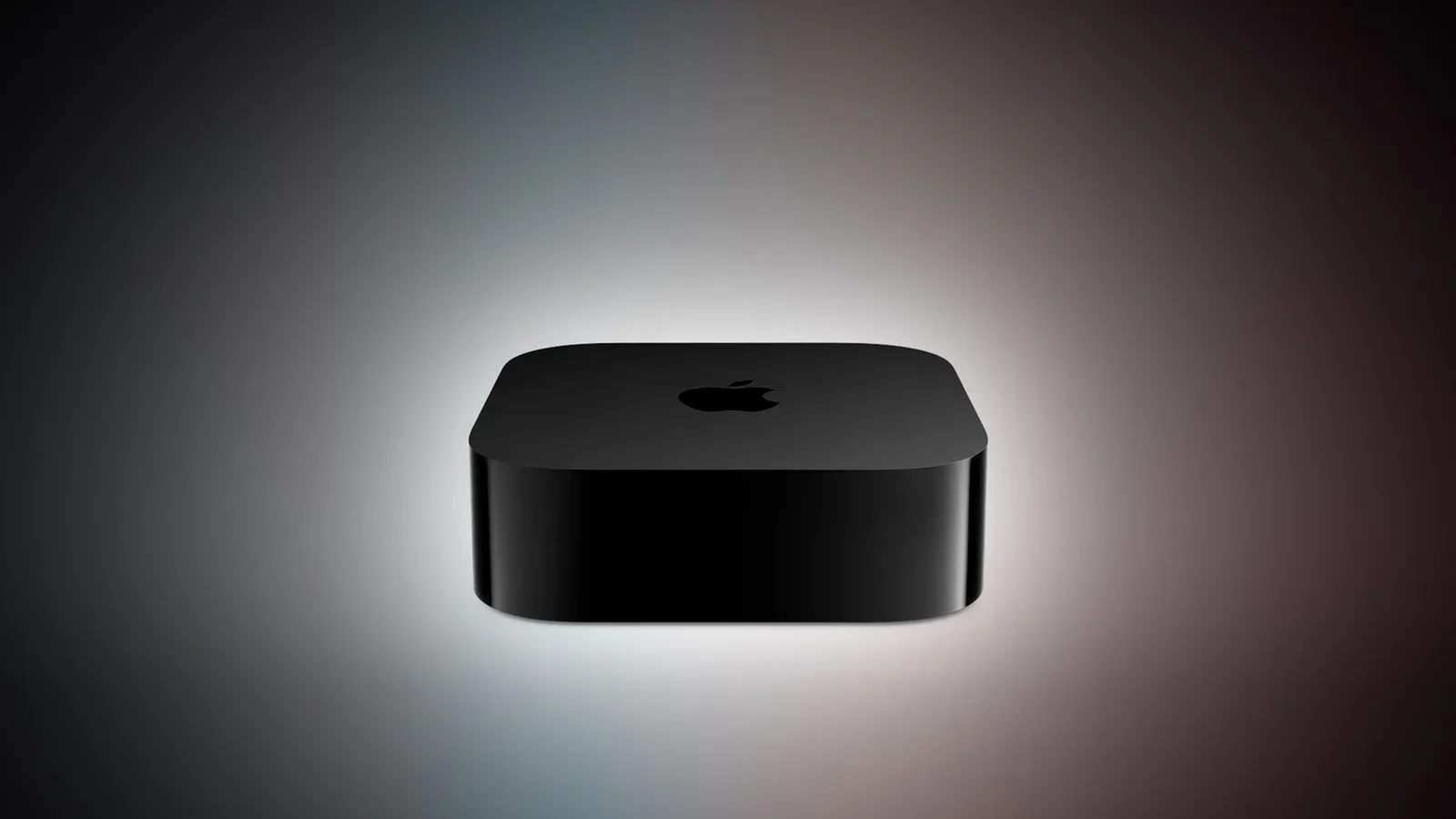
A leaked image reportedly showed no external design changes from the existing Apple TV 4K. If that image accurately reflects the finished product, Apple may be retaining the familiar compact form factor while concentrating its resources on the internals. That would fit a device whose most consequential changes are processor, memory and wireless capabilities rather than a newly shaped enclosure.
There is, however, one accessory detail worth monitoring. A revised Siri Remote is expected in some form after a new version was referenced in Apple software code. That is a stronger reason to keep an eye on the launch materials than to presume a sweeping remote redesign. “Revised” could cover many things, and the available information does not establish its controls, size, charging method or other features.
Yet the remote is not a trivial footnote. It is the part of an Apple TV that gets handled every night, borrowed by guests and lost in cushions with an efficiency that would impress a competitive hide-and-seek champion. Small ergonomic or control changes can shape the everyday experience more directly than a benchmark result. Until Apple shows it, though, prospective buyers should treat the new remote as an open question rather than an assumed reason to upgrade.
Why the timing and price backdrop matter
The expected launch arrives after Apple TV 4K pricing rose in June amid climbing memory-chip costs. In the United States, the current device now starts at $199, up from $129. That $70 difference is important context for the rumored memory jump. If the new model truly moves to 8GB or 12GB, the hardware story may be partly about enabling more advanced features and partly about launching during a period when memory has become more expensive.
There is no supplied information establishing the forthcoming model’s price. It should not be assumed to match either the former $129 starting point or the current $199 one. Tuesday’s announcement needs to answer that directly, along with the exact configuration and storage options, if any. For buyers, the difference between an exciting upgrade and an expensive wait can rest on that line in the specification table.
The apparent “Welcome home” framing also places this device within a broader smart-home conversation. A separate report has pointed to an October 13 HomePod mini update with rumored Siri AI and Wi‑Fi 7 support, outlined in our coverage of the reported HomePod mini 2 plans. That does not confirm a shared feature set or any particular integration. It does, however, make Apple TV’s rumored Siri AI and N1 connectivity more notable as part of a possible home-focused hardware moment.
Who should care, and who can wait
Owners of the 2022 Apple TV 4K should be selective. The current box already has an A15 Bionic chip, 4GB of RAM, Wi‑Fi 6 and Bluetooth 5.0. The reported new device offers compelling technical headroom, but the case for replacing a working unit will hinge on Apple’s actual Siri capabilities, the usefulness of any remote changes and the final price. A household without a Wi‑Fi 7 router should not buy solely for Wi‑Fi 7 performance.
The strongest prospective case is for someone buying a streaming box now, someone invested in a Wi‑Fi 7 home network, or someone who sees a substantially improved Siri as valuable in a living-room and smart-home setup. A new model could also have a longer runway for future software features if the reported processor and memory figures prove accurate. That is an inference from the rumored hardware, not a promise of a support timetable.
For everyone else, Tuesday’s details should provide a clean decision point. Look for the confirmed chip, RAM amount, wireless standards, remote changes, price and concrete examples of what Siri AI can actually do. Those details will tell us whether this is principally a future-proofing refresh or the first Apple TV in years that changes how people use the television interface.
After nearly four years, an internal overhaul would be enough to make the Apple TV 4K noteworthy. The box may look familiar. Whether it feels new will depend on what Apple makes the extra processing power and memory accomplish.