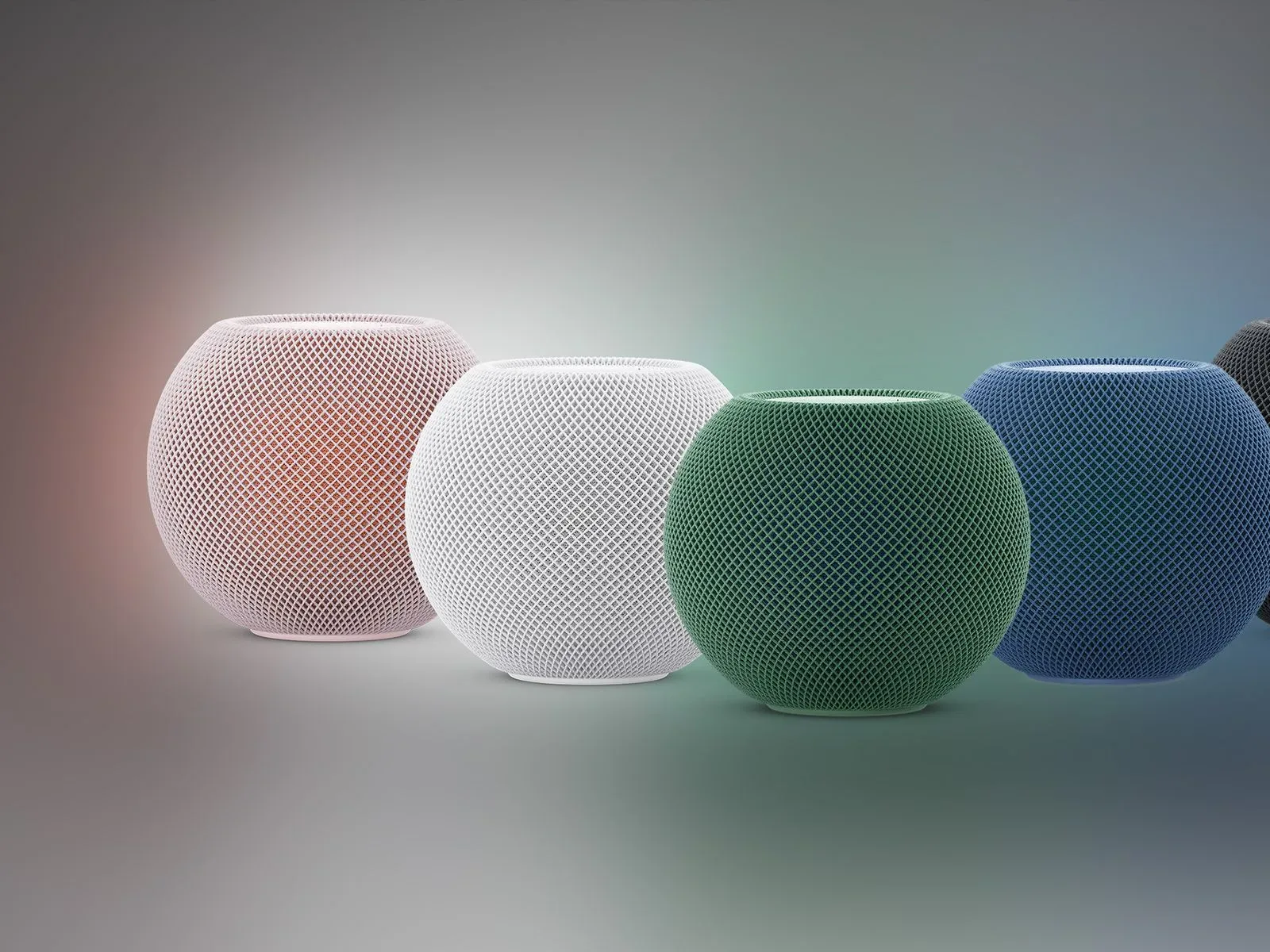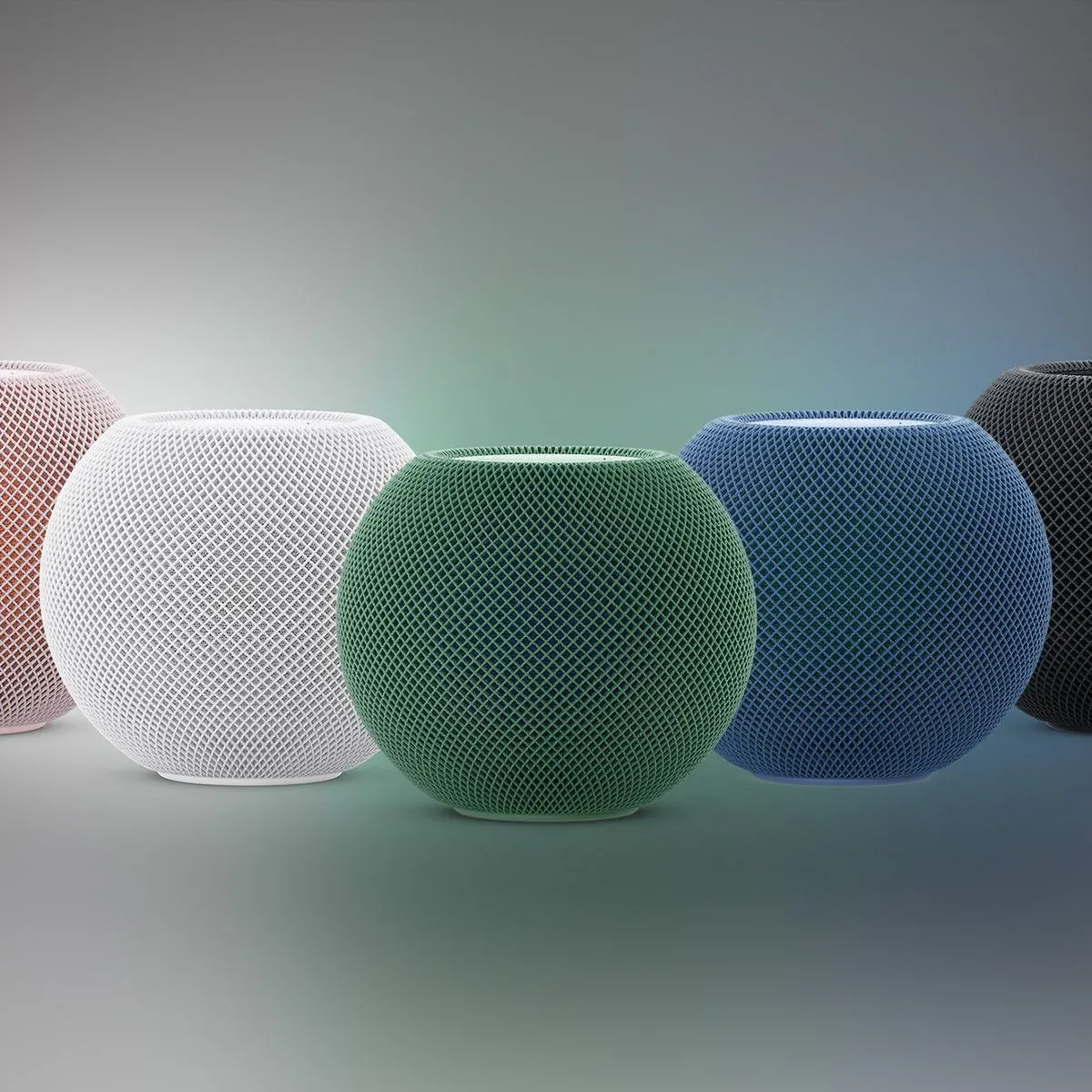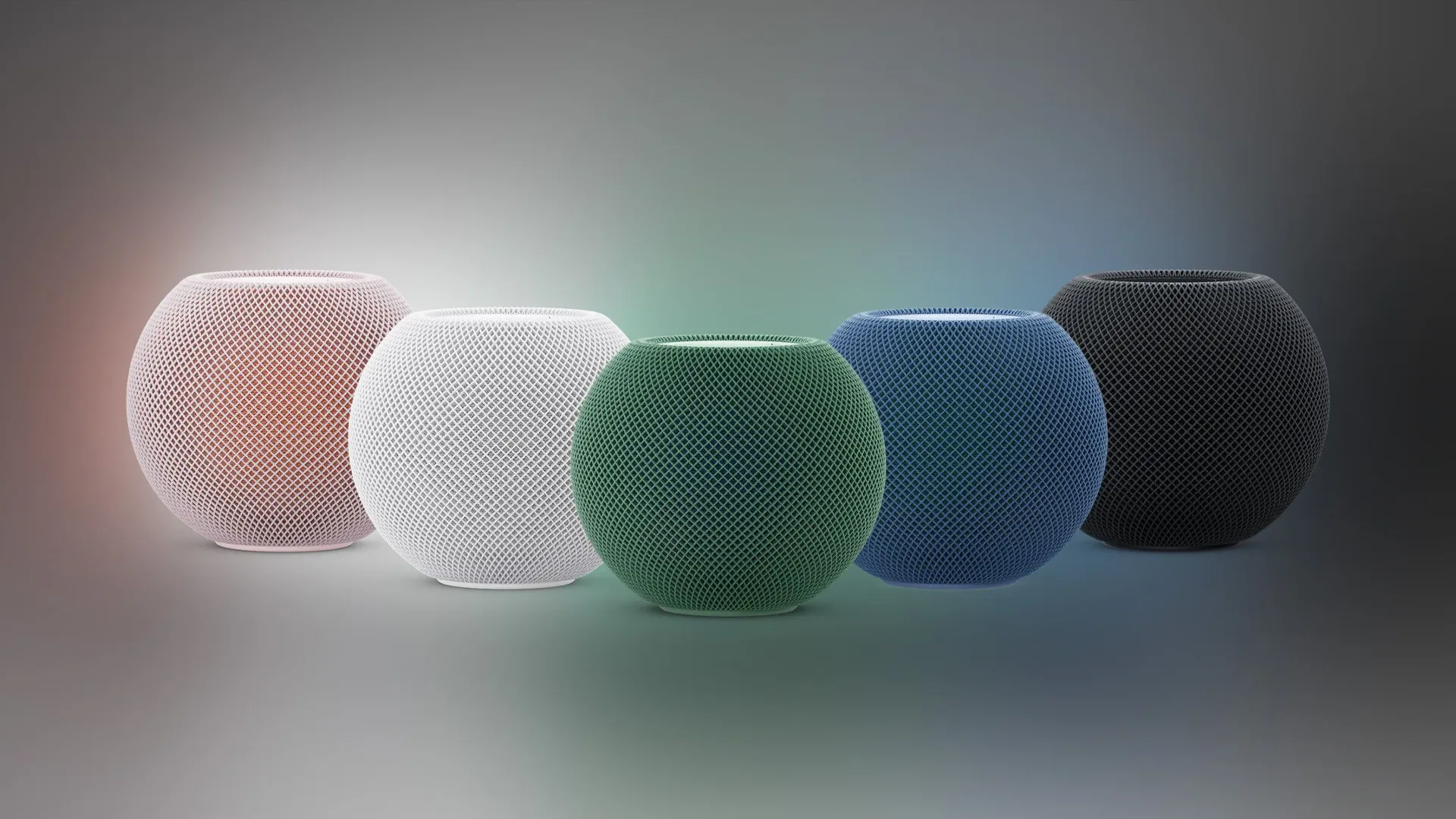
Apple is reportedly preparing a second-generation HomePod mini for an October 13 reveal as part of its upcoming “Welcome home” presentation. If it arrives as expected, the small smart speaker would represent the first substantial refresh of the product since the original model launched on October 13, 2020.
The reported feature list is more consequential than a simple color swap, even if the exterior is not expected to change dramatically. A newer processor, Siri AI support when a compatible iPhone is nearby, improved sound, Apple’s N1 chip with Wi‑Fi 7, a second-generation Ultra Wideband chip, and possible pink and green finishes are all said to be in the mix. None of those details has been officially confirmed, so prospective buyers should treat them as rumors until Apple provides specifications.
For people who use a HomePod mini as a compact desk speaker, bedside assistant, kitchen timer, or smart-home voice endpoint, that distinction matters. The existing model is six years old and runs on Apple’s S5 chip, a processor first used in the Apple Watch Series 5 in 2019. A fresh model would not necessarily look new from across the room, but the reported changes suggest that the important update may be inside the fabric-covered sphere.
A six-year gap makes this more than a routine refresh
The original HomePod mini debuted on October 13, 2020. A potential successor landing on the same calendar date six years later would be a neat bit of product symmetry, but it also highlights how long the current hardware has remained in place.
That long interval puts particular focus on the rumored processor change. Chips are not just about making a smart speaker feel faster when a user asks for a timer. They determine what software capabilities a device can practically support, how much work can be handled locally or in coordination with another device, and how much room a platform has for future features. Apple has not confirmed the processor or capabilities of a new HomePod mini, but the report specifically connects a newer chip with Siri AI support.
The important qualification is that this support is rumored to work at least with a nearby iPhone. That wording should temper assumptions that the HomePod mini 2 would independently run every new Siri AI feature. Instead, the speaker may be part of a broader device setup in which the iPhone is relevant to enabling or handling certain requests. Exactly which requests qualify, which iPhones would be required, and how the interaction would work remain unanswered.
That is the key practical question to keep in mind before treating “Siri AI” as a fully defined feature. The phrase describes a direction rather than a complete user-facing specification here. Until official details are available, it is not possible to say how much of the experience would happen on the speaker, how dependent it would be on a phone, or whether availability could vary by task.
The rumored upgrades, explained without the marketing fog
A newer chip and Siri AI
The reported newer chip is the centerpiece because it is linked to potential Siri AI support. The current HomePod mini’s S5 dates back to the 2019 Apple Watch Series 5, so a replacement processor would give Apple a much newer hardware foundation than the one in the existing speaker.
“Siri AI” should not be read as a promise of a specific menu of abilities, because no such list has been provided. What is known from the report is narrower: the rumored model could support Siri AI, at least when a nearby iPhone is involved. Buyers chiefly interested in this possibility should wait for clear answers on compatibility and requirements rather than buying solely on a broad AI label.
Wi‑Fi 7 through Apple’s N1 chip
The second-generation HomePod mini is also rumored to use Apple’s N1 chip with Wi‑Fi 7 support. Wi‑Fi is the wireless connection a speaker uses to communicate with a home network and connected services. A newer Wi‑Fi generation can matter most when the rest of the household setup can take advantage of it, but the report does not spell out what benefits HomePod mini owners should expect in day-to-day use.
That omission is worth respecting. Wi‑Fi 7 support is a hardware and connectivity headline; it is not, on its own, a guaranteed explanation of how a particular speaker will behave in every home. The practical value will depend on the final product’s specifications and a user’s wider network environment. Still, the reported inclusion signals an effort to modernize the speaker’s wireless platform rather than simply preserve the current design with a minor internal revision.
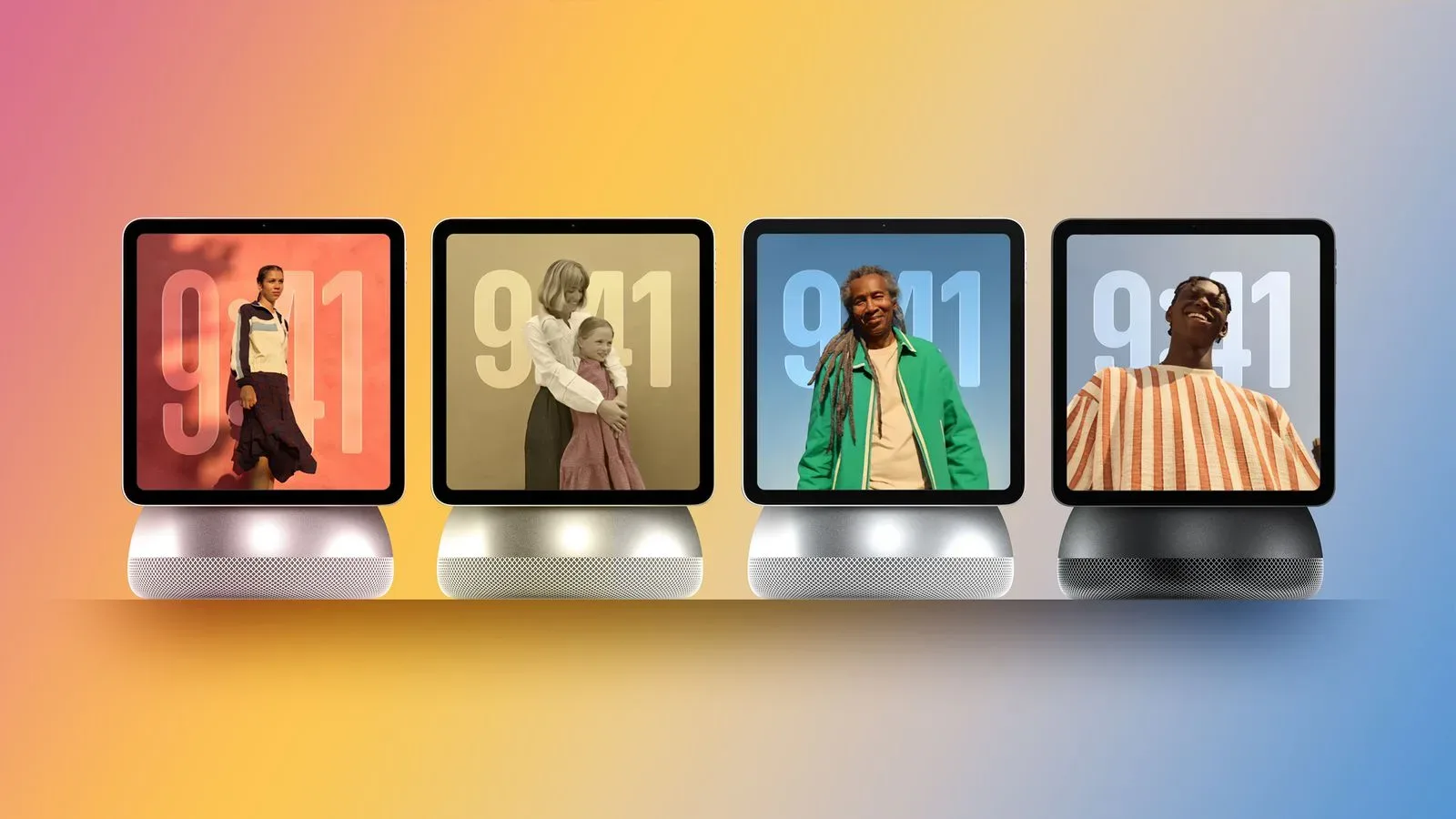
Network upgrades also have relevance beyond music playback. Smart speakers often sit at the intersection of phones, home controls, voice requests, and wireless audio. If Apple is positioning October 13 around “Welcome home,” more capable connectivity would make sense as part of a wider home-device story. Apple is also rumored to be preparing a separate home hub with a six-inch screen, Siri, smart-home controls, and FaceTime; the reported home hub plans make the possible HomePod mini update easier to view as one component of a larger push rather than an isolated speaker release.
Second-generation Ultra Wideband
Another reported addition is a second-generation Ultra Wideband chip. Ultra Wideband is a short-range wireless technology distinct from Wi‑Fi. The supplied details do not specify what the new HomePod mini would use it for, so it would be premature to promise a particular feature or interaction. Its reported presence nevertheless points to updated proximity-oriented hardware alongside the Wi‑Fi refresh.
For now, the responsible takeaway is simple: this is another internal revision that may expand the speaker’s role in Apple’s device ecosystem, but the exact effect on owners has not been detailed. Apple’s official announcement, if the product appears, will need to establish whether the upgrade translates to visible everyday functions or is mainly a platform update for the future.
Improved sound, but no performance figures yet
Improved audio quality is on the rumored list, which may be the most immediately understandable upgrade for existing HomePod mini owners. Speakers are ultimately judged by what comes out of them, whether they are being used for music, podcasts, a game stream in a small room, or the ever-present alarm and timer duties of a connected home.
However, “improved sound quality” is the full extent of the claim. There are no reported measurements, driver changes, format details, or comparisons with the current HomePod mini. It is therefore too early to characterize the upgrade as a major leap, describe a particular sonic profile, or suggest that it will replace larger speakers. It is simply a reported improvement and one that will need official technical detail before meaningful comparisons can be made.
A familiar look may be the point
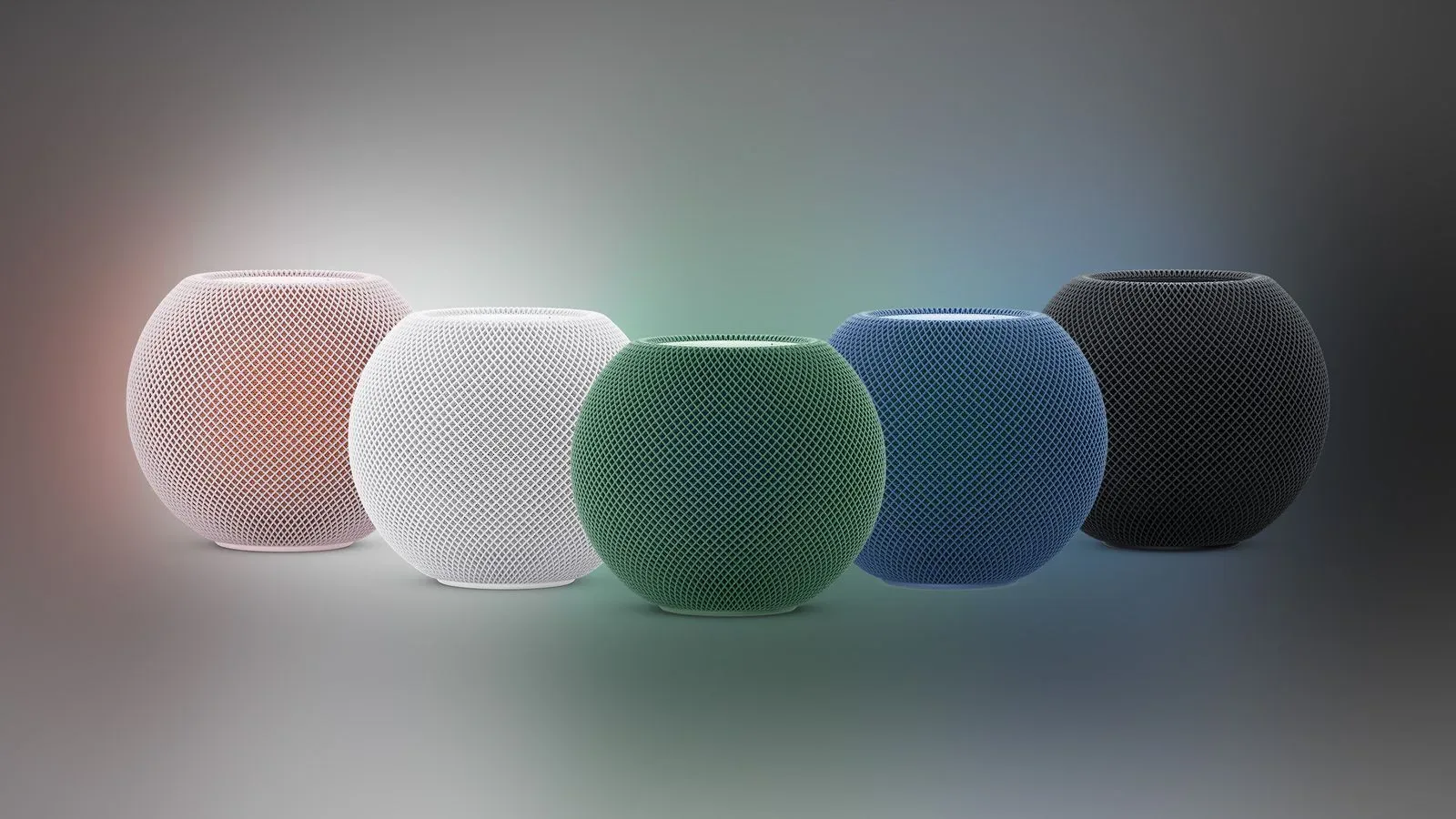
No major design changes are expected. That may disappoint anyone hoping for a radically different HomePod mini, but it makes sense for a product whose appeal includes its compact footprint and understated appearance. The reported pink and green finishes could provide the visible distinction, alongside the existing shape, rather than a physical redesign.
Color is not merely cosmetic for a speaker that is likely to remain in view on a shelf, desk, bedside table, or kitchen counter. The prospect of pink and green adds options for buyers who want hardware that either blends into a room or adds a little personality without changing the product’s familiar form. Still, these colors remain rumored, not confirmed, and there is no information on whether they would replace any current choices or join them.
The lack of a major exterior change also makes the internal feature list more important. If the HomePod mini 2 looks broadly like its predecessor, the buying decision may come down to whether a customer values a newer chip, potential phone-assisted Siri AI, updated wireless technologies, and the promise of better audio enough to choose the newer version.
What the current price means for a possible successor
Price is another unresolved part of the story. In June, the current U.S. HomePod mini price rose from $99 to $129. No price for a second-generation model has been reported.
That means it would be a mistake to assume a new model will cost the same as the original launch price, the present $129 price, or any other figure. The recent increase does, however, establish the current U.S. baseline for shoppers considering whether to buy now or wait for October 13.
People who need a speaker immediately can only evaluate the existing model at its current $129 U.S. price. People whose priority is a newer platform should likely wait for the reported announcement window, particularly because the rumored changes concern hardware that cannot be added through a cosmetic accessory or a routine update. A final decision should wait for official pricing, release timing, compatibility requirements, and a full description of any Siri AI functionality.
What to watch for on October 13
The reported plan is for Apple to introduce the HomePod mini through a press release around 9 a.m. Eastern Time on October 13, with hands-on images and video expected afterward. That timing remains unconfirmed, but it provides a useful checklist for separating concrete news from the present rumor stack.
- Processor identification: Apple may name the new chip and explain what it enables beyond the current S5-based model.
- Siri AI requirements: The crucial details are whether a nearby iPhone is required, which iPhones qualify, and what the speaker can actually do.
- Audio specifics: “Improved sound” needs more technical detail before buyers can judge the scale of the upgrade.
- Connectivity behavior: Wi‑Fi 7 and second-generation Ultra Wideband are notable on a specification sheet, but Apple will need to explain their practical role.
- Colors and design: Pink and green are reported, while a major redesign is not expected.
- Price and availability: The present U.S. HomePod mini costs $129, but a successor’s price and release schedule have not been reported.
In short, the prospective HomePod mini 2 appears to be a restrained redesign with potentially meaningful internals. The product may preserve the current model’s recognizable look while moving the conversation toward AI-assisted Siri, modern wireless hardware, refreshed proximity technology, and sound quality. After six years with the original model, that would be a logical update—provided the final announcement turns the broad rumored feature list into clearly defined benefits for owners.