Apple may have left a small breadcrumb for its next living-room box in an unlikely place: a support note about high-resolution lossless audio in Apple Music.
The updated wording says that Hi-Res Lossless is available on Apple TV 4K (3rd generation or later). The third-generation Apple TV 4K remains the current model, so “or later” has naturally drawn attention. On its own, that phrase is not confirmation of hardware. Support documentation is often written to accommodate future products, and plain old editing mistakes happen. But it arrives after reported evidence pointing to an Apple TV 4K fourth generation, making the wording more interesting than it might otherwise be.
A new Apple TV 4K is expected to be announced in October, though that timing and every unannounced specification should be treated as rumor rather than a promised release plan. The practical takeaway for anyone considering the current model is simple: a successor appears plausible, but neither this footnote nor the circulating hardware details constitutes an official product reveal.
Why one phrase in an audio note matters
Companies regularly use model-specific language in support articles. It helps people determine whether a feature should work on their device and gives support teams a stable reference when explaining compatibility. In this case, the phrase identifies the third-generation Apple TV 4K as compatible with Hi-Res Lossless, then explicitly leaves room for later generations.
That can mean several things:
- Apple could be preparing documentation ahead of an imminent model.
- The language could be proactive, ensuring that the article does not need a rewrite when a new Apple TV arrives.
- It could be an accidental or overly broad wording change with no near-term product implication.
The first possibility fits the broader expectation of a fourth-generation device. The latter two explain why the note should not be treated as a launch announcement. A support document tells us that Apple has chosen a compatibility description; it does not disclose a launch date, final specification sheet, regional availability, or price.
Still, it is a useful signal because it refers to a product line by generation rather than merely naming the current hardware. The wording does not describe a new capability exclusive to a future model, but it does anticipate one.
Hi-Res Lossless, explained
Lossless audio refers to audio encoded in a way that preserves the original audio data rather than discarding some of it to reduce file size. Hi-Res Lossless is a higher-resolution tier within that broader category. The relevant support language concerns whether an Apple TV 4K model is eligible for playback, not a claim that every television, speaker, receiver, cable, or listening setup will necessarily reproduce the same result.
That distinction matters for shoppers. Device compatibility is one part of an audio chain. A user’s output equipment and connection method also affect what can be delivered and heard. The Apple TV note is therefore best read narrowly: third-generation Apple TV 4K hardware and later models are listed as eligible for Hi-Res Lossless. It should not be stretched into a claim about universal high-resolution playback on any attached equipment.
People comparing audio gear may also want to separate codec and device-support questions from claims about headphones or speakers themselves. Hardware makers often emphasize their own approaches to lowering distortion or improving sound reproduction; for an example of how those product-level claims are framed, see our coverage of the Technics EAH-A1000 headphones and their magnetic-fluid-driver pitch.
The current Apple TV 4K is due for a refresh
The present Apple TV 4K was announced in October 2022. It uses an A15 Bionic chip and has 4GB of RAM. By the time a potential October announcement arrives, that places the existing model at nearly four years old.
Age alone does not establish that a replacement is ready, particularly for a streaming box whose core jobs do not demand annual component upgrades. But it does create a clearer rationale for a refreshed model than there would be after a short interval. A newer processor and more memory could be relevant if Apple plans to expand on-device intelligence features, make Siri more capable, or simply provide longer-term performance headroom.
There is also a financial reason to look carefully before buying solely on the assumption that the existing device will become cheaper. The Apple TV’s U.S. starting price rose in June from $129 to $199 amid rising memory-chip costs. That change means the value question is different from it was at the prior entry price. A prospective new model may offer materially different hardware, but no price for it has been established here—and there is no basis to assume it would reverse the current price increase.
What is rumored for a fourth-generation Apple TV 4K
The rumored feature list is substantial, although each item remains unconfirmed. The reported possibilities are an A19 or A19 Pro chip, between 8GB and 12GB of RAM, Apple Intelligence and Siri AI support, an Apple-designed N1 chip with Wi-Fi 7, plus a revised Siri Remote.
Processor and memory
The A19 and A19 Pro references concern the main system chip, which handles general computing tasks. In a streaming device, that can affect interface responsiveness, application behavior and the capacity available for new software functions. The “Pro” name, if accurate, would suggest a different tier of chip, but the available information does not establish which processor Apple would ultimately choose.
RAM, or random-access memory, is the short-term working memory used while software runs. The current model has 4GB. A move to 8GB or 12GB would represent a major increase on paper, yet the real-world benefit would depend entirely on Apple’s software and feature set. More RAM by itself does not tell buyers what new functions will ship, which ones will be limited to the new hardware, or how existing apps will change.
Apple Intelligence and Siri AI
Apple Intelligence and Siri AI support are among the most consequential rumored additions because they imply a shift beyond faster media playback. The wording suggests more advanced intelligence-related features and changes to voice assistance could be in view. But the exact capabilities, their availability, language support, regional status, privacy model and whether any processing occurs on-device are not established by the current information.
That uncertainty is worth emphasizing. “AI support” is not a feature description. It is a broad label that could cover many kinds of experiences, from improved requests to more substantial assistance. Until Apple defines what the television interface can actually do, potential buyers should avoid treating the rumor as a guaranteed new way to discover shows, control a home, or interact with apps.
N1 and Wi-Fi 7
The N1 is described as an Apple-designed chip with Wi-Fi 7 support. Wi-Fi 7 is a newer wireless-networking standard. In practical terms, support in the Apple TV would not automatically transform every home network. To realize the benefits of a newer standard, the wider setup matters: router capability, local network conditions, broadband service and the placement of devices can all be relevant.
For many households, the key question will be whether their existing network already handles streaming reliably. If it does, Wi-Fi 7 may be more about future readiness than an urgent reason to replace working hardware. Conversely, people building a newer network may view it as a welcome compatibility upgrade. The reported N1 chip could have responsibilities beyond Wi-Fi, but no further functions are established in the available details.
A revised Siri Remote
A redesigned Siri Remote is also rumored, but there are no confirmed details about its controls, charging method, materials or compatibility. Remote changes can have an outsized effect on day-to-day use, yet this is precisely the kind of improvement that cannot be judged from a bare reference to a revision. For now, it is only reasonable to say that an updated remote is rumored—not that it will solve any particular usability complaint or introduce a specified control scheme.
Design may stay familiar
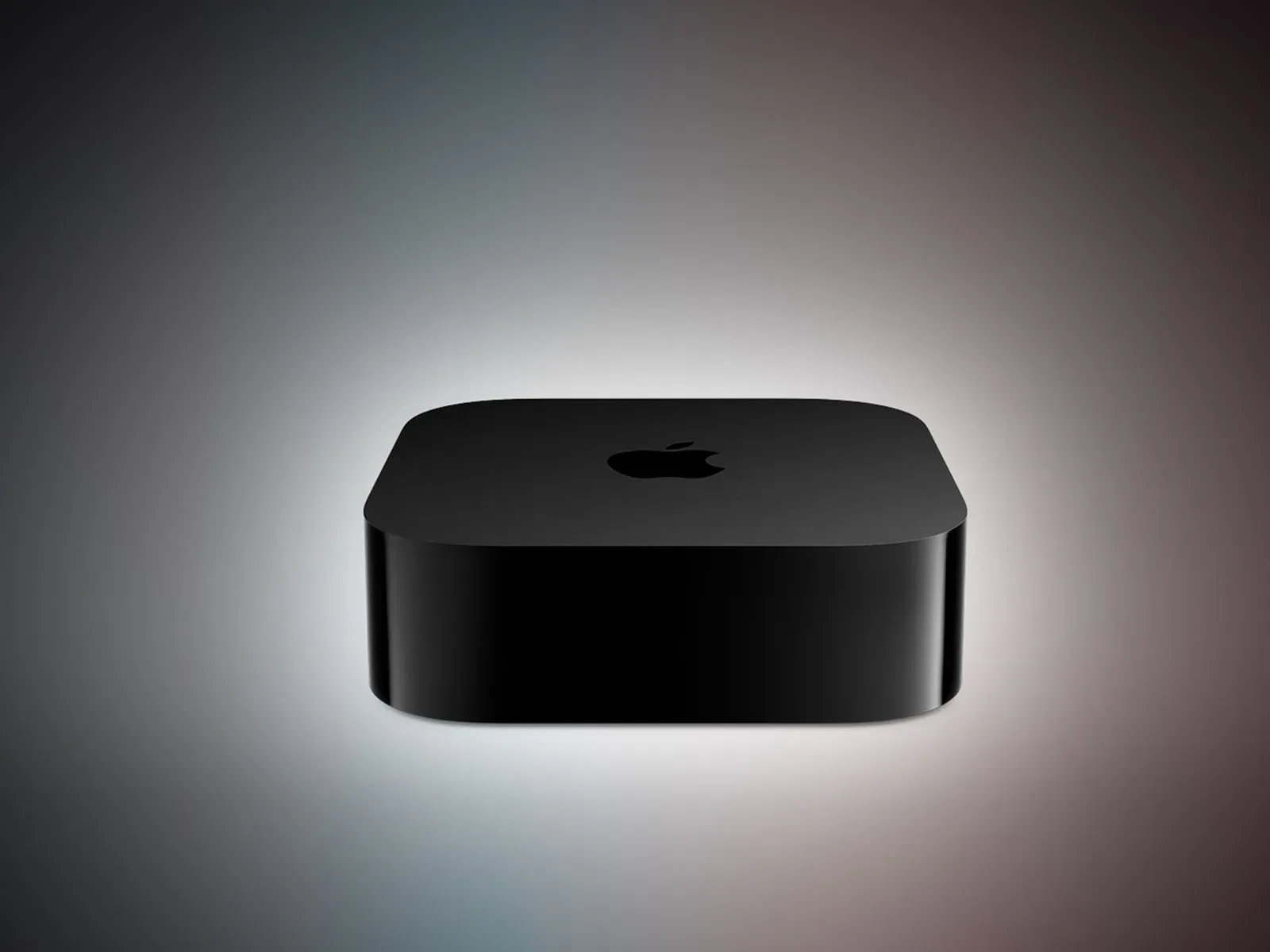
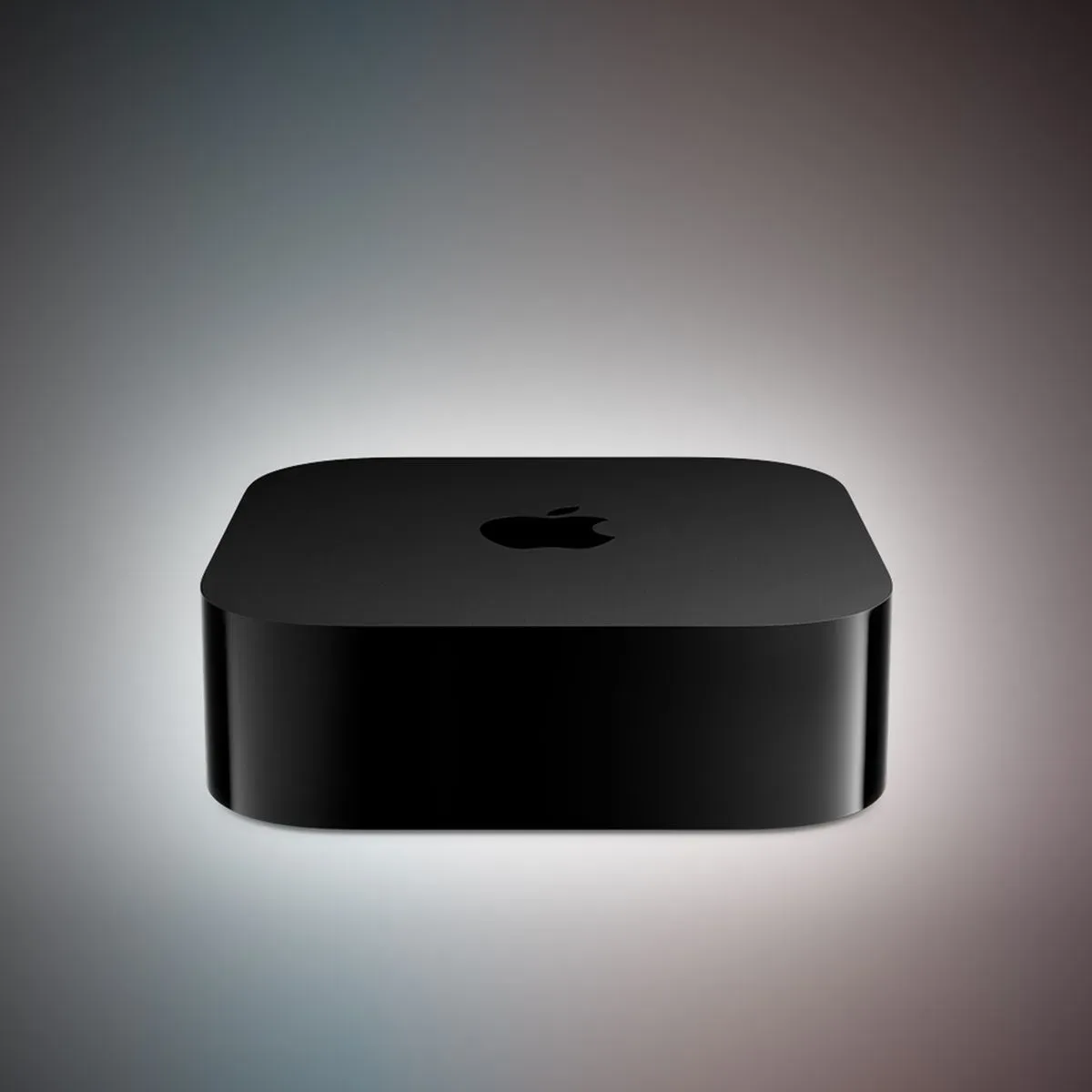
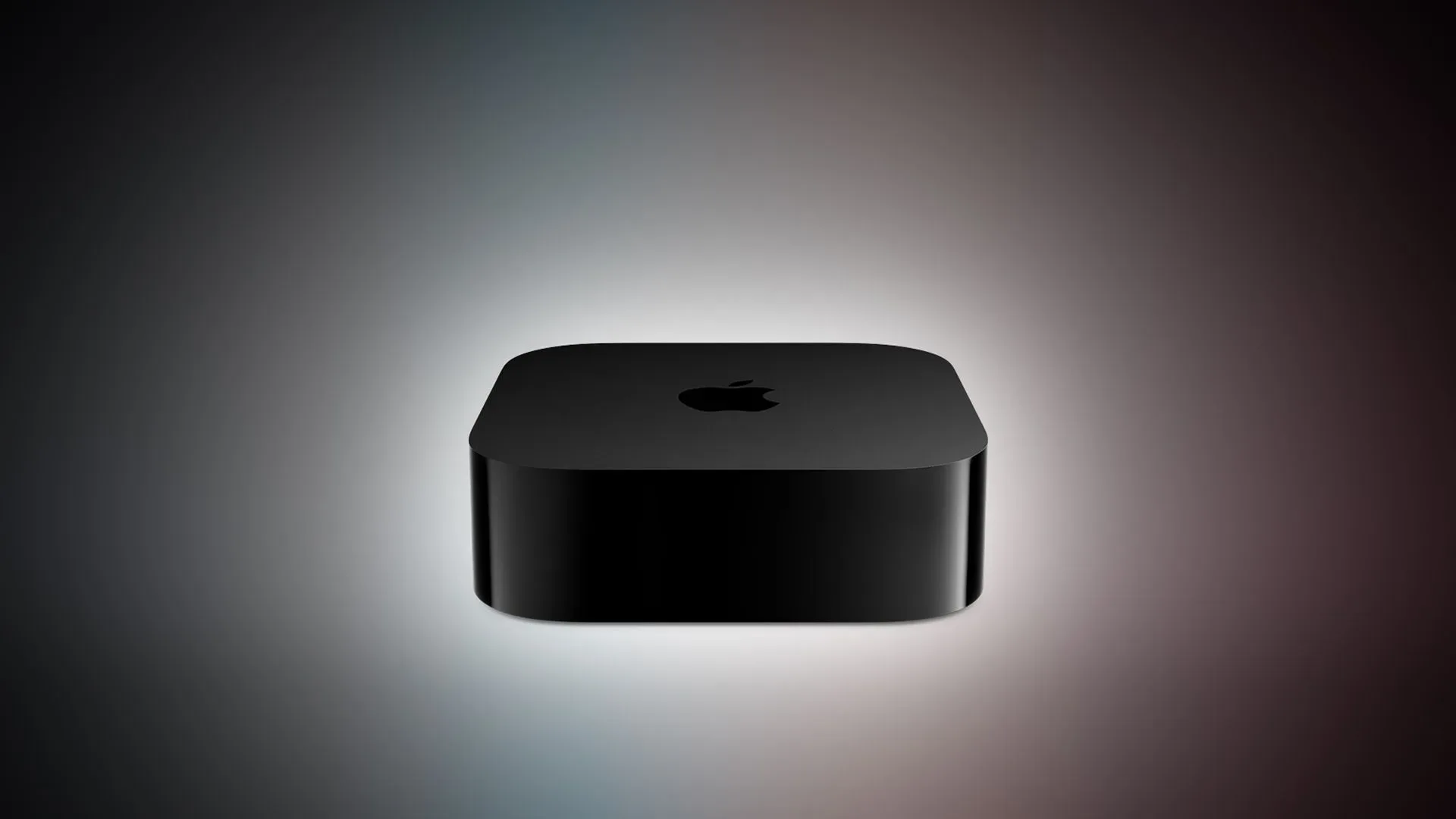
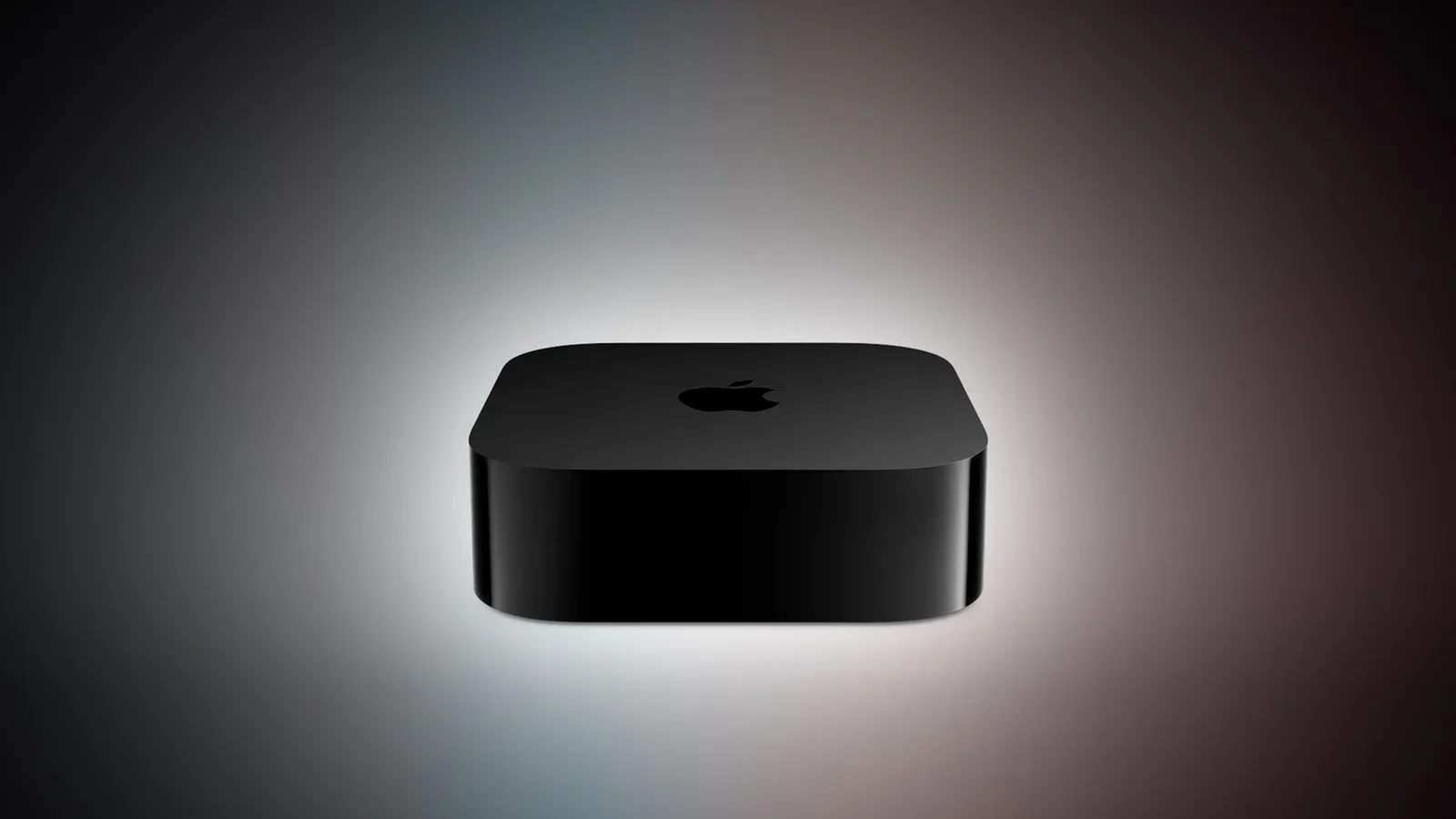
Reported imagery of an Apple TV 4K fourth generation did not show a design change from the current model. If that image accurately represents a shipping product, Apple could be focusing the refresh on internals, connectivity and the remote rather than a new enclosure.
That too needs careful framing. An image that lacks visible external change cannot prove there will be no differences in ports, finish, dimensions or bundled accessories. It simply offers no apparent evidence of a major visual redesign. For a set-top box that is often tucked away in a media cabinet, a familiar exterior would be unsurprising—but it remains an inference rather than a confirmed specification.
What prospective buyers should do now
There is no universal answer, because the current Apple TV 4K remains the known quantity. It exists today, carries an A15 Bionic chip and 4GB of RAM, and is explicitly included in the updated Hi-Res Lossless compatibility wording. Anyone who needs a streaming box immediately should assess the current product on its present merits and its current $199 U.S. starting price, rather than buy it for rumored features.
For buyers who can wait and are especially interested in more memory, a newer chip, possible Apple Intelligence and Siri changes, Wi-Fi 7, or a redesigned remote, waiting for clarity could be sensible. An October announcement is expected, but is not confirmed. Waiting also carries the ordinary trade-off: the rumored product may arrive later than anticipated, differ from the reports, cost more than expected, or not appear at all in the projected window.
The support note does not settle those questions. What it does is add a modest, product-specific clue to the growing case that Apple is preparing to move past the third generation. Until the company states otherwise, the fourth-generation Apple TV 4K remains a well-supported possibility—not an official certainty.