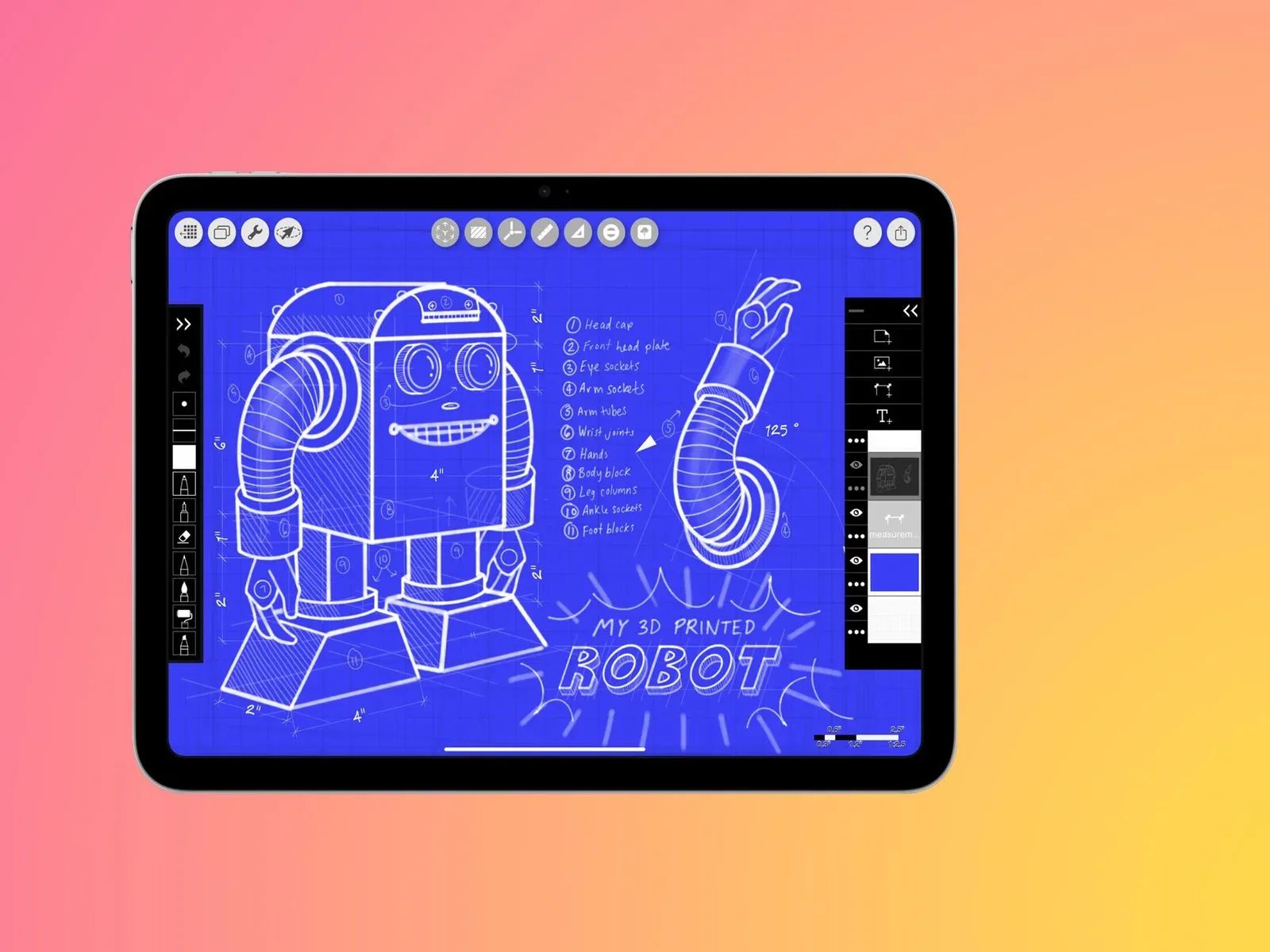
Apple’s next entry-level iPad may be a much more consequential upgrade than its position in the lineup suggests. Details apparently present in Apple code point to an A19 processor, 8GB of RAM, a C1X cellular modem and an N1 networking chip for the 12th-generation model. On a basic spec-sheet level, that is a sizable jump from the current iPad 11, which uses an A16 chip and has 6GB of memory.
The biggest practical change is not simply that the new model could open apps more quickly or have more headroom for multitasking. An A19-and-8GB configuration would meet the stated hardware baseline for Apple Intelligence. That means the next base iPad could gain the Apple Intelligence and Siri AI capabilities that are absent from the current entry model.
None of this should be treated as a launch announcement. The reported details come from code, and some had surfaced in earlier rumors. Apple has not provided a release date, final price, color lineup, screen specifications or a complete list of configurations. At present, the likely timing is spring 2027 rather than a release this year.
The key upgrade is eligibility, not just speed
The iPad 11’s A16 chip remains the reference point for judging this prospective update. Moving to an A19 represents a generational processor upgrade, and the provided information characterizes it as a noticeable performance improvement. But chip naming alone does not tell the entire story. The pairing of the A19 with 8GB of RAM matters because Apple Intelligence support depends on both processing capability and available memory.
RAM, or random-access memory, is the short-term working space a device uses while apps and system functions are active. It differs from storage: storage holds files, games and apps over time, while RAM helps keep current tasks ready to run. More RAM can help a tablet preserve more activity in memory, reduce the need to reload material, and give demanding system features more room to operate.
The shift from 6GB to 8GB is therefore meaningful in two overlapping ways. First, 8GB is the stated minimum for Apple Intelligence. Second, the extra memory should benefit everyday responsiveness in its own right. That does not mean every task becomes dramatically faster, nor does it establish how the new iPad will compare with higher-tier Apple hardware. It does mean the base model could stop being excluded from a major branch of Apple’s current software strategy.
For buyers using an iPad for games, video, schoolwork, chat, browsing and creative apps, the distinction may be less about any single benchmark and more about the device’s useful lifespan. A newer chip and additional memory give software more breathing room as workloads grow. The supplied evidence does not establish specific game frame rates, graphical features or app behavior, so those outcomes remain unknown. Still, the platform-level direction is clear: the lowest-priced iPad appears positioned to become a more capable general-purpose device.
What Apple Intelligence support would change
Apple Intelligence is Apple’s umbrella name for its AI features, including related Siri functionality. The important point for a prospective iPad 12 buyer is simple: the current iPad 11 lacks those capabilities, while the reported A19 and 8GB configuration would enable them.
That makes this an upgrade with a sharper dividing line than a routine chip refresh. A performance increase is often gradual: a page loads a little faster, an edit completes sooner, or apps stay active longer. AI support is a feature-access issue. If a device does not meet the hardware requirements, the feature set is unavailable regardless of how well the tablet performs at ordinary tasks.
There are sensible reasons to avoid treating that as an automatic purchase recommendation. The code details do not define exactly which Apple Intelligence features will be offered on the eventual iPad, how they will work in every region or language, or whether the experience will differ from more expensive Apple devices. They also do not reveal software timing. Hardware support is not the same thing as a fully detailed, final feature promise.
Even with those limits, the prospect is notable. Apple’s base iPad has traditionally been the straightforward, lower-cost option for people who want the core tablet experience. Bringing it into Apple Intelligence eligibility would reduce the functional separation between that model and pricier iPads in one important area.
Connectivity upgrades could be broader than they first appear
The reported N1 networking chip is expected to add support for Wi-Fi 7, Bluetooth 6 and Thread. These are separate wireless standards with different roles, and they should not be confused with a guaranteed improvement in every home or every network.
- Wi-Fi 7 is the newest Wi-Fi generation named in the report. A compatible router and network are needed to take advantage of it; the tablet alone cannot upgrade an older Wi-Fi setup.
- Bluetooth 6 is the next Bluetooth standard referenced for the device. The report does not specify individual accessory behavior, so it is too early to promise particular controller, headphone or peripheral improvements.
- Thread is a low-power networking technology associated with connected-home devices. Its inclusion potentially makes the iPad a better fit within a Thread-capable smart-home environment, but it does not by itself say which accessories or home configurations will be supported.
For a gaming-minded audience, Wi-Fi is the most immediately recognizable item. Reliable local connectivity matters for downloading large games, online play, remote play and game streaming. Yet Wi-Fi 7 support should be read as future-facing compatibility, not a blanket claim that every connection becomes faster. Internet plan speed, router quality, congestion, distance and the game or service itself all remain part of the equation.
The N1 chip could nevertheless make the entry iPad feel less compromised in the years ahead. Wireless standards tend to become most valuable when a buyer keeps a device for several years and gradually updates the rest of their setup. That is especially relevant to an iPad positioned as the affordable route into Apple’s tablet range.
Cellular model: C1X and sub-6GHz 5G
Cellular-capable versions of the prospective iPad are also expected to use Apple’s C1X modem. The information available says that it supports sub-6GHz 5G and is more efficient than the Qualcomm modem in the existing iPad.
A modem is the component that connects a cellular device to mobile networks. Sub-6GHz describes 5G spectrum below 6GHz. The supplied details do not make a claim about every 5G band, maximum download speeds, carrier availability or performance in a specific market. What they do indicate is a potentially more power-efficient cellular setup for a future iPad model.
Efficiency is worth noting because a cellular tablet’s experience is not just about peak network speed. Mobile connectivity consumes power, and a more efficient modem can be relevant to how a device manages that demand. Exact battery-life gains are not established here and should not be assumed until Apple publishes its own figures. Still, the inclusion of C1X suggests Apple is continuing to bring more of this technology into its hardware stack.
Price and release timing remain unresolved
There is no confirmed release date for the next low-cost iPad. The present expectation places it in spring 2027, and no entry-level iPad refresh is anticipated this year. That leaves a substantial gap between the code-based hardware picture and the details buyers typically need before making a decision.
The current iPad starts at $449 following a price increase in June 2026. The next model is expected to retain that starting price, though that remains an expectation rather than confirmed pricing. Storage tiers, cellular premiums and regional pricing have not been detailed.
Potential buyers therefore have a clear choice framed by uncertainty. Someone who needs a tablet now should evaluate the current iPad on the features it has today, including its A16 processor and lack of Apple Intelligence. Someone whose priority is AI support, newer wireless standards or a more current processor may find the reported 12th-generation changes worth waiting for—but only if a spring 2027 window fits their needs.
Colors are another unresolved point. New finishes are possible, but no colors appeared in the cited code details. It would be premature to assume a redesign or a particular palette from this information alone.
A broader Apple device refresh is in motion
The base iPad is not the only Apple hardware said to be on the horizon. An iPad mini refresh is expected before the end of October, with an A20 Pro chip, revised speaker system and a landscape front-facing camera among the reported changes. Earlier rumors have also pointed to an OLED display as the mini’s major display update.
That prospective mini update is separate from the eventual entry iPad, and buyers should not merge their rumored specifications. The iPad mini information does, however, reinforce the sense that Apple’s tablet range may be entering a new refresh phase, with different models receiving distinctly targeted upgrades.
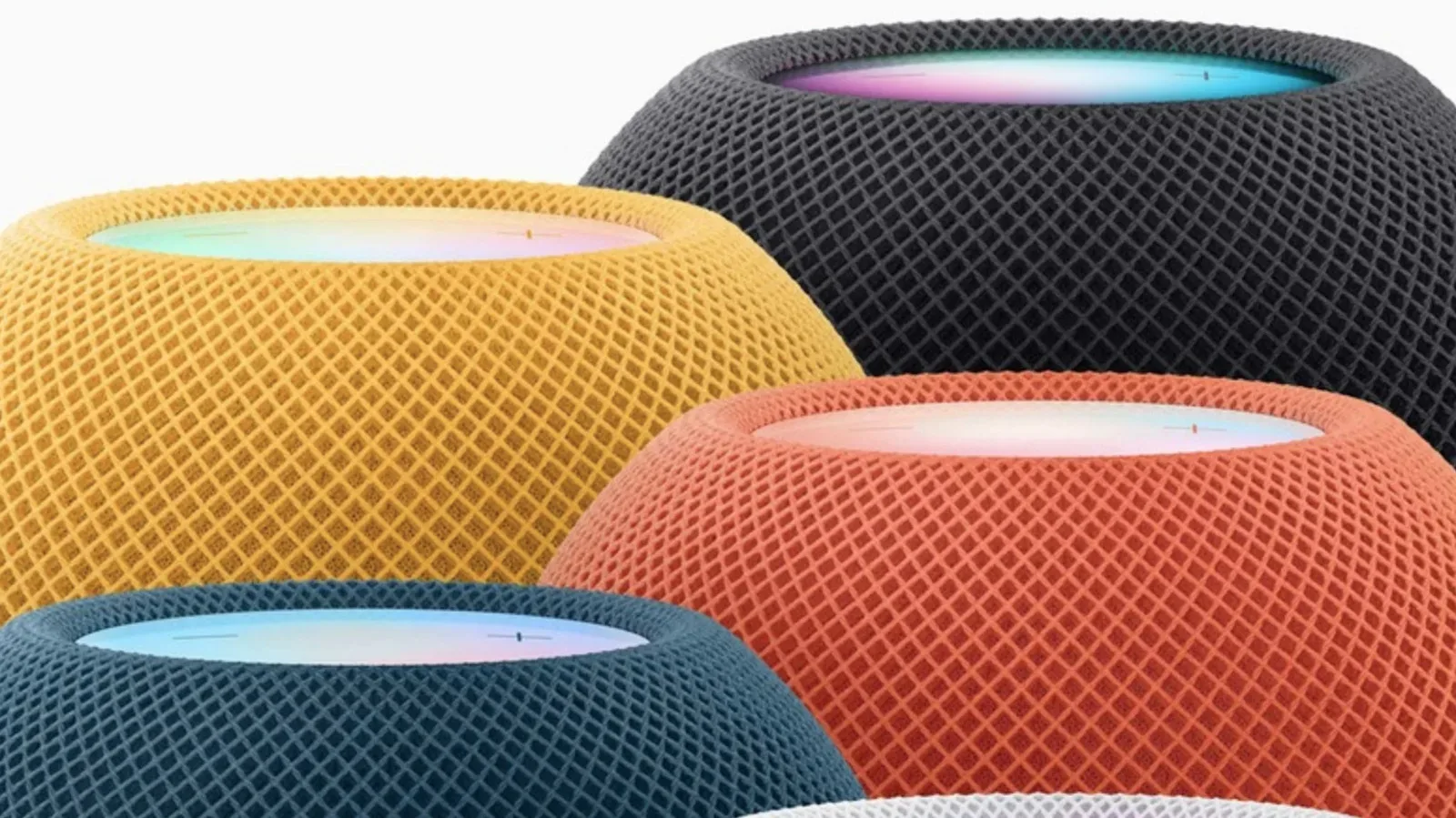
Elsewhere in the company’s home hardware plans, official images have reportedly revealed Apple TV 4K and HomePod mini hardware. The next HomePod mini is shown in green, pink, blue, white and black. For more on how that product’s reported refresh fits into Apple’s wider AI direction, see our look at the HomePod mini 2’s expected balance of color and functionality.
For the iPad line, though, the central takeaway remains focused: the next affordable model appears set to receive a processor, memory and connectivity package that would remove one of the current iPad 11’s most visible limitations. If the A19, 8GB RAM, C1X and N1 configuration reaches the final product, Apple Intelligence access may be the upgrade that matters most—while Wi-Fi 7, Bluetooth 6, Thread and a more efficient cellular modem strengthen the case beneath it.