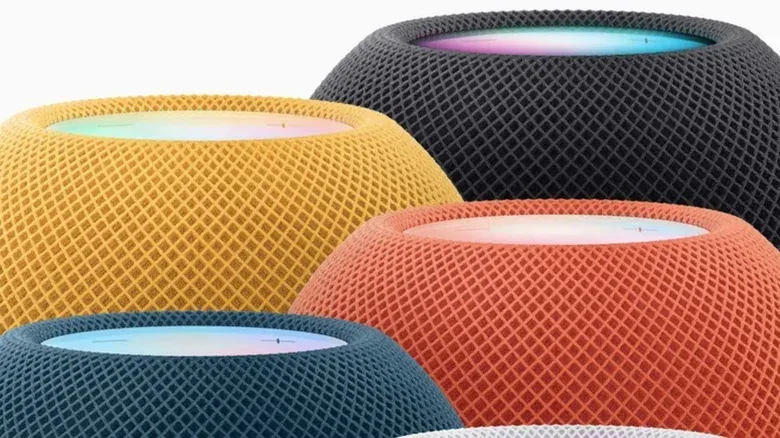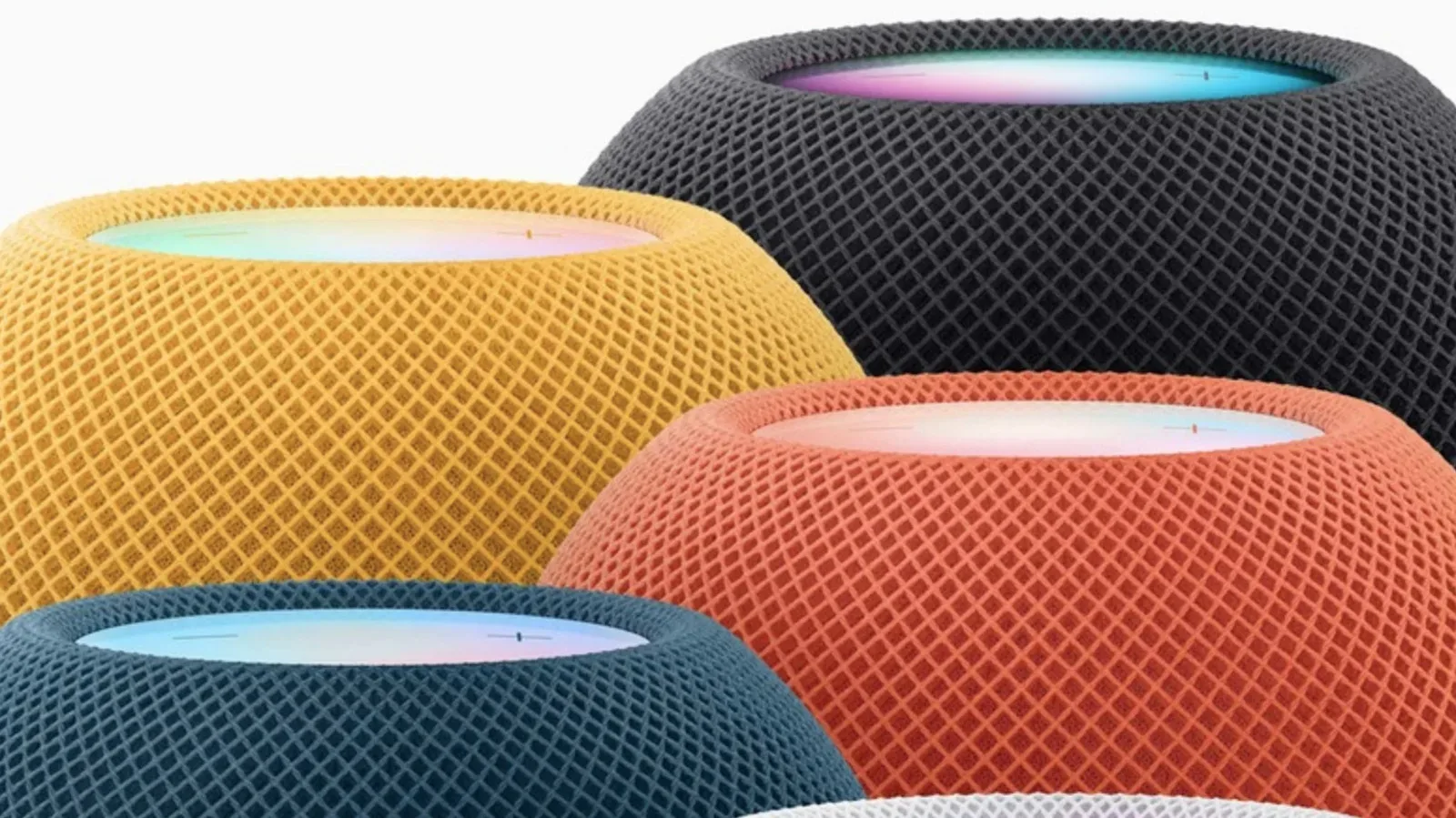
Apple’s next compact smart speaker may be preparing for a wardrobe change rather than a full-body makeover. References and purported product images found within Apple’s own code point to a reported HomePod mini 2 offered in green, pink, light blue, white and black. The apparent hardware keeps the rounded, fabric-covered form familiar from the existing HomePod mini, making this look—at least from the material currently available—like an evolutionary refresh rather than a radical reinvention.
That is not necessarily a bad thing. The HomePod mini’s small, orb-like shape has been its visual identity since the original arrived in October 2020. But the distinction matters for anyone anticipating a completely new Apple smart-speaker design: the early evidence suggests that the biggest immediately visible difference could be the color lineup, while the more consequential changes, if any, may be happening inside.
What the code appears to reveal
The reported findings include clear images of the speaker in five colors: green, pink, light blue, white and black. They were uncovered in Apple code, which makes them notable evidence but not the same thing as a formal product announcement. Code can reveal names, assets or device references before a launch, yet it does not settle every question about final specifications, regions, price or timing.
The reported palette differs meaningfully from the current model’s selection. The existing HomePod mini is available in yellow, orange, blue, white and midnight black. If the reported images represent the eventual retail product, yellow and orange would give way to green, pink and light blue; “midnight black” would also be described simply as black in the new set of references.
- Reported HomePod mini 2 colors: green, pink, light blue, white and black.
- Existing HomePod mini colors: yellow, orange, blue, white and midnight black.
- Shared colors: white and a dark black-toned option.
- Design takeaway: the speaker’s overall silhouette appears largely unchanged in the reported material.
Color can sound like the least exciting line item in a hardware leak, but it is one of the few details potential buyers can actually use before specifications arrive. A compact speaker sits openly on a shelf, desk, nightstand or counter. Unlike a feature hidden behind a settings menu, a color choice is part of the product’s everyday presence. The new options also appear positioned as softer alternatives to the existing yellow and orange selections, though Apple has not confirmed the reported lineup or explained its choices.
A long gap since the original model
The original HomePod mini launched in October 2020 for $99. Apple later raised that price to $129. While a new colorway arrived in July 2024, there has not been an actual hardware refresh since the speaker’s debut. That makes the reported HomePod mini 2 particularly significant: it would be the first proper revision after roughly six years, rather than another cosmetic addition to the same generation.
That elapsed time is also why the restrained exterior should not be mistaken for proof of restrained internals. A product can retain a recognizable industrial design while updating the components that determine responsiveness, processing capacity and the longevity of its software support. However, no pricing or technical specifications for the reported HomePod mini 2 have been established in the available information.
One likely area of interest is the processor, often called a chip. In this context, a chip is the central silicon that handles the device’s computing work. A newer chip has been suggested as a possibility because the original device is old and Apple is expected to emphasize Siri AI, but that remains inference rather than confirmed product detail. It should not yet be read as a promise of a particular chip, audio change, new control method or AI capability.
Siri AI is the important, unresolved backdrop
Reports have tied an updated HomePod mini’s expected fall arrival to the official launch of Siri AI. That connection is logical at a broad product-strategy level, but it does not tell us exactly what the speaker will do differently. “AI” is a wide label, not a specification. It could refer to more capable voice interactions, better interpretation of requests, new ways to coordinate smart-home tasks, or something else entirely. Until Apple details supported functions and device requirements, buyers should separate the existence of a Siri AI push from claims about a particular HomePod mini feature.
The practical question is not merely whether a speaker can answer a voice command; it is whether an upgraded assistant would make the command experience more useful, reliable or flexible in the room where the speaker lives. The current reporting does not answer that question. Nor does it specify whether any new Siri AI functions would be exclusive to a new speaker, available on older HomePods, or divided across devices in some other way.
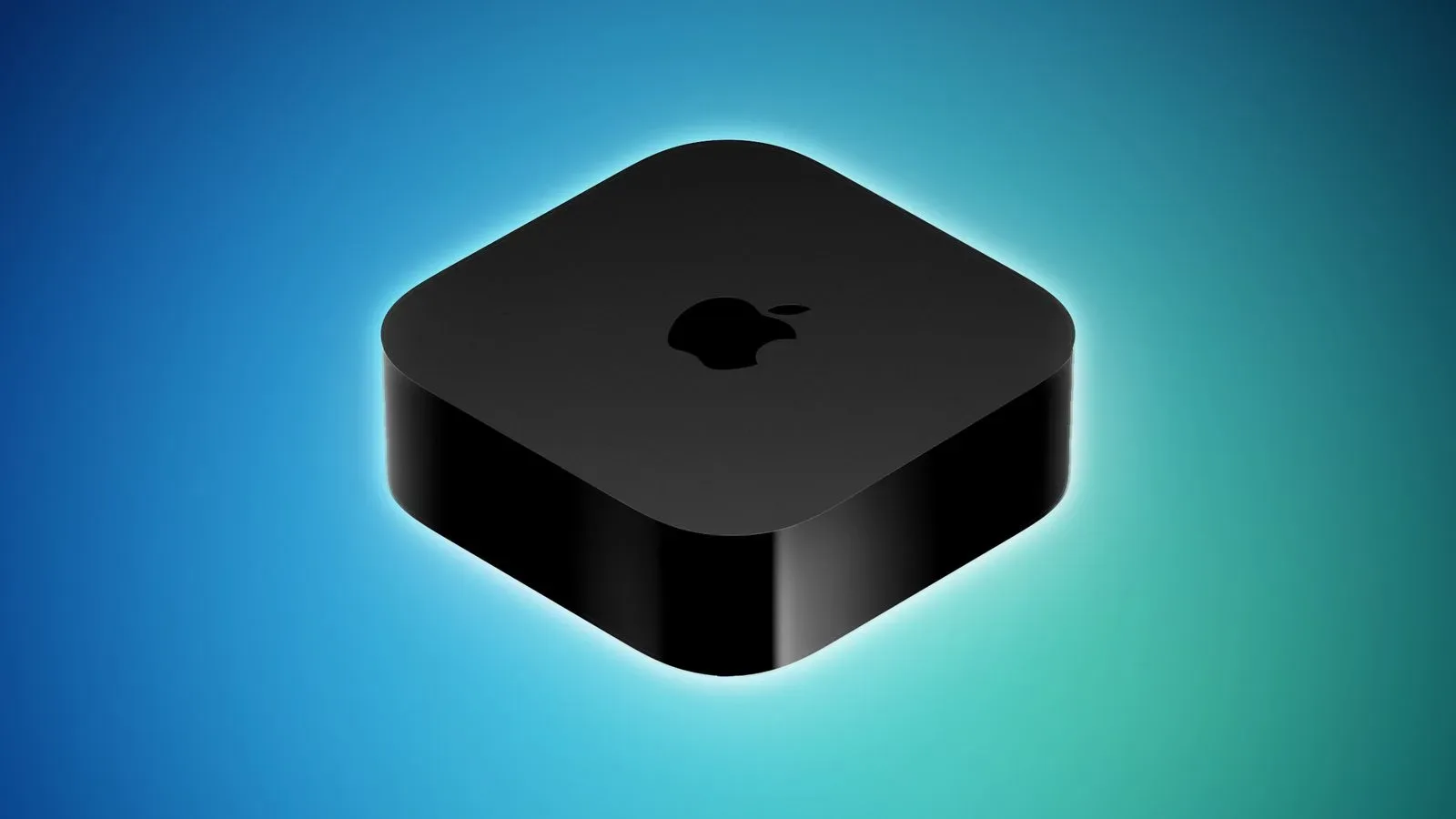
That uncertainty is especially relevant because Apple’s broader AI direction has already been a moving target across its product range. For related context on the company’s wider platform ecosystem, see the reported tvOS 27 changes to Apple TV music, podcast, accessibility and app controls. The HomePod mini 2 reporting also aligns with expectations that an updated Apple TV streaming box could arrive later this year, although neither product’s final configuration has been confirmed here.
Same shell, potentially different role
There is another reported Apple home-device project in the background: a smart-home hub said to be designed around Siri AI. The device has been described as resembling a HomePod mini sliced in half, with a small display. That description is still rumor, but it helps explain why a familiar-looking HomePod mini 2 could matter beyond its fabric colors.
A smart speaker and a smart-home hub can overlap, but they are not automatically the same product. The reported hub’s display would imply a visual interface, while the HomePod mini is fundamentally a speaker-first device. If both products appear, Apple could be maintaining a simple voice-and-audio option in the mini while introducing another device meant to present information and controls on-screen. That is analysis of the reported product directions, not confirmation of Apple’s plans.
For consumers, the potential overlap creates a sensible reason to wait for official details before choosing an upgrade path. Someone who primarily wants audio and voice interaction may see value in a refreshed mini. Someone who wants a persistent visual smart-home control point may want to know more about the reported display-equipped hub. At present, there are no confirmed specifications that allow a clean comparison.
What prospective buyers can take from this now
The safest reading of the evidence is straightforward. A HomePod mini refresh appears to be nearing release, it appears likely to preserve the existing basic design, and it may arrive in a revised five-color range. Apple code is said to indicate a release in the near future, consistent with reports of launches later this year for both the speaker and a new Apple TV box.
Everything beyond that needs caution. There is no reported price. There are no confirmed audio specifications. There are no confirmed processor details. And there is no official explanation of what Siri AI would mean on this particular speaker.
The early story is less “new orb from another galaxy” than “familiar orb awaiting a better reason to talk back.” The colors may be visible now, but the unanswered software and hardware questions are what will determine whether this is a meaningful upgrade.
Questions still unanswered
- What will the HomePod mini 2 cost?
- Which chip, if any, will power the updated speaker?
- Will audio hardware or sound performance change?
- Which Siri AI features will work on the device, and when?
- Will any new assistant capabilities also reach the original HomePod mini?
- How, if at all, will the speaker relate to the rumored display-based smart-home hub?
For now, the prospective HomePod mini 2 is a case where the visible evidence is unusually concrete while the most important purchasing information remains absent. The reported images give Apple fans a plausible look at the color choices and a strong indication that the compact speaker’s design language is sticking around. The official launch, whenever it arrives, will need to explain why a six-year wait produces more than a fresh coat of fabric.