
Apple is scheduled to release two new home-focused devices on Friday, November 13: the Apple HomeView smart display and the fourth-generation Apple TV 4K. Pre-orders for both have been open since mid-October, and each product is priced at $299.
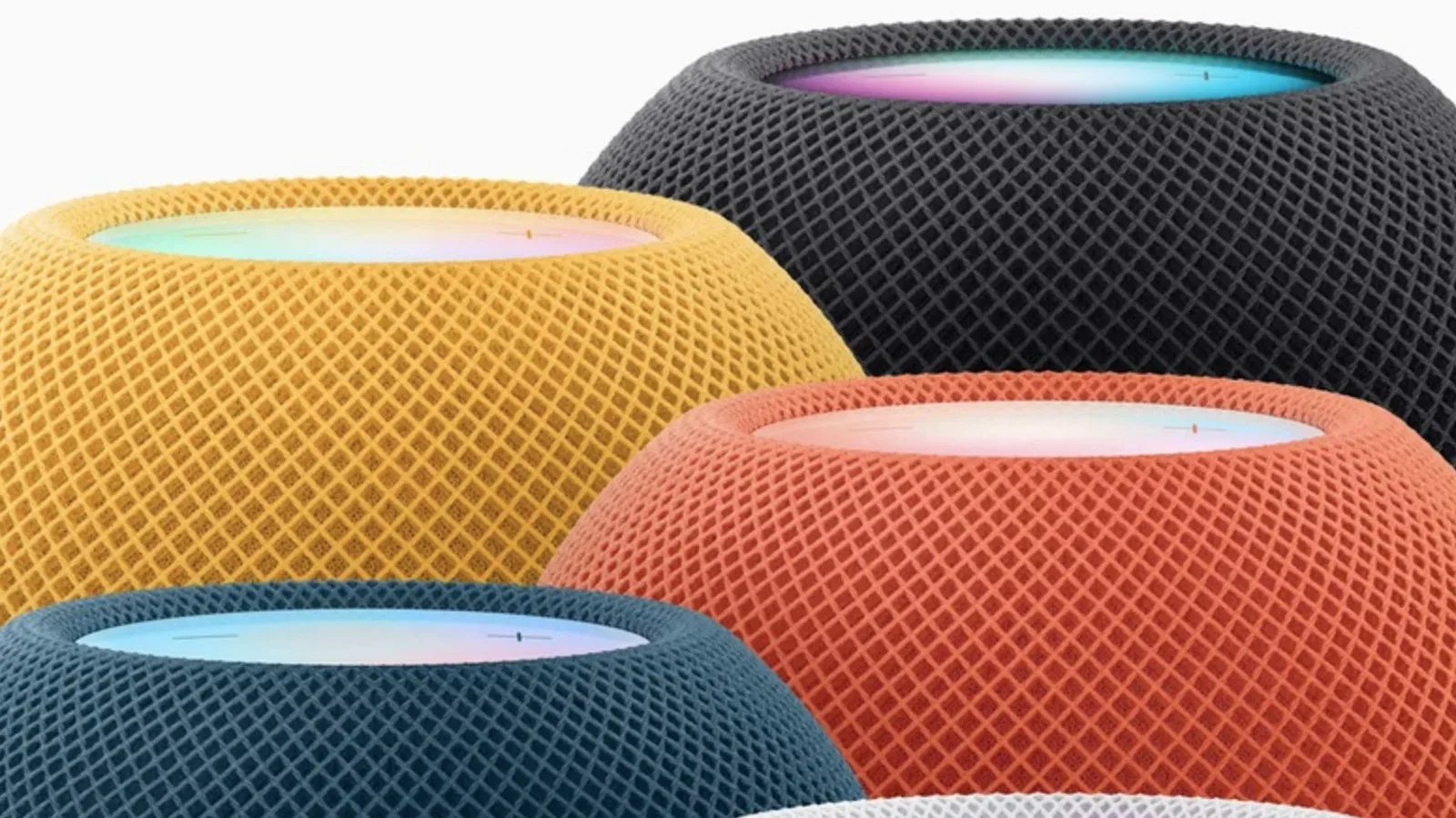
The pair were announced on October 13 alongside HomePod mini 2, which arrived on October 30. Although the two launches share a date and price, they target different parts of the connected-home setup: HomeView is a dedicated visual control point for a household, while the new Apple TV 4K updates the company’s streaming box with a newer processor, AI-backed Siri features and expanded audio ambitions.
What Apple HomeView is designed to do
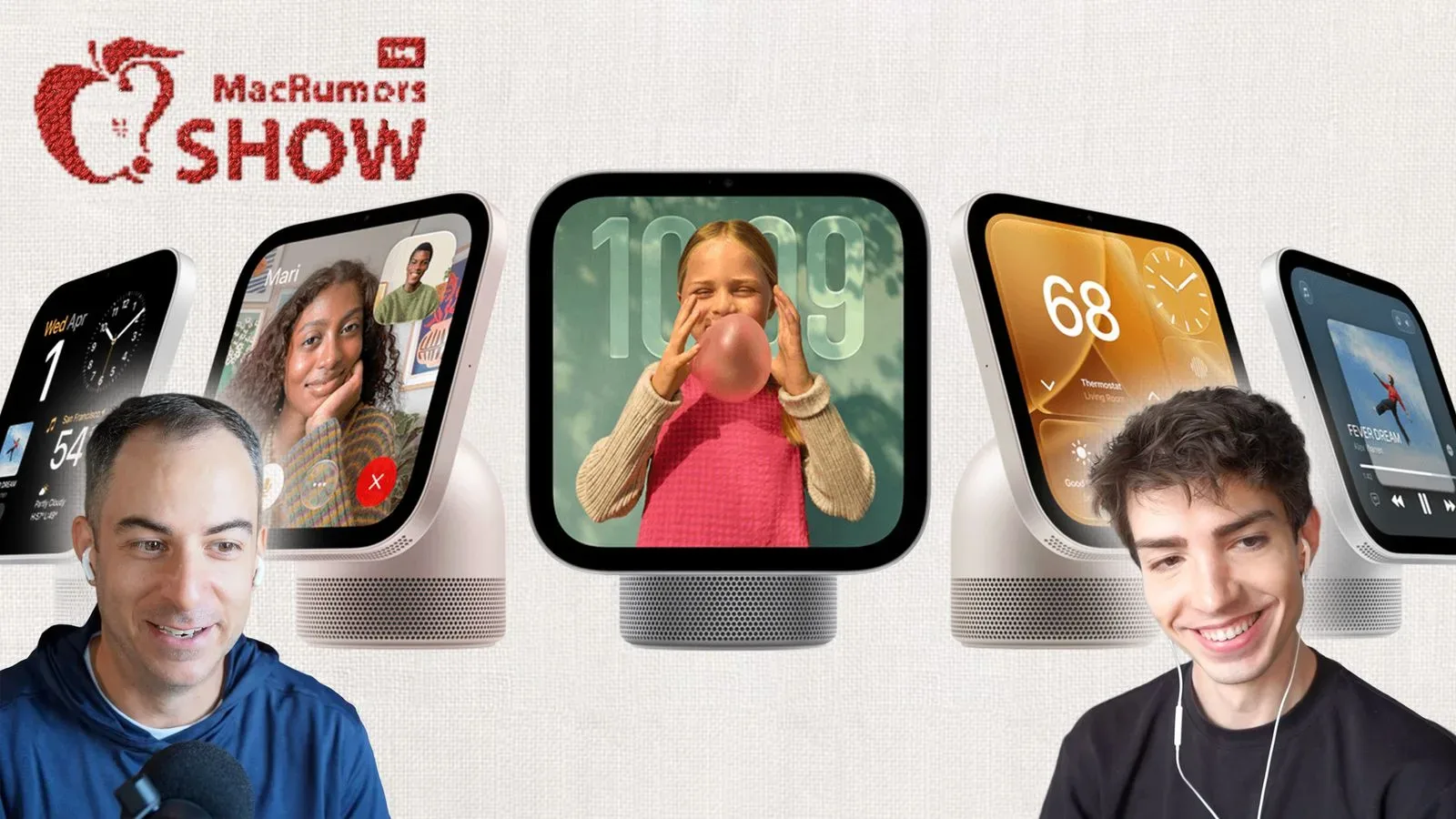
HomeView is Apple’s new smart-home display, positioned for entertainment as well as home management. It is powered by Apple Intelligence and Siri AI, making voice assistance a central part of its pitch rather than a peripheral add-on.
Apple will offer HomeView in tabletop and wall-mounted models. That distinction matters because placement changes how a shared screen fits into a home. A tabletop device can sit where people naturally pause, while a wall-mounted model is intended to become a more permanent fixture. In either case, the fundamental idea is a screen intended for household use, rather than an individual phone, tablet or television interface.
One of HomeView’s stated features is recognition of up to six people by face. Each recognized user can receive a personalized Home Screen. In practical terms, a personalized Home Screen means the device can present an interface tailored to the person it identifies instead of requiring everyone in a home to use the exact same starting view.
That approach acknowledges a basic challenge of communal technology: a device in a kitchen, living room or hallway may be used by several people in rapid succession. Face recognition is meant to make switching between those users less manual. It also places the device’s usefulness on the quality and availability of the Siri AI and Apple Intelligence systems that support it.
A $299 display with a major regional limitation
HomeView carries a $299 price, but it will not initially be sold in the European Union. The stated reason is that Siri AI is currently unavailable on iOS in the region because of regulatory constraints.
Apple has said it is working constructively with the EU to find a way forward, but it has not provided a timetable for HomeView availability there. For prospective buyers in the EU, that means there is no launch-date expectation to rely on. The issue is not presented as a delay with a confirmed revised date; it is an unresolved regional availability question tied to the service capabilities at the center of HomeView’s product design.
The situation also makes HomeView notably different from a simple screen-and-speaker release. Apple is presenting the device around AI-powered Siri and personalized household interaction, so regional access to that AI is directly connected to whether the product can be offered as intended. The broader status of Siri’s development remains an important thread for Apple’s platform plans, as covered in this look at Apple’s Siri engineering leadership.
The fourth-generation Apple TV 4K: key changes
Apple’s fourth-generation Apple TV 4K also arrives Friday for $299. It includes 128GB of storage and adds Siri AI, an A19 chip, a revised Siri Remote with Find My, and support for four-speaker surround sound using HomePod mini 2.
The A19 is the device’s main processing chip. In broad terms, a system chip handles the computing work required to run the interface, apps and features on a device. Apple has identified the A19 as a defining update for this Apple TV 4K generation, though no performance figures, game-specific claims or app benchmarks have been detailed here. It is safest to view the new chip as the platform’s updated internal hardware rather than assume particular speed results that have not been specified.
Siri AI is the other major addition. The label separates this Apple TV 4K from a routine hardware refresh: Apple is extending its AI-focused Siri direction to the television box. What its day-to-day usefulness looks like will depend on the specific requests and controls supported after launch, none of which have been detailed in the available information. Still, its inclusion puts the set-top box alongside HomeView in Apple’s current effort to make Siri AI part of home-facing devices.
A remote that can be found with Find My
The updated Siri Remote supports Find My. Find My is Apple’s device-location system, and its presence addresses a remarkably familiar living-room problem: a remote that has vanished into furniture, bedding or the increasingly mysterious zone behind an entertainment stand.
It is a smaller feature than a new processor or AI assistant, but it is immediately understandable. A streaming box is usually left in place; its remote is not. Integrating the remote with Find My makes the accessory more recoverable when it is misplaced, rather than treating it as an object that must be located by searching the room the old-fashioned way.
Four-speaker surround sound with HomePod mini 2
The new Apple TV 4K also supports four-speaker surround sound with HomePod mini 2. This describes an audio arrangement involving four compatible HomePod mini 2 speakers around the listening space, rather than relying on a single speaker. Surround sound generally aims to place audio around the listener, which can help create a more enveloping presentation for compatible entertainment.
The important qualification is in the hardware combination Apple has named: this support is specifically with HomePod mini 2. Buyers considering the feature should treat the streaming box and the speakers as parts of a broader setup, not assume that the $299 Apple TV 4K price alone includes the full four-speaker arrangement. No bundled configuration or additional pricing details have been specified.
How the two releases fit together
HomeView and Apple TV 4K have overlapping ambitions without being identical products. Both put Siri AI into a device intended to live in shared spaces. Both can play a role in entertainment, but one is explicitly a smart display for managing the home and presenting personalized screens, while the other remains a television-connected streaming device with upgraded processing, remote-finding and speaker support.
For someone choosing between them, the decision is less about which device is “better” and more about the screen and room involved. HomeView is aimed at a visible household hub, with tabletop and wall-mounted options plus recognition for up to six people. Apple TV 4K is designed for the primary television experience, including Siri AI and an audio setup that can expand to four HomePod mini 2 speakers.
There is also a shared caveat around AI expectations. Apple has named Apple Intelligence and Siri AI as core elements of HomeView, and Siri AI as a new Apple TV 4K capability. The supplied launch information does not enumerate every command, entertainment feature or smart-home workflow that these systems will handle. It is therefore better to distinguish confirmed platform inclusion from unconfirmed usage details. The confirmed facts are that Siri AI is part of both new devices, and that HomeView’s EU absence is linked to Siri AI’s current unavailability on iOS in that region.
What is confirmed for launch day
- Apple HomeView and the fourth-generation Apple TV 4K are due Friday, November 13.
- Both devices have been available to pre-order since mid-October.
- Each is priced at $299.
- HomeView comes in tabletop and wall-mounted versions.
- HomeView can recognize up to six users by face and give each a personalized Home Screen.
- The Apple TV 4K has 128GB of storage, an A19 chip, Siri AI and a Siri Remote with Find My.
- The Apple TV 4K supports four-speaker surround sound with HomePod mini 2.
- HomeView is not set to launch in the European Union, with no EU availability timeline announced.
With HomePod mini 2 already launched on October 30, Friday’s releases complete the next immediate step in Apple’s home-device rollout. The HomeView’s regional restriction means the launch will not be uniform worldwide, while the Apple TV 4K’s updated hardware and four-speaker HomePod mini 2 support give existing and prospective Apple home users a clear picture of the ecosystem Apple is building around the television and the wider household.