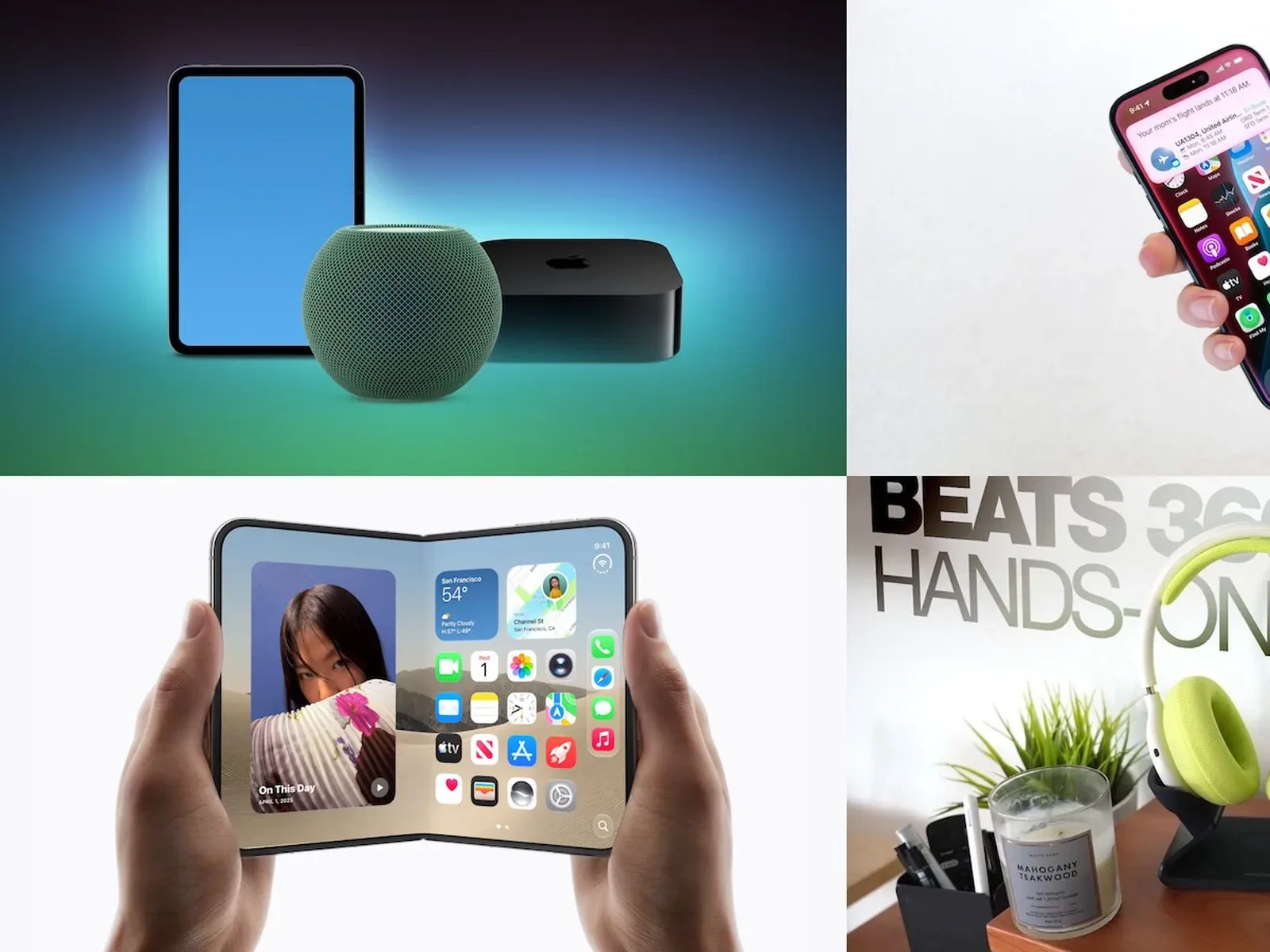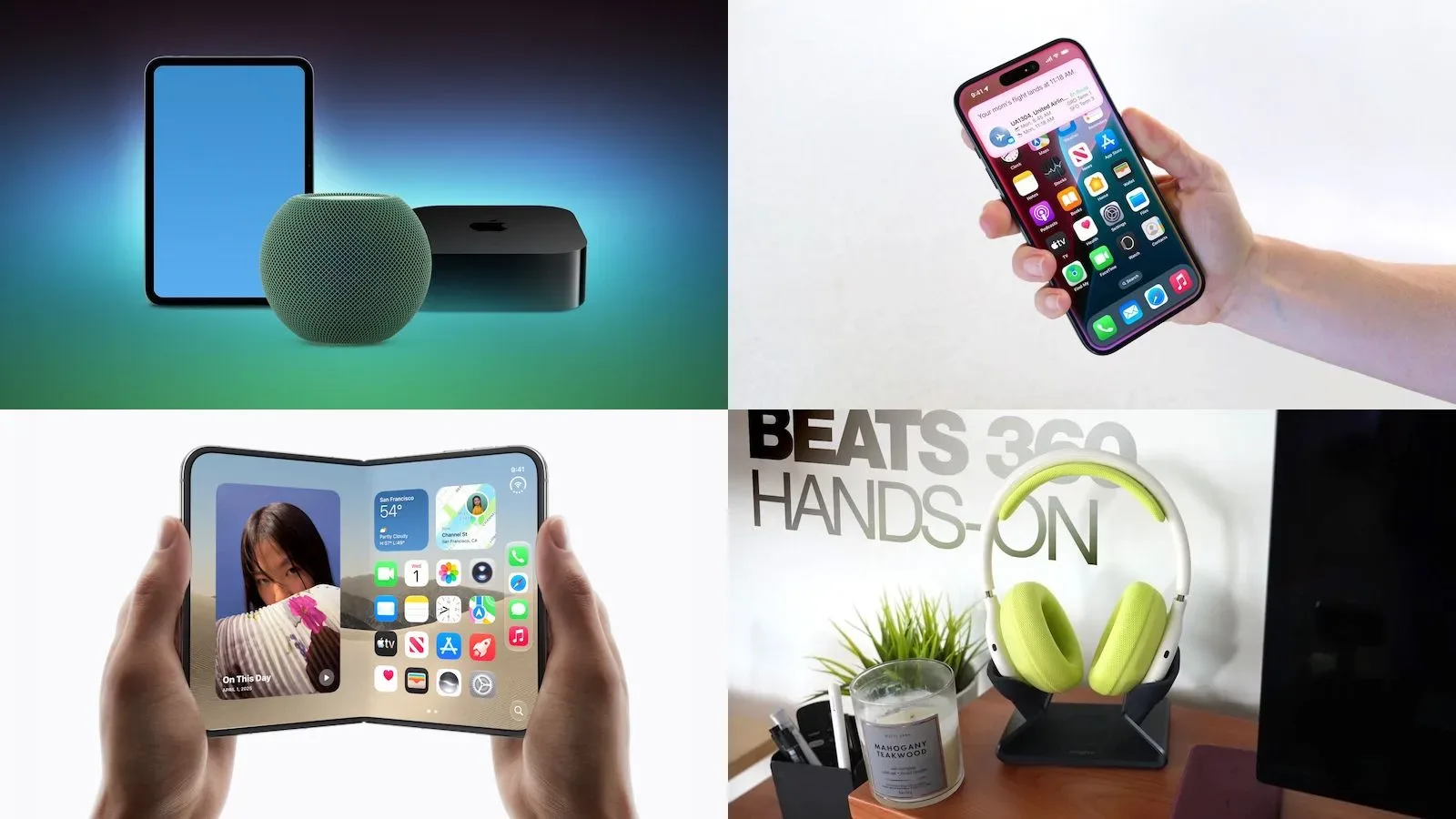
Apple’s current news cycle has split neatly between products people can buy or use now, a legal process that has moved into its claims phase, and a stack of hardware reports that still need to be treated as reports rather than promises. The firmest practical change concerns the iPhone 18 Pro Max: its battery capacity creates a shipping-specific workflow for repair, trade-in and other shipments. Meanwhile, people following the Siri AI delay lawsuit can now find the settlement claims site, while Beats has formally introduced the $349.99 Beats 360 headphones.
Elsewhere, reports point to an October hardware wave that could include an iPad mini, HomePod mini and Apple TV 4K, with a new operating system accompanying some new hardware. There is also discussion around a future iPhone Duo and a much more distant 20th-anniversary iPhone line. Those latter items are inherently less settled: product plans can change, and a leak or executive discussion is not equivalent to a completed retail product.
The immediately useful iPhone 18 Pro Max detail: Prepare to Ship
The iPhone 18 Pro Max has a single-cell battery rated above 20 watt-hours, which puts the handset under additional shipping requirements. A watt-hour, usually written Wh, is a measure of energy capacity rather than a measure of charging speed. In this case, the threshold matters because the device must be kept below it when it is sent somewhere.
Apple’s answer is a firmware feature called Prepare to Ship. For an iPhone 18 Pro Max going out for repair, trade-in or another purpose, the tool discharges the battery until it sits below 20Wh and then applies a charge limit intended to keep it there for the journey. That is a narrowly targeted function, but it is a useful one. It replaces the vague idea that owners should simply drain a phone “enough” before mailing it with a controlled setting tied to the relevant energy threshold.
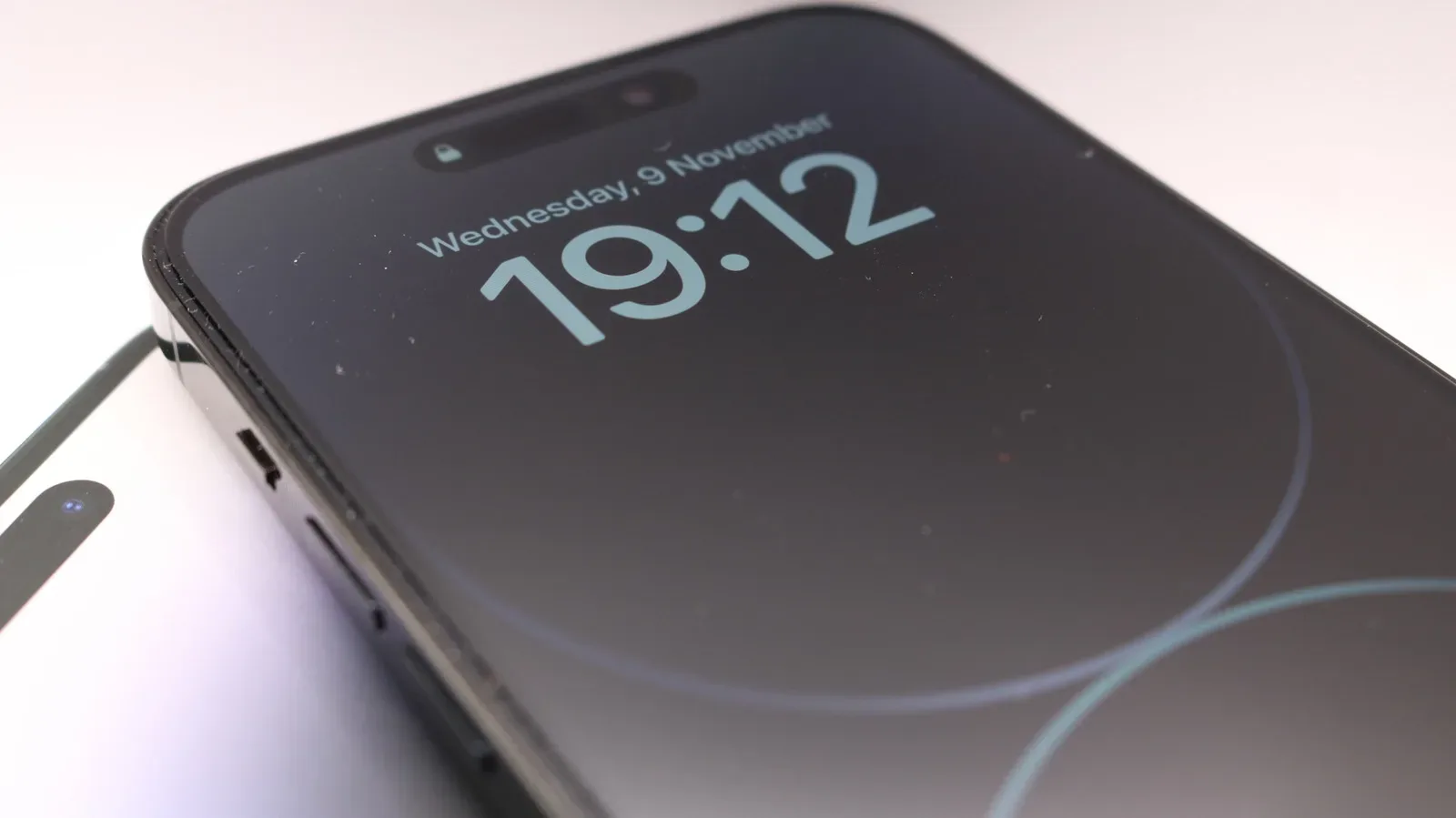
It also means users should not mistake a reduced maximum charge after enabling the feature for an ordinary battery-health issue. The limit is part of the shipping preparation process. Owners troubleshooting ordinary display behavior, rather than preparing a device for transit, may also want to distinguish such shipping controls from power-saving display settings; Always-On Display behavior has its own settings and causes.
The broader lesson is mundane but important: battery specifications can affect ownership after checkout. Large battery capacity is often discussed through runtime, but shipping rules add another practical consideration when a phone is traded in, serviced or otherwise mailed. The iPhone 18 Pro Max’s dedicated workflow acknowledges that the issue is administrative and technical, not something customers should be expected to manage through guesswork.
Siri AI settlement moves to claims acceptance
A U.S. class action lawsuit focused on delayed Siri AI features has reached a new procedural stage. Apple agreed in May to a $250 million settlement, and the settlement website is now accepting claims. Apple denies the allegations made in the case and agreed to resolve it rather than continue into a trial with its associated costs and risks.
That distinction matters. A settlement is an agreement to end a legal dispute; it is not, by itself, an admission that every allegation in the complaint is true. Similarly, the opening of a claims website does not mean every iPhone owner automatically receives a payment. It means the settlement process has advanced to the point where potentially eligible people can submit claims through the designated channel, subject to the settlement’s terms.
For readers seeing headlines about Apple “paying iPhone owners,” the responsible next step is not to assume eligibility from the headline alone. It is to review the settlement site’s criteria, timing and submission requirements. The supplied details establish that claims acceptance has begun, but they do not establish the precise eligibility rules, individual payment amounts or claim deadline. Those are details claimants should verify directly in the official settlement materials rather than infer from the overall $250 million figure.
Beats 360 is official, and customization is central
Unlike the unannounced-product reports, the Beats 360 is a confirmed launch. The new over-ear headphone costs $349.99 and represents a redesign of Beats’ over-ear approach, with sound quality, comfort and customization presented as the major focus areas.
The most tangible differentiator is the use of swappable ear cushions and headband cushions. Buyers can mix colors and materials rather than treating the original exterior configuration as fixed for the life of the headphones. Beats is also offering additional cushion kits at heavily discounted prices as a launch promotion.
That design choice has implications beyond appearance. Headphones are both an everyday audio device and a highly visible accessory, so replaceable pieces give owners an option to alter the look without replacing the whole product. The supplied information does not detail the specific materials, color options or acoustic effect of every cushion combination, so those should not be assumed. Still, the basic proposition is unusually clear: the Beats 360 is designed for a degree of owner customization through physical components, not merely software settings.
October hardware reports: iPad mini, HomePod mini and Apple TV 4K
Reports indicate that the next iPad mini, refreshed HomePod mini colors and a new Apple TV 4K are likely candidates for an October announcement window, alongside another round of product launches and an all-new operating system for some of that hardware. “Likely” is doing real work here. None of these reports should be read as a confirmed launch schedule until Apple makes an announcement.
The next iPad mini is linked to the A20 Pro in the current reports. Processor labels are valuable shorthand, but they do not by themselves tell prospective buyers everything about a device: software support, display, storage options, connectivity, cameras and price all affect the finished proposition. None of those additional specifications are established here, so it would be premature to turn a chip reference into a full spec sheet.
Separately, leaked Apple code is said to corroborate some rumored details around a 12th-generation iPad. Its suggested timing is early next year rather than the possible October window. The two iPad stories should therefore be kept separate: an iPad mini report is one product thread, while the 12th-generation iPad is another, with different expected timing.
The HomePod mini portion of the report specifically concerns new colors, while the Apple TV 4K portion signals a prospective refreshed model. Neither claim supplies a full specification list, and that absence is useful context. The reports indicate where Apple’s next hardware activity may land, not the final scope of each refresh.
The iPhone Duo crease promise is a future-product accountability test
Apple hardware engineering vice president Tom Marieb has discussed the upcoming iPhone Duo, including its hinge, Ceramic Shield 2 on the front display and the display crease. His message on the crease is unusually direct: Apple should be held accountable for how it turns out.
A crease is the visible or tactile fold-area effect that can be associated with a folding display. It is one of the details that receives outsized scrutiny because it sits at the intersection of design, durability and daily use. A hinge is the mechanical assembly that enables the device to open and close, meaning its execution and the display’s behavior cannot really be separated in public perception.
Marieb’s comments do not provide a scored durability test, a release date or a definitive description of the finished device. What they do provide is a clear standard for evaluating it once it arrives: claims about an innovative hinge and front-display protection will be judged against the visible and tactile reality of the crease. For a product that remains upcoming, that is a more useful takeaway than pretending the question has already been settled.
iPhone 20 Pro display talk remains an early, unverified comparison
A separate leak shared on Weibo suggests that the 20th-anniversary iPhone lineup expected next year could have slightly larger displays than the iPhone 18 Pro family. It is an early claim about a product well ahead of launch, so it deserves a correspondingly high level of caution.
The existing comparison points are specific. The iPhone 18 Pro has a 6.27-inch screen, commonly rounded to 6.3 inches, with a 2,622 × 1,206-pixel resolution. The iPhone 18 Pro Max has a 6.86-inch screen, commonly rounded to 6.9 inches, with a 2,868 × 1,320-pixel resolution. Those figures establish the baseline from which the rumored 20th-anniversary models are said to grow slightly.
Screen size and resolution are related but different measurements. Diagonal inches describe the physical span of the panel, while pixel resolution describes the number of picture elements arranged across it. A report of a larger display alone does not establish how sharp it will look, how the phone’s outer dimensions will change or how Apple would name the devices. For now, the sensible reading is simply that a leak has proposed incremental display growth, not that final iPhone 20 Pro specifications are known.