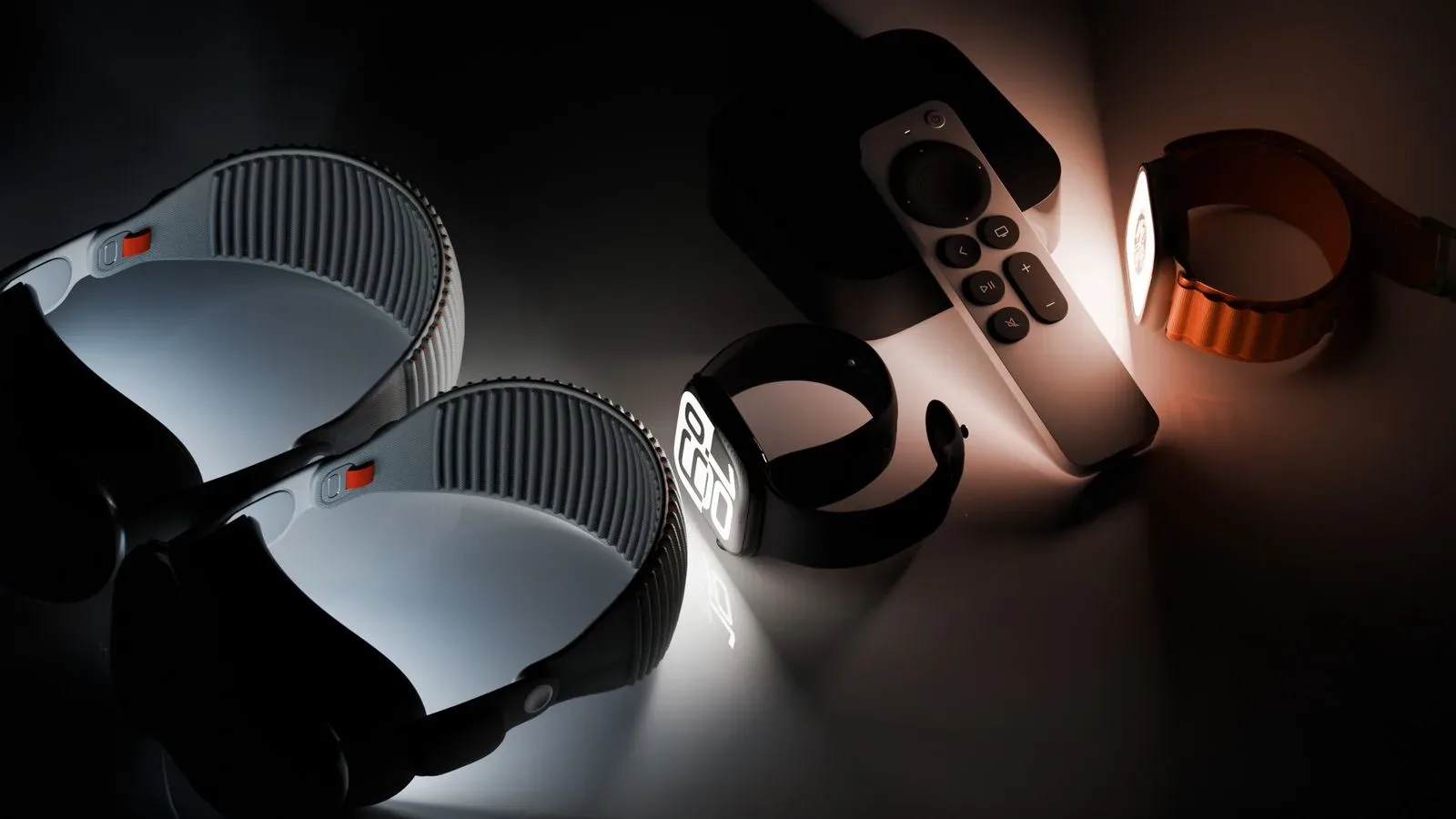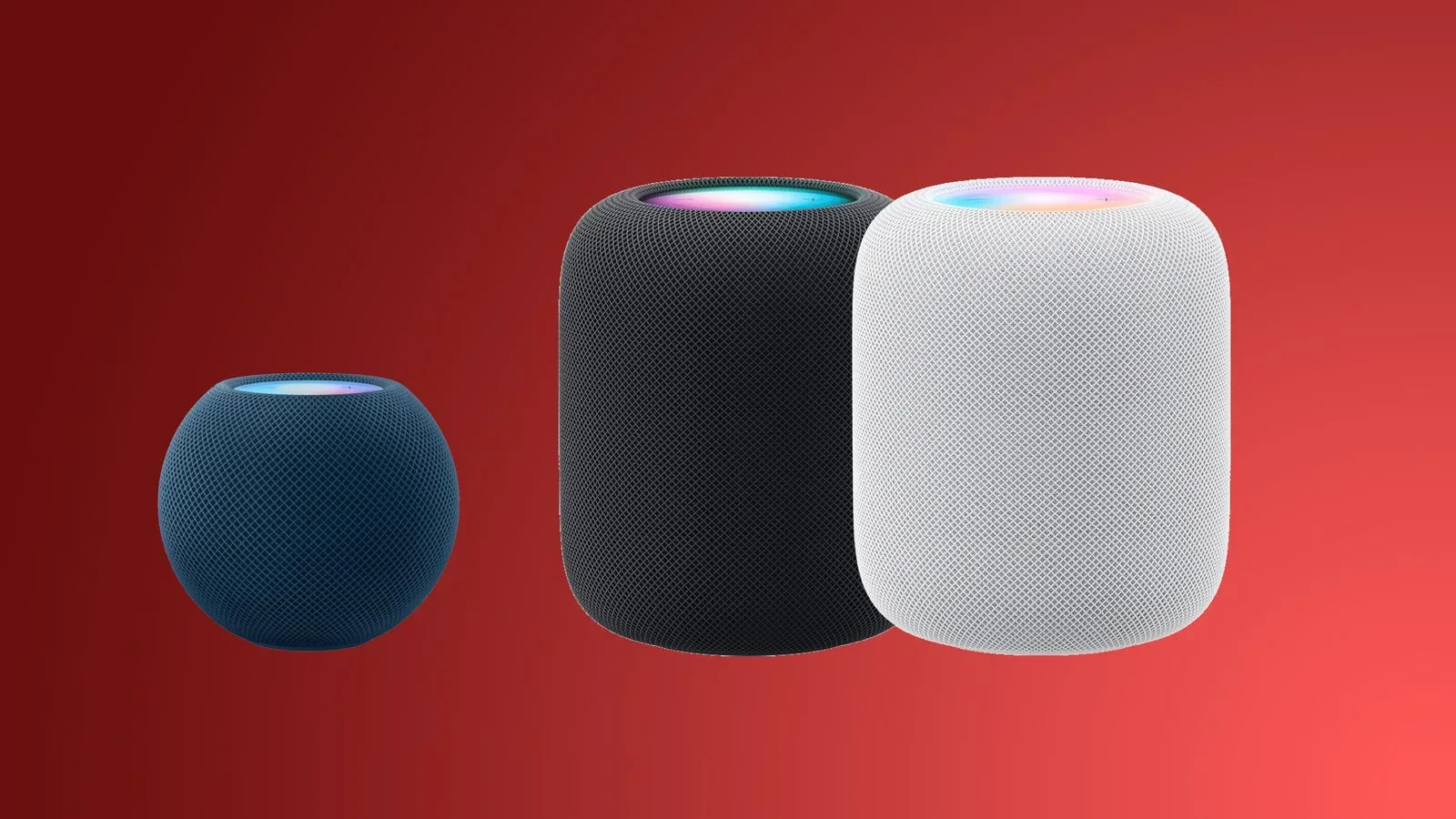
Apple’s HomePod may be preparing for a more capable Siri, but the first evidence comes with a familiar smart-home caveat: the software appears to know something that today’s speakers cannot yet do.
Code spotted in HomePod Software 27 includes references to the underlying Siri AI system, called Linwood, plus new status lights that use Siri AI colours. It is a meaningful sign that the HomePod platform is being readied for the upgraded assistant. It is not, however, proof that owners can switch it on right now. Siri AI is absent from existing HomePods even though Software 27 has arrived, leaving open the strong possibility that support is intended for future models only.
That distinction matters. A smart speaker is usually purchased with the assumption that its central job—listening and responding—will steadily improve over time. When the new brain arrives in the code but not in the speaker on the shelf, the question becomes less “when is the update?” and more “which hardware will be invited to the update?” The HomePod’s little glowing top may be preparing for a glow-up, while current units sit nearby wondering why the party has a guest list.
What the Software Clues Actually Establish
The Software 27 findings establish two relatively narrow things. First, the HomePod operating system contains material connected to Siri AI, including the component identified as Linwood. Second, it contains references to revised visual indicators tied to Siri AI’s colour treatment.
Those indicator lights are potentially useful beyond aesthetics. Voice assistants need to communicate states quickly: that they are listening, processing a request, responding, or possibly waiting for something else to happen. A distinct light treatment could help separate the more advanced Siri experience from the existing interface. But the references do not spell out every possible state, every command, or every feature that the lights represent. It would be premature to turn a coloured glow into a complete feature list.
Likewise, Linwood should be understood as the name attached to the system in the software, not as a consumer-facing promise of a particular capability. Internal or platform-level identifiers can reveal that work is in progress while revealing very little about exactly how the finished experience will behave.
Most importantly, HomePod Software 27 being publicly available without Siri AI on current HomePods changes the reading of the discovery. If the goal were a straightforward rollout to all existing devices, users would reasonably expect to see at least some sign of the feature after installing the new software. Its absence does not conclusively rule out later support, but it does make a new-hardware limitation plausible.
A Likely iPhone-Linked Approach
There is a useful clue in Apple’s current approach on the wrist. Apple Watch Series 9 and later can support Siri AI, but the Siri functionality requires a connected iPhone that itself supports Apple Intelligence. The next HomePod mini is expected to work along similar lines, offering some Siri AI and Apple Intelligence capabilities when paired with a compatible iPhone.
That model is worth parsing carefully. Apple Intelligence is the broader set of AI-related capabilities on a compatible iPhone; Siri AI here refers to the smarter assistant experience connected to that ecosystem. A linked setup would mean the HomePod mini may not have to handle every part of the more demanding work entirely on its own. It could instead serve as the always-near voice endpoint while a compatible iPhone supplies necessary support.
For buyers, that creates a compatibility chain rather than a single-product decision. The relevant question would not simply be whether a HomePod mini is new enough. It would also be whether the iPhone in the household supports Apple Intelligence, and whether it remains available and connected in the way the feature requires. The upside is that a smaller speaker could participate in a more advanced assistant setup. The trade-off is that its most ambitious voice functions may be dependent on another device.
Nothing in the current information defines the full boundaries of that dependency. It does not say which requests would work independently, which would need the iPhone, or what happens when the phone is unavailable. Until those details are made clear, shoppers should treat “Siri AI support” and “fully self-contained Siri AI” as two very different ideas.
What Could Change in a New HomePod Mini
The expected HomePod mini refresh is not thought to bring a redesign. That suggests the familiar compact speaker form could remain while the more consequential changes happen inside. Reported possibilities include an updated processor, Apple’s N1 networking chip, a newer Ultra Wideband chip, and new colours.
The processor is the easiest potential change to connect to a smarter assistant. More capable voice features can require more local processing, improved responsiveness, or better coordination with a paired phone. Still, the presence of an updated processor would not by itself confirm a particular Siri AI function. It would simply make the new model a more credible home for the software foundation now appearing in HomePod Software 27.
The networking and Ultra Wideband possibilities also deserve a measured reading. Networking hardware governs how a device communicates across a home and with other devices; Ultra Wideband is a short-range wireless technology often associated with precise awareness between compatible devices. Both could help broaden the hardware’s role in Apple’s home setup, but no specific new HomePod behavior has been detailed here. They are potential components, not announced features.
New colours would be the most immediately visible refresh, while the Siri AI lighting could be the most visible change in daily use. It is an amusingly modern product proposition: the outside may remain nearly identical, but the lamp on top may become much better at communicating that the tiny fabric-covered cylinder is considering your request.
The Broader Home Hardware Picture
The HomePod mini is not the only Apple living-room device expected to move toward Siri AI. A future Apple TV 4K is also expected to use a processor capable of supporting it. Apple is additionally working on a dedicated home hub with Siri AI integration, while an updated full-size HomePod is in development on an unclear timetable.
Together, those products point to an ecosystem-level direction rather than a one-speaker update. A HomePod handles voice in a room; an Apple TV 4K sits at the centre of many televisions; and a dedicated home hub could offer a separate point of interaction for connected-home tasks. Siri AI could become a common layer across those devices, even if each one has different hardware and different degrees of reliance on a compatible iPhone.
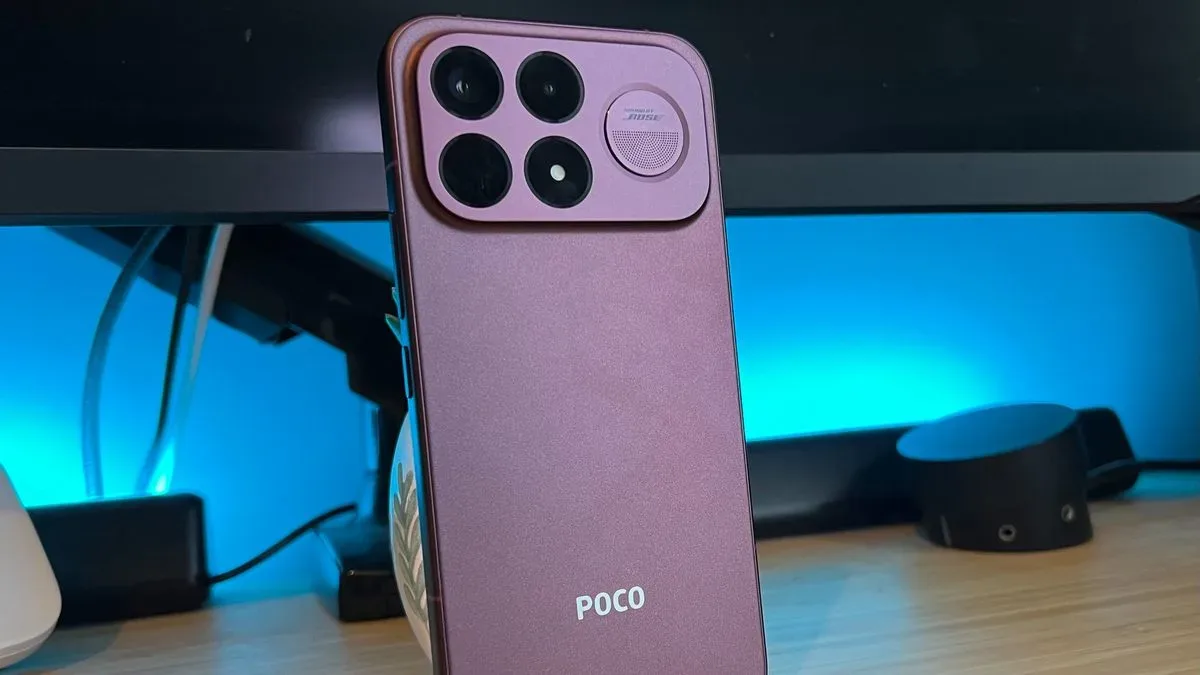
For people who also use their television setup for games, the Apple TV angle is naturally interesting, even though no gaming-specific Siri AI functions have been described. The practical relevance is the potential convergence of voice control, the TV, and a household’s broader device setup—not evidence of a new gaming feature. Anyone tracking how voice interfaces increasingly sit near screens and controllers can also see a different hardware-performance story in this look at the Poco F9 Ultra’s gaming-focused specifications.
What Current HomePod Owners Should Do
There is no indication that existing HomePod owners need to change anything. Software 27 is already out, and Siri AI has not appeared for those models. The sensible approach is to avoid assuming that a hidden software reference means an imminent activation on hardware already at home.
- Do not buy on assumption: Current information suggests, but does not prove, that Siri AI may be limited to new HomePods.
- Check the phone side: If future HomePod mini functionality follows the Apple Watch pattern, a compatible iPhone with Apple Intelligence may be essential.
- Separate expectations: Siri AI references, a new processor, and possible networking upgrades do not confirm a full list of commands or home-control improvements.
- Watch the timing: The expected HomePod mini, Apple TV 4K, and dedicated hub could arrive as soon as October, while the timing of the larger HomePod refresh remains unknown.
The headline is promising but incomplete: HomePod Software 27 contains apparent preparation for Siri AI, including its underlying system and a new visual language. The more consequential answer—whether existing speakers will share in it, or whether the feature begins with a fresh generation—has not been settled. For now, the code has placed the kettle on. It has not told the old HomePods whether they are allowed to pour.