Apple’s upcoming Siri AI rollout for home devices is not a single switch being flipped across every screen, streaming box and speaker with a Siri badge. Compatibility is divided by generation, operating-system support, location and—on several devices—the Apple Intelligence hardware already present in the household.
That distinction matters for anyone using an Apple TV as a living-room hub, or a HomePod as the place where voice requests happen. Some products are due to receive Siri AI on November 13. Others need tvOS 27.2. The new HomePod mini 2 will ship before its Siri AI support arrives. Meanwhile, multiple older products are definitively excluded, and the status of HomePod 2 has not been confirmed.
The short version: do not assume that a device’s existing Siri support means it will receive Siri AI. This rollout is tied to particular generations and prerequisites, and Apple continues to label the feature a beta.
Confirmed Siri AI support and timing
Two products are set to have Siri AI available at launch on November 13:
- HomeView
- Apple TV 4K (4th generation)
HomeView is the comparatively straightforward case for shared-home use. It does not require an Apple Intelligence-enabled iPhone or iPad simply to use Siri AI. The exception is a request that draws on personal context, which does require an eligible personal device. In practical terms, a shared household interaction and an interaction that needs an individual’s information are being treated differently.
For more background on Apple’s new home display, see our look at the HomeView features intended to make the smart display more useful.
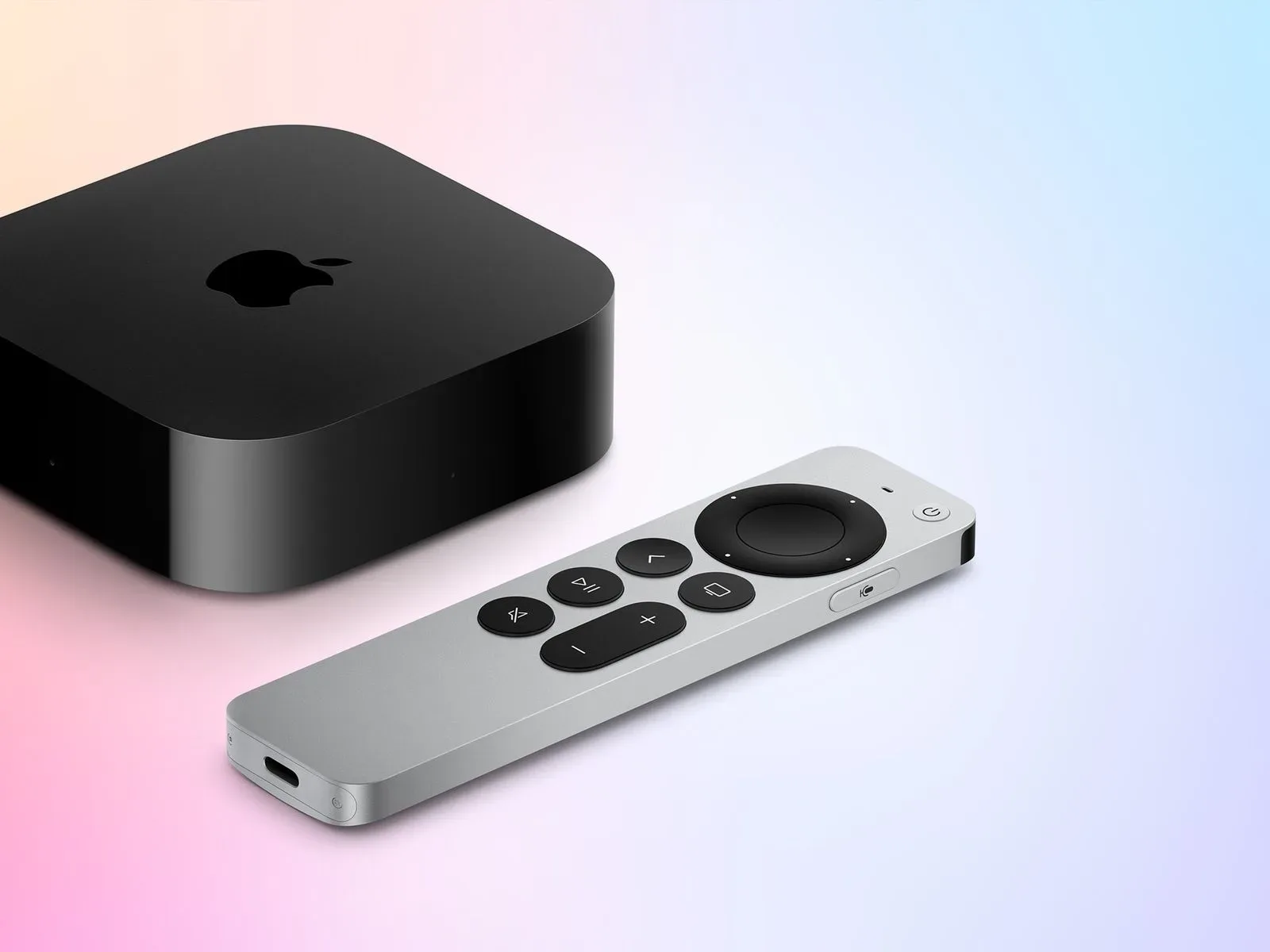
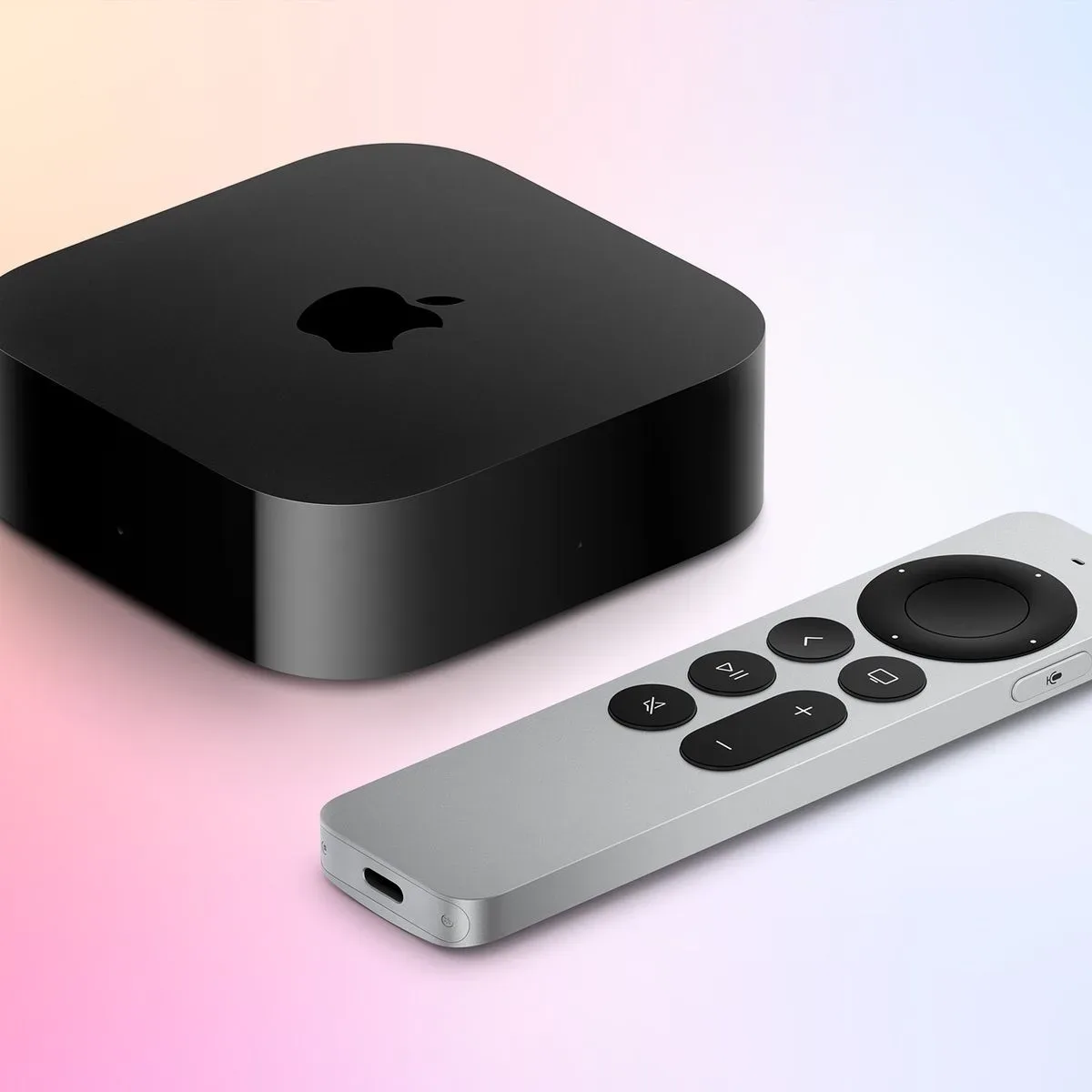
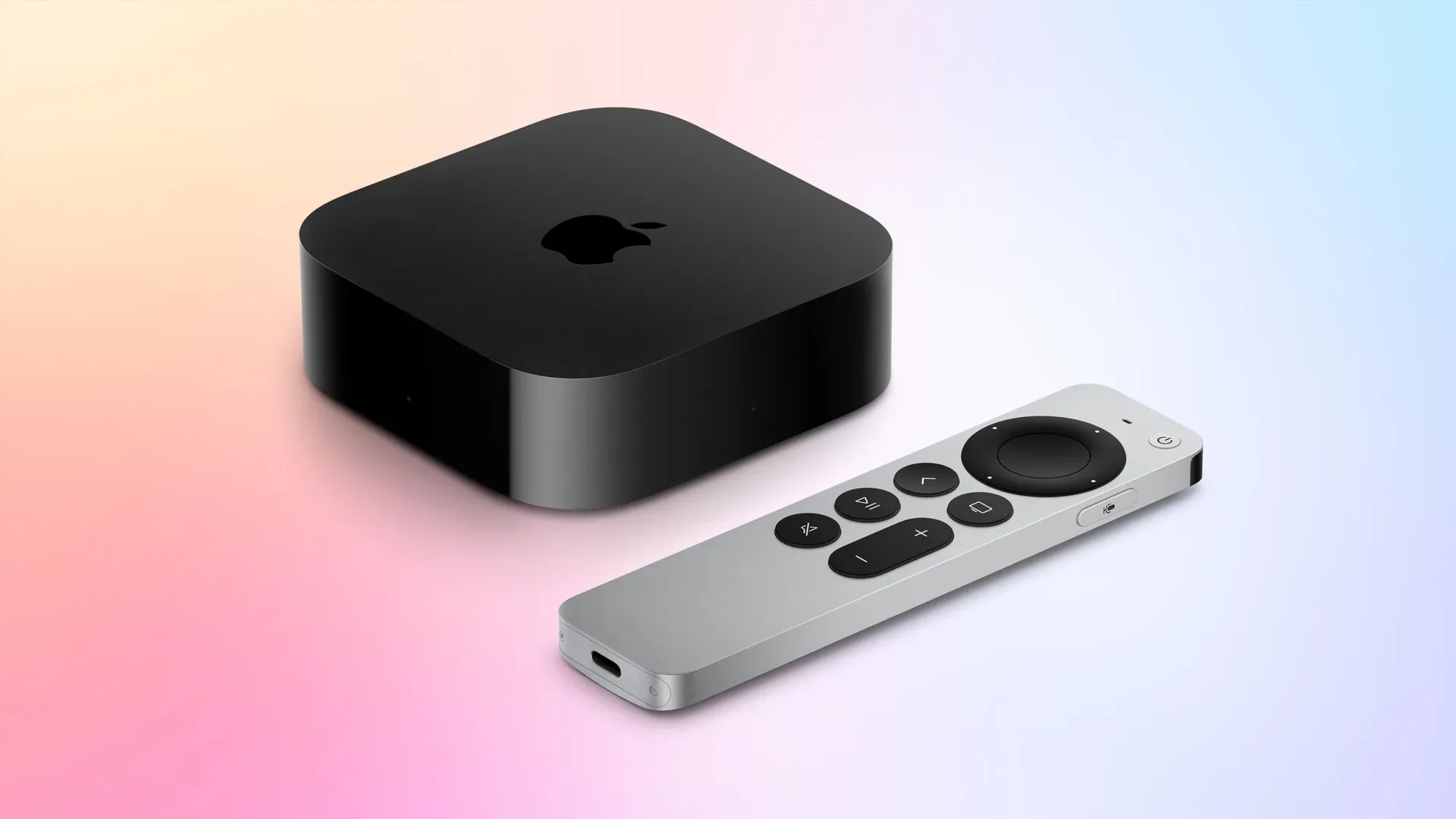
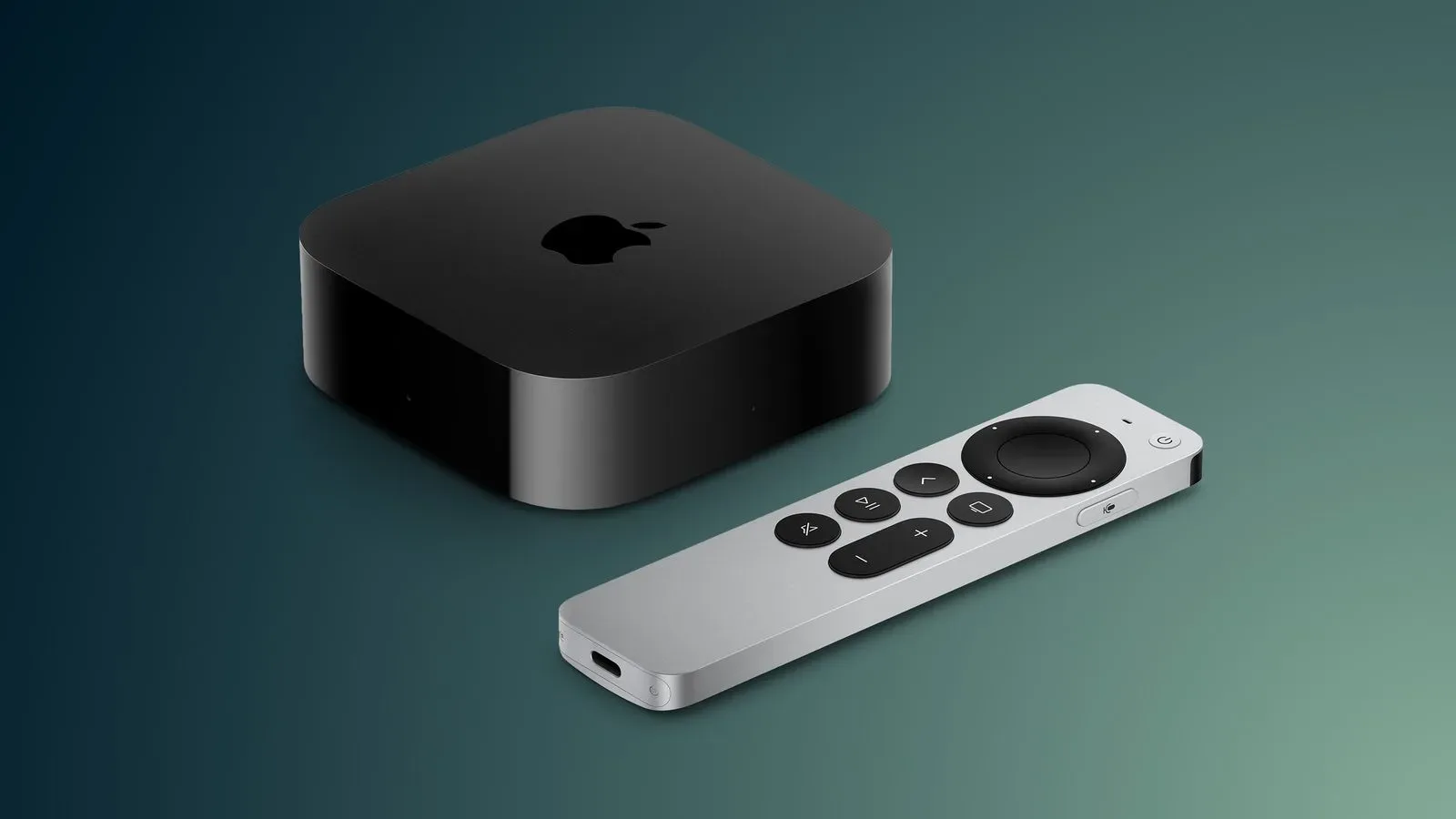
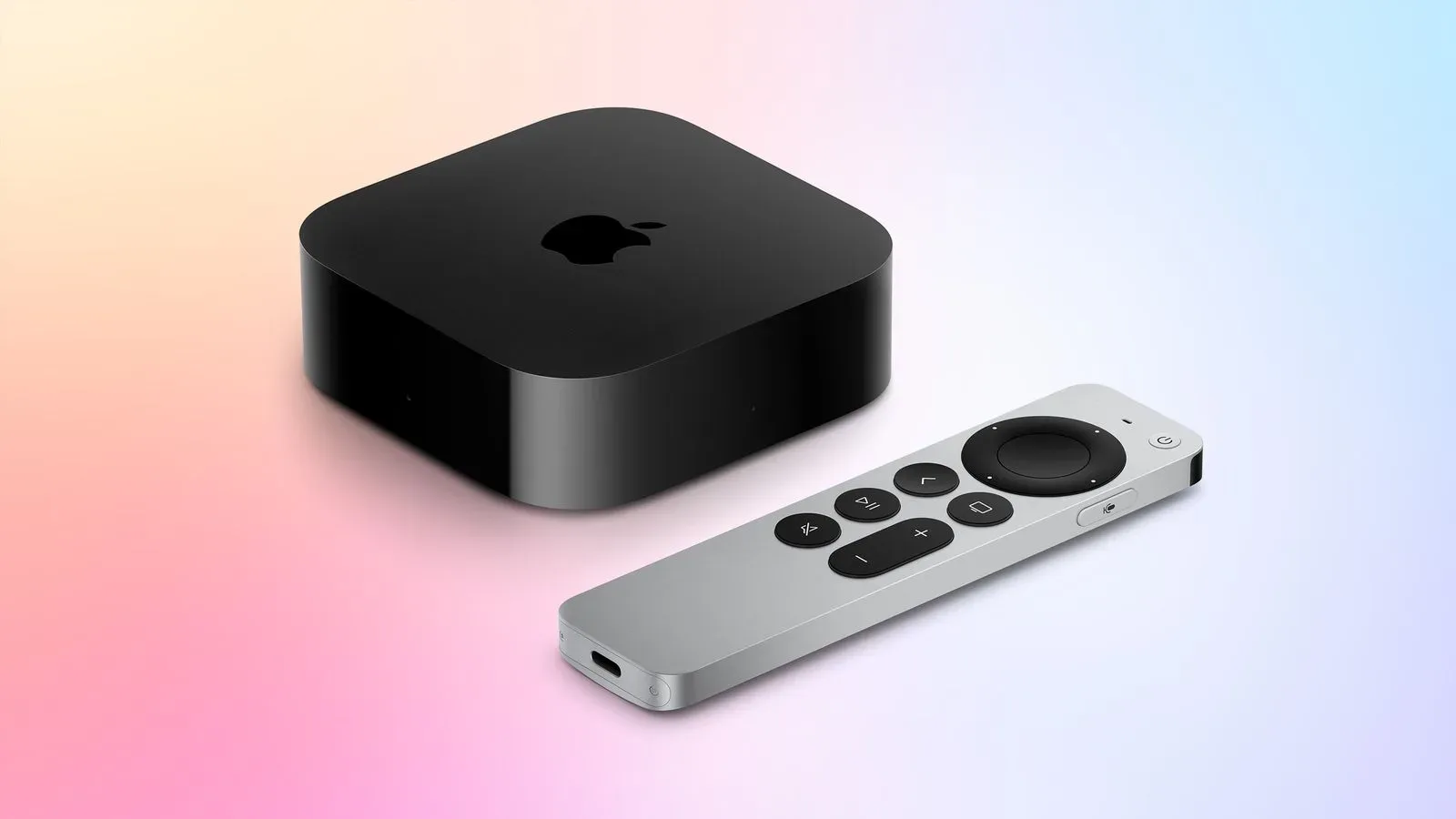
The current Apple TV 4K lineup is split between immediate and software-update timing. The fourth-generation Apple TV 4K joins HomeView in receiving Siri AI on November 13. The second- and third-generation Apple TV 4K models are also supported, but their access is scheduled for tvOS 27.2, rather than the November 13 launch point.
That is an important distinction for buyers and existing owners. “Supported” does not necessarily mean “available today,” especially when the promised feature depends on a specified system update. Anyone with a second- or third-generation Apple TV 4K should look for tvOS 27.2 rather than treating the broader rollout date as confirmation that the feature is already live on their device.
HomePod mini 2 has a different schedule
The HomePod mini 2 ships on October 30, but Siri AI is not arriving with the speaker on day one. Apple has said the capability is coming in a future software update, without providing a date in the information available here.
That makes the HomePod mini 2 a particularly clear example of why hardware availability and feature availability should not be blended together. The speaker can be bought and used before Siri AI arrives, but shoppers who view the AI upgrade as the main reason to choose it should recognize that the timetable remains open-ended.
Products confirmed not to support Siri AI
Apple has confirmed that the original HomePod mini will not get Siri AI. This specifically resolves earlier conflicting information about the first mini speaker: it is not part of the supported group.
The following products are also outside the Siri AI rollout:
- Original HomePod
- Original HomePod mini
- Original Apple TV 4K, which does not support tvOS 27
- Apple TV HD, which does not support tvOS 27
The Apple TV exclusions illustrate the role of operating-system compatibility. The original Apple TV 4K and Apple TV HD do not receive tvOS 27, and therefore do not receive the Siri AI path associated with that software generation. For owners, that is a firmer answer than a vague promise of future consideration: these models are not supported for this feature.
HomePod 2 remains unconfirmed
HomePod 2 is the significant unresolved entry. Mentions in website metadata suggest that Siri AI support could be coming, but that is not the same as an announced release plan. It should be treated as possible, not confirmed.
This is worth separating from both the eligible devices and the excluded ones. There is enough information to say the possibility has surfaced, but not enough to give HomePod 2 owners a date, a required update or a definite promise. Until Apple provides a direct compatibility statement, purchasing or upgrade decisions should not rely on the assumption that support is guaranteed.
The setup requirement many households may miss
On supported Apple TV 4K and HomePod models, the home owner in the Home app must have an Apple Intelligence-enabled iPhone or iPad running the latest software. Siri AI must also be enabled and configured in a supported language.
This is not merely a device checklist. It is a household setup requirement. A compatible Apple TV 4K or HomePod alone is not enough if the designated home owner lacks an eligible, updated iPhone or iPad, has not enabled Siri AI, or uses an unsupported language setting.
Apple Intelligence-enabled means an iPhone or iPad that can run Apple’s Apple Intelligence features. The supplied compatibility details do not list individual phone and tablet models, so the practical takeaway is to verify eligibility on the home owner’s device before expecting the home hardware to gain Siri AI.
Once the home owner has completed that setup, other household members do not need their own Apple Intelligence-enabled iPhone or iPad for standard Siri AI use. Personal requests are the stated exception. Those requests, by their nature, depend on the person making them and their personal information, so the broader shared-home arrangement does not remove the individual-device requirement in that scenario.
Why HomeView is handled differently
HomeView does not carry the same initial requirement for an Apple Intelligence-capable iPhone or iPad when using Siri AI for non-personal requests. That makes it the least dependent of the listed home devices on a companion mobile device for basic access.
Its personal-context exception still matters. Personal context refers here to requests that use an individual’s own information rather than general home functions. Apple’s distinction suggests a boundary between communal commands on a household device and requests that need access to a particular person’s context. The available details do not define every request type that falls on either side, so users should expect the requirement to matter whenever a request becomes personal rather than shared.
Language and regional availability are narrow at launch
For HomeView, Apple TV 4K and HomePod mini 2, Siri AI launches in English only. Availability is limited to the United States, Australia, Canada, India, New Zealand, Singapore, South Africa and the United Kingdom.
That means a supported device does not create worldwide access. There are at least four separate gates: the correct hardware generation, the applicable software version, the necessary account and device setup where required, and an eligible country with English configured as a supported language.
For households where the home owner’s preferred Siri language is outside the supported launch language, the language requirement is not a cosmetic setting. It is part of whether Siri AI can be enabled under the rollout terms.
EU restrictions block the feature on home devices
The European Union is explicitly outside this rollout. Siri AI is unavailable on iPhone and iPad in the EU, which means it will not be available on the home devices that rely on those Apple Intelligence-capable devices for activation and support.
HomeView goes further: it is not launching in the EU at all. So there are two different outcomes within the region. HomeView is absent as a product launch, while compatible Apple TV 4K and HomePod hardware cannot obtain Siri AI there because the underlying iPhone and iPad availability is restricted.
This makes regional eligibility especially important for people comparing devices across markets. A fourth-generation Apple TV 4K may be the correct hardware on paper, yet the feature’s regional conditions still determine whether Siri AI can actually be used.
What “beta” means for expectations
Apple is calling Siri AI a beta on HomeView, Apple TV 4K and HomePod mini 2. A beta designation means the feature is being released in a not-yet-final state. It is not a claim that every promised capability is complete or that the launch experience represents the permanent finished version.
For users, the most sensible reading is practical rather than alarmist: feature access is beginning, but the software remains subject to refinement. That is particularly relevant to the staggered rollout. HomeView and the fourth-generation Apple TV 4K have an announced November 13 starting point, earlier Apple TV 4K models wait for tvOS 27.2, and HomePod mini 2 has no dated Siri AI update yet.
The useful checklist is therefore simple: identify the exact device generation, confirm its software path, check country and language eligibility, and—on the applicable Apple TV 4K and HomePod setups—make sure the Home app’s home owner has an Apple Intelligence-enabled iPhone or iPad on the latest software with Siri AI turned on. That is the difference between owning a product with a future-looking Siri label and having access to the beta feature itself.