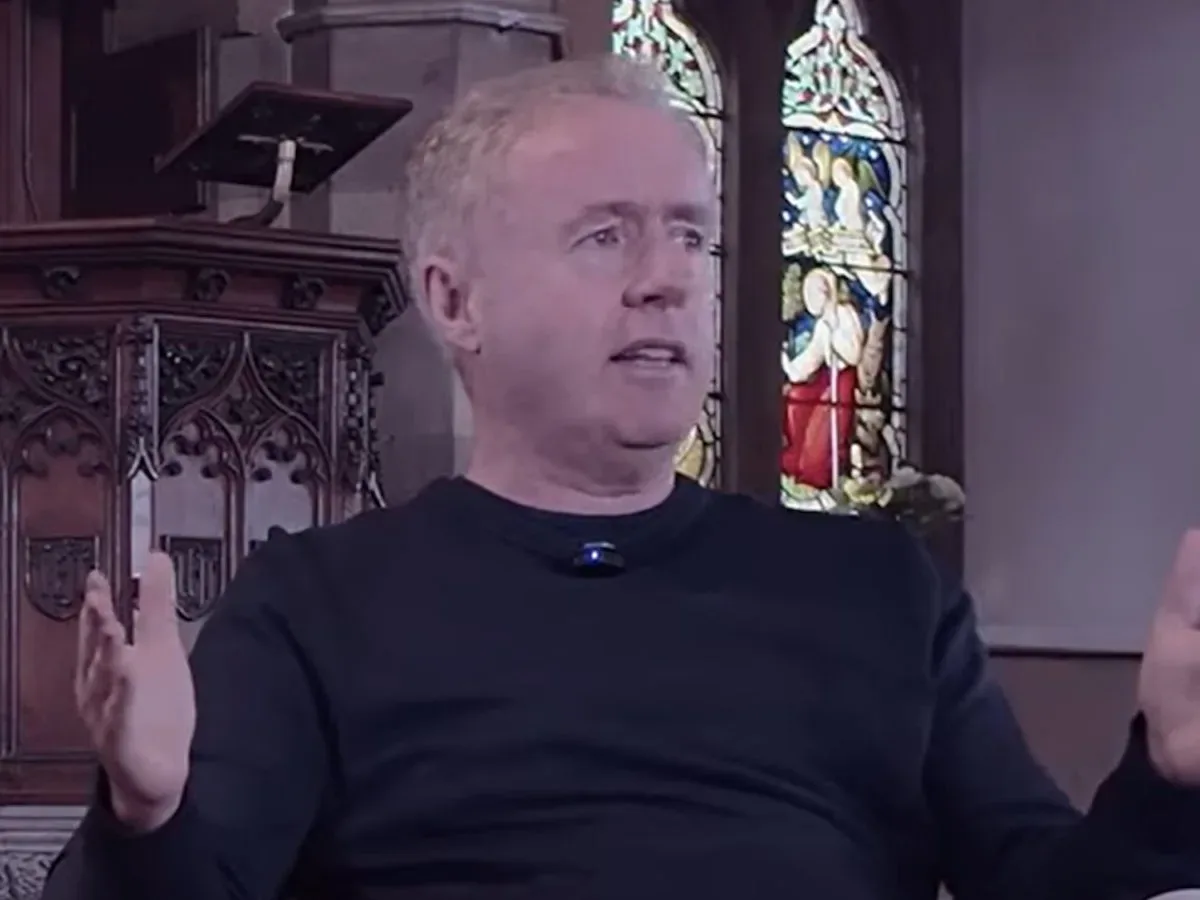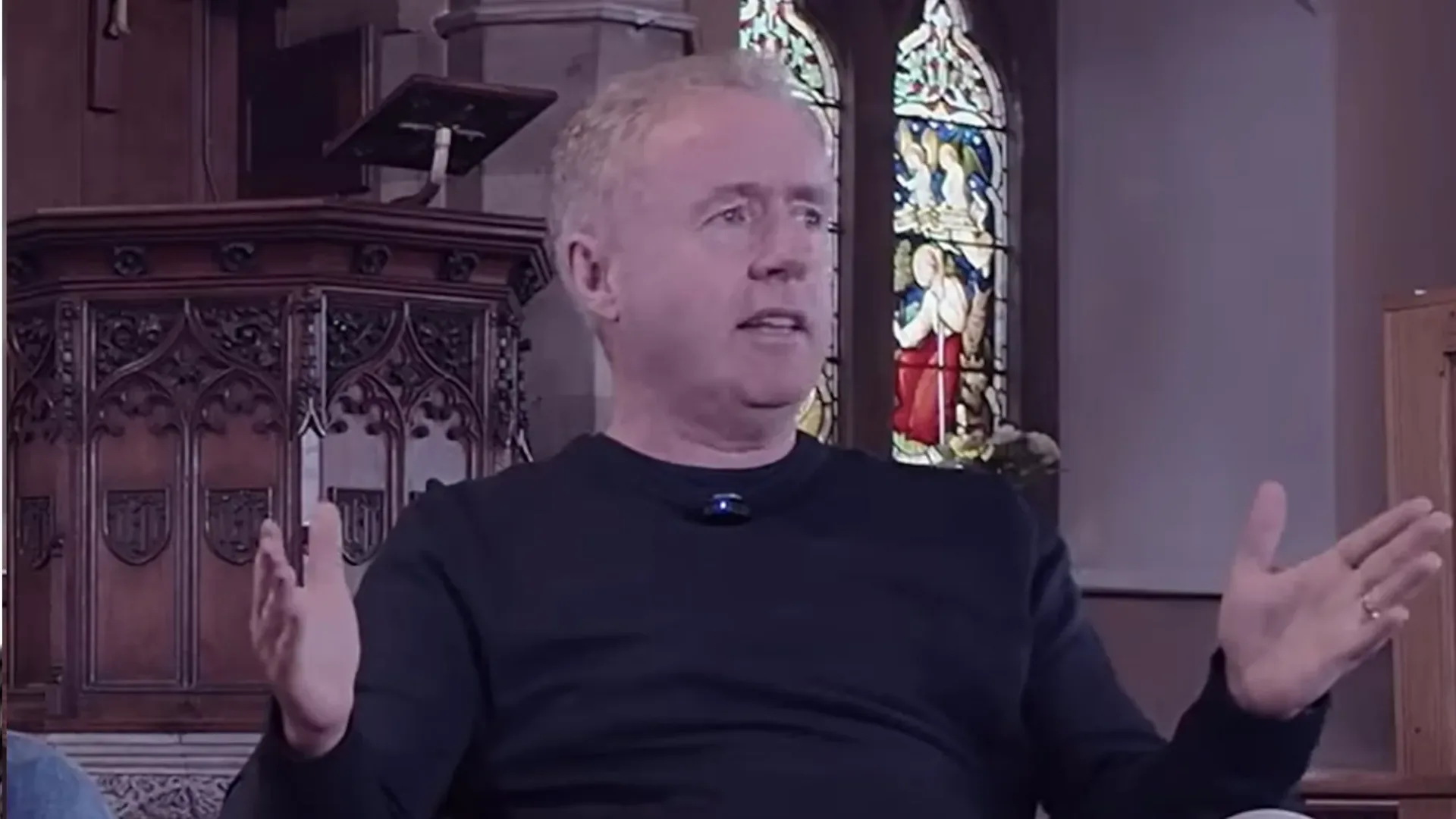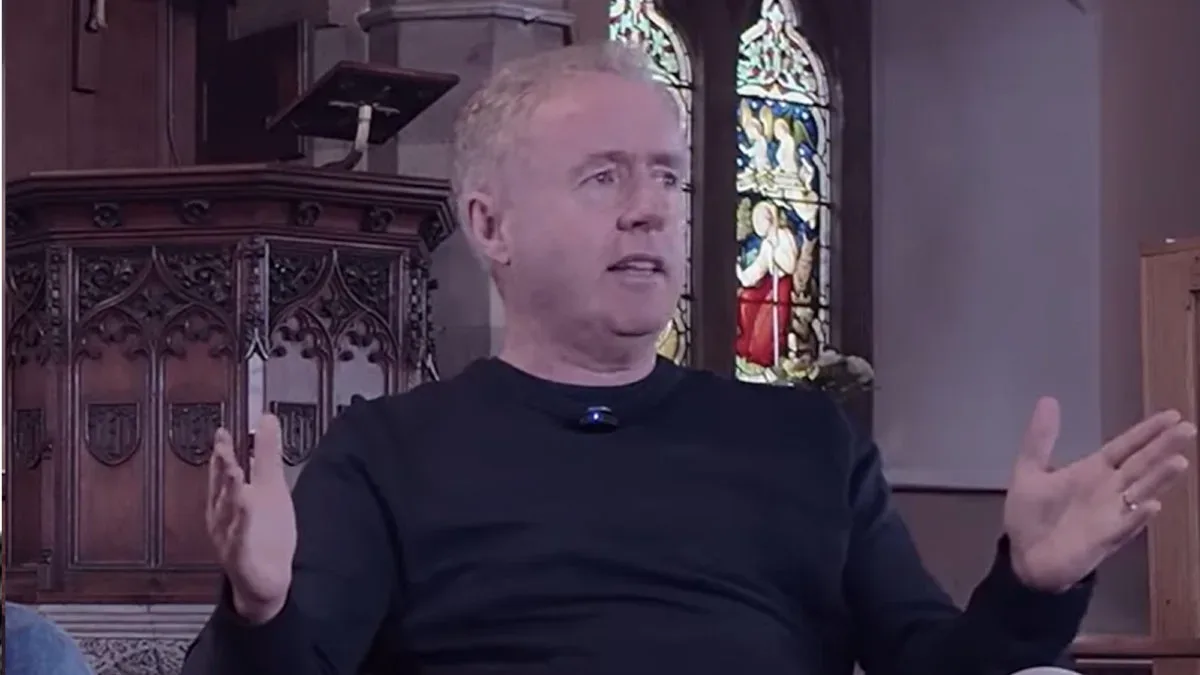
Mark Millar has outlined a long-range plan to create his own stories using early versions of Superman and other major comic-book heroes as their earliest material enters the public domain. The writer says the plan begins with a Superman project, for which he has already put down a deposit with an unnamed artist, and could expand to Batman, Wonder Woman, Flash, Green Lantern and Captain America.
The headline is ambitious, but the timetable needs a careful reading. Millar said he intends to begin working on the Superman material in 2031, while the early Action Comics material is generally understood to enter the US public domain in 2034. In other words, his stated 2031 date appears to concern development and production, not necessarily when a finished work could legally be released. He described giving his chosen artist three years to draw the proposed comic.
That distinction matters because a public-domain opportunity is not a complete handover of a modern superhero franchise. It applies to particular works when their copyright term ends, not to every subsequent addition, every visual revision, or a company’s still-active trademarks.
A 10-issue Superman book, not an ongoing run
Millar’s immediate concept is deliberately finite. Rather than taking on a continuing Superman series, he says he wants to make one large, self-contained 10-issue book. He has described the underlying story idea as arriving fully formed while he was swimming in Oman; he wrote it down after getting back to a boat.
After discussing that idea publicly, Millar said DC had approached him about writing it in an official capacity. He chose not to proceed with that route, explaining that he would prefer to wait for the earliest relevant Superman material to enter the public domain and pursue an independent version instead.
The plan is far enough away that it should be treated as a stated creative intention, not a confirmed publishing slate. No artist has been named, no publisher has been identified, and no release date, format, creative team beyond Millar and the unnamed artist, or distribution plan has been announced. Millar did say that he has paid a substantial deposit and sought a contractual commitment from the artist. He also acknowledged that, with years remaining before the project would be completed, a younger artist could emerge as a better fit.
What Millar says comes next
Millar has framed Superman as the opening move in a wider schedule running roughly from 2034 through 2039. He says Batman would follow, with ideas involving Wonder Woman, Flash, Green Lantern and Captain America also on his list. He has additionally mentioned Robin and the Joker when discussing the broader era of early superhero characters.
His stated objective is more than a stack of disconnected reinterpretations. Millar says he has an idea that would pull multiple characters together. Exactly how that connection would work is unknown, and it is not yet clear which individual characters, versions, or story elements would be used in any eventual crossover-style project.
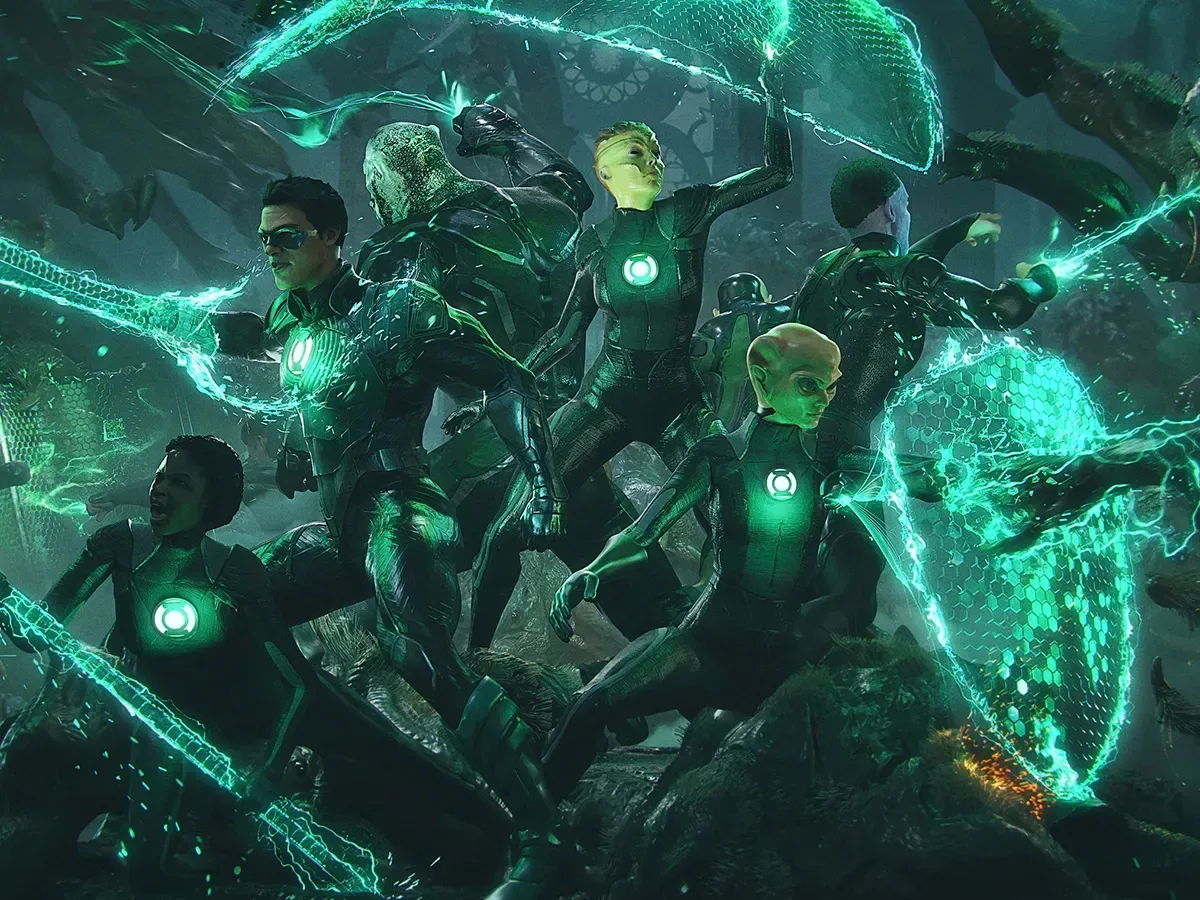
The Green Lantern portion is particularly worth separating from the many later interpretations audiences may know. Millar specifically referred to the Golden Age Green Lantern, while he also pointed to the Golden Age Flash. Those labels are meaningful: they identify early incarnations rather than automatically opening the door to all later mythology associated with each heroic name. For a different corner of the character’s screen history, see the revealed concept art and details from the canceled Emerald Knights Green Lantern series.
Public domain is not the same thing as trademark freedom
The most important practical limitation on Millar’s proposal is the difference between copyright and trademark. Copyright protects original creative expression in a work: for this situation, that means the specific early stories, character depictions and elements that have actually entered the public domain. Once copyright expires on a particular work, creators can generally make use of the public-domain material contained in it.
Trademark works differently. It protects source-identifying names, logos and branding in commercial use. The supplied information notes that Superman remains a trademark held by DC, alongside trademarked phrases such as “The Man of Steel” and “The Man of Tomorrow.” That means an independent project could face restrictions on using “Superman” in its title, marketing, or official descriptions, even if it draws from public-domain story material.
That is why public-domain superhero projects require more precision than simply saying that a character is “free to use.” A creator must separate the oldest eligible version from later additions, avoid protected branding, and take care not to suggest that the new work is officially connected to the current rights holder. The source material also stresses that later costume designs, expanded supporting casts, and other elements that DC still owns would not suddenly become available merely because early stories do.
For readers, the likely result is not a familiar modern-continuity Superman book with every expected visual and narrative ingredient intact. If Millar follows through, the project would need to be constructed around what the relevant early material permits. Its presentation, naming and promotion could be as consequential as its plot.
Why the lengthy lead time is notable
Millar’s comments stand out because he is planning years before the proposed public-domain window and says he has already reserved artistic capacity for the project. Comics production can take a long time, especially for a 10-issue work intended as a single major statement rather than a monthly ongoing title. His three-year drawing estimate makes the early start date easier to understand as a production decision.
It also exposes the uncertainty built into the plan. Copyright and trademark questions are not resolved by a convention schedule, and the eventual project would need to account for the precise material that is available at the time of publication. Millar’s current outline is a roadmap, not a released comic or film package.
Still, it represents a striking creative wager: rather than accepting an official assignment now, Millar is aiming to build an independent project around early superhero material once he believes it can be used. If the plan survives its long development runway, the 10-issue Superman book is intended to be the foundation for a multi-character sequence reaching into the late 2030s.