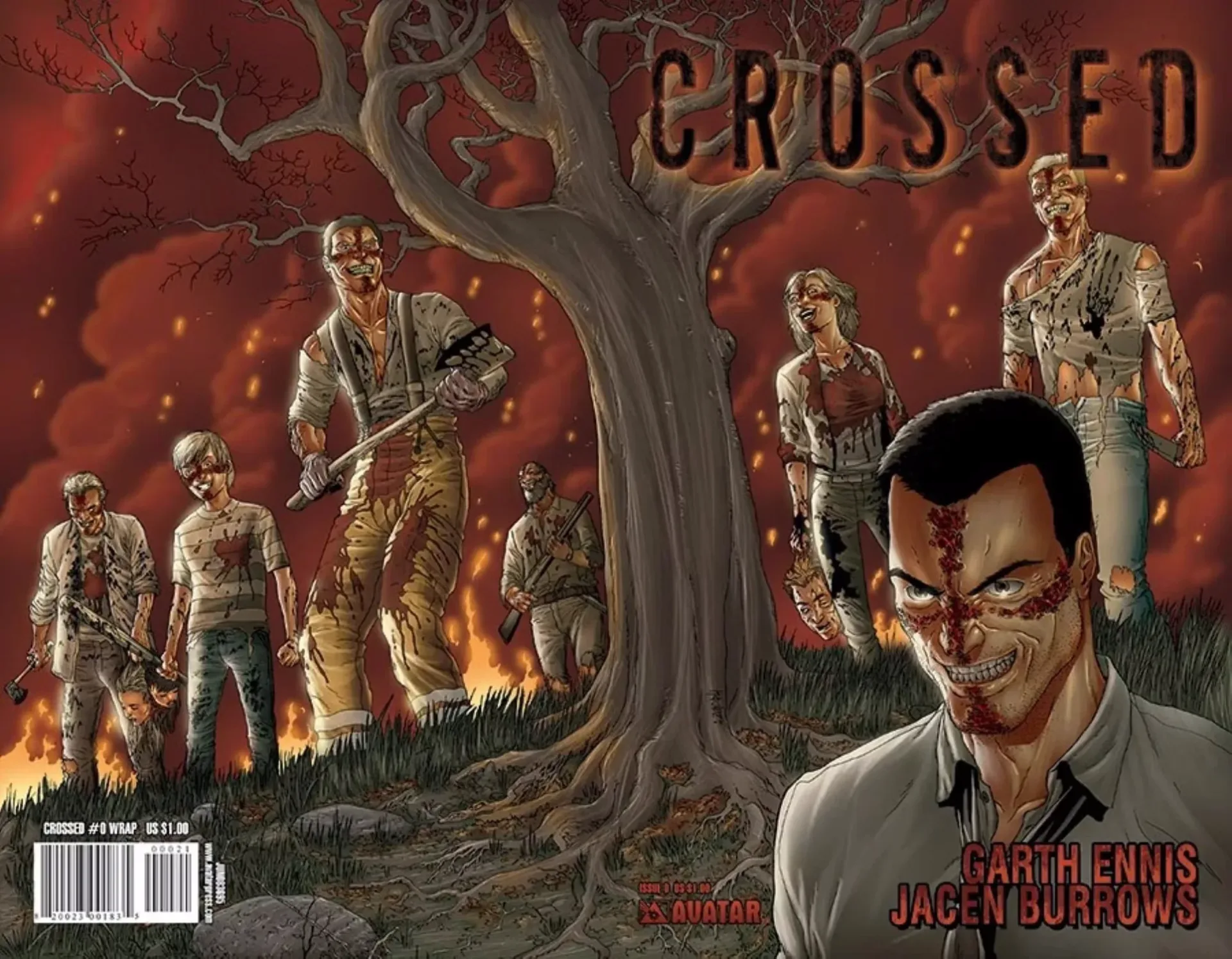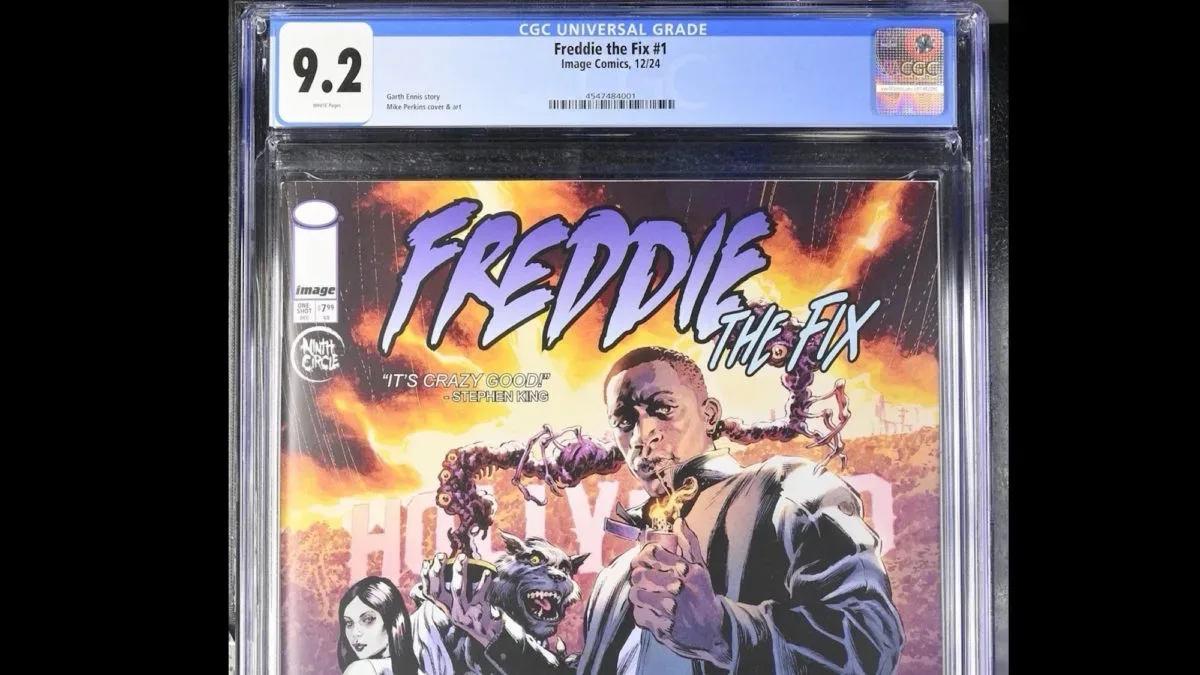
Crossed #0, the 2008 Avatar Press debut from Garth Ennis and Jacen Burrows, has become a striking example of how quickly comic-book aftermarket prices can diverge from available retail inventory. A first-print copy graded CGC 9.8 reportedly sold for $300 on eBay this week. Yet ungraded copies of that same issue are still listed through Comic Cavalcade for $35.
That does not mean every copy is suddenly worth $300, nor does it establish a permanent value floor. It does show why collectors should slow down when a trailer, teaser or other adaptation-related attention brings a back issue into sharper demand. The data here contains several very different kinds of books: raw copies, professionally graded copies, a rarer incentive variant, and later variant covers. Treating them as one market can produce expensive misunderstandings.
A dramatic move for the debut issue
Crossed #0 originally sold for $1 when it was published in 2008. The reported $300 sale was for a first printing encapsulated with a CGC 9.8 grade. CGC is a third-party comic grading company; a slabbed book has been assessed, assigned a grade and sealed in a protective holder. A 9.8, often called Near Mint/Mint in comic collecting, is a high grade and should not be casually compared with an ungraded—or “raw”—copy.
The recent number is especially notable beside a reported July sale of $111 for a CGC 9.8 copy. That is a large increase in a short period, but it is still a comparison between individual completed transactions, not a comprehensive price guide. One buyer’s willingness to pay a premium can be meaningful, particularly when it follows a burst of publicity, but it cannot tell a collector what every similarly graded copy will sell for next week.
The raw market is moving too. An ungraded Crossed #0 reportedly sold for $100, while an ungraded Red Crossed 1:10 variant reportedly reached $150. Those figures are considerably above Comic Cavalcade’s listed $35 price for an ungraded standard Crossed #0. For someone interested in reading or owning the issue rather than securing a high-grade investment piece, that is the central discrepancy to understand.
Why the words on the listing matter
“Crossed #0” is not sufficiently precise on its own. The reported activity includes the regular first print, a Red Crossed 1:10 variant, and multiple other covers issued at different times. A variant cover is an alternate cover for an issue; it may be distributed in a different way or in lower numbers than the standard edition. A “1:10” designation generally identifies an incentive ratio: retailers could obtain one such variant relative to a specified quantity of qualifying copies ordered. That makes it a different collectible from the regular issue even where interior contents overlap.
Condition is equally important. An ungraded comic is not automatically low grade, but the buyer must make the judgment from photos, descriptions or an in-person inspection. A slabbed CGC 9.8 comic has the added value proposition of an independent grade and sealed presentation. It may appeal to collectors who prioritize condition consistency and resale confidence. It is therefore unsurprising that the graded Wraparound edition reportedly sold for $295 while a raw Wraparound copy reportedly sold for $22. The two sales describe materially different items.
Other recent reported results underline that point:
- A CGC 9.8 Red Crossed 1:10 variant reportedly sold for $300.
- A group of five CGC 9.8 Crossed #0 variants reportedly sold for $900 in total.
- The Sleep Tight cover reportedly sold for $125 in CGC 9.8 and $60 raw.
- An Auxiliary cover reportedly sold raw for $80.
- Crossed #1 reportedly sold for $220 in CGC 9.8 and $50 raw.
The key practical lesson is not that one format is better than another. It is that a buyer should compare like with like: the same issue number, printing, cover, grade, certification status and, where possible, sale date. A $300 graded first printing and a $35 raw standard copy may both be legitimate offerings, but they serve different buyers and should not be used interchangeably as evidence of “the price.”
Retail listing versus a completed sale
Comic Cavalcade’s supplied prices are unusually important because they show that the aftermarket is not the only place to look. The storefront lists the regular raw Crossed #0 for $35 and Crossed #1 for $15. Its listed prices for several variants are $185 for Red Crossed, $15 for Wraparound, $18 for Sleep Tight and $20 for Auxiliary.
That does not establish that each listing will remain available, and a listing is not the same thing as a completed purchase. Inventory can sell through, condition can differ, and a storefront’s stock may not align with a specific collector’s goal. Still, the numbers demonstrate why buyers should check publisher-connected or specialty retail inventory before assuming the highest marketplace result is the unavoidable going rate.
This is particularly relevant during a speculative rush. The reported sales were linked to interest after a movie teaser appeared, though no further details about that teaser are established here. Adaptation attention can put older series in front of people who had never sought them out, producing immediate demand for recognizable first issues and variant covers. It can also encourage sellers and buyers to use the most visible recent price as a benchmark even when comparable stock remains available elsewhere.
Marketplace prices can also be misleading when people quote asking prices rather than completed sales. An asking price merely shows what a seller hopes to receive. A completed sale is stronger evidence that one transaction occurred, but it remains most useful when checked alongside multiple comparable results. A broad retail listing adds another data point: it can show what an available copy costs right now, not what a prior auction winner paid.
What collectors should verify before buying
The current gap around Crossed is a useful checklist case. A reader who simply wants the opening of the series has a different decision from a collector assembling a high-grade, specific-cover set. Before buying, it is worth confirming:
- The exact edition: Is it the standard issue, Red Crossed 1:10, Wraparound, Sleep Tight or Auxiliary cover?
- The format: Is it raw, or is it graded and encapsulated? If graded, verify the company and grade shown in the listing.
- The printing: The reported $300 standard sale was identified as a first print. Do not assume every copy has the same printing status.
- The condition evidence: For raw copies, inspect supplied images and descriptions for wear that could matter to you.
- Whether the price is a sale or a listing: Completed-sale information and in-stock retailer prices answer different questions.
- The total cost: Shipping, taxes and any marketplace fees can narrow or erase an apparent price advantage.
None of this requires dismissing the enthusiasm around the series. It simply keeps the purchase aligned with the objective. Someone who values a certified 9.8 may reasonably pay more for that exact collectible. Someone who wants to read Ennis and Burrows’ opening chapter could find a raw copy more sensible—especially while lower-priced retailer stock is reported to exist.
The comic behind the renewed attention
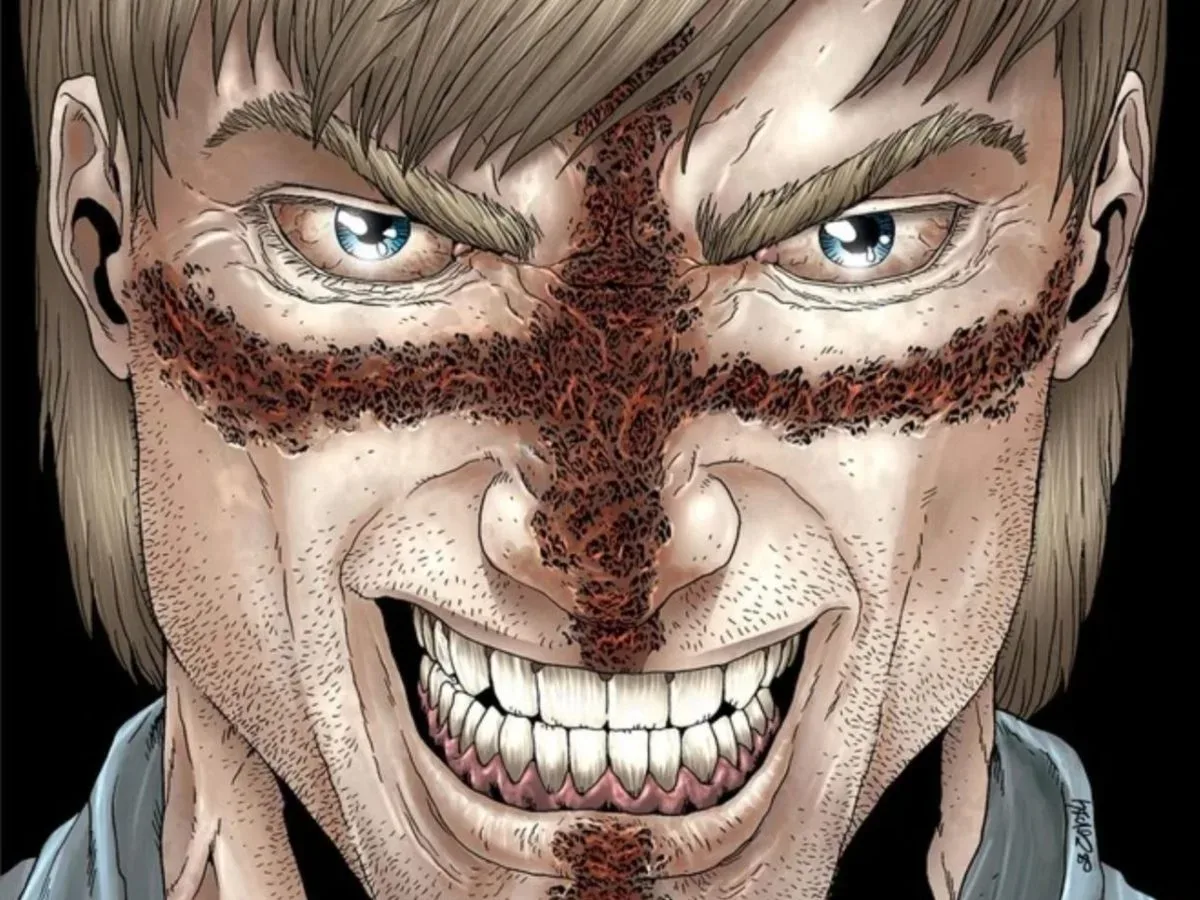
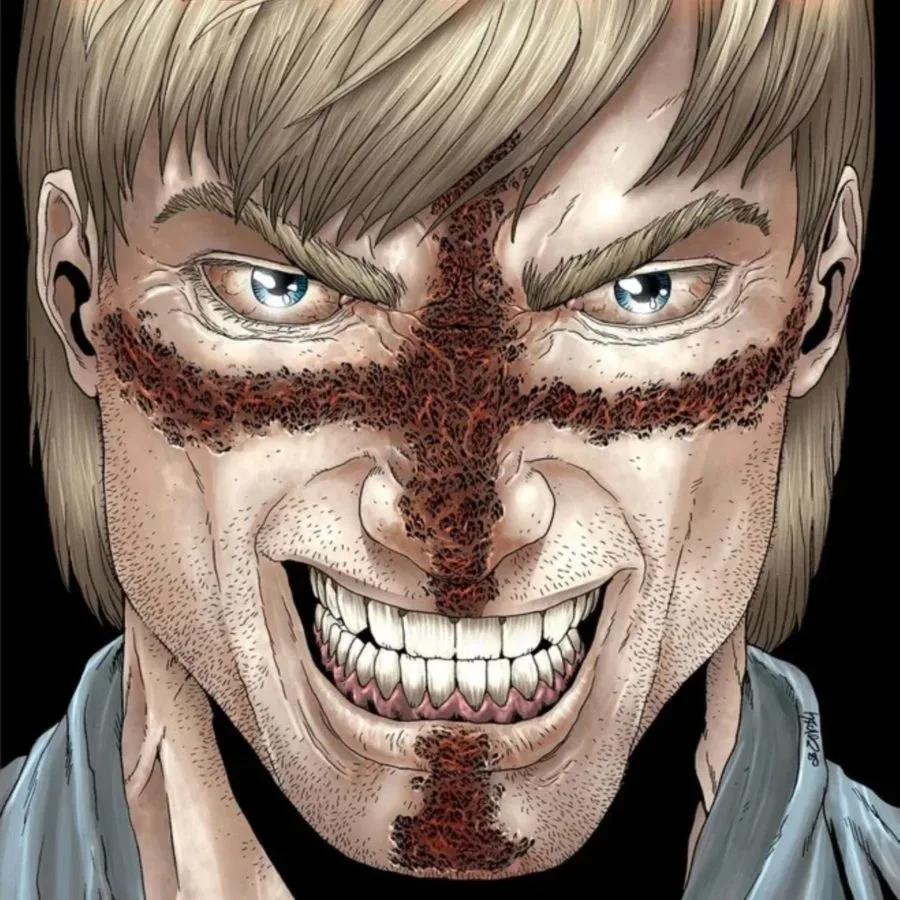
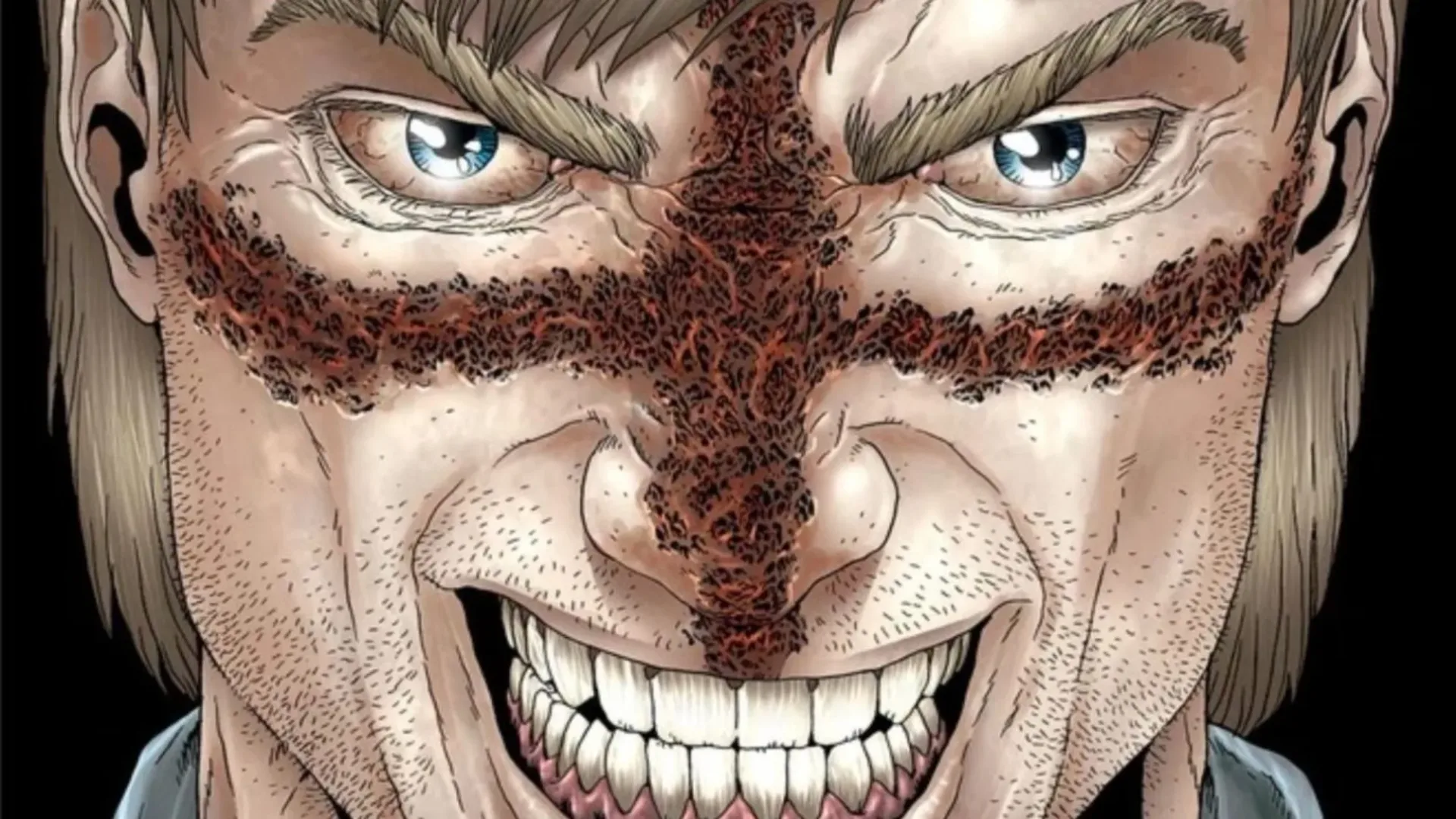
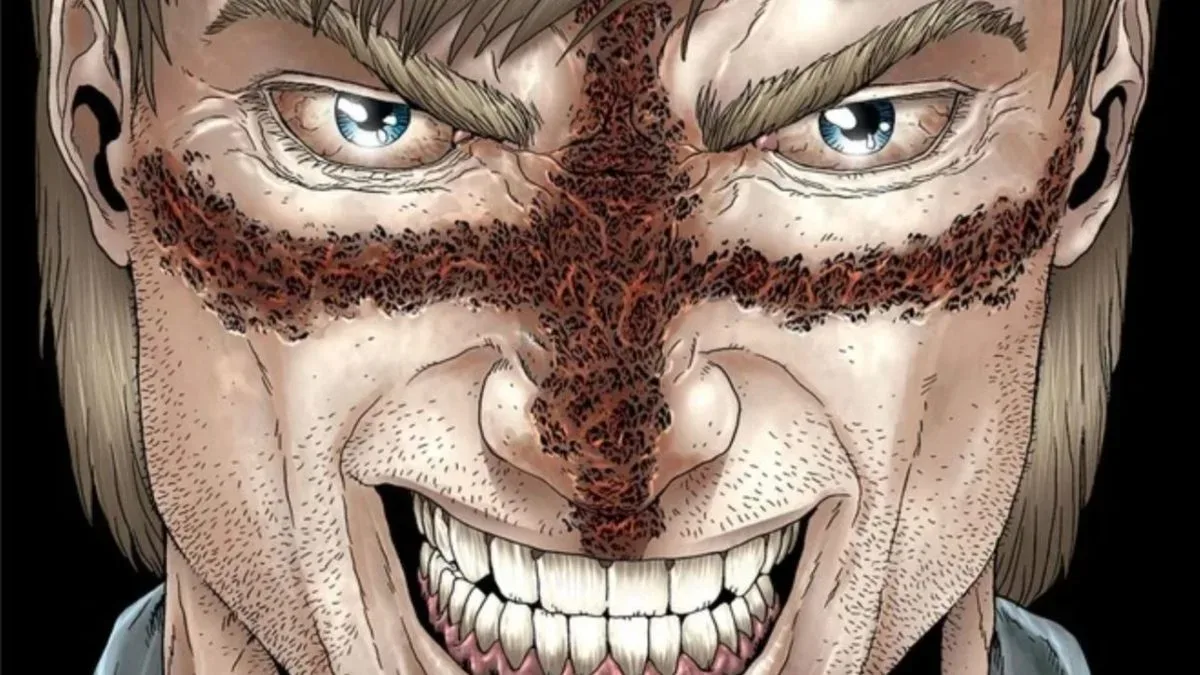
Ennis and Burrows’ initial Crossed series ran for ten issues. Its premise follows a sudden global pandemic transmitted through bodily fluids. Infected people develop a cross-shaped rash across their faces and become violently sadistic while retaining intelligence, memories and aspects of their personalities. The series is explicitly extreme in its violence and sexual violence, and it is not a casual all-ages horror recommendation.
The premise’s horror is not built around mindless monsters. The infected retain the capacity to plan and recognize people, but act on their most destructive impulses. The series’ thematic argument, as described in its background, is that humanity does not need an infection as an excuse for cruelty. Its imagery also invokes the cross-face paint associated with football hooliganism and references to the Crusades and the Troubles. Some acts in the work drew on accounts of real-world atrocities, adding to the material’s deliberately confrontational character.
The property expanded beyond its original run, with later work by Alan Moore, Jamie Delano, Simon Spurrier, Kieron Gillen and others. That wider catalogue is reportedly receiving fresh aftermarket attention as well. Collectors looking beyond the first issue should apply the same caution to every follow-up: creator, format, cover, grade and actual availability can all change the comparison.
There is a related availability contrast in the Providence line. Comic Cavalcade lists the Alan Moore and Jason Burrows Providence Compendium hardcover at its $60 cover price and the paperback at $50, while reported Amazon prices were $150 and $130 respectively. Those are not direct substitutes for a key Crossed issue, but they reinforce the broader lesson that a highly visible resale or marketplace number may not reflect every place a book can be bought. For another creator-focused comics discussion, see this look at Mark Millar’s comments on the stalled War Heroes.
What the numbers do—and do not—say
The reported sales make a compelling snapshot: a CGC 9.8 first-print Crossed #0 at $300 after a $111 result in July, raw copies reaching $100, and variants producing their own sharply different results. But the concurrently listed $35 raw standard issue is the crucial qualifier. The market is not presenting one simple value; it is presenting multiple prices for multiple versions, sold through different channels under different conditions.
For collectors, the immediate opportunity is research rather than reflex. Check the exact book, decide whether grade and certification matter to you, distinguish sold data from aspirational pricing, and look for available retail copies before entering a heated auction. That approach will not guarantee a bargain, but it can prevent a $300 headline from turning into an assumption that every copy of Crossed #0 must cost anywhere near that amount.
Shop the products
Check current price, model and availability at the retailer.