Freddie the Fix #1, the one-shot by Garth Ennis and Mike Perkins that launched Image Comics’ Ninth Circle horror imprint, has become a quick-moving comic-market story following news that Amazon MGM Studios is developing a film adaptation. Recent eBay transactions show a sharp change in what buyers have paid for the issue, from a sale below $4 at the end of August to raw standard-edition sales that reached $25 by the end of September.
That jump is meaningful, but it also needs to be read carefully. It reflects a small run of reported marketplace sales rather than a settled, universal price for every copy. The comic is a relatively recent release, originally priced at $5.99 and released on December 18, 2024, so condition, format and timing can heavily affect the result. For collectors, the important development is not simply that one book sold for more: adaptation attention has created a clear burst of demand for the debut issue.
A fast change in recent sales
The sequence of reported eBay sales illustrates how suddenly attention arrived. A copy sold for under $4 at the end of August. By late September, sales of the standard edition had moved through $7 and $9 before reaching $22 and then $25. Meanwhile, the 1:25 variant changed hands for $35.
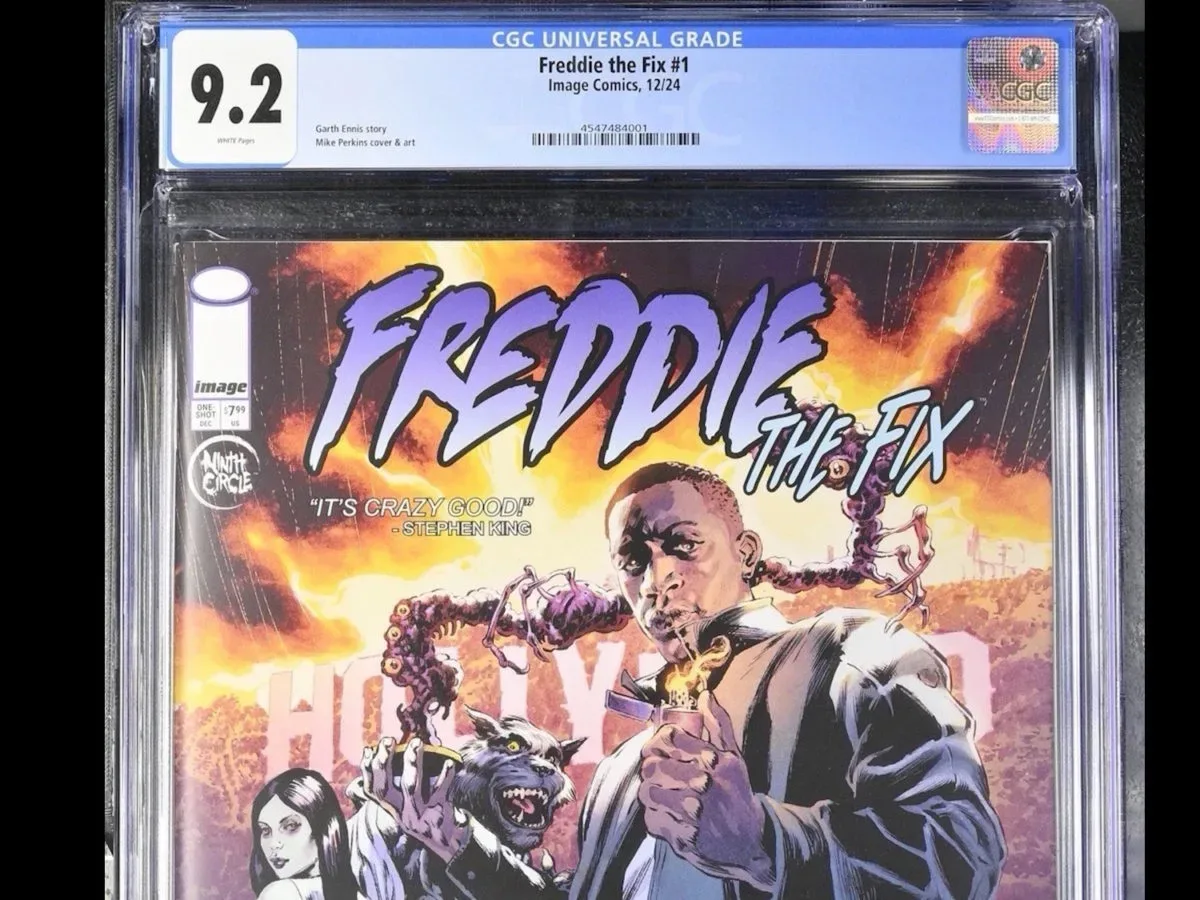
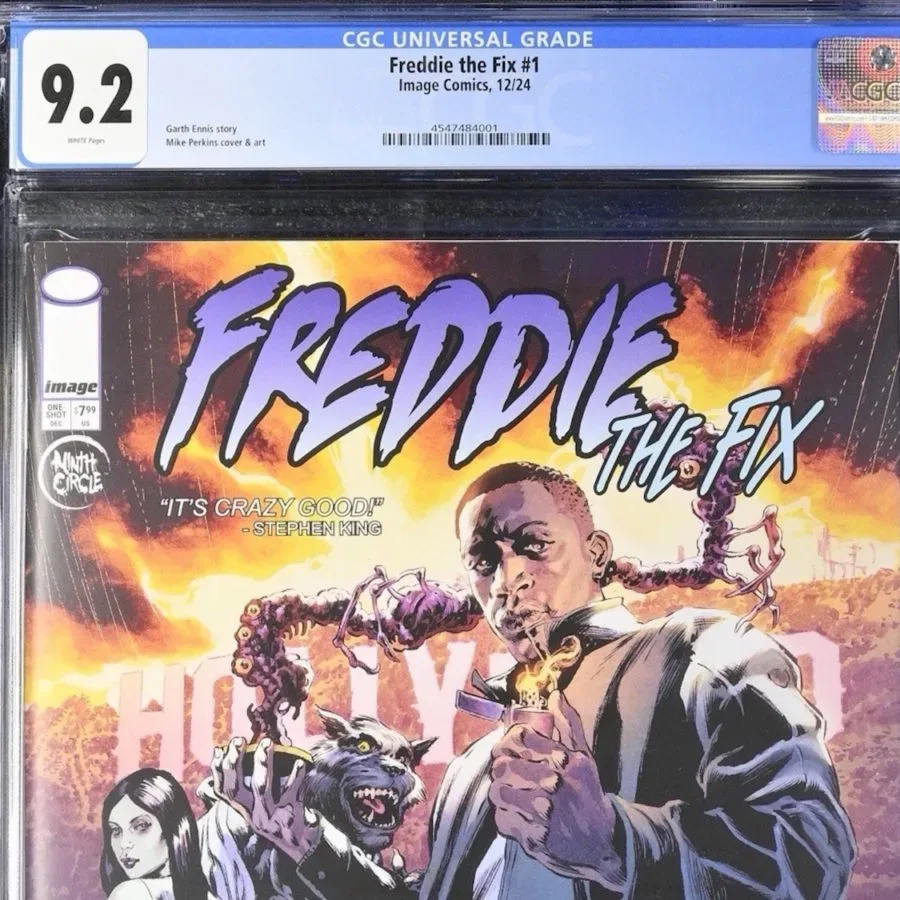
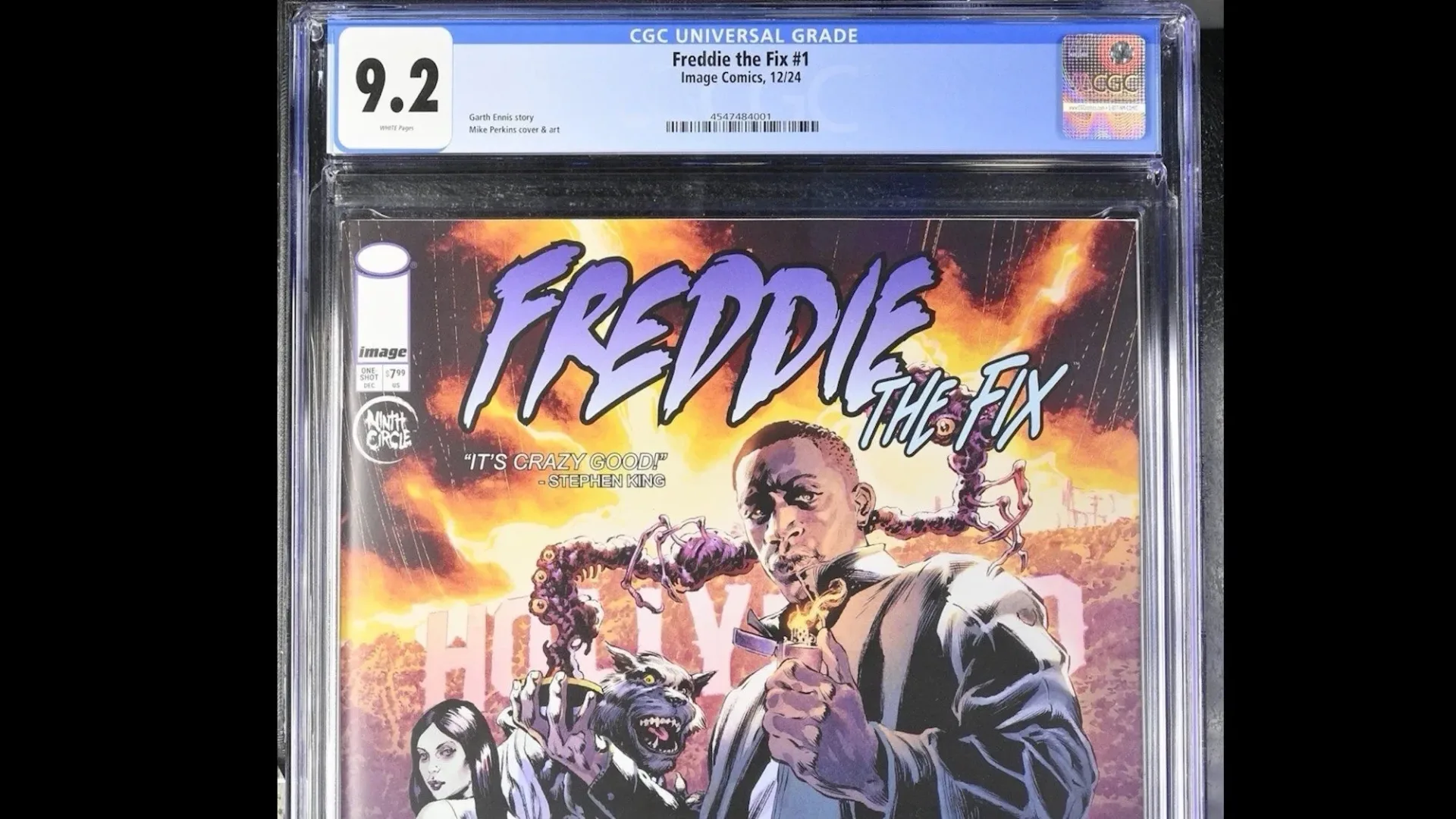
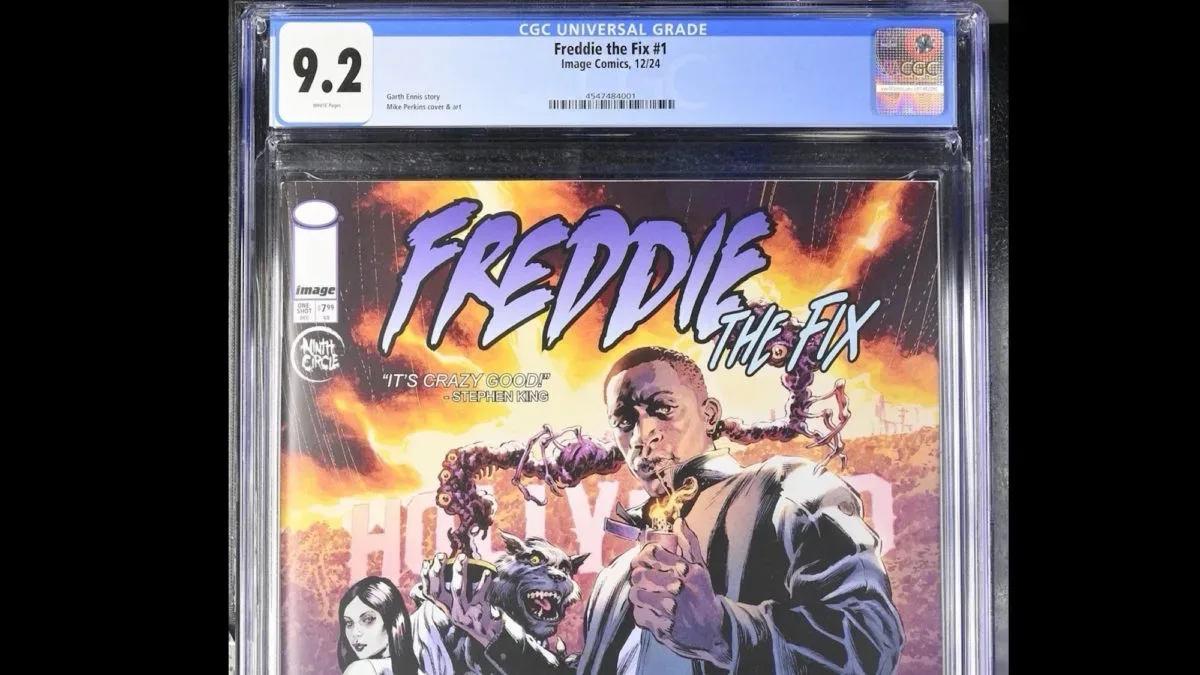
A CGC 9.2 graded standard copy also sold for $55. The CGC census reportedly contains just one graded copy of the regular edition at that 9.2 grade, while one 9.8 example of the variant is registered. Those are very small population numbers, so they should not be treated as a complete picture of surviving copies or of how many people may eventually submit the book. They do show that grading activity around the issue has been limited so far.
For anyone unfamiliar with the terms, a raw comic is sold without third-party encapsulation and a numerical grade. A graded comic has been assessed by a grading company such as CGC and sealed in a holder, with its assigned grade displayed. A 9.2 is a high grade, but it is below 9.8, which is commonly sought by collectors looking for especially clean modern books. The difference matters because buyers are not only paying for the comic itself; they are also weighing confirmed condition, presentation and confidence in the listing.
The 1:25 edition is an incentive variant. In this case, the designation indicates a retailer-ordering ratio tied to the variant: it is not simply another standard copy on the shelf. That distinction can increase collector interest, but it does not automatically make every sale directly comparable with a regular edition. The reported $35 variant result and the $25 standard-copy result are separate signals for separate formats.
What Freddie the Fix is
Freddie the Fix #1 is a standalone horror story from Ennis and Perkins. Its premise heads into a dark version of Hollywood populated by supernatural and monstrous figures—among them werewolves, vampires, zombies, aliens and bogeymen—who turn to Freddie when their situations need resolving.
The issue was positioned as the first release from Ninth Circle, a creator-owned, creator-driven horror line at Image Comics built around standalone stories of horror and mayhem. The physical format is also distinct from a typical standard comic: it is a perfect-bound, cardstock-covered release in magazine trim at 8.5 by 10.875 inches.
That format matters in practical collecting terms. Magazine-size comics are not necessarily handled, bagged, boarded or stored in precisely the same way as conventional comic-book dimensions. A prospective buyer or seller should make sure that listing photos and protective materials correspond to the book’s actual format. Its perfect binding is another feature worth examining in photographs, alongside the cover, corners and any visible wear.
Ennis is identified with The Boys and Preacher, while Perkins’ cited work includes Batman: First Knight and Swamp Thing. The pairing gives the one-shot a recognizable creative foundation, but the current market activity is specifically tied to the film-development news around Freddie the Fix, rather than being evidence of a long-established aftermarket pattern.
The film project and the people attached
Amazon MGM Studios is developing a Freddie the Fix movie. Kimberly Steward and Alex Foster are set to produce for K Period Media, with Kenya Barris producing for Khalabo Ink Society. Kalen Egan and Travis Sentell are writing the screenplay.
Ennis, Jeremy Allen, Lamont, Adam Glass, Michael Bogner and David Stone are executive producers. Development is the key word here. The available information identifies a screenplay team and producers, but it does not establish a release date, casting, production start or completed film. That uncertainty is important for anybody interpreting the sales spike as a collecting signal.
Adaptation-related comic demand often begins well before an audience can see a finished project. A development report can bring readers, speculators and existing fans to the same issue at once, particularly when it is a launch title with an easy entry point. Yet a development credit is not the same as confirmation that cameras will roll or that a film will arrive in theaters or on streaming. The book’s recent sale history is real; what happens beyond that remains unknown.
Why the numbers need context
It is tempting to turn a recent high sale into a firm valuation. That is not what these individual transactions prove. Marketplace data can be affected by the condition of a particular copy, the quality of the listing, whether multiple interested bidders happened to be active, and whether buyers were pursuing the regular release or the incentive variant.
The reported path from less than $4 to $25 shows a change in buyer behavior over a short stretch, but it does not mean every raw standard copy will sell at $25. Likewise, one $55 CGC 9.2 sale does not establish the price of all 9.2 copies, especially when the available census count is only one. A small number of visible sales can move quickly in either direction as more copies reach the market.
New grading submissions may be especially relevant. The low registered counts discussed here do not necessarily mean that the book is scarce in an absolute sense. They mean few examples have appeared in that particular census at those grades so far. If additional owners submit copies after the sales news, supply in graded holders could look quite different later.
This is also why a raw copy and a graded copy should not be compared as if the grading label merely adds a fixed dollar amount. A slabbed comic combines the underlying book with an assigned condition and third-party verification. A raw copy leaves much more of the condition assessment to the buyer. The premium between the two can therefore widen or narrow depending on buyer confidence and the copy itself.
Practical checks for collectors
For readers who want the comic first and the market angle second, the current attention makes it sensible to identify the edition before buying. Listings should make clear whether they are for the standard issue or the 1:25 incentive variant. Because the reported sales differ between versions, vague wording can create confusion.
- Confirm the edition: Check whether the listing is a standard copy or the 1:25 variant before comparing it with a past sale.
- Check completed transactions: An asking price shows what a seller hopes to receive; a completed sale is evidence of what a buyer paid at that moment.
- Inspect condition evidence: For raw copies, look for clear images of the cover, edges, corners and binding. The issue’s magazine trim and perfect binding are relevant details.
- Keep grades separate: Do not use the $55 CGC 9.2 result as a direct benchmark for an ungraded copy.
- Recognize development risk: Movie development has sparked demand, but no further production or release details are established here.
The broader Ninth Circle slate places Freddie the Fix at the beginning of a horror-focused set of creator-owned releases. Other announced and released titles connected with the imprint include Blood Train by Adam Glass, Andrew Dabb and Bernard Chang; The Kids by Ennis and Goran Parlov; Mommy Blog by Marguerite Bennett and Eleonora Carlini; Gray Lady by Glass, Mike Benson and Ken Lashley; and The Snail by Ennis and John McCrea, scheduled for November.
That context gives Freddie the Fix an additional place as Ninth Circle’s launch title, rather than treating it solely as a possible screen property. Readers exploring other current comic entry points can also look at three standout starting points in DC’s Absolute Universe.
What happens next
For now, the clearest takeaway is narrow and concrete: news of the Amazon MGM development has coincided with a notable rise in recent eBay sales for Freddie the Fix #1. Standard raw copies reportedly climbed as high as $25, the 1:25 variant reached $35, and one CGC 9.2 standard copy sold for $55.
Those are useful reference points, not guarantees. The market is still reacting to development news, grading data is sparse, and the known sales sample is limited. Collectors interested in the book should distinguish the exact edition, verify condition and compare completed sales over time rather than assuming a single fast-moving week has set a permanent value.
Shop the products
Check current price, model and availability at the retailer.