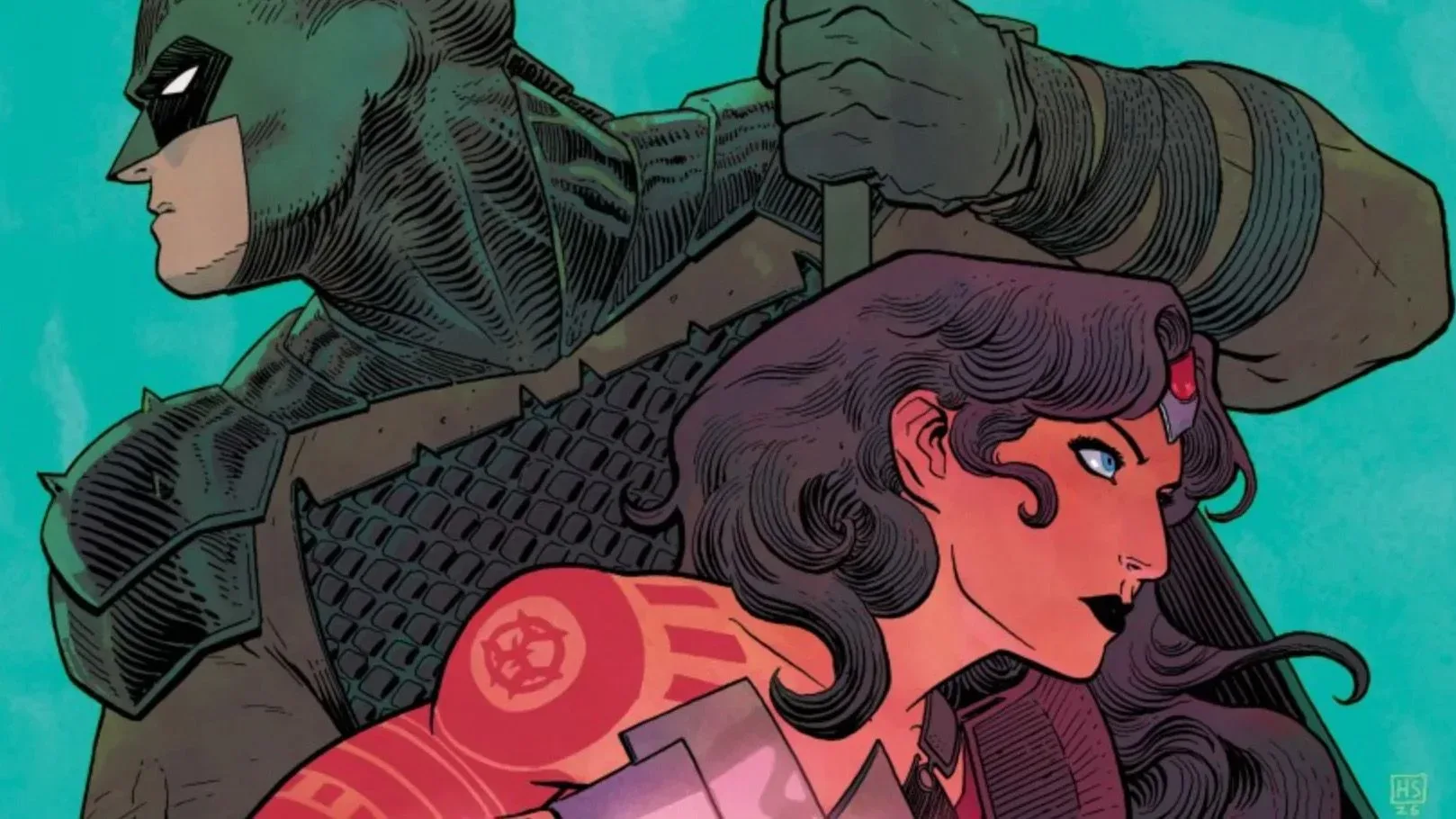
DC’s Absolute Universe began in late 2024 as a second continuity alongside the publisher’s established superhero setting. Its premise is straightforward, but the execution has given it real momentum: take characters who are among the most recognized in comics, change the foundations that shaped them, and see which core qualities endure.
That distinction matters. An alternate continuity is a separate version of a fictional world, rather than a revision that overwrites the long-running main story. Readers do not need to discard decades of stories about Batman, Wonder Woman or Martian Manhunter to follow these books. The Absolute line instead creates room for fresh origins, altered relationships and unfamiliar stakes without demanding extensive prior reading.
The approach has connected commercially as well as creatively. Fifteen of the 20 best-selling comic issues of 2025 were Absolute titles, a remarkable showing for a line built around reinterpretations rather than the standard versions of DC’s heroes. Sales alone cannot settle what makes a comic worthwhile, of course, but they do indicate that the line’s mix of recognizable icons and accessible entry points has found a large audience.
There is an important difference between merely making a hero darker or more extreme and actually reconsidering that hero’s dramatic logic. The strongest Absolute books preserve a character’s emotional center while applying pressure from a different direction. In these stories, the question is not simply, “What if the costume looked different?” It is, “What would this person become if their circumstances, resources and early influences were fundamentally changed?”
For readers deciding where to begin, three series make especially clear that there is no single Absolute formula. Absolute Batman delivers the big, forceful superhero spectacle; Absolute Wonder Woman turns a harsh upbringing into a compelling test of compassion; and Absolute Martian Manhunter uses its premise for stranger, more formally adventurous storytelling. Together, they are a useful guide to what the label can do.
Absolute Batman: a Batman without inherited wealth
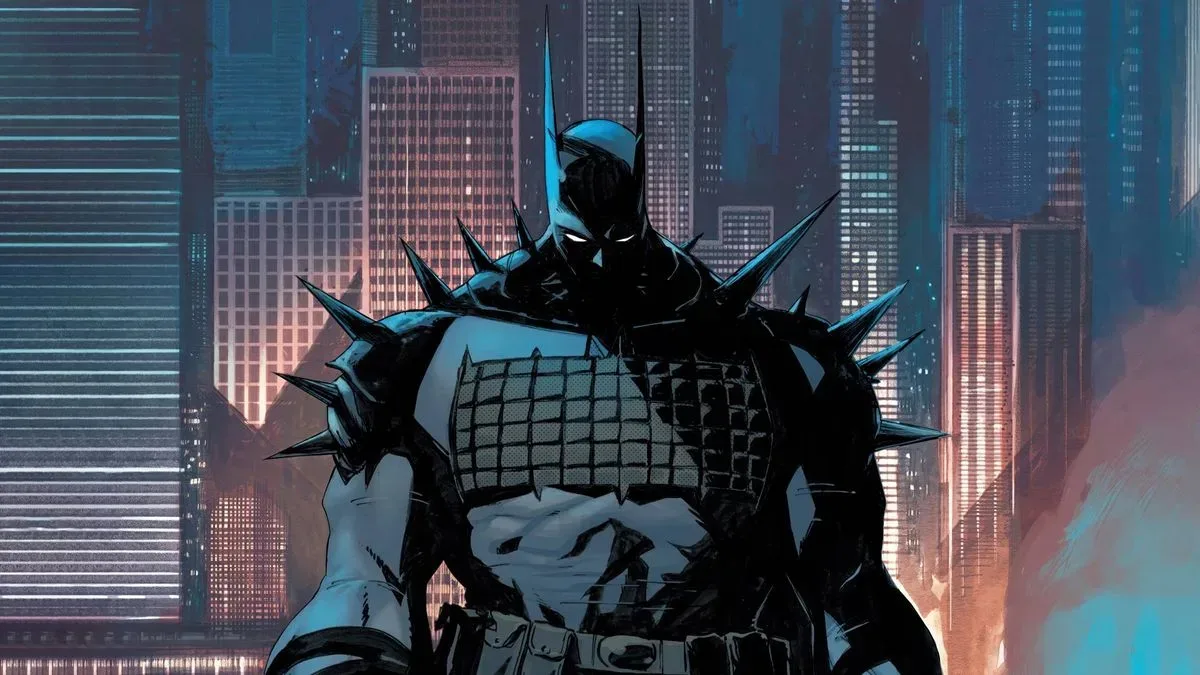
Absolute Batman, by writer Scott Snyder and artist Nick Dragotta, starts with the most immediately legible inversion in the line. This Bruce Wayne is not a rich socialite with family money, a manor and the usual institutional advantages. He is a working-class man raised in Gotham’s Crime Alley. Thomas Wayne is dead, while Martha Wayne is alive. Those changes reshape the practical reality of being Batman as much as they change the character’s family history.
In conventional Batman stories, immense wealth is often part of the fantasy and part of the tool kit: it can finance technology, hide an identity and make a one-man campaign against crime materially possible. Removing that wealth makes resourcefulness a more visible part of this Bruce’s heroism. He remains committed to fighting crime, but he has to build that mission under more difficult conditions. The result is a version of Batman defined less by access and more by effort.
The book does not abandon excess. This Batman is physically enormous, unusually tough and carries a massive axe. That visual choice signals the series’ preference for heightened action rather than grounded realism. Yet its larger conceptual hook is not the weapon. It is the tension between a hero who has fewer traditional advantages and a Gotham still full of systems, violence and power that can overwhelm an individual.
Its supporting cast offers another significant remix. Several figures normally associated with Batman’s rogues’ gallery are reimagined as flawed but fundamentally decent people from Bruce’s past. This changes the emotional texture of familiar names. Instead of relying only on the satisfaction of seeing a classic villain return, the series can explore what it means for Bruce to confront people he knows and remembers differently.
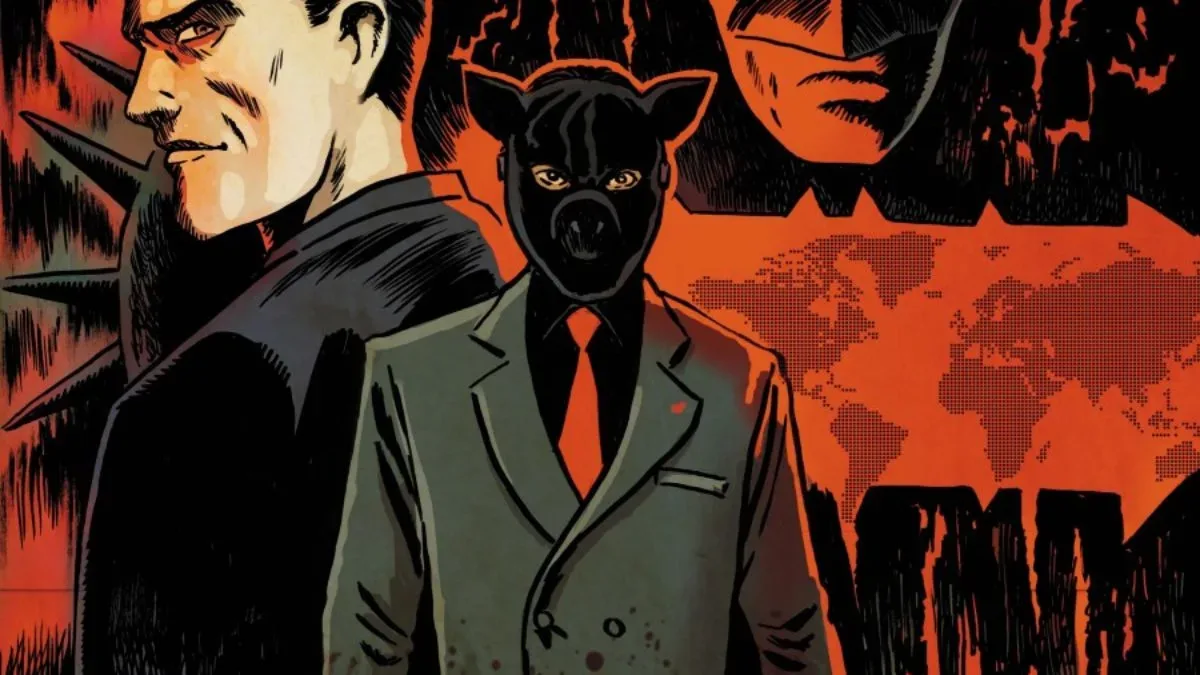
By the time issue #25 is approaching, Absolute Batman has put its lead against new versions of Black Mask, Bane, Mr. Freeze and Scarecrow. The most striking adversarial concept, however, is its Joker: a murderous billionaire who operates as a distorted reflection of the more familiar Bruce Wayne model. That reversal gives the series a sharp symbolic conflict. Where this Batman lacks money and privilege, the Joker embodies enormous wealth combined with lethal cruelty.
For a reader looking for the most direct on-ramp, this is likely the easiest first choice. The essential Batman appeal is intact: Gotham, danger, investigation, physicality and a hero refusing to quit. But the book also has a reason for existing beyond a new costume or continuity label. It asks what Batman’s drive looks like when wealth belongs to his opposite number, not to him.
Absolute Wonder Woman: compassion forged in the Wild Isle of Hell
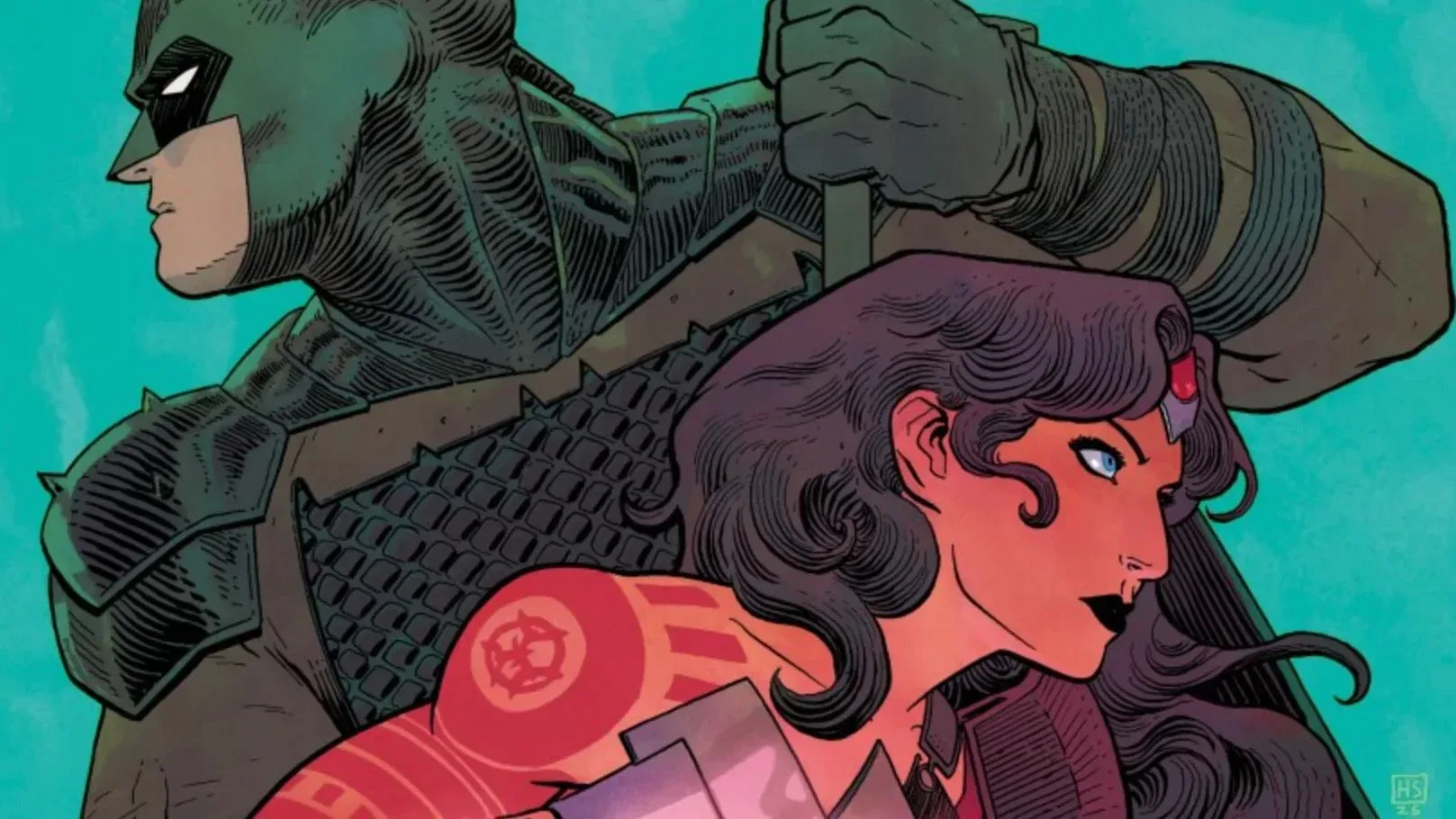
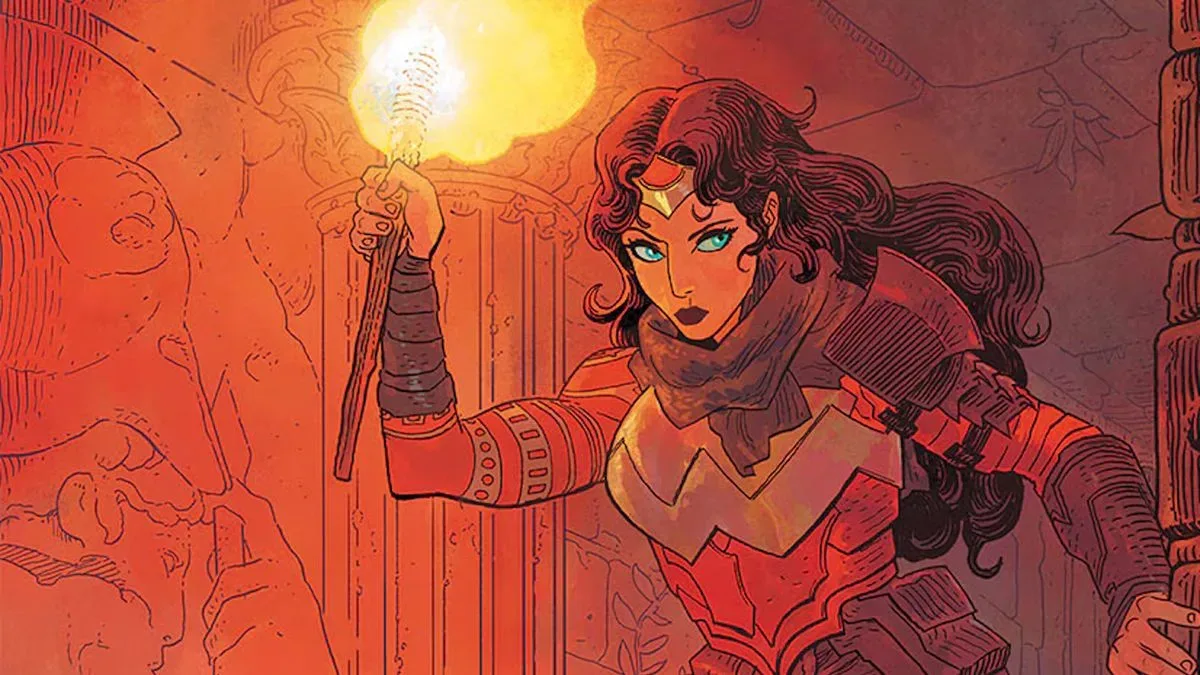
Absolute Wonder Woman, written by Kelly Thompson and illustrated primarily by Hayden Sherman, is arguably the clearest demonstration that the Absolute project can change a character’s biography without losing their spirit. This Diana is not raised among the Amazons of Paradise Island, also called Themiscyra. Her childhood takes place on the Wild Isle of Hell, and Circe—traditionally one of Wonder Woman’s enemies—raises her.
It is a drastic starting point. The setting is hostile, and Diana grows up in a place where survival itself is a constant challenge. A less thoughtful reinterpretation might treat that background as an excuse to turn Wonder Woman into an entirely different kind of protagonist: colder, cynical or simply more violent. This series instead makes her compassion more meaningful. Empathy is not presented as an easy trait produced by an easy life; it becomes a conviction Diana carries out of hardship.
That is why the book’s altered origin has weight. It does not replace Wonder Woman’s identity with a generic dark-fantasy premise. It places a familiar ideal—compassion coupled with formidable strength—inside circumstances that would seem designed to extinguish it. Diana remains a warrior, but the story’s interest lies in the fact that fighting ability is not her sole defining quality.
Her story has already brought her into the wider world, where she has encountered kaiju, met Steve Trevor, worked alongside Batman, faced the Suicide Squad and dealt with numerous divine beings. Those elements make the book expansive in genre terms. It can move between monster-scale destruction, superhero team dynamics, military pressure and mythic conflict, all while anchoring the action in Diana’s unusual upbringing.
The art is a major part of the pitch. Sherman’s work gives the series a distinct visual identity, while other artists have contributed at times. In superhero comics, an artist does more than illustrate a writer’s plot: page design, character scale, motion, color and the handling of silence can determine whether a heightened premise feels coherent. Absolute Wonder Woman’s reputation rests in part on the way its visual presentation supports a story that is both harsh and humane.
It is the strongest recommendation for readers who want an all-purpose superhero comic with mythic scale but a clear emotional throughline. It also serves as a useful corrective to the assumption that “Absolute” only means harsher or more aggressive. Diana’s world is brutal, yet the book’s defining trait is the persistence of her care for others.
Absolute Martian Manhunter: the line’s risk-taking outlier
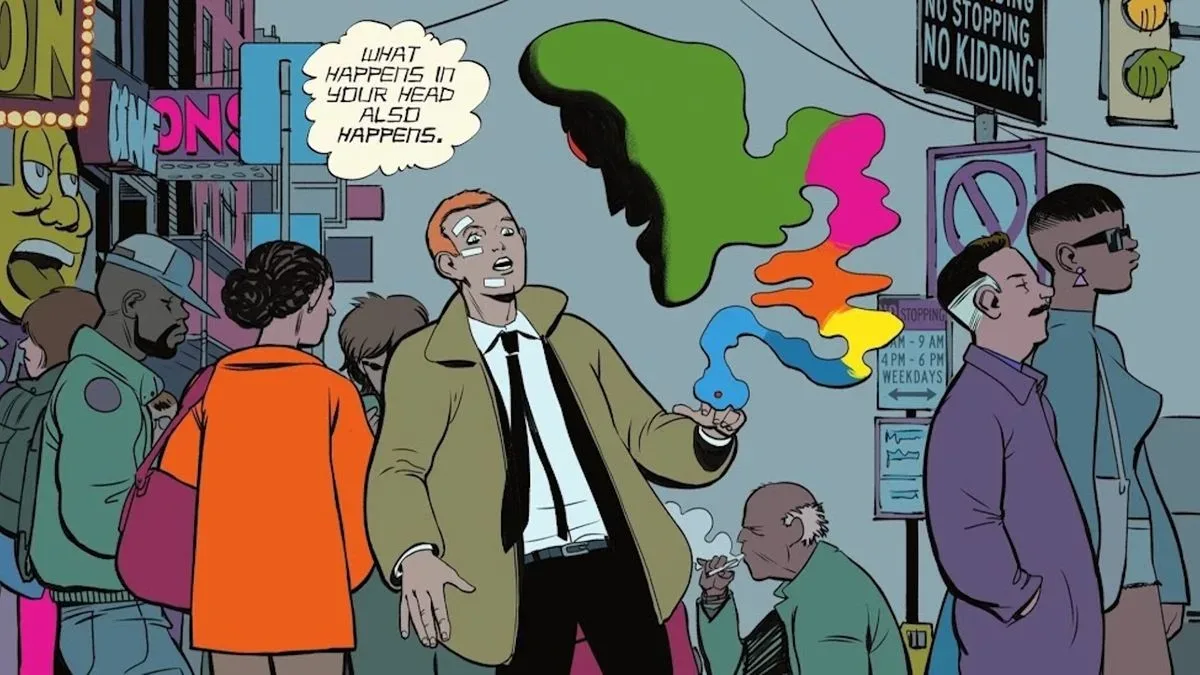
Absolute Martian Manhunter is the most divisive of the three, and that is precisely why it is essential to the larger picture. Writer Deniz Camp and artist Javier Rodríguez take a more experimental route than the crowd-pleasing superhero action of Absolute Batman or the mythic adventure of Absolute Wonder Woman.
The central figure is FBI agent John Jones, who survives a bombing and becomes bonded with a mysterious green alien presence living within his mind. The entity allows him to perceive other people’s thoughts. That premise gives the series a recognizable connection to Martian Manhunter, but it also shifts its emphasis toward consciousness, perception and uncertainty.
A formally experimental comic is one that uses the medium’s storytelling tools in less conventional ways. Rather than simply delivering plot points in a familiar rhythm, it may play with page layouts, competing points of view, subjective imagery or the relationship between words and images. The experimental label does not automatically mean inaccessible, but it does mean readers should expect a different pace and a greater willingness to sit with ambiguity.
Camp and Rodríguez’s series is described as drawing inspiration from novelist Thomas Pynchon, a comparison that helps set expectations for its idiosyncratic, reality-bending sensibility. This is not a standard superhero procedural in which an origin leads cleanly into a mission, a villain fight and a resolution. John’s altered state creates a story where knowing what other people think may make the world less stable, not more comprehensible.
The 12-issue run ended in July, with #12 serving as the planned endpoint. Its finish was a creative decision by Camp and Rodríguez as the story reached the conclusion they intended, rather than a cancellation prompted by the title’s difficulty. That distinction is useful for prospective readers: this is a complete, finite work. Anyone reluctant to begin another open-ended superhero serial can approach it as a contained 12-issue narrative.
Its practical importance to the Absolute imprint is larger than its page count. A line based solely on remixed versions of top-tier icons could easily become predictable. Absolute Martian Manhunter demonstrates that the label can also support a book willing to be strange, demanding and structurally unconventional. It expands the definition of what an alternate-universe superhero title can be.
Which Absolute comic should you read first?
The right entry point depends less on character familiarity than on the kind of comic experience you want. The books share a continuity label, but they are not interchangeable.
- Choose Absolute Batman if you want intense action, a recognizable Gotham framework and a radical rethink of Batman’s class position and resources.
- Choose Absolute Wonder Woman if you want a mythic adventure centered on a compassionate hero whose altered upbringing makes that compassion more resonant.
- Choose Absolute Martian Manhunter if you are interested in a self-contained 12-issue story that pushes further into psychological and formal experimentation.
New readers can start with any of the three without years of continuity homework. That accessibility is one of the line’s greatest advantages. Long-running shared universes can be rewarding, but they can also make a first issue feel like a conversation already in progress. The Absolute books use iconic characters as a common language while creating new beginnings that readers can meet on their own terms.
DC’s Absolute Universe panel is scheduled for Friday, October 9 at 11 AM ET during New York Comic Con, with executive editor Chris Conroy and group editor Katie Kubert moderating. The panel is a sign that the imprint remains a major focus while it is still relatively young.
For comics readers who enjoy how new editions and formats can give familiar material a different life, there is also more publishing news beyond the DC line: Heartstopper mini-comics are set to return in a full-colour hardcover.
The bigger appeal of Absolute so far is not that it offers one definitive replacement for DC’s established heroes. It does not need to. Its value is in treating those heroes as durable ideas that can withstand dramatic changes to their lives. Batman can be working class, Wonder Woman can be raised by Circe in Hell, and Martian Manhunter can become a disorienting story about an agent sharing his mind with an alien presence. In each case, the altered premise creates a new reason to read rather than simply a new way to recognize an old name.