Absolute Wonder Woman has reached an important point for writer Kelly Thompson—not simply because issue #25 has arrived, but because the series has given her something she says she has rarely had on a major superhero book: the confidence to build far ahead.
Thompson has described the book as an opportunity to establish small character details and seemingly secondary story threads with a reasonable expectation that she and artist Hayden Sherman will be able to return to them later. That may sound like a basic requirement of serialized comics, but it is a meaningful creative luxury in a publishing format where writers can otherwise be planning one arc at a time.
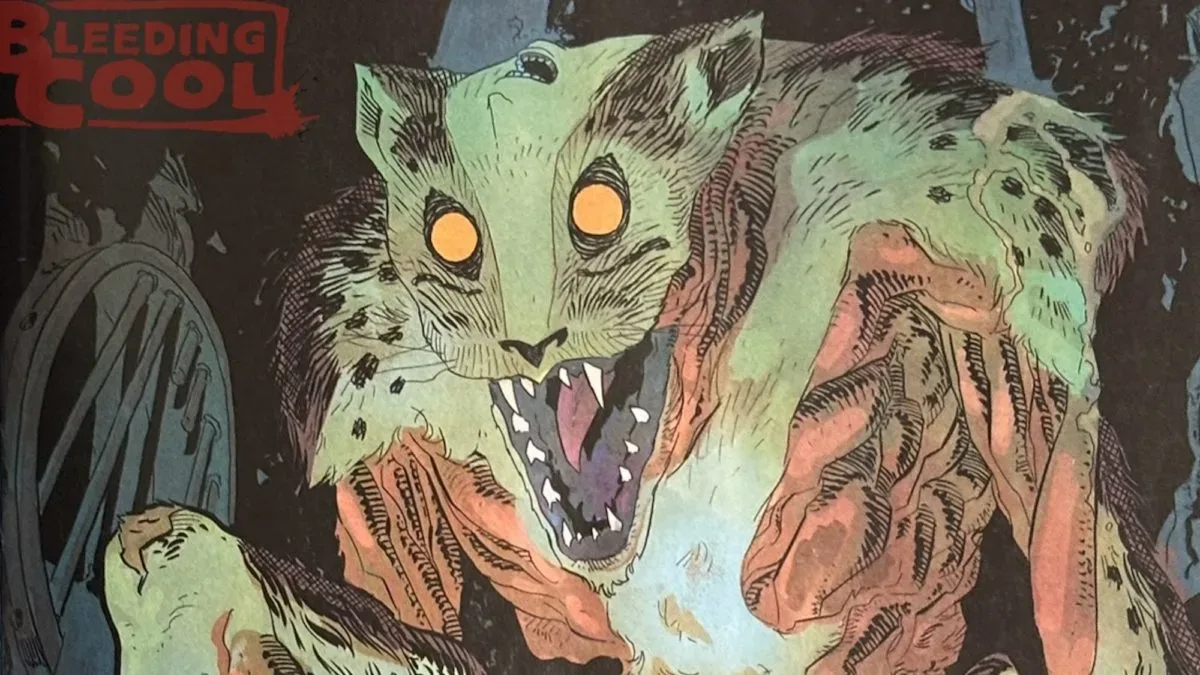
The immediate evidence is already in the series’ supporting cast and its current direction. Etta Candy’s detective work is not merely a bit of flavor around Diana’s larger battles; it is positioned as a thread that can grow over time. Meanwhile, the late-October milestone issue introduced an Absolute version of Cheetah amid Diana’s search for Barbara Minerva. Issue #26 is set to continue the consequences of that encounter while advancing Etta’s search for Cale.
What a “runway” means in superhero comics
When creators talk about having a long runway, they are describing planning time and the expected space to execute that plan. It does not necessarily mean every page is mapped years in advance. Rather, it means the creative team can introduce an unanswered question, a relationship problem, an antagonist, or an unusual detail in a character’s life without immediately having to resolve it before the next editorial or commercial decision changes the book’s direction.
For more context, explore Little Corners’ Little Shops DLC Adds Book, Plant and Haberdashery Spaces on Steam.
Thompson contrasts that environment with working arc to arc, where each new portion of a series can require a fresh pitch. An arc is a connected run of issues designed to tell one chapter of a larger story. That approach can produce satisfying short-form tales, but it naturally limits how much room there is for delayed setup and payoff.
The device Thompson wants to use is familiar to long-running serialized fiction: a B-plot eventually becoming an A-plot. A B-plot is a secondary narrative running alongside the central conflict. It might concern a supporting character, an investigation, a mystery, or a personal complication. An A-plot is the book’s main dramatic engine. Given time, a secondary thread can reveal itself as crucial, changing how readers understand events that once appeared peripheral.
For Absolute Wonder Woman, Etta’s private-investigator work is the clearest stated example. A short, one-year plan may leave little page space for an independent Etta Candy case. A longer horizon makes it possible to let her work a lead now and reveal the consequences much later. Issue #26 specifically has Etta finding a lead on Cale after learning little in Gotham, putting that thread plainly on the page rather than leaving it as a hypothetical future possibility.
Issue #25 changes the immediate picture
Absolute Wonder Woman #25, by Thompson and Sherman, is an oversized installment of the “Heretic” storyline. It brings Diana’s search for Barbara Minerva to a bloody conclusion and introduces Absolute Cheetah. The solicitation emphasizes that this version of Barbara is intended to defy expectations, a useful reminder that the Absolute line gives its creative teams room to reinterpret familiar DC figures rather than simply repeat established dynamics.
That flexibility does not mean abandoning the emotional core of Wonder Woman. Thompson noted that a planned fight in issue #25 changed substantially because Diana would not punch her friend. The result became largely defensive rather than a straightforward exchange of blows.
This is a small production anecdote with a larger storytelling implication. A superhero story can begin with the practical expectation of an action sequence, then become something different when the character’s values are treated as a genuine constraint. Diana’s refusal to harm a friend is not presented as an obstacle that must be written around; it becomes the reason the scene takes its final shape.
For readers, that is the distinction between action as spectacle and action as characterization. The external situation may still demand danger, movement and escalation, but the way a protagonist responds tells the story. In this case, Thompson’s account suggests the book is allowing Diana’s personal boundary to determine the choreography rather than asking the character to behave against type just to create a conventional fight.
Long-term plotting also helps the artist
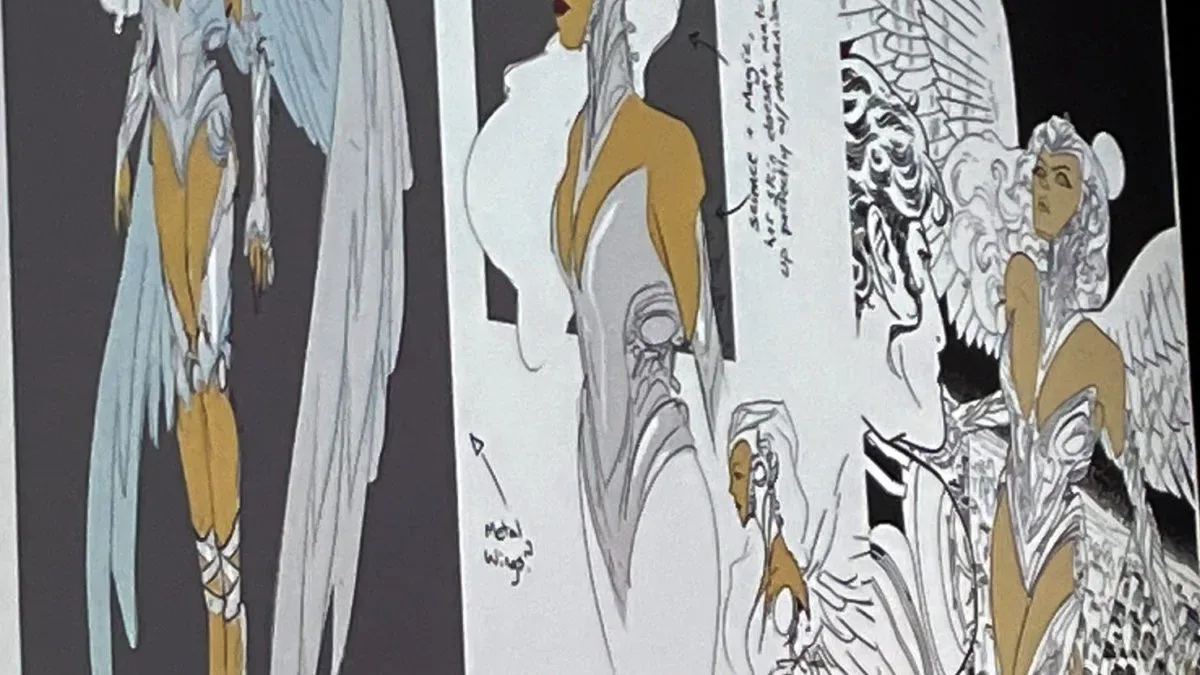
The benefit of a larger plan extends beyond scripts. Thompson says it is valuable to tell Sherman early in an arc which characters will be arriving and which will require original designs. That advance notice matters particularly when a book expects to introduce major supernatural or godlike figures rather than relying entirely on a ready-made visual library.
Comic art is not just an illustration added after the story is finished. Character design affects identity, mood, scale and readability. A new figure may need a silhouette that remains recognizable in crowded pages, visual motifs that communicate their role, and a look that can survive repeated appearances across different emotional contexts. Knowing a character is coming well before the deadline gives the creative process more room for considered solutions.
Sherman’s collaboration is therefore part of what Thompson means by creative runway. The goal is not merely to save an idea for later. It is to make sure its arrival has the preparation it needs—narratively and visually—rather than forcing a major design assignment into the final stages of production.
From Birds of Prey uncertainty to an expanding Wonder Woman plan
Thompson’s enthusiasm for the current situation comes after a period of uncertainty around her work on Birds of Prey. She recalled being worried after discussions with senior DC personnel when the series was experiencing issues. She was not fired, and she later clarified that she had not been close to being fired, but the conversations made her question where she stood.
Birds of Prey ultimately ended with issue #28. Around that broader period, Absolute Wonder Woman emerged as a major success for Thompson, which she described as a significant relief both professionally and creatively. Her account is a candid illustration of how a writer can be navigating uncertainty on one assignment while building a very different opportunity elsewhere.
It also explains why a longer commitment has particular weight here. Thompson previously reached issue #50 on Captain Marvel, yet says the run was still being pitched in smaller sections rather than operating with a confirmed, extensive plan from the outset. Reaching a high issue number and having long-range security are not identical things. One describes what a book ultimately achieved; the other describes how much certainty a team had while constructing it.
That distinction is essential to understanding the ambitions behind Absolute Wonder Woman. Thompson is not simply saying that a comic lasting many issues is desirable. She is pointing to the different storytelling tools that become available when the team can responsibly commit to setup, recurrence and resolution.
What comes next in Absolute Wonder Woman #26
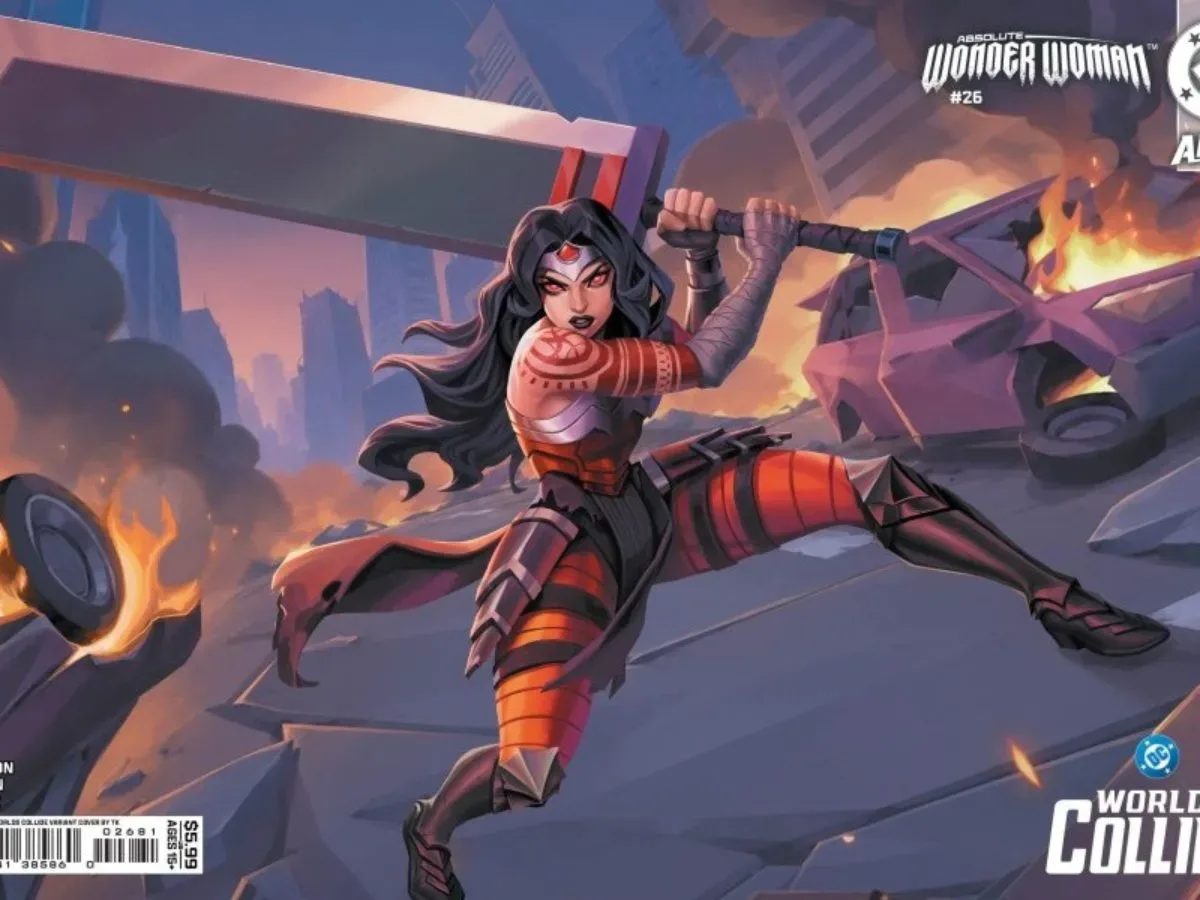
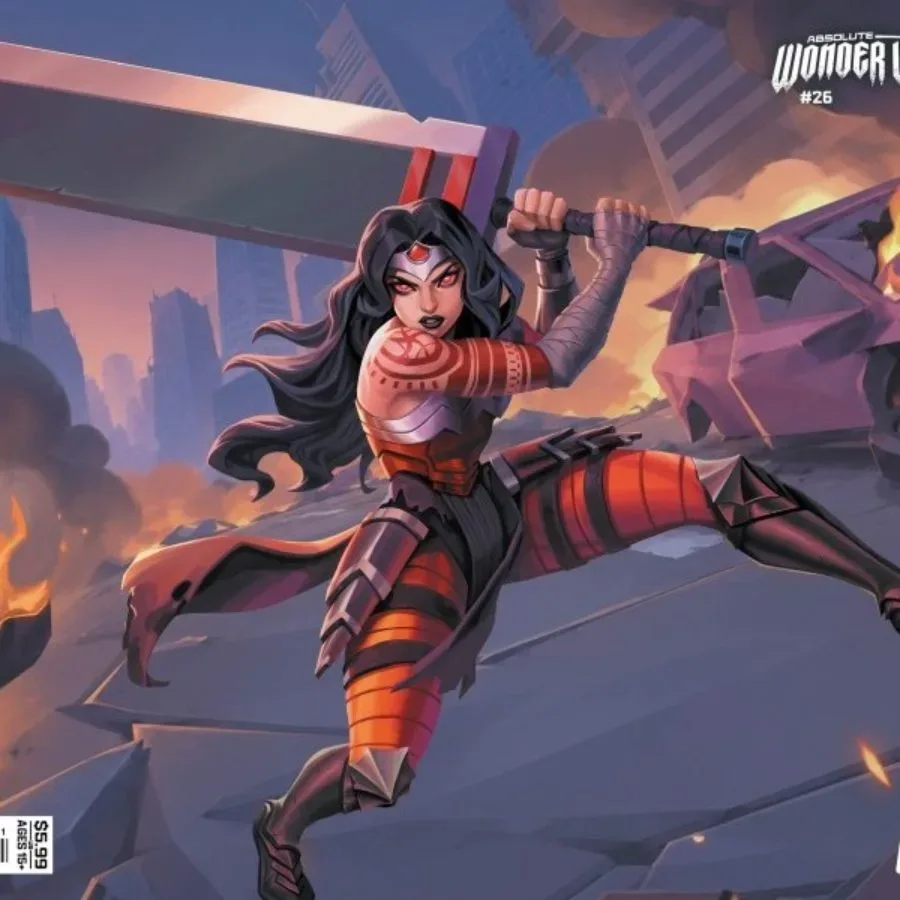
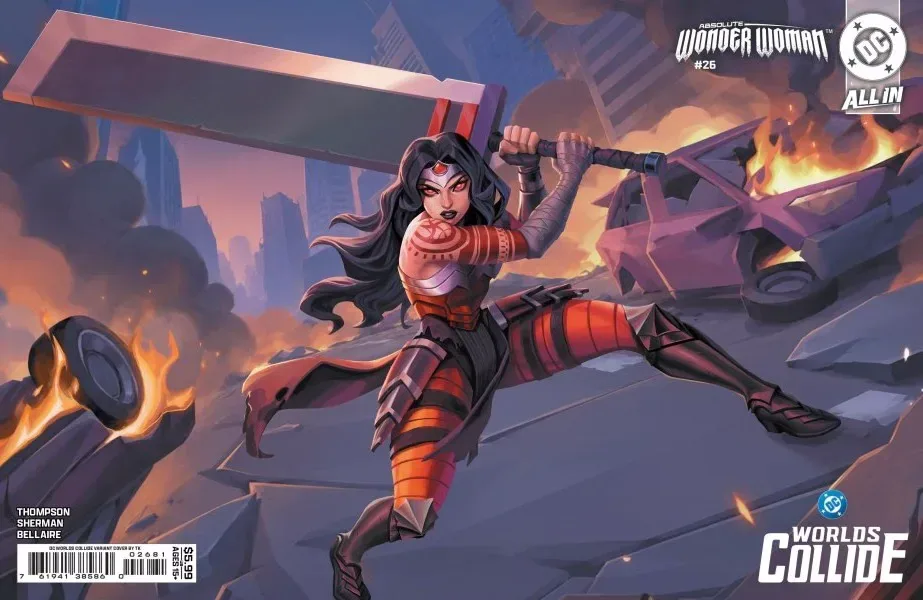
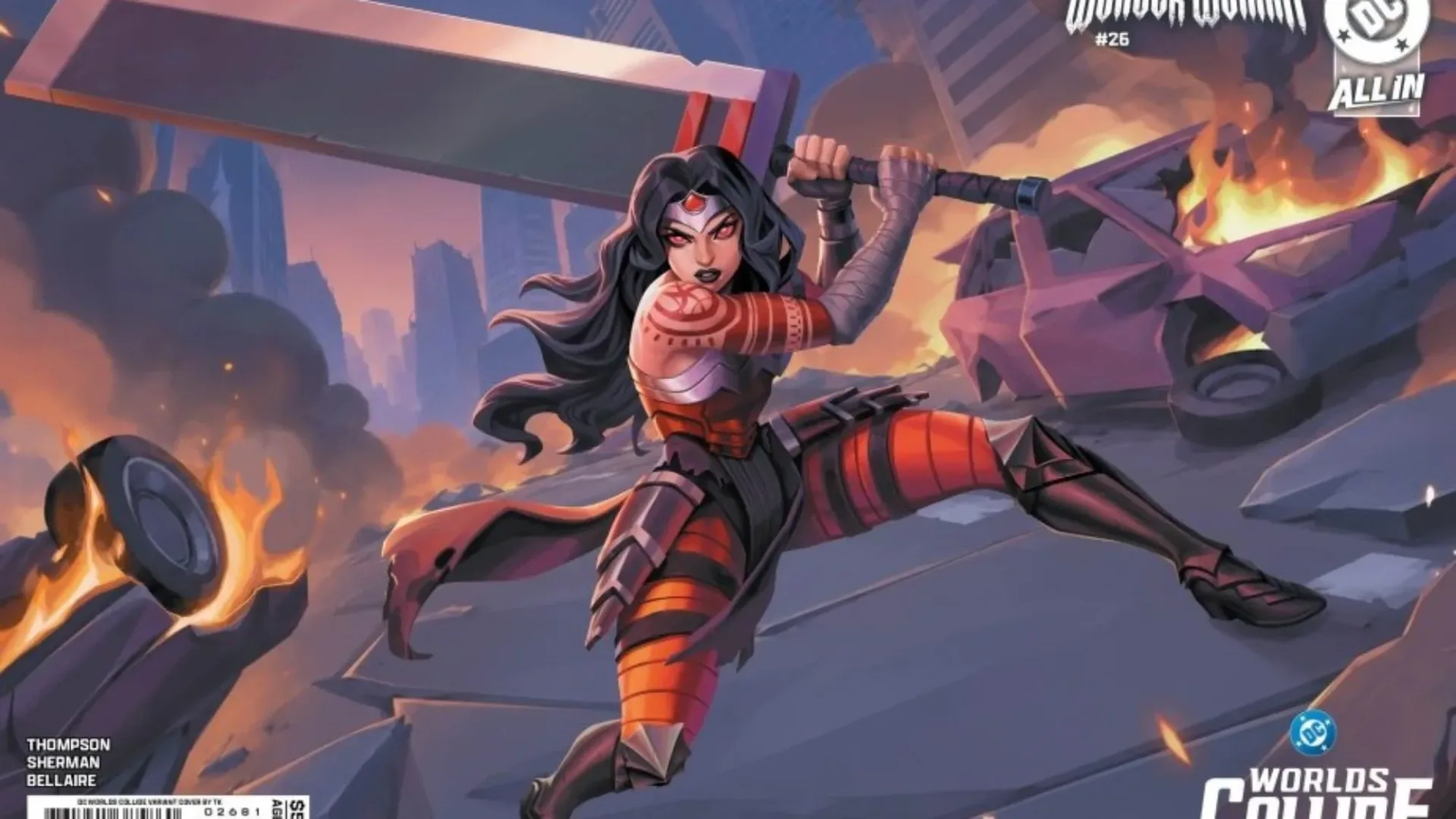
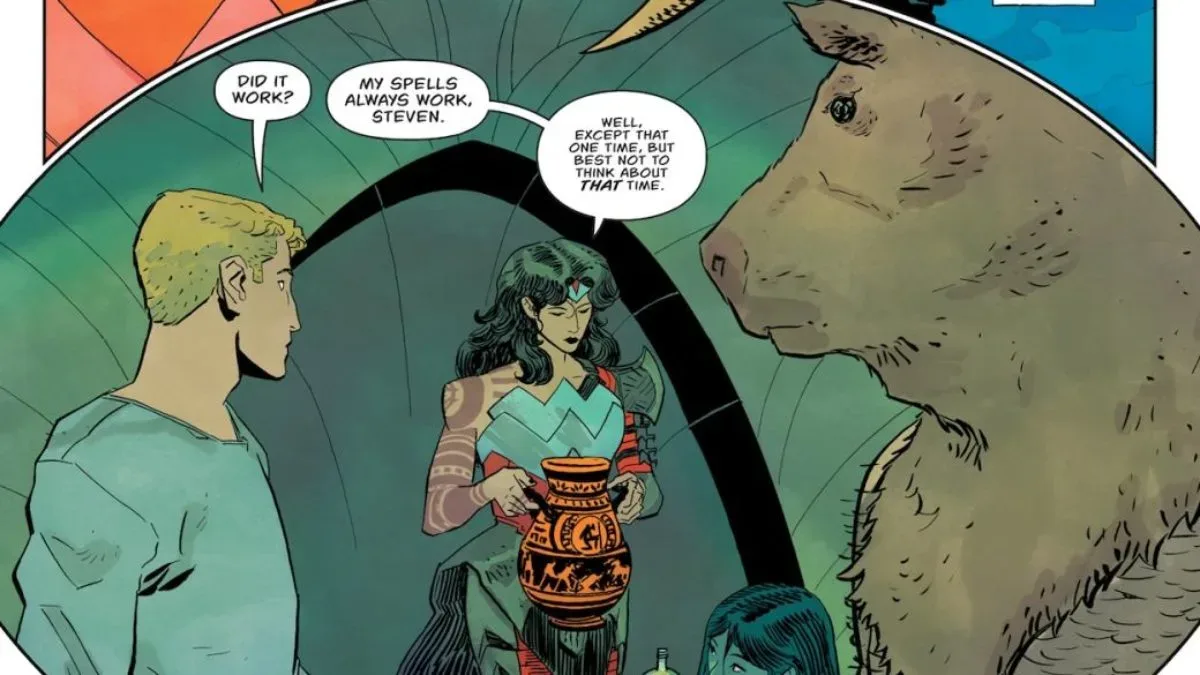
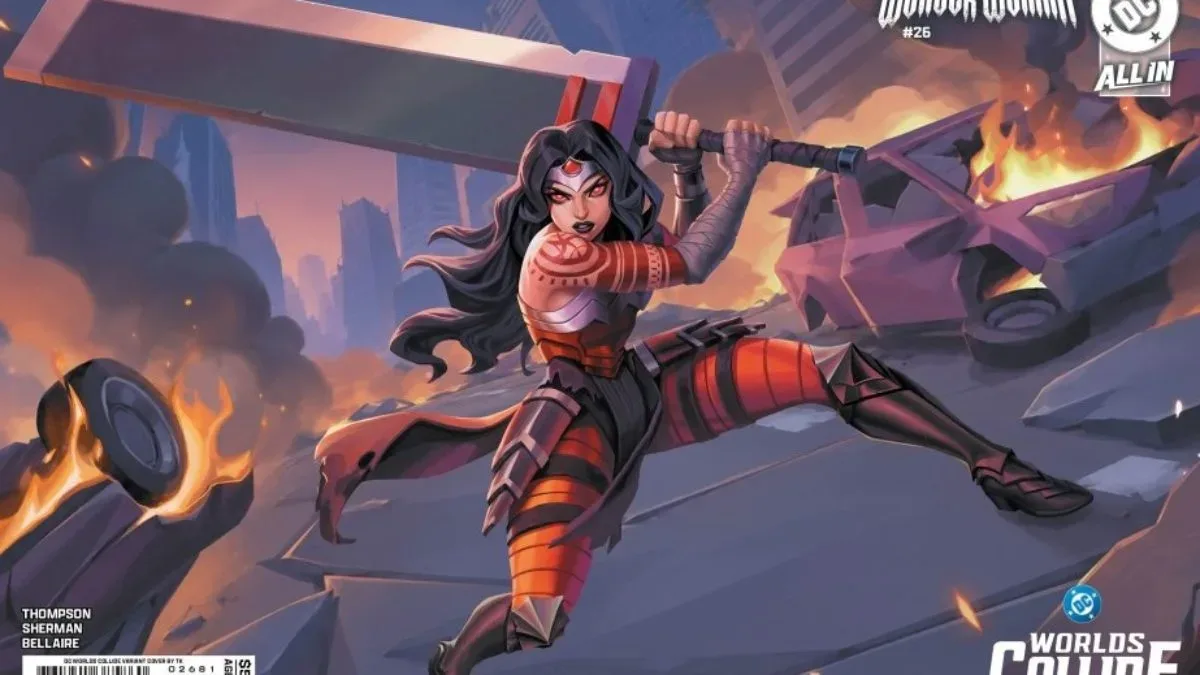
Absolute Wonder Woman #26, also by Thompson and Sherman, is scheduled for November 25, 2026, at $4.99. The issue follows Diana as she processes both loss and discovery. Steve becomes involved as fear grips Gateway City, while Etta’s search moves forward through an unexpected lead on Cale.
Its premise gives the book several simultaneous pressures: Diana’s emotional aftermath, a threatened city, Steve’s intervention and Etta’s investigative progress. More importantly, it puts the series’ long-term model into practice. Etta’s plot is not isolated from the title’s larger concerns; it is a living thread with room to develop alongside Diana’s central conflict.
Absolute Wonder Woman has now moved ahead of Absolute Batman in issue numbering, but the more meaningful milestone is the one Thompson identifies: the series can make promises to readers now and retain the room to keep them later. In a medium built around monthly continuation, that kind of confidence can be as consequential as any single cliffhanger.