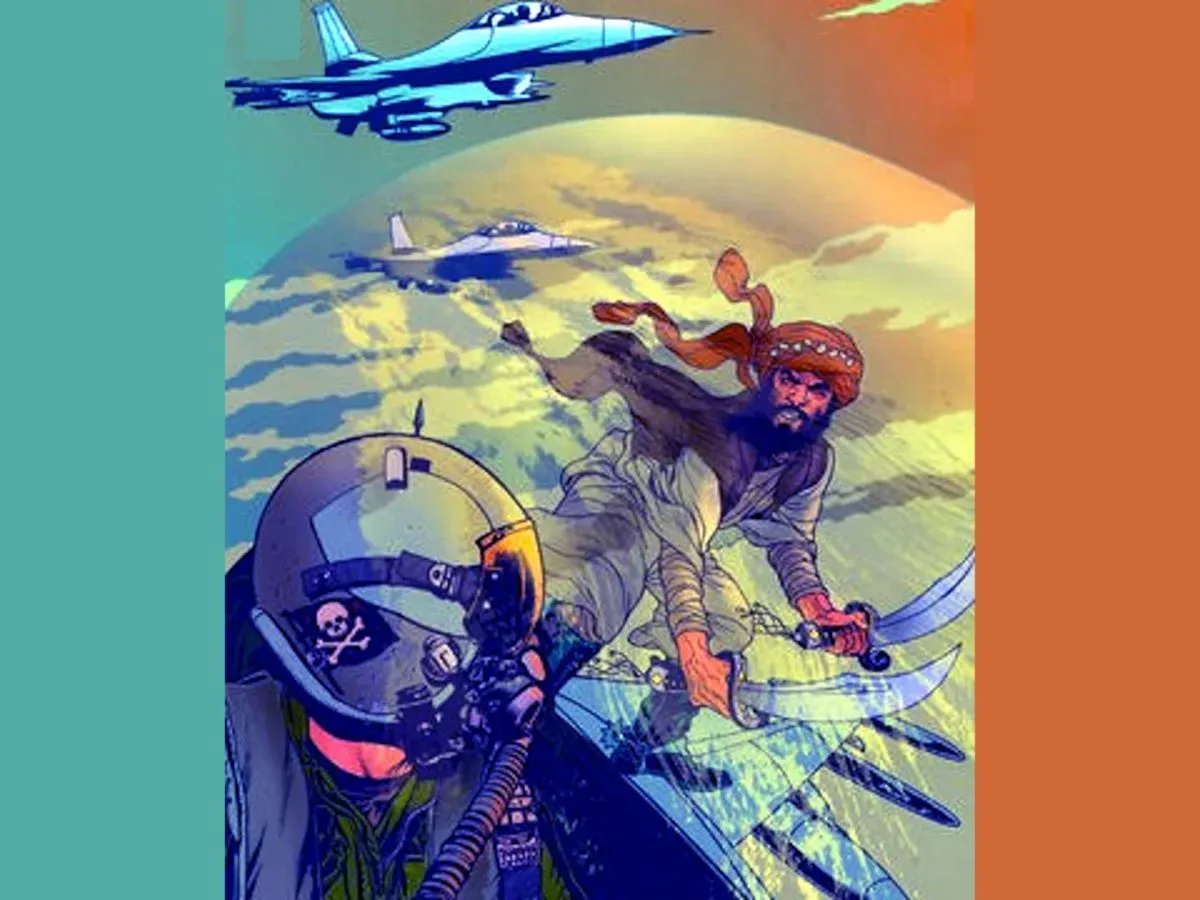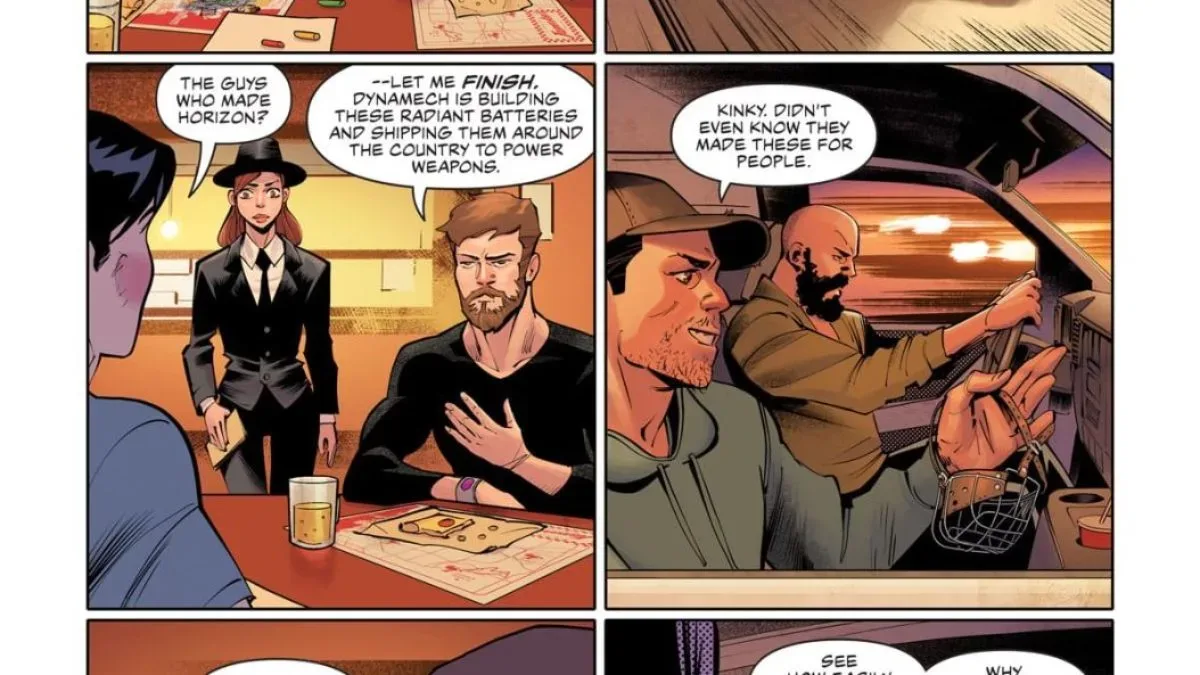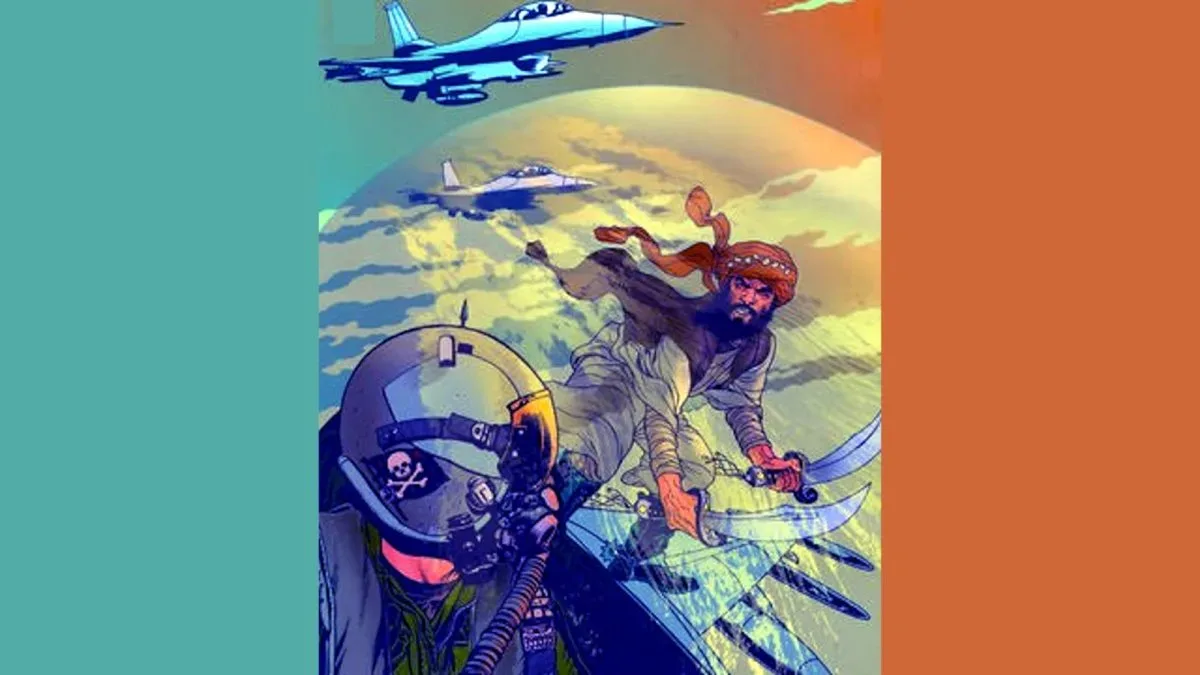
War Heroes, the unfinished six-issue comic by Mark Millar and artist Tony Harris, remains halted after its third issue—but Millar has now given a direct explanation for why. It was not simply a matter of missed schedules or an artist being unavailable. Millar says he reached issue #3 without a workable destination for the story and could not find his way out.
That experience, he says, was unsettling enough to permanently change his writing process. Since then, Millar has planned stories from their endings backward, breaking down scenes before beginning the scripting process. For readers still waiting on War Heroes, that does not amount to a revival announcement. Millar says he has not returned to complete the scripts, and the property moved with the rest of Millarworld when Netflix bought the company in 2017.
A six-issue plan that stopped at three
War Heroes was published by Image Comics as a six-issue limited series. Only three issues appeared: the first two in 2008 and the third in 2010. The gap alone made the project unusual for a deliberately finite miniseries, but the bigger issue for readers was where the published material stopped: on an unresolved cliffhanger.
The series imagined an alternate, escalated military conflict in the aftermath of 9/11. Its scenario included a nuclear attack on Washington, DC, an expansion of U.S. wars into Iran, martial law in the United States, and a military effort to raise enlistment and alter the balance of the conflict by giving soldiers pills that granted superpowers.
For more context, explore SpaceXSI’s X Subscription Bundles Grok, Cursor and X Premium From $8 a Month.
The central characters were not initially framed as conventional heroes. They were con artists who enlisted to obtain the superhuman pills and sell them to al-Qaeda. By the third issue, the scheme had shifted dramatically: one member of the group had been kidnapped by superpowered Islamist fighters in Iran and faced execution, prompting the remaining conspirators to turn on the people who had hired them.
That is the point at which the published narrative ends. It is a substantial stopping point because the premise had expanded from a criminal scam built around a military program into a superpowered war with consequences for the characters, the conflict, and the larger imagined world.
Millar’s explanation: no path through the corner
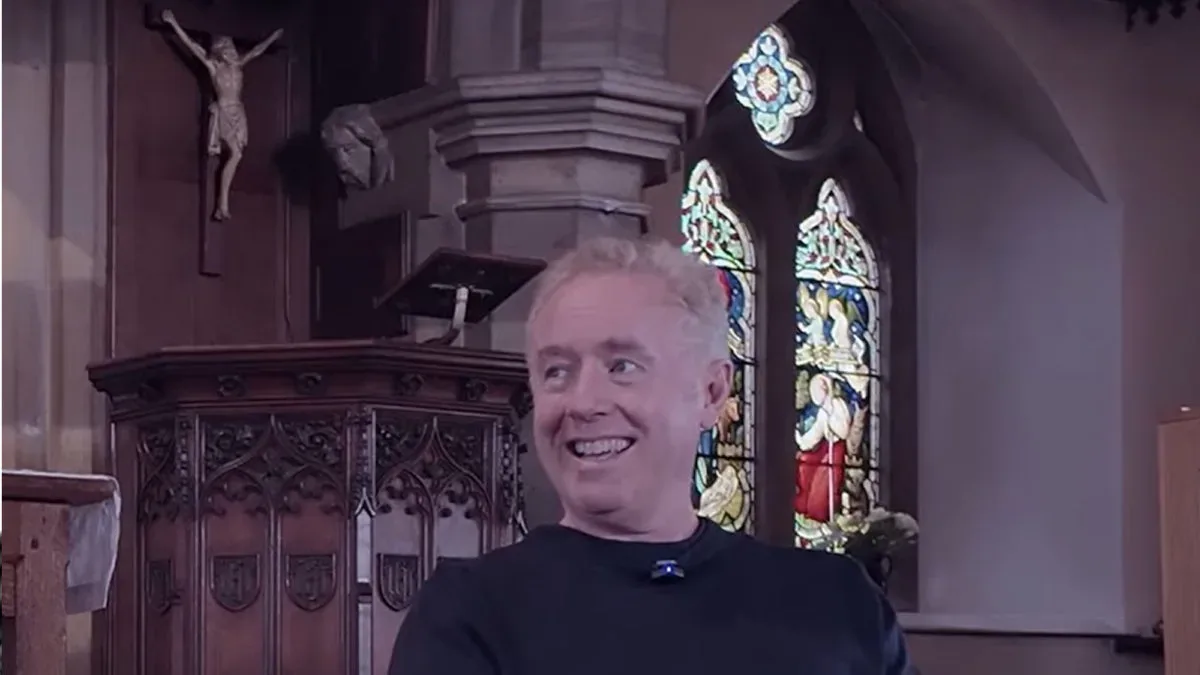
At a recent UK comic convention appearance, Millar said he and Harris had become close while touring the United States together, but that the series nevertheless never got finished. He identified the third issue as the point at which the problem became clear.
“I kind of wrote myself into a corner and I was kind of like, I don't really know what to do. And it actually spooked me.”
“Writing yourself into a corner” is a common storytelling term. It means a writer has established plot events, character decisions, rules, or stakes that do not leave an obvious satisfying next step. The difficulty is not merely choosing what happens next. The resolution also has to feel earned by what has already been published, preserve character logic, and answer the promises made by the premise.
In a serial comic, the challenge is particularly exposed. Each released issue is a fixed part of the public record. A creator cannot quietly revise a scene from an earlier chapter after readers have bought it. A stalled book can therefore leave a cliffhanger intact for years, as happened here, rather than allowing the creative team to rewrite its way to a smoother route.
Millar’s account also addresses a longstanding assumption around the book’s delay. Harris had previously indicated that the intended plan was for Millar to finish the remaining scripts, after which Harris would clear his schedule to draw the conclusion. The proposal was to reissue the first three issues in a small collected edition and then publish issues #4 through #6 monthly. That plan did not happen.
The later explanation puts the unfinished scripts at the center of the delay. Millar has described Harris as a brilliant artist and a friend, while saying the breakdown came because he himself did not know how to bring the narrative home.
How War Heroes changed Millar’s planning method
The unfinished series became a practical lesson for Millar. He says that from 2008 onward he has blocked out every scene of a story before writing it and begins with the ending.
This is often called reverse engineering a plot. Rather than starting with a premise and following ideas forward until a climax presents itself, a writer first decides where the characters and conflict must end. They then work backward to establish the events needed to make that outcome credible.
Millar’s stated reasoning is straightforward: audiences may accept a brisk opening more readily than an ending that feels hurried, arbitrary, or unsupported. Knowing the ending early gives a story a destination. Each earlier turning point can then be assessed against a practical question: does it build a clear route to the payoff?
“If you know your ending you have the shortest possible journey to it when you're writing the story.”
He describes using cards around his room to organize scenes into a larger structure. That is a physical form of outlining, allowing a creator to move beats around, test pacing, and see whether a character’s actions lead naturally from one sequence to the next. It is not a guarantee that a finished comic will arrive on time, but it is designed to prevent precisely the sort of narrative dead end Millar associates with War Heroes.
There is an important distinction here. Millar is not saying that every story problem can be solved simply by writing an ending first. He is describing a planning discipline he adopted after a project where he did not have one. In that sense, War Heroes has had a creative afterlife even while its own plot remains incomplete: it became the cautionary example behind his later process.
What was intended for the missing issues
Solicitation text for the unproduced later issues shows the broad direction the series was expected to take, though it should not be treated as a complete account of a finished story. Comic solicitations are advance marketing descriptions, not final published pages, and scripts can change before release.
Issue #4 was positioned around the kidnapped member of the crew and the realization that the opposing side had acquired superhuman abilities as well. The conflict was framed as a possible wider war fought by superpowered soldiers. The listing for issue #5 raised the stakes further, describing enemy abilities that were more dangerous than those available to the American side, mass casualties, and jeopardy for a highly decorated U.S. super-soldier. Tony Harris was listed for #4, while Harris and Cliff Rathburn were listed for #5.
Those descriptions indicate that the series was moving toward an escalation of its initial concept rather than narrowing into a smaller crime story. But they do not reveal how Millar would have resolved the central scam, the war, the kidnapped character’s fate, or the political consequences established by the first three issues. Since the remaining comic was never completed, readers have only the setup and the announced direction—not the actual ending that Millar says he was unable to find.
Netflix owns the property, but no completion is confirmed
Millar said War Heroes was included when Netflix acquired Millarworld in 2017. That establishes where the property sits, but it does not establish a plan for new comics, a screen adaptation, or another creator taking over the unfinished material.
The project did attract film interest during its original publication period. It was optioned by Columbia Pictures, with Michael De Luca attached as producer and Millar as an executive producer. In 2011, the film rights were bought by Jeff Kirschenbaum and set up at Universal Pictures, with Thomas Dean Donnelly and Joshua Oppenheimer approached to write a screenplay. None of those historical developments, however, changes the present status of the comic itself: Millar says he has not gone back to finish the scripts.
Ownership can make the prospect of a continuation more complicated rather than less. A completed sequel or conclusion would require a creative approach that respects the published material, clarity around who would produce it, and approval from the rights holder. Most importantly, it would need an ending that satisfies the structural problem Millar says stopped the original series.
For now, War Heroes is best understood as an unfinished comic with a clearly identified reason for its pause. Its three released issues preserve a high-concept story that deliberately stopped at its point of greatest escalation. Its missing conclusion remains missing. The more definitive legacy may be the lesson Millar drew from it: plot the destination first, then build the road to it—preferably before the super-pills, international crisis, and cliffhanger have already escaped into the wild.