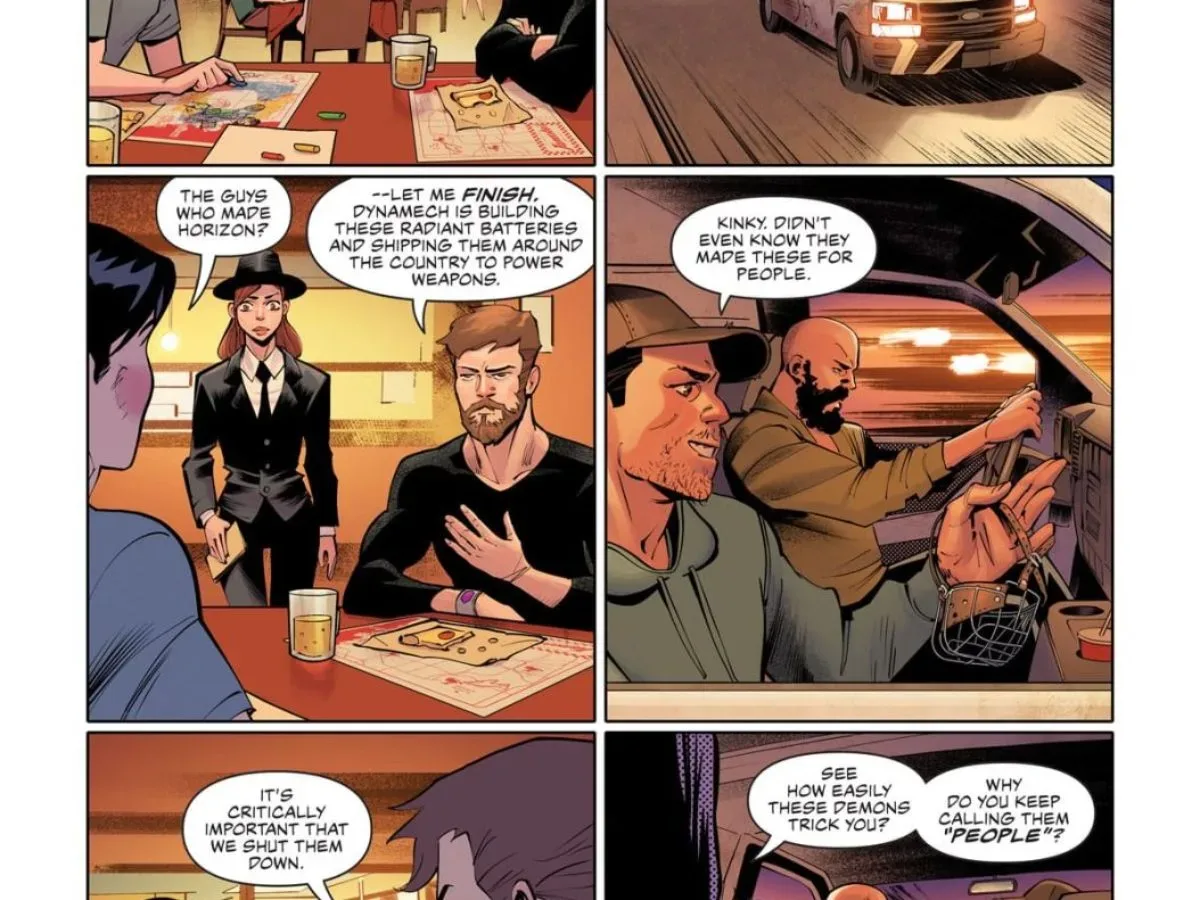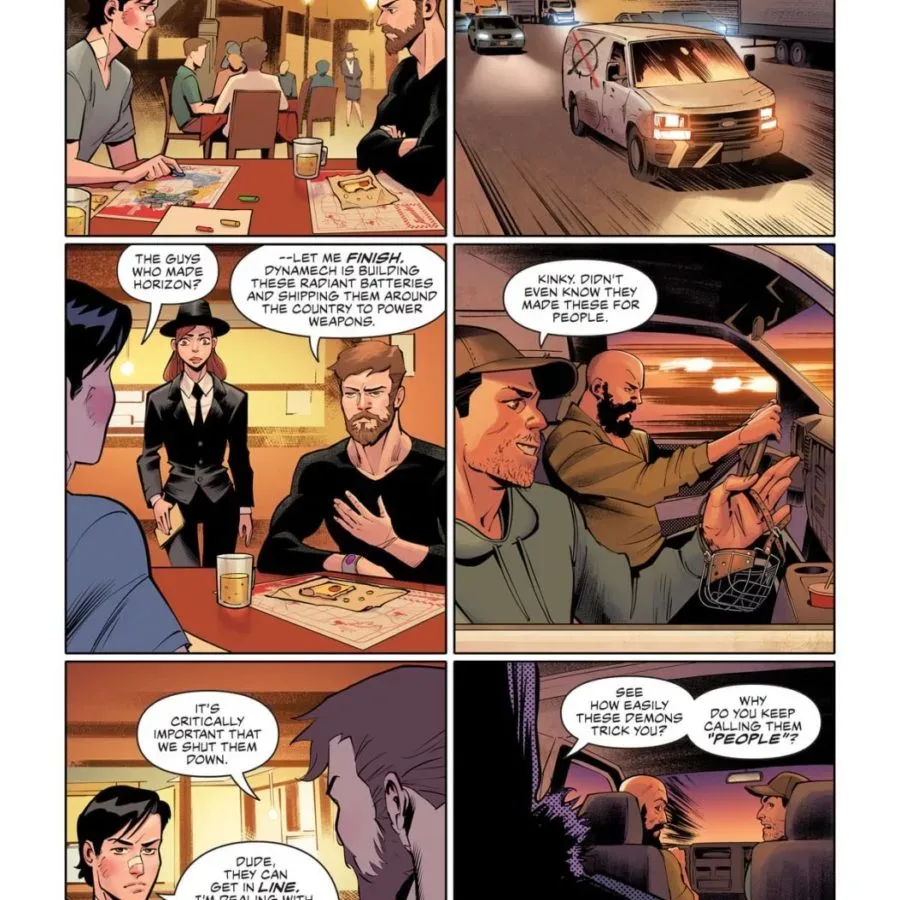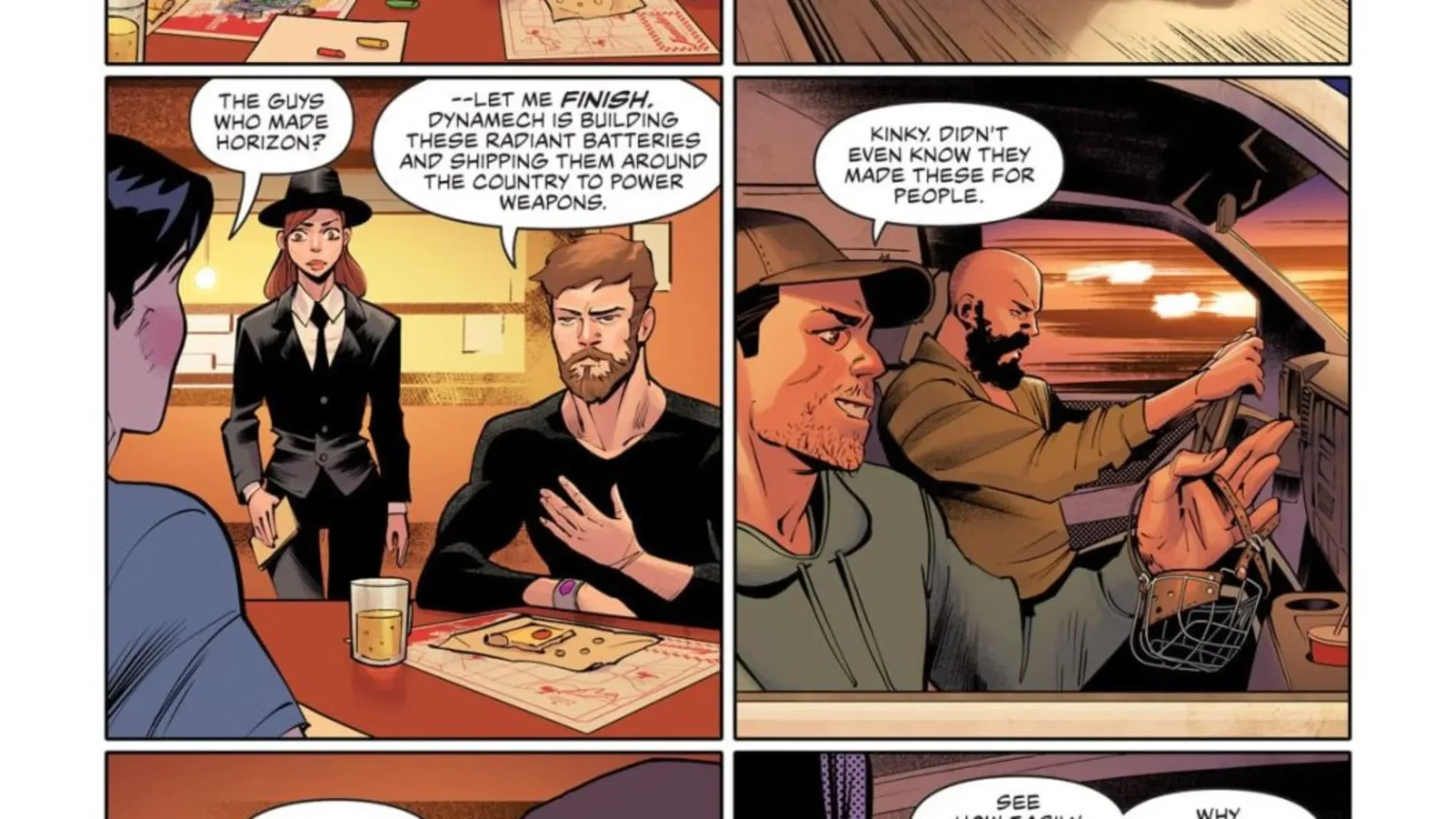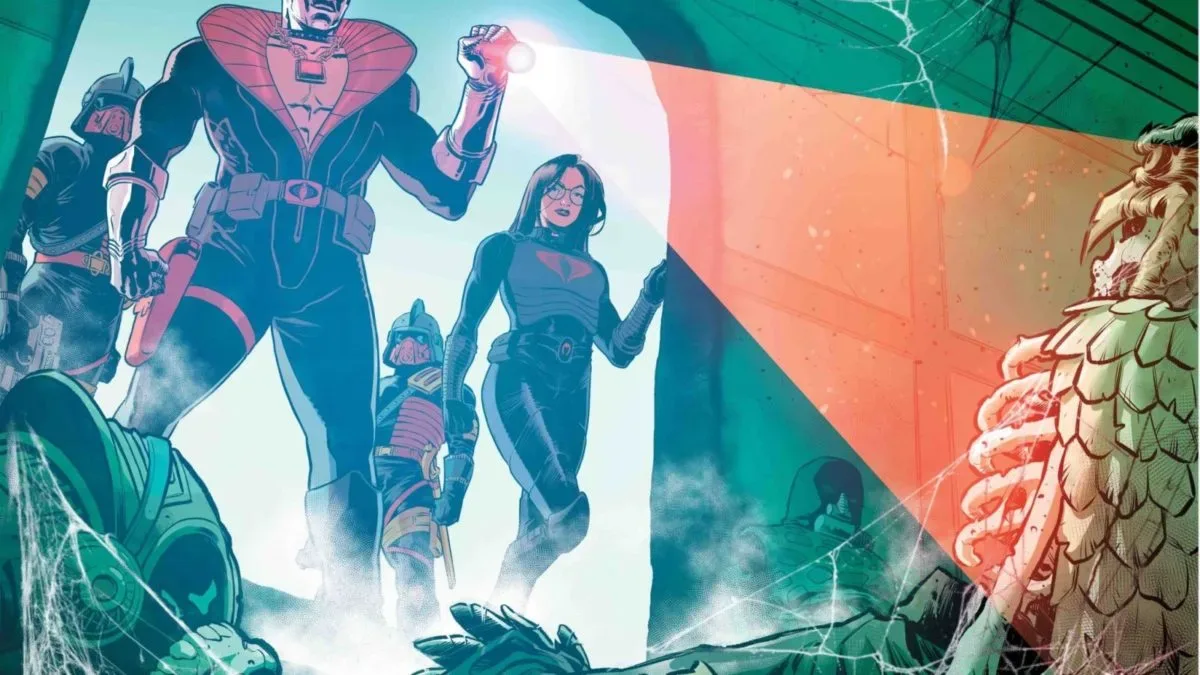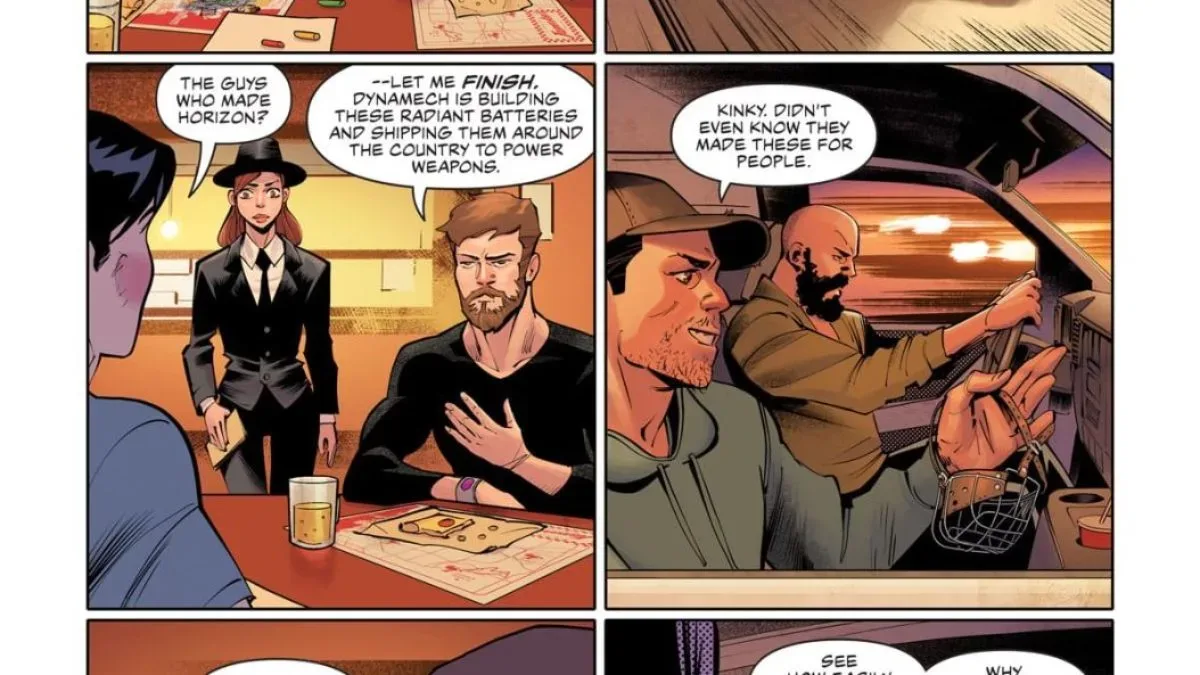
Radiant Black #44 is positioned as a major turning point for the series: the opening chapter of a new story arc and the first step on the stated road to issue #50. The issue is scheduled to reach shops on Wednesday, October 14, 2026, from Image Comics, with a listed cover price of $3.99.
The immediate setup is deliberately pressurized. Marshall has an urgent mission requiring his attention while Chicago is said to be sliding into civil war. The central dramatic question is not simply whether he can succeed, but which emergency he decides is most important first. That is a useful foundation for a new arc because it establishes conflict before the first solution is even on the table.
What is confirmed for Radiant Black #44
- Release date: October 14, 2026
- Publisher: Image Comics
- Price: $3.99
- Writers: Kyle Higgins and Joe Clark
- Artist: Marcelo Costa
- Cover artist: Daniel Bayliss
- Story status: the beginning of a new arc and the advertised start of the run toward issue #50
The solicitation also lists a Kelly McMahon cover, multiple Daniel Bayliss cover listings, and an additional cover listing, all at the same $3.99 price. Readers who care about a particular edition should check with their preferred comic shop about the cover options it expects to stock rather than assume every listed version will be on the rack.
A hero story built around triage
The word triage originally describes sorting urgent problems by priority when every problem cannot be handled at once. In storytelling terms, it is an efficient way to test a hero. Raw power is less useful when the obstacle is not one enemy to defeat, but competing responsibilities with consequences attached to each choice.
That appears to be the pressure point for Marshall in issue #44. An urgent mission can imply an immediate, defined objective: someone needs help, a threat needs stopping, or a situation needs resolving. A city “spiraling into civil war,” by contrast, signals a much larger and less controllable crisis. One problem is specific; the other is sprawling. The premise asks Marshall to choose between the task directly in front of him and a disaster that may grow while he is occupied elsewhere.
That framing also avoids giving away an obvious answer in the issue’s basic setup. Nothing in the available information establishes what the mission is, who is involved in the conflict across Chicago, or what form that civil war takes. Those are meaningful unknowns, and they leave the story’s stakes open rather than turning the solicitation into a summary of the plot.
Why a new arc matters at issue #44
A story arc is a connected run of issues designed to develop one major conflict or narrative movement. It can provide a clean entry point for readers who have not kept up with every chapter, while still rewarding regular readers with the sense that an established storyline is moving into a new phase.
Calling #44 the start of the road to #50 does not reveal how many issues the next storyline will occupy or promise that every question will be settled at the milestone. It does, however, tell readers that the book is treating #50 as a destination worth building toward. Issue numbers ending in zero are often natural points for a series to deliver a big development, a payoff, or a new status quo. Here, the publisher’s language makes that countdown part of the hook from the outset.
For prospective readers, that makes #44 a more inviting place to investigate than a random middle chapter. “New story arc” is not the same as “full reboot” or “no prior knowledge required,” and anyone wanting every piece of context may still prefer earlier issues. But the issue is clearly being presented as a fresh narrative launch rather than merely another installment with no larger signpost.
Marshall’s attention is the real battlefield
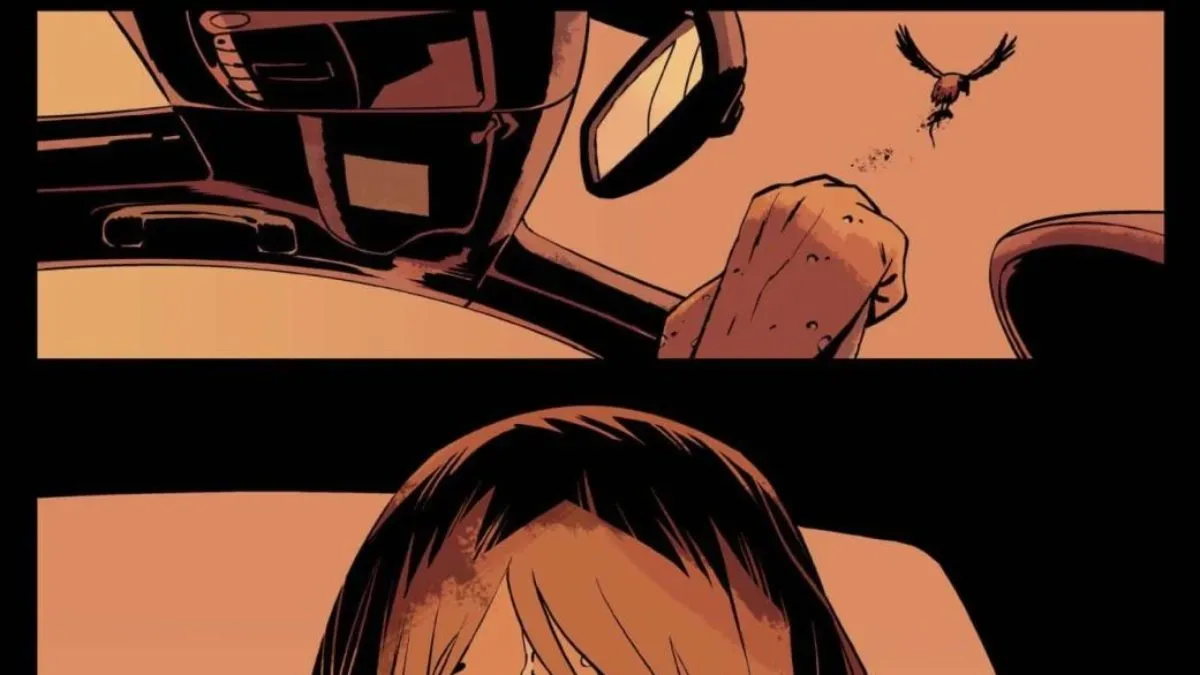
There is an additional detail in the preview material: Marshall attempts to reach a teammate by phone and receives voicemail. On its face, it is a small moment. Within the larger premise, though, a missed connection can carry considerable weight. A hero who cannot reach the people needed to coordinate a response is at an immediate disadvantage, particularly when the story is organized around too many emergencies happening at once.
It is important not to overstate what that one beat confirms. The available material does not establish why the teammate is unavailable, whether the call affects Marshall’s eventual decision, or how long the communication problem lasts. Still, it reinforces the issue’s stated emphasis on fractured attention and difficult prioritization. In a crisis story, failed communication can be as consequential as a physical obstacle because it prevents people from sharing information, dividing responsibilities, or simply confirming that everyone is safe.
The distinction between a personal problem and a citywide one may prove especially important. A broad conflict can feel abstract unless it arrives through individual choices, relationships, and failures of contact. Conversely, a personal mission becomes larger when the surrounding city is unstable. Issue #44’s setup places both scales side by side: one hero’s next call, and Chicago’s widening emergency.
What readers should and should not expect from the solicitation
The official setup supports several reasonable expectations: a new narrative phase, pressure on Marshall, an urgent assignment, and a Chicago crisis that competes for attention. It does not identify the opposing sides in the civil war, name the teammate reached by phone, disclose the nature of the mission, or explain what issue #50 will ultimately contain.
That distinction matters with comic solicitations. They are designed to establish a hook and a purchasing decision, not to deliver a complete issue breakdown. “Civil war” is a particularly loaded phrase, but the available description should be read as a description of escalating internal conflict, not as confirmation of specific factions, causes, casualties, or outcomes. Those details remain part of the story readers will have to discover on the page.
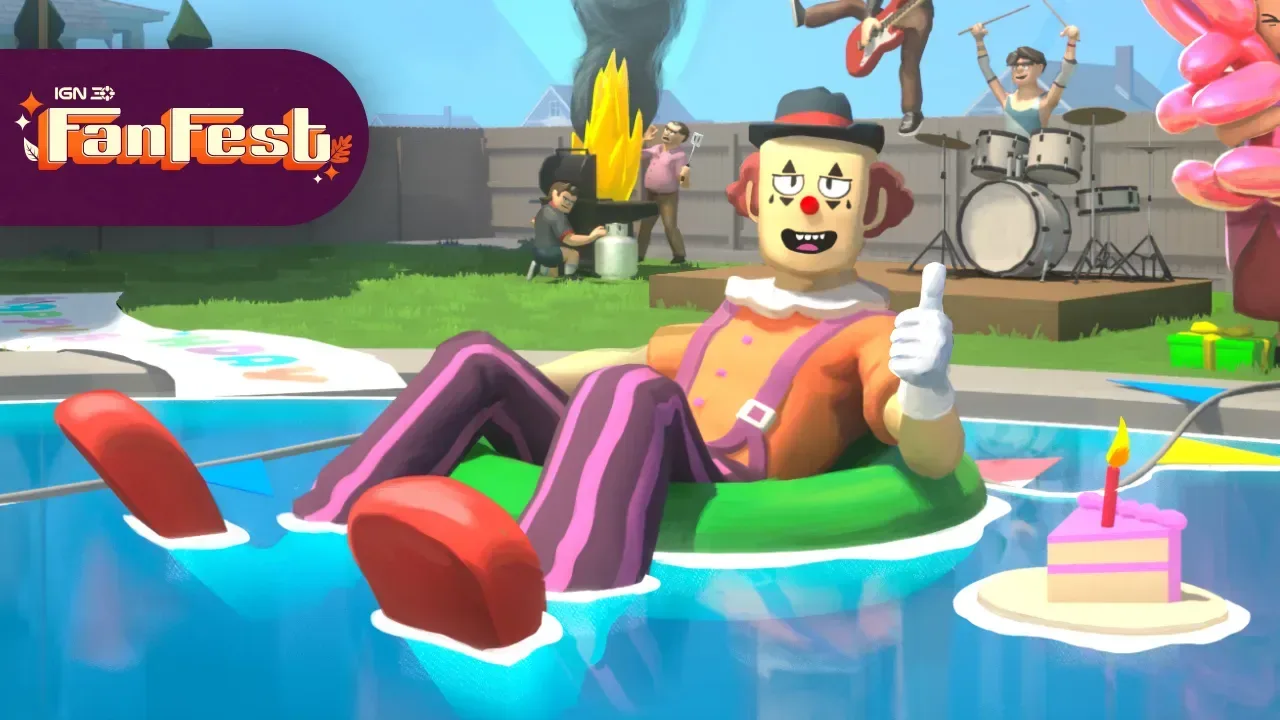
Readers seeking another example of a story premise built around a single hectic scenario can also look at a turn-based RPG constructed around one chaotic birthday fight. The formats are very different, but both premises underline how a concentrated crisis can become the engine for character decisions.
The creative team and cover choices
Kyle Higgins and Joe Clark are credited as writers on #44, while Marcelo Costa is credited for interior art. Daniel Bayliss is credited as the issue’s cover artist, with Bayliss cover listings and a Kelly McMahon cover also included in the product information. Variant covers are alternate cover editions of the same comic issue; they generally give readers a choice of exterior artwork rather than changing the core interior story.
For readers buying a single copy to follow the plot, the main practical decision is likely which cover their local shop has available. For readers who routinely order variants, the listing provides the useful identifiers 0626IM0294, 0626IM0295, 0626IM8015, 0626IM8016, and 0626IM8619. Availability may vary by retailer, so it is sensible to confirm the specific edition before release day.
Radiant Black #44 arrives with a clean promise: a fresh arc, a visible destination at #50, and a protagonist whose hardest problem may be deciding which danger is allowed to wait. Whether Marshall’s choice can contain Chicago’s escalating conflict is the unanswered question carrying the issue into its next phase.