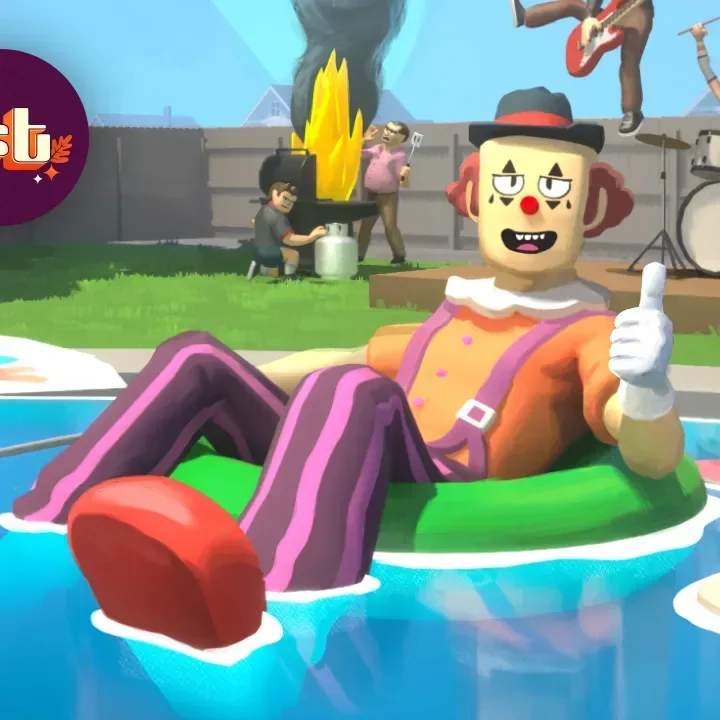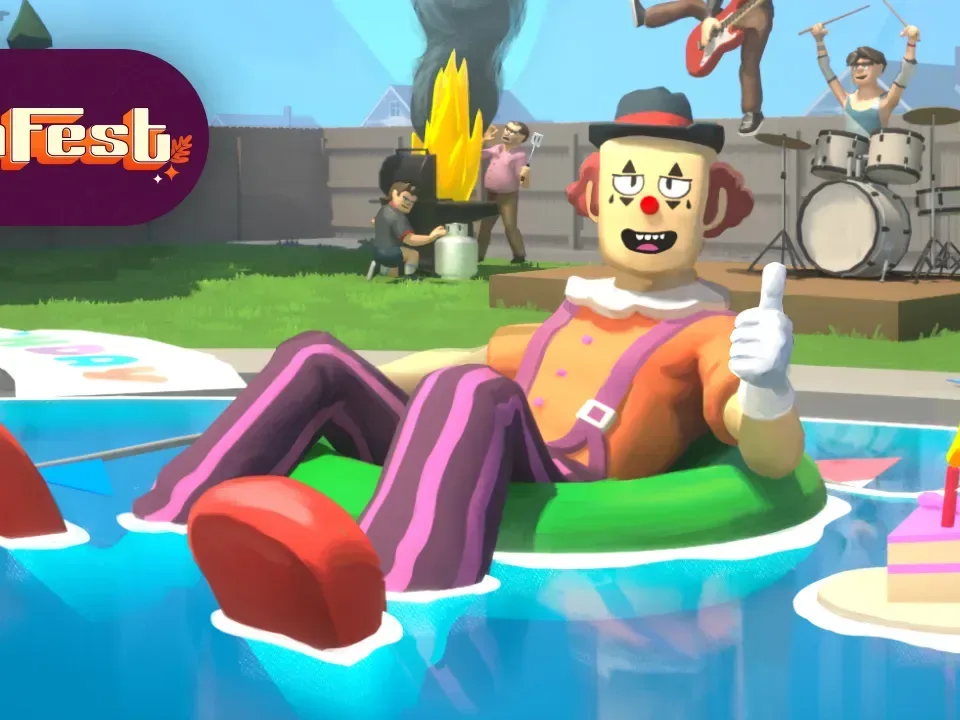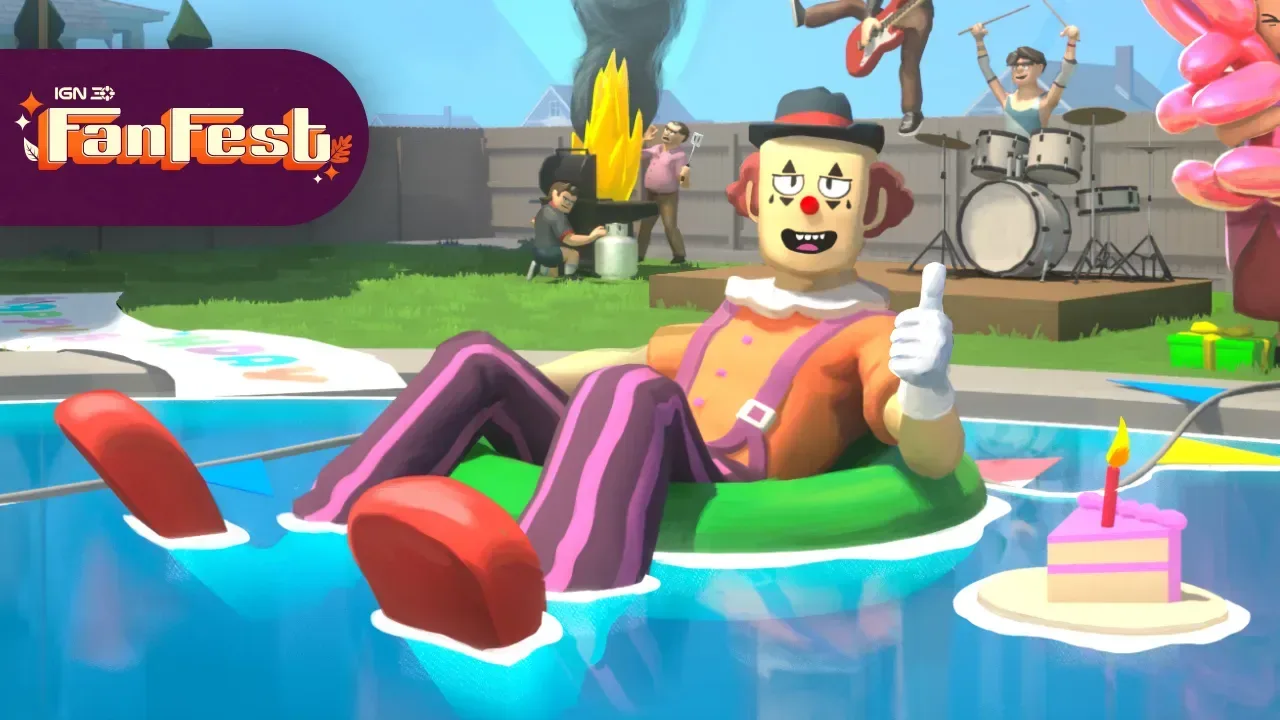
Send in the Clown is taking a wonderfully excessive route to a very specific punchline. Mad Herons’ upcoming comedy RPG follows Pockets, a deeply underappreciated clown attempting to rescue 12-year-old Miranda’s birthday party from her brother, Tad. The game is described as a roughly one-hour experience, but it still builds toward a climactic turn-based RPG battle—complete with recruitment, items, character abilities and party-building decisions.
The twist is that this battle system is intended for one fight. Rather than presenting a conventional RPG loop of repeated combat encounters, escalating enemy types and long-term progression, Send in the Clown turns the preparation for its finale into the core of the game. Pockets’ work around the party determines which people can join the effort and what they can do when the showdown arrives.
A one-battle RPG, by design
“Turn-based RPG” usually describes combat in which participants act in an ordered sequence. On a player’s turn, they generally select from actions such as attacks, defensive moves, items or special abilities; the opposing side then gets its opportunity to respond. Strategy comes from anticipating damage, protecting vulnerable allies, conserving limited resources and assembling abilities that work well together.
Send in the Clown appears to use that familiar language in a deliberately compact form. The crucial decisions happen before the battle, while Pockets explores the party and helps the people around him. Recruiting a character or completing a helpful task can unlock a particular combat contribution. That turns seemingly small social objectives into the game’s version of RPG preparation.
It is an unusual structure, but it fits a short comedy game. A traditional RPG has time to introduce systems gradually, ask players to experiment across many fights, and reward accumulated levels or equipment. A one-hour story has much less room for that. By reserving its combat mechanics for the payoff, Send in the Clown can make every optional favor feel connected to the same looming disaster: whether Pockets has assembled enough birthday-party chaos to stop Tad.
The latest gameplay footage focuses directly on that final confrontation, with co-directors Nick Park and Jacques Mouledoux explaining the setup. The battle is not presented as an isolated minigame detached from the story. Its available options are shaped by Pockets’ earlier choices, making the route to the fight as important as the fight itself.
Party favors become battle abilities
The revealed examples give a clear sense of the game’s comic cause-and-effect. If Pockets teaches a single dad how to dance, that effort unlocks a dance troupe attack. Help hype up Miranda’s friend Nasser, and the group gains access to a move called Be a Hero, which protects an ally from damage.
Those are recognizable RPG roles expressed through party problems. The dance troupe attack reads as an offensive option, while Be a Hero is a defensive ability. The joke is not merely that birthday guests are being converted into a battle party; it is that the solution to a social situation becomes mechanically useful in a later confrontation.
Related coverage includes Send in the Clown Trailer Reveals a One-Fight RPG Built Around Birthday-Party Chaos.
The most extreme example involves giving a mother a break from watching her baby so she can relax by the pool. In return, she can throw the baby at an enemy for what is described as ultimate damage. It is a deliberately absurd escalation, and it signals that Send in the Clown’s battle options are unlikely to treat RPG terminology with solemnity. “Ultimate damage” is normally the kind of label used for a game’s most powerful move; here it is tied to a favor that begins with basic childcare.
That approach could make the final battle a report card for the player’s time at Miranda’s party. Players who investigate people and solve their problems may enter the encounter with a broader set of tools. Players who miss a thread may still reach the finale, but the information available so far suggests they could have fewer options at their disposal. The exact structure of that choice and how much any individual ability matters have not been detailed.
What remains under wraps
Several other possible ways to improve Pockets’ prospects have been teased: finding Tad’s baby photos, finding religion and waking Nanna. Mad Herons has not said what each discovery unlocks, how it changes the battle, or whether these objectives have conditions beyond locating them.
That uncertainty is part of the appeal of the premise. Each teaser sounds less like an ordinary stat upgrade and more like a setup for a specific gag. Tad’s baby photos could be embarrassing leverage, an emotional distraction, or something entirely different. “Finding religion” is especially opaque without further context, while waking Nanna could produce any number of party-altering outcomes. For now, it is accurate only to say that these actions are positioned as potentially useful preparation for the final encounter.
It also means players should be cautious about treating the early descriptions as a guide to a fixed best build. There is no confirmed list of every recruitable character, no complete ability roster, no stated number of outcomes, and no confirmation of how much optional content is required. The trailer establishes the broad idea: helpful actions around the party feed a single turn-based showdown. It does not yet establish a definitive route through that system.
Why the format suits the comedy
The central concept seems designed to parody RPG scale without dismissing RPG structure. There is a protagonist, a party to gather, abilities to unlock, a major conflict and a final battle. Yet the stakes are filtered through a child’s birthday party, an ungrateful brother and a clown whose status in history is apparently overdue for reconsideration.
Making the whole system culminate in one encounter is key. The game can give formal weight to recruitment and ability design while avoiding the need to stretch the premise over a long campaign. The result may resemble a finale assembled from comedy sketches: Pockets meets people, resolves odd little dilemmas, and then calls in the consequences during a last stand.
There is practical value in that clarity, too. Players who enjoy turn-based planning but do not necessarily want a long RPG may find the premise approachable. The reported one-hour length establishes a contained commitment, while the pre-battle choices suggest there is still room for curiosity and experimentation. Conversely, players expecting repeated encounters, deep leveling systems or a large tactical campaign should calibrate expectations. The stated hook is not an expansive combat sandbox; it is a concentrated finale built from the player’s actions.
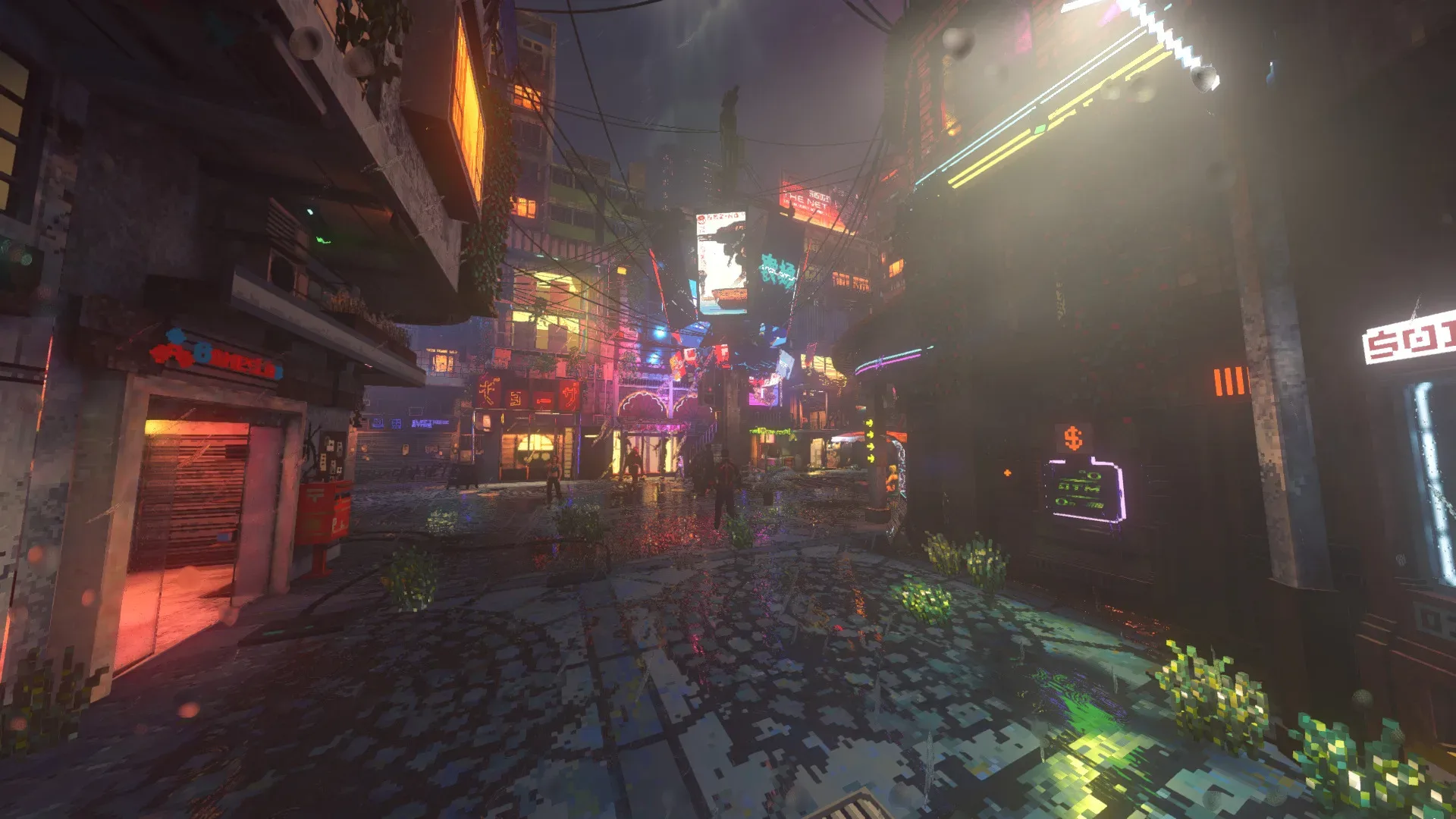
For another look at how a game’s setting and opening pace can shape expectations before its larger systems settle in, read our take on Nivalis Nights’ neon city and rushed opening hours.
Release plans and the available demo
Send in the Clown is planned for PC through Steam later this year. A demo is available now, offering the most direct way to see how Pockets’ birthday-party rescue begins before the game’s one-and-only RPG battle takes center stage.
The new gameplay look makes the game’s most distinctive promise much easier to understand: the full battle system is not a detour from the comedy story. It is the destination. Every dance lesson, pep talk and bizarre favor can be read as another possible piece of ammunition for Pockets’ eventual attempt to save Miranda’s party from Tad.