Absolute Batman #24 was the leading comic in the reported direct-market sales activity for September 22 through September 29, 2026. The DC issue set the chart’s benchmark at 100%, with Absolute Wonder Woman #24 following at 41.43%. Marvel’s Muppets Take the Marvel Universe #1 and Infernal Hulk Vs Wolverine #1 ranked third and fourth, at 31.02% and 26.31% respectively.
The numbers come from point-of-sale records across more than 600 comic shops using the Manage Comics and Comic Shop Assistant systems. That distinction matters: this is a measure of sales activity at participating stores during a defined week, rather than a publisher shipment total, a complete census of every comic retailer, or a statement of how many copies were printed.
Just as important as the winner is the shape of the list beneath it. New releases occupy prominent places, but the chart is packed with issues from the preceding weeks and earlier. DNX #1, Absolute Green Arrow #5, and Absolute Cassandra Cain: The Shadows Hand #1 are all among the high-ranking books beyond the percentage-reported top 10. Multiple earlier Absolute Batman issues also remain present far down the 400-title list. For retailers and readers, that is a useful sign that the week’s conversation was not confined to one Wednesday’s arrivals.
What the percentages actually mean
The percentage beside the chart’s leading titles is best understood as a comparison against Absolute Batman #24, not as market share. With the leader assigned 100%, Absolute Wonder Woman #24 at 41.43% registered a little over two-fifths of the top book’s activity in this data set. Muppets Take the Marvel Universe #1 reached 31.02%, while Infernal Hulk Vs Wolverine #1 hit 26.31%.
For more context, explore Alpha Nomos PC Design Feature: Can Rhythm Combat Make Every Attack Part of the Score?.
That presentation makes relative scale easy to see, but it does not reveal unit totals. A reader should not treat 41.43% as “41.43% of all comics sold,” nor use this chart alone to calculate sales for a specific publisher. The later entries in the top 400 have no percentages listed, so their precise relative gaps cannot be determined from the available data.
In short, the chart can show which books moved most strongly at the participating shops and how the first 10 compared to the leader. It cannot, by itself, settle questions about total industry demand, print runs, sell-through outside the reporting group, or the commercial performance of digital editions.
The top 10 for September 22–29
- Absolute Batman #24 — DC — 100.0%
- Absolute Wonder Woman #24 — DC — 41.43%
- Muppets Take the Marvel Universe #1 — Marvel — 31.02%
- Infernal Hulk Vs Wolverine #1 — Marvel — 26.31%
- Absolute Flash #19 — DC — 23.0%
- Miles Morales: Spider-Man #2 — Marvel — 18.69%
- Justice League Unlimited #23 — DC — 17.32%
- Terminal #3 — Image — 16.93%
- Superman #42 — DC — 15.63%
- Gambit Gone #1 — Marvel — 15.40%
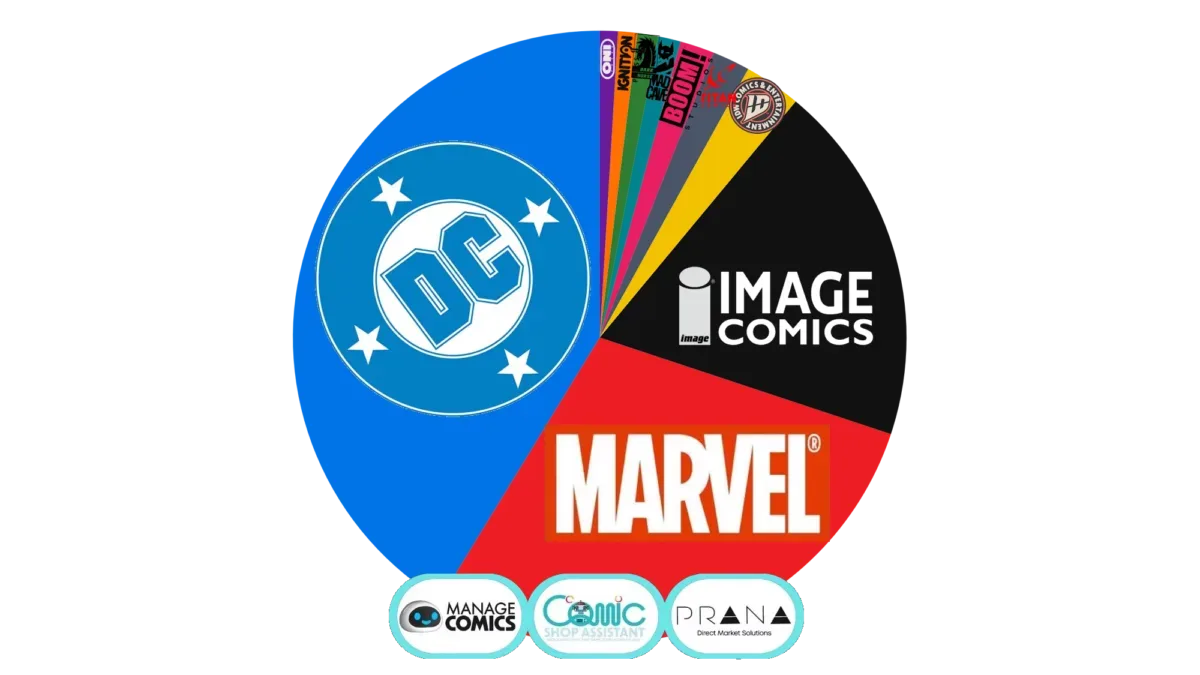
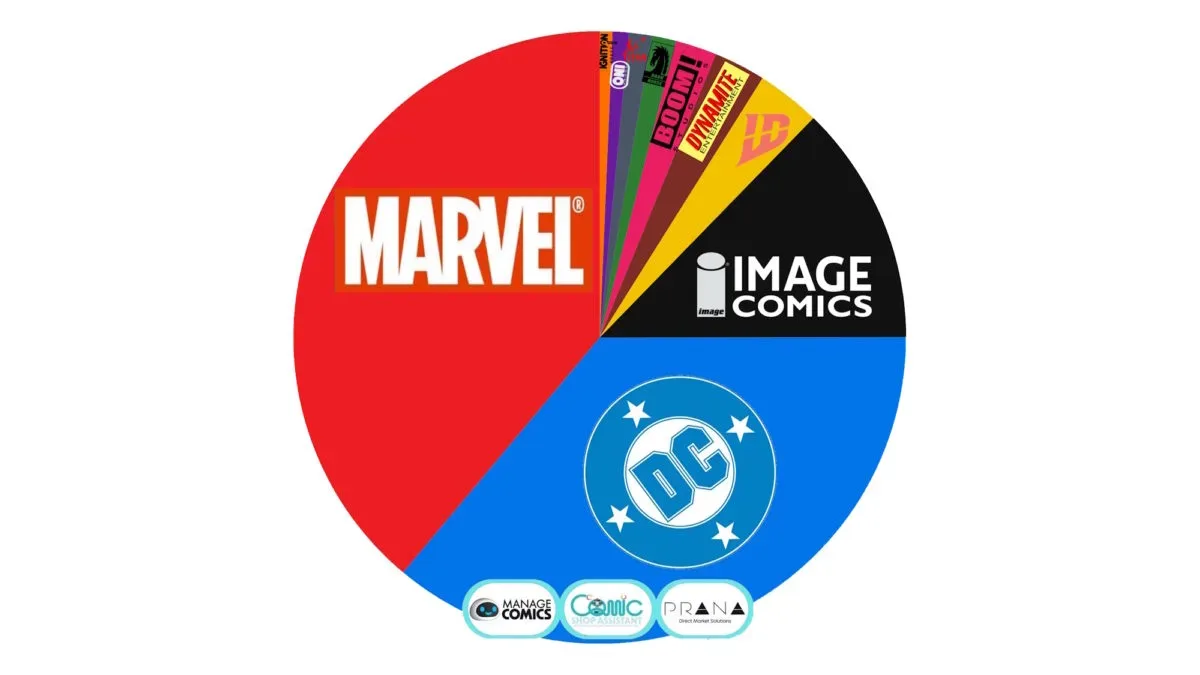
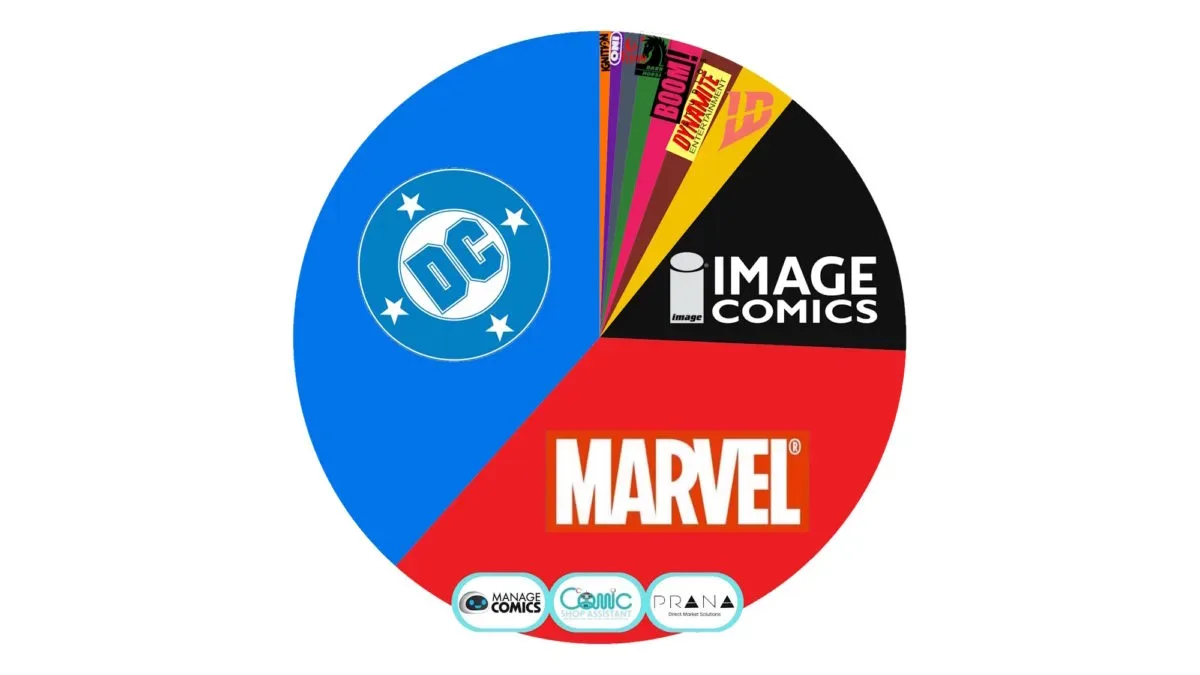
DC holds five of the top 10 slots, including the top two. Marvel holds four, and Image’s Terminal #3 supplies the remaining place. The result is not a clean sweep by one publisher, however. Marvel’s two highest-ranked entries are both issue #1s, while DC’s chart leader and runner-up are issue #24s and Absolute Flash #19 is fifth. The leading tier therefore contains both long-running continuity and conspicuous new entry points.
Absolute titles are visible well beyond the podium
The strongest pattern in the broader rankings is the continued density of DC’s Absolute line. The current issues of Absolute Batman, Absolute Wonder Woman, and Absolute Flash all land in the top five. Further down, the list includes Absolute Green Arrow #5, Absolute Cassandra Cain: The Shadows Hand #1, Absolute Superman #23, Absolute Catwoman #3, and Absolute Green Lantern #18.
The back-catalogue footprint is even more striking. Issues including Absolute Batman #23, #22, #21, #20, #19, #18, #17, #16, #15, #14, #13, #12, #11, #10, #9, #8, #7, #6, #5, #4, #3, #2, and #1 appear in the top 400. Their positions should not be confused with a complete measurement of the line’s readership, but their presence does show that readers were buying a substantial spread of earlier chapters during this reporting period.
For a comic shop, this sort of chart tail has practical implications. A top issue can generate immediate demand, but older issues can matter when readers decide to begin a series, catch up, or complete a run. The list cannot explain why any individual issue sold, and it does not show stock levels. Still, the range of older Absolute Batman entries makes the title’s weekly lead look less isolated than a single-release spike.
Fresh launches and follow-up issues share the floor
Marvel’s showing illustrates a second sales pattern: issue #1s remain highly visible, while sequel issues can also stay in the conversation. Muppets Take the Marvel Universe #1, Infernal Hulk Vs Wolverine #1, and Gambit Gone #1 all appear in the top 10. Other Marvel launches in the ranking include Marvel Mangaverse: Ghostlocke #1, Challenges of Doom: Spider-Man #1, Marvel Zombies War Zone #1, and What If X-Men #1.
At the same time, Miles Morales: Spider-Man #2 ranks sixth, and the list contains continuing issues such as Wolverine #28, Daredevil #7, Avengers Armageddon #4, Punisher Vs Spider-Man #3, Uncanny X-Men #35, and X-Men #37. The evidence does not support declaring a universal preference for launches over ongoing series. It does show a weekly shelf where both formats had room to perform.
The broader chart is similarly varied in publisher and genre signals. Image places Terminal #3 in the top 10, followed by titles including Last Driver #2, D’orc #8, Void Rivals #34, Universal Monsters: Blood of the Wolf Man #4, and Transformers #36. Other publishers are represented near the upper reaches by Boom’s Hellraiser Resurrections – Hell’s Council #1, Titan’s Gun Honey: Doubles Down #4 and Conan the Barbarian: Tides of the Tyrant King #1, IDW’s Star Trek 2026 #1, and Mad Cave’s Escape From New York: Escape From Chicago #1.
Why older issues on a weekly chart deserve attention
Weekly retail charts are often read as a race among newly released books. This one argues for a wider reading. Thor #801, Last Driver #2, DNX #1, Absolute Green Arrow #5, and Absolute Cassandra Cain: The Shadows Hand #1 all sit immediately after the top 10. Earlier installments of current stories are everywhere further down the list: Terminal #1 and #2, Punisher Vs Spider-Man #1 and #2, Absolute Wonder Woman #21 through #23, Universal Monsters: Blood of the Wolf Man #1 through #3, and more.
“Backlist” in this context simply means previously released issues or editions that continue to sell after their initial release window. The chart does not identify every purchase motive, and it should not be used to claim that all these books were reordered in the same way. But it does demonstrate that older single issues were active in the participating stores’ sales data, rather than vanishing once the next release arrived.
That is useful for readers as well. A prominent #1 may be a convenient invitation, but the positions of #2s, #3s, and much older issues indicate that starting late does not necessarily mean being alone at the shelf. Retail demand for earlier chapters can coexist with demand for the newest installment, especially in a lineup with many interlinked or parallel series.
How to read this week without overreading it
- Strong evidence: Absolute Batman #24 led this participating-store chart for September 22–29, with a clear relative gap over the second-place book.
- Strong evidence: DC, Marvel, Image, and a range of other publishers all appear across the rankings.
- Strong evidence: numerous earlier issues, particularly from the Absolute line, recorded enough activity to make the top 400.
- Not established here: exact copies sold, total revenue, print quantities, digital sales, or collector value.
- Not established here: whether a title’s rank came from new-reader interest, reorders, completists, local demand, or any other single cause.
The headline is straightforward: Absolute Batman #24 was the week’s biggest book in the reported data. The more interesting detail is that the chart does not behave like a one-week-only scoreboard. New Marvel launches reached the highest tier, DC’s Absolute books dominate much of the visible field, and earlier issues across several series remained part of active comic-shop buying.
For a medium built one issue at a time, that may be the real story: the newest comic can take first place while a long trail of prior chapters continues doing meaningful work at the register.