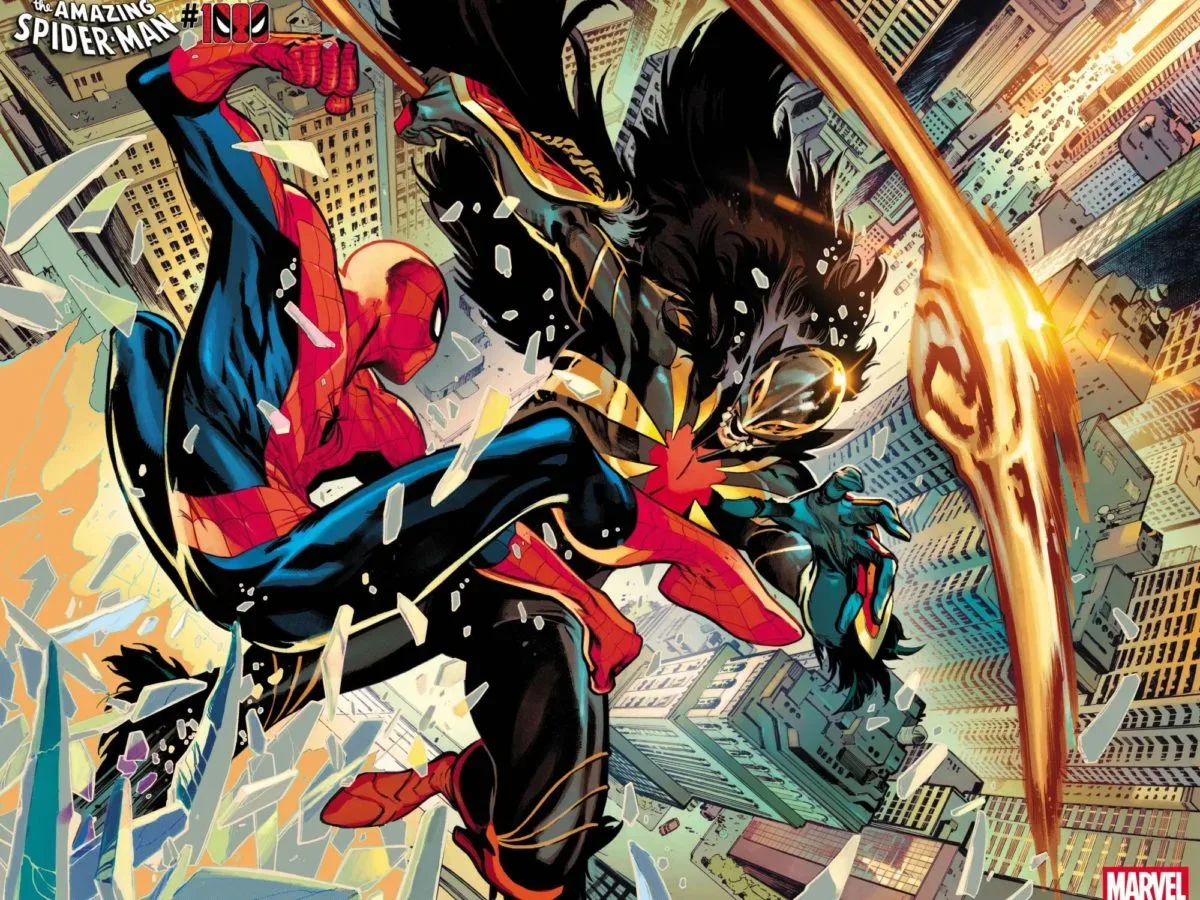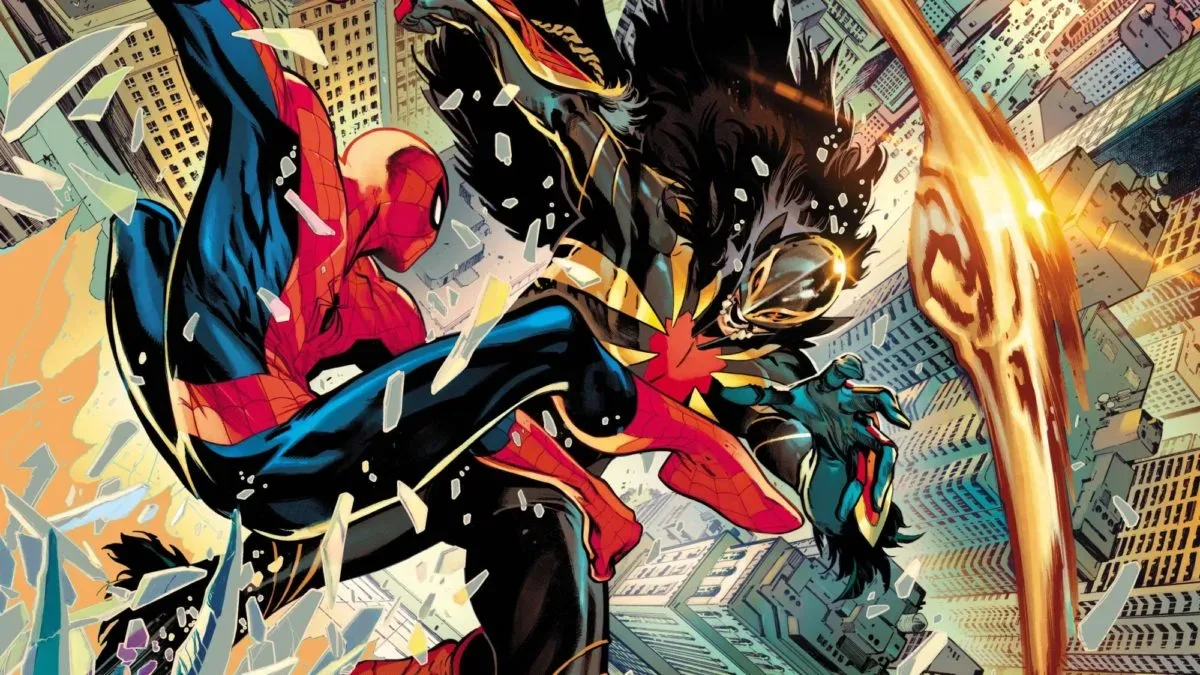
Amazing Spider-Man #1000 was the clear commercial outlier in a new comic-shop sales ranking, taking the No. 1 spot by an enormous margin over every other book listed. The Marvel issue is set as the chart’s 100% benchmark, while the next closest reported figure, The Amazing Venom #1, stands at 18.75%.
That is a striking gap, but it needs to be read correctly. The supplied rankings use dollar ratios, not disclosed unit sales and not percentage shares of the whole comic market. In practical terms, Amazing Spider-Man #1000 is the comparison point: its sales value is represented by 100, and the percentage beside another issue shows its sales value relative to that leader. The 18.75% attached to The Amazing Venom #1 therefore indicates a reported dollar total under one-fifth of the Spider-Man milestone’s total, rather than 18.75% of all comics sold.
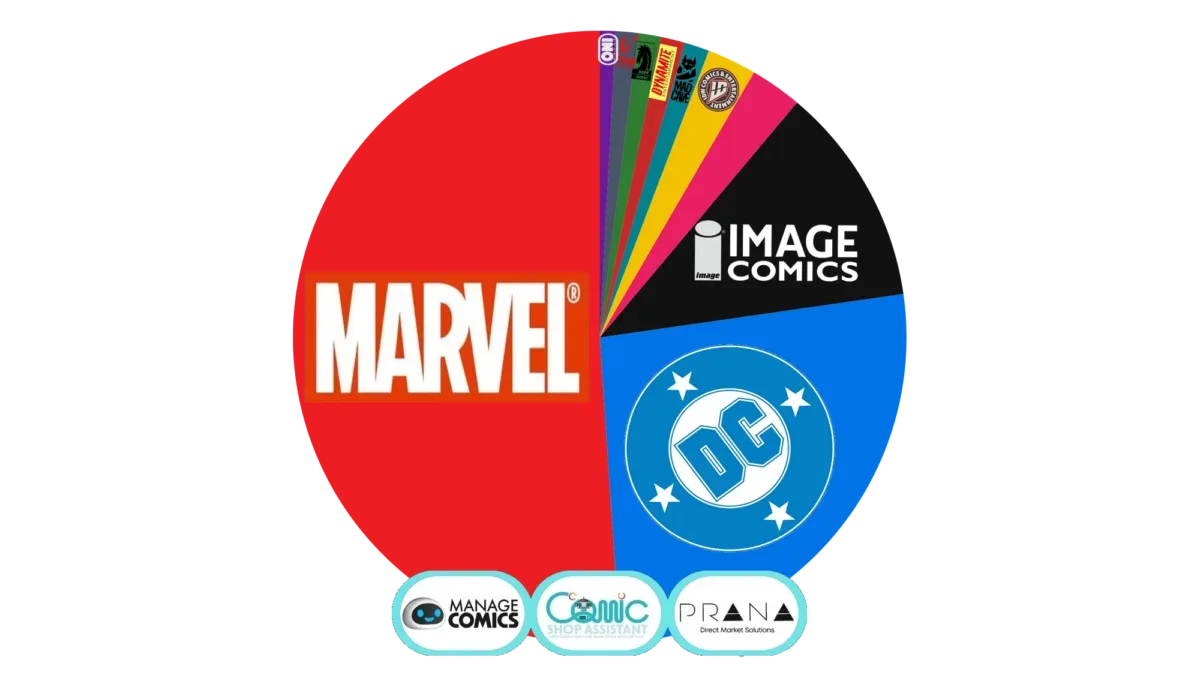
The list is based on point-of-sale data from more than 600 comic stores using the Manage Comics and Comic Shop Assistant systems. That makes it a useful view of sales through participating specialty retailers, while also setting clear boundaries on what the figures can establish. It is not a full census of every comic book retailer, and the data provided does not show copies sold, cover prices, revenue totals, print runs, returns, or a breakdown by individual cover edition.
A milestone issue takes the week decisively
On the available figures, Amazing Spider-Man #1000 did more than simply finish first. It created a major separation between the top slot and an otherwise competitive upper tier. The nearest reported titles were The Amazing Venom #1 at 18.75%, Absolute Batman #24 at 17.95%, DNX #2 at 17.71%, and Alien Vs. X-Men #1 at 17.19%.
Behind them, Fantastic Four #17 reached 14.37%, X-Men #38 reached 14.27%, while Poison Ivy #48 and Uncanny X-Men #36 were both listed at 13.35%. Queen in Black #5 rounded out the reported top 10 ratios at 11.77%.
Those results point to two different stories within the same chart. First, Amazing Spider-Man #1000 had a sales week in a class of its own. Second, the titles immediately below it were tightly packed. The difference between Absolute Batman #24 and Alien Vs. X-Men #1, for example, is less than one percentage point on the stated index. In a ranking this compressed, even small changes in sales value can affect several positions.
What a dollar ratio measures
A dollar ratio compares sales value, rather than necessarily comparing the number of individual comics bought. This distinction matters particularly for comic-shop charts, where issue prices, special editions, and cover variants can differ. A book can generate a stronger dollar total without the data proving it sold the most individual copies; equally, high unit sales do not automatically translate into the highest dollar total if another item carries a higher price.
Because the supplied data includes neither pricing nor unit counts, it cannot answer why Amazing Spider-Man #1000’s value was so much higher, or quantify how many copies separated it from the rest of the field. What it can support is narrower, but still notable: among the tracked participating stores, the issue’s reported sales dollars were far above those of the other listed books.
For readers following comics in digital formats as well as print, the result also underlines the continuing importance of specialty-shop reporting as a separate measure from app readership. The distribution model and sales data in a direct-market chart are different from a digital subscription or storefront audience. That distinction is especially relevant as publishers pursue new reading platforms, including the changes discussed in Marvel’s Webtoon-powered comics app plans.
Marvel fills much of the top end
Marvel’s strength was broad, not limited to the No. 1 book. In addition to Amazing Spider-Man #1000, its titles occupy several early positions: The Amazing Venom #1, DNX #2, Alien Vs. X-Men #1, X-Men #38, Fantastic Four #17, Uncanny X-Men #36 and Queen in Black #5 all appear among the opening 10 entries.
The larger 400-title listing reinforces that breadth. Marvel books represented include ongoing character series such as Venom #262, Wolverine #28, Daredevil #7, Thor #801, Captain America #15 and Iron Man #9; Spider-Man-adjacent books including Miles Morales: Spider-Man #1 and #2, Spectacular Spider-Man: Brand New Day #5, Punisher Vs. Spider-Man #3 and Spider-Man: Long Way Home #3; and event or crossover-style titles such as Godzilla Conquers the Multiverse #3, Predator Vs. the Planet of the Apes #3 and Muppets Take the Marvel Universe #1.
There are also numerous Marvel No. 1s further down the ranking, including Challenges of Doom: Spider-Man #1, Gambit Gone #1, Infernal Hulk Vs. Wolverine #1, Midnight Spider-Man #1 and Marvel Zombies: War Zone #1. A No. 1 issue does not guarantee a top placement—some appear well below continuing series—but the overall list shows Marvel with a sizable range of active franchise lines in the sampled shops.
It would be a mistake, though, to transform that observation into a precise market-share claim. The list does not provide publisher totals, total dollars, or a count of issues by publisher. It does show that Marvel’s books were repeatedly present across the ranking, with its Spider-Man and X-Men-related output particularly visible near the top.
DC’s showing: one top-four book, a long tail of recognizable series
DC’s highest listed entry is Absolute Batman #24 at No. 4, with a 17.95% dollar ratio. That puts it narrowly ahead of DNX #2 and Alien Vs. X-Men #1, though still dramatically behind Amazing Spider-Man #1000 under the chart’s benchmark.
DC’s next reported top-10 presence comes from Poison Ivy #48 at No. 8. The publisher then appears regularly throughout the ranking with Superman Kingdom of Zod Special #1, Zatanna (2026) #6, Wonder Woman 2026 Annual: Wonder War – The Matriarch Special #1, Absolute Wonder Woman #24, Absolute Green Arrow #5, Absolute Flash #19 and Absolute Cassandra Cain: The Shadow’s Hand #1 among the books closer to the front.
The extent of the Batman-family presence is hard to miss across all 400 positions. Along with Absolute Batman #24, the ranking contains Batman #13, Detective Comics #1113, Batman & Robin: Year One – Dynamic Duos #2, Nightwing #142, Catwoman #91, Harley Quinn #66, Batwoman #7, Batman/Superman: World’s Finest #55 and multiple earlier issues of Absolute Batman. That last detail is important: a sales chart can include more than the newest issue as stores sell through or replenish back issues. The presence of earlier numbered installments should not be read as proof they were newly released during the measured period.
The same applies to the multiple entries in the various Absolute lines. The list includes Absolute Batman issues from #1 through #24, plus Absolute Superman, Absolute Wonder Woman, Absolute Flash, Absolute Green Arrow, Absolute Green Lantern and Absolute Catwoman issues. Their broad representation demonstrates sustained catalog visibility in the participating stores, but the supplied information does not identify whether each entry reflects new sales, restocks, or another transaction pattern captured by the point-of-sale system.
Image, licensed comics and the value of a deep 400-book chart
While Marvel and DC supply much of the superhero-heavy upper ranking, other publishers have meaningful placements. Image’s Geiger #25 is No. 16, followed by Hammerfist #2 at No. 19 and Spawn #379 at No. 28. Image’s additional appearances include Hyde Street #13, Universal Monsters: Blood of the Wolf Man #4, Terminal #3, Void Rivals #34, Transformers #36, G.I. Joe #26, King Spawn #59, Feral #26, Witchblade #25 and Invincible Universe: Battle Beast entries.
That range matters because it shows the chart is not solely an index of the two largest superhero universes. The upper and middle portions include titles from Boom, Dark Horse, Dynamite, IDW, Mad Cave, Oni, Titan, Vault, Udon, Ablaze, Tokyopop, Rebellion and other publishers. The lineup includes Hellraiser Resurrections books from Boom, Conan the Barbarian #35 from Titan, Sonic the Hedgehog #90 from IDW, Adventure Time Halloween Special #1 from Oni, and Dungeons & Dragons: Ravenloft #1 from Dark Horse.
Licensed and crossover projects are also prominent. The chart features Sonic the Hedgehog X Godzilla, Star Trek, Teenage Mutant Ninja Turtles, G.I. Joe, Transformers, Power Rangers, Ben 10, Mega Man, Street Fighter, Thundercats, Gargoyles, Masters of the Universe and The Nightmare Before Christmas. Their presence does not tell us whether any particular license drove a purchasing decision, but it does demonstrate the variety of properties represented in the specialty-comic retail channel.
A 400-position chart is valuable for that reason. A top-10 list would capture the Spider-Man #1000 headline and little else. The longer ranking reveals that readers and retailers were buying a mixture of milestone superhero issues, new No. 1s, longer-running series, specials, crossovers, horror books, creator-driven titles and nostalgia-facing licenses.
How to read the dates carefully
The supplied information links the results to the period from September 29 through October 5, 2026. It also describes the same chart as covering “the month of June 2026.” Those statements conflict, and no explanation is included to reconcile them.
The most responsible reading is therefore to treat the calendar labeling as uncertain rather than silently choosing one date range over the other. The rankings, publisher names and reported ratios are clear enough to establish the chart’s ordering. The exact reporting window, however, should be treated with caution until the underlying dataset is clarified.
What the ranking does—and does not—tell comic readers
For a comic reader deciding what this means, the immediate takeaway is simple: Amazing Spider-Man #1000 had exceptional measured sales value in the participating comic shops, and Marvel placed many books near the top. The data can also help readers spot series that were visible during the same period, from Geiger and Spawn to Poison Ivy, Sonic the Hedgehog and Transformers.
It cannot determine whether the No. 1 issue is the best story, the most critically acclaimed book, or the one that will matter most to an individual reader. Sales rankings measure purchasing activity, not narrative quality. Nor do they establish long-term demand or collectibility. A single reporting period is a snapshot, especially when the leading item is a landmark-numbered issue that may be subject to buying patterns not shared by a routine monthly installment.
Finally, the 100% label should be read as a useful headline-making baseline, not as an assertion that Amazing Spider-Man #1000 accounted for all comic-shop sales. The story of this chart is dominance relative to the other ranked books: the Web-Slinger’s No. 1000 issue stands far above a crowded field in which Marvel, DC, Image and a broad group of publishers all still placed titles across the full 400-book list.