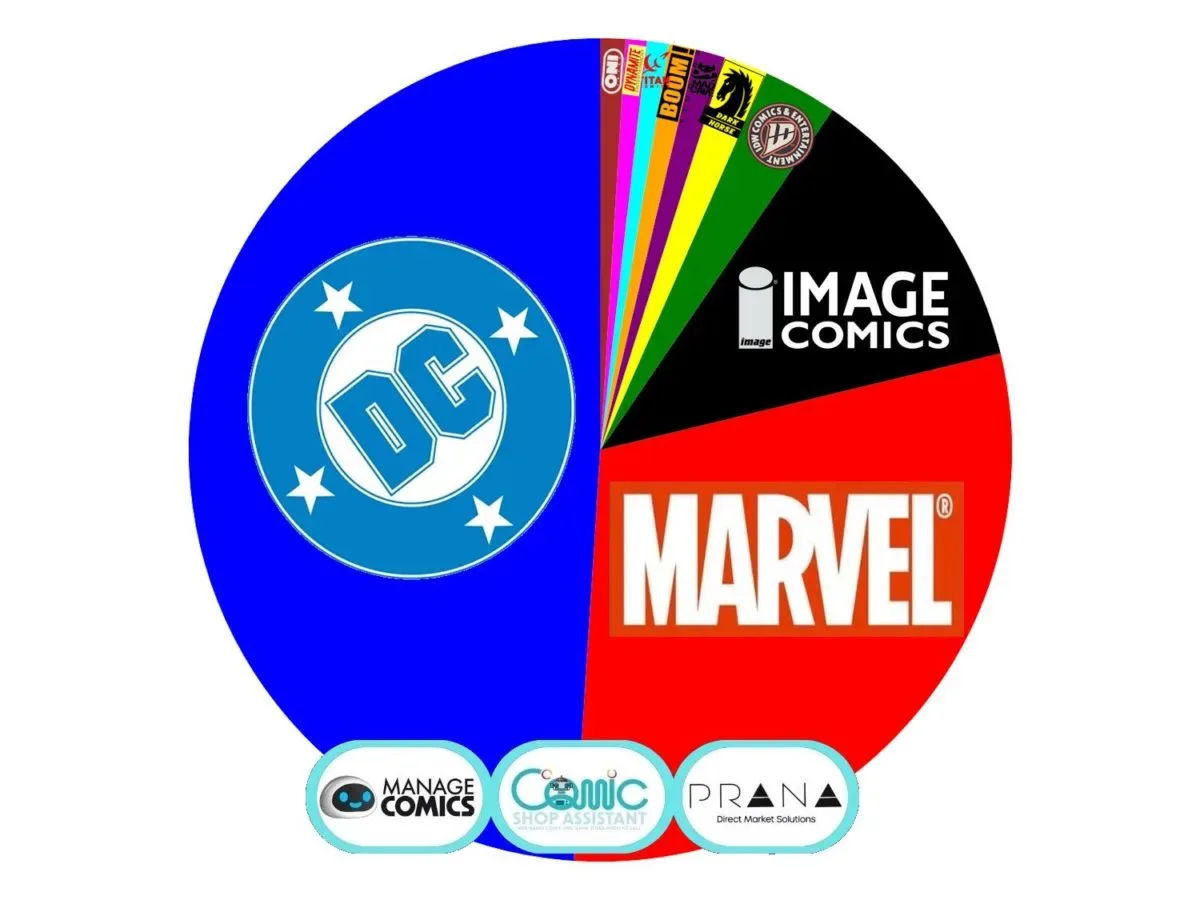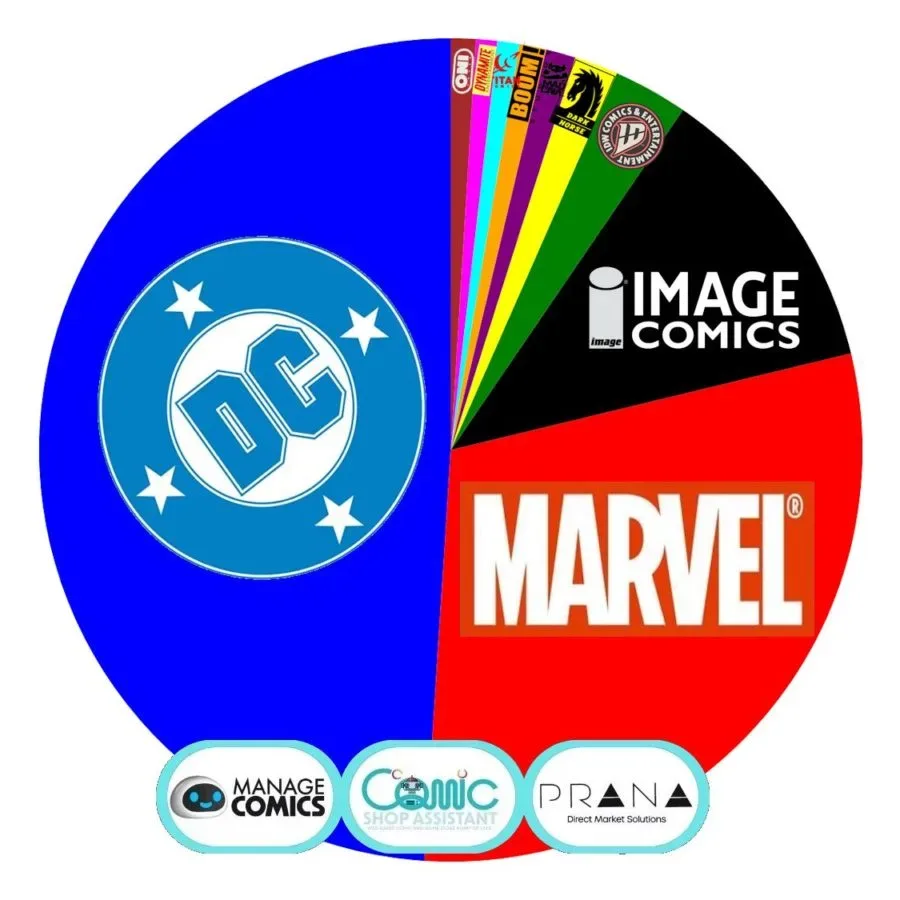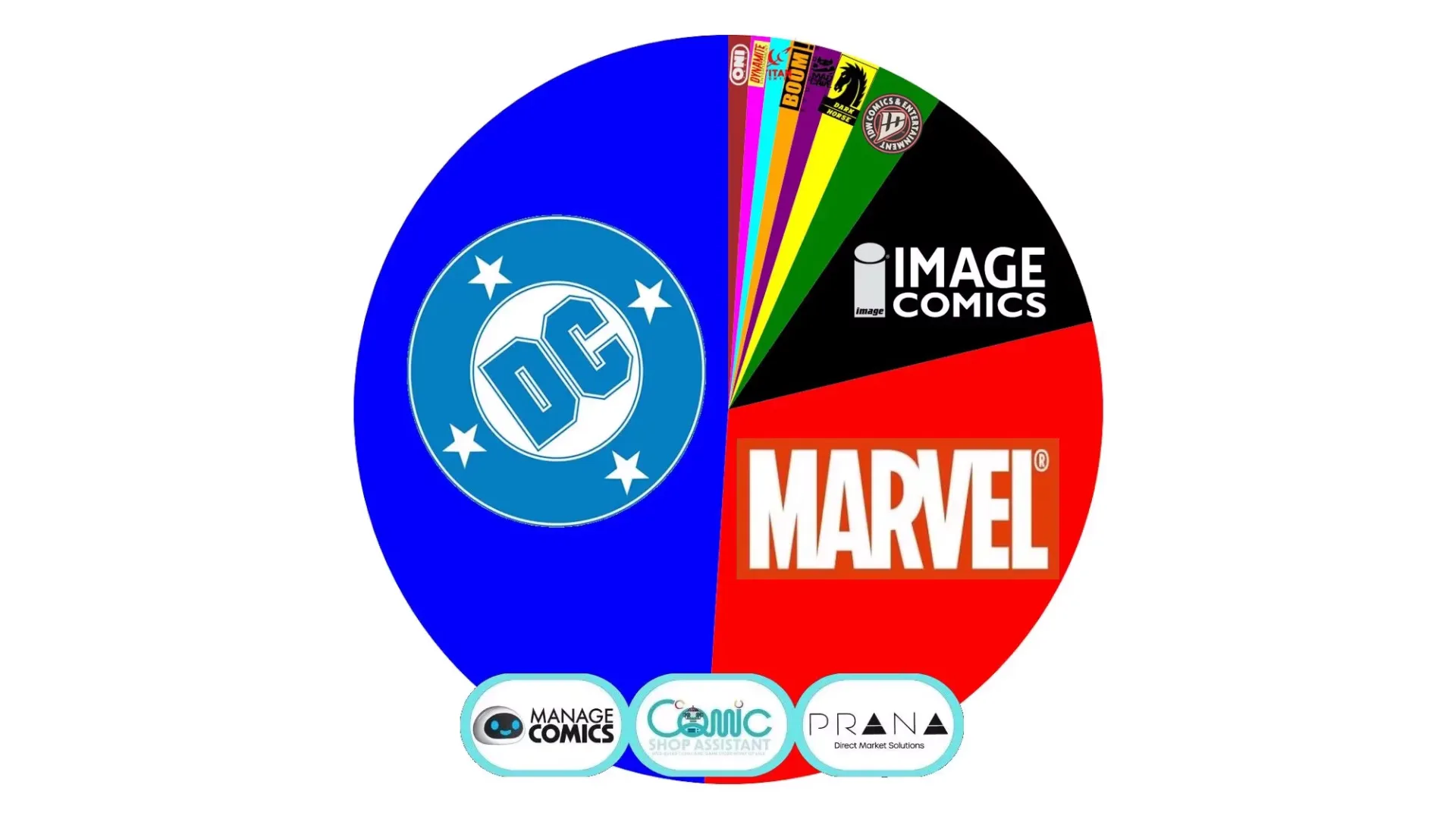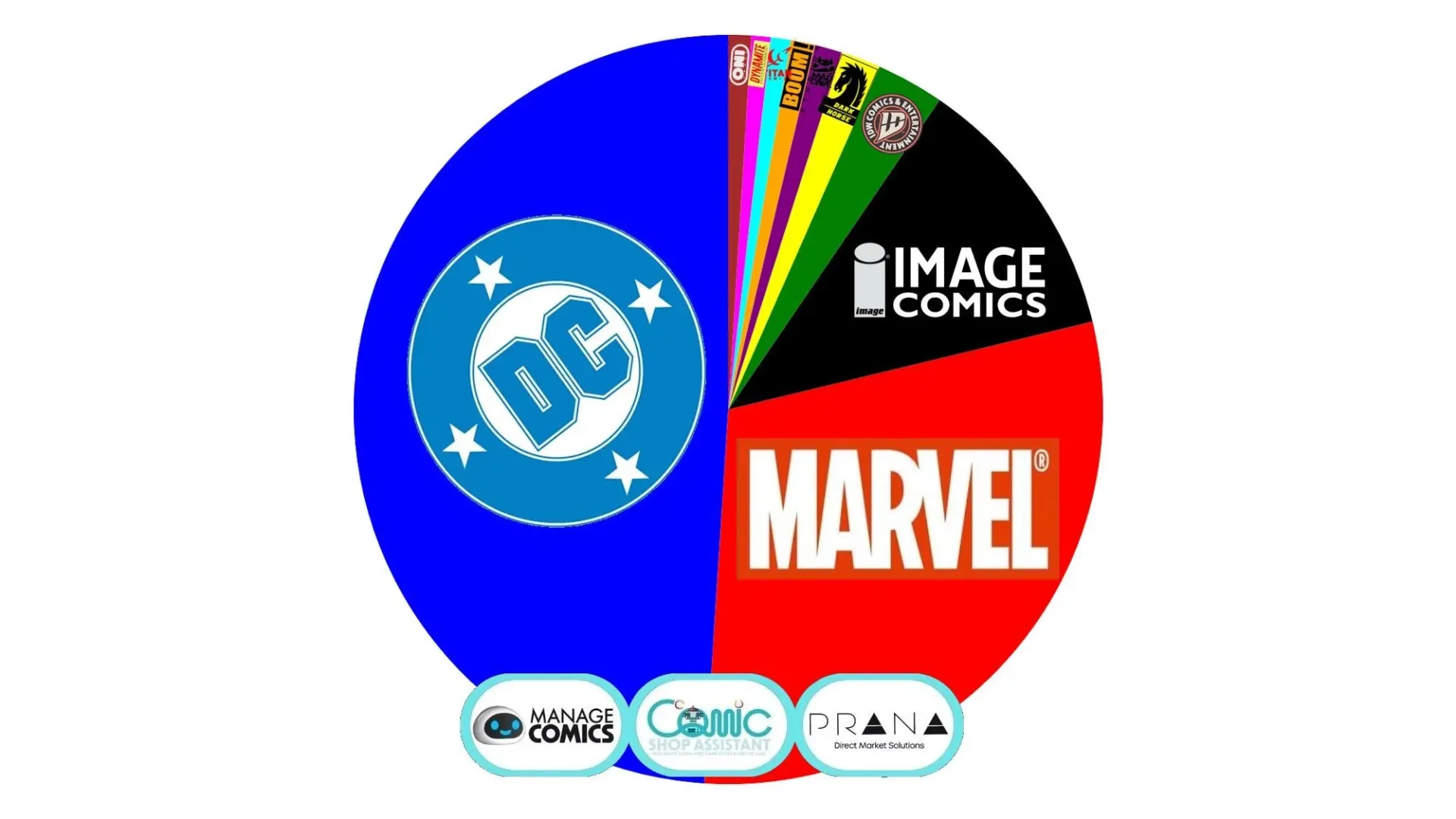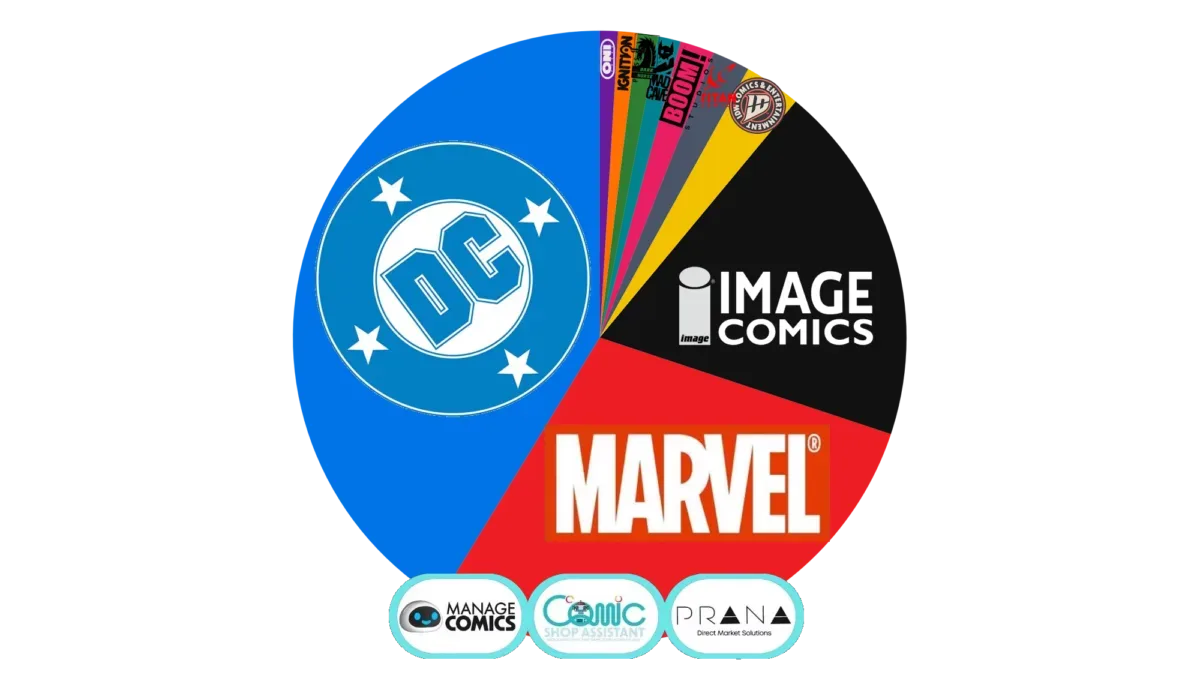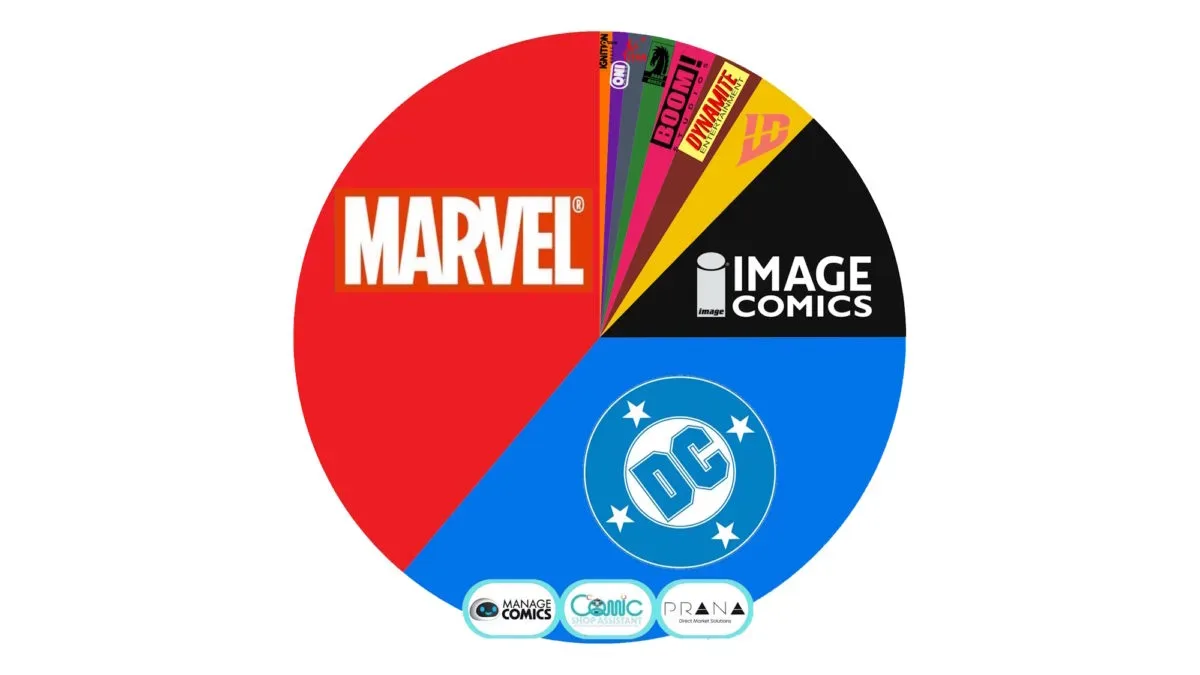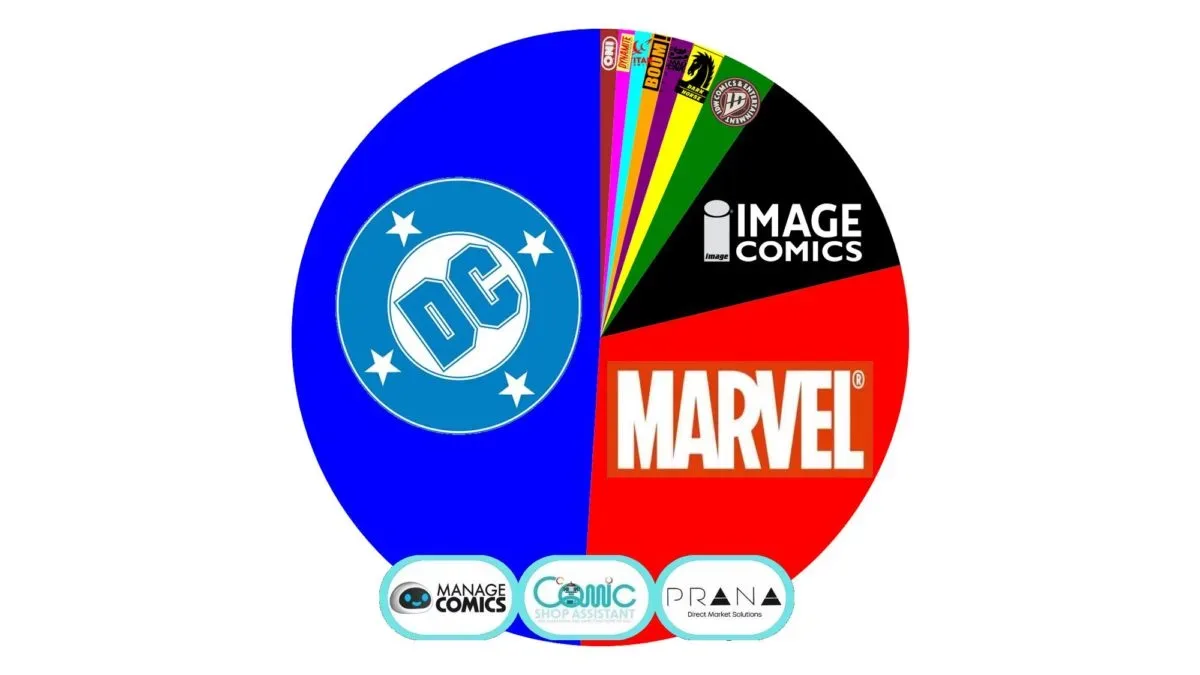
DC had a huge week in tracked comic-shop sales from October 27 through November 2, taking almost 50% of the measured direct-market publisher share. The standout was Absolute Batman #25, which led the weekly comic sales chart and helped push several other DC books into the conversation at the same time.
Marvel was the week’s second-largest publisher at 29.79% of the tracked market, followed by Image at 11.70%. DC placed four titles in the Top 10, making this more than a one-book result even if Absolute Batman #25 was clearly the major driver.
A Batman-sized week for DC
Weekly market-share results can move sharply when a high-profile issue arrives, and this is an especially clear example. A publisher approaching half of all tracked comic-shop sales in a single week is notable on its face. It also underscores the pull of a recognizable character when a particular release becomes a must-order issue for retailers and a must-have book for readers.
Absolute Batman #25 did not merely take the top slot. The strong week also extended to Absolute Wonder Woman, DC All In Saga, and The Dark Realm Special. That matters because a market-share surge is more meaningful when readers’ attention reaches beyond one individual comic. In this case, the data indicates that DC’s wider line benefited during the same sales window.
That does not prove every one of those titles sold because of Absolute Batman #25. Comic-shop purchases are shaped by release timing, subscriber pull lists, retailer ordering decisions, variant cover demand, story arcs, and readers trying related books. Still, the week’s rankings show DC had multiple titles converting that attention into sales.
What the market-share figure means—and what it does not
“Market share” here describes each publisher’s portion of sales captured in the reporting sample for one Monday-to-Sunday period. It is a useful snapshot of direct-market comic-shop activity, rather than a definitive census of every comic sale everywhere.
The figures come from point-of-sale, or POS, information collected through Manage Comics and Comic Shop Assistant systems. POS data records purchases at the store level. That is different from a distributor-order chart: it is designed to reflect sales moving through participating shops during the measured week.
The sample covers more than 600 stores. That is substantial coverage, but it is still only part of the estimated 1,800 to 2,000 shops that order through the direct market. Results should therefore be read as a strong view of participating retailers, not an exact statement about every store, every format, or every channel where comics can be purchased.
The distinction is important for fans who see a percentage and immediately treat it as a permanent league table. A weekly share is sensitive to what came out that week. A landmark issue, a heavily anticipated debut, or a release calendar with fewer competing books can change the proportions quickly. The result is real within the sample, but it is not automatically a prediction of the next week or a verdict on the entire year.
How the publishers lined up
- DC: almost 50% of the tracked weekly market, with Absolute Batman #25 at No. 1 and four DC books in the Top 10.
- Marvel: 29.79% of the tracked weekly market, finishing second among publishers.
- Image: 11.70% of the tracked weekly market, placing third.
Even without exact percentages for every publisher, the shape of the week is plain: DC’s lead was unusually wide, Marvel remained a major part of the comic-shop market, and Image held a meaningful third-place share. The remaining portion was divided among other publishers represented in the direct market.
Why issue #25 can be a powerful sales moment
Issue numbers can carry their own commercial weight. A #25 is a clean, visible milestone for a continuing comic: easy for stores to promote, easy for readers to identify, and potentially appealing to collectors who want a recognizable point in a run. That does not mean every twenty-fifth issue becomes a chart leader, but it can give an already high-interest series another reason to command attention.
For retailers, a major issue can concentrate demand into one release week. Stores have to judge how much stock to bring in before seeing final walk-in demand, while regular subscribers may already have copies reserved. A strong launch can create a healthier week across a publisher’s shelf presence, particularly if shoppers add adjacent titles while they are in the store.
For readers, the practical takeaway is less about treating the chart as a shopping list and more about understanding the environment behind it. A dominant issue can be difficult to find at some shops during its release window, while related titles may be more visible because retailers expected broader interest around the line. Availability will vary store by store, and the weekly numbers do not establish the long-term rarity or collector value of any individual comic.
A direct-market result, not a whole-entertainment scoreboard
Comic characters increasingly exist across comics, films, television, games, merchandise, and restaurant promotions, but this report is specifically about comic-shop sales in the direct market. It should not be used to claim which publisher has the biggest total entertainment audience or the strongest licensing business.
That broader superhero ecosystem can be seen in items such as a recent Doctor Doom and Avengers promotional collaboration, but that is a separate commercial category from the POS figures here. The useful point is simply that comics operate within a much wider pop-culture landscape; the sales data in this case measures the narrower question of what participating comic shops sold during one week.
What to watch after a spike like this
The next weekly report will show whether DC’s near-half share was a one-week event tied mainly to Absolute Batman #25 or whether heightened interest carries into later releases. The follow-through for Absolute Wonder Woman, DC All In Saga, and The Dark Realm Special may be especially worth watching, since their presence alongside the chart leader suggests DC had more than one book connecting with customers in the same period.
Marvel’s 29.79% also provides an important baseline: despite DC’s commanding week, Marvel retained nearly three tenths of the measured market. Image’s 11.70% demonstrates that the weekly field was not solely a two-publisher story, even though the gap at the top was substantial.
For now, the headline is straightforward. Absolute Batman #25 was the week’s biggest comic-shop seller, and the book helped DC capture almost half of the sales represented by the participating-store data. It is a striking weekly performance—and a reminder that a major Batman release can still reshape the comic-shop chart in a hurry.