Some hardware becomes beloved because it solves one clean problem brilliantly. Other hardware becomes unforgettable because it attempts to solve every problem in the living room at once, then leaves everybody wondering which remote they are supposed to pick up. Sony’s PSX belongs emphatically in the latter camp.
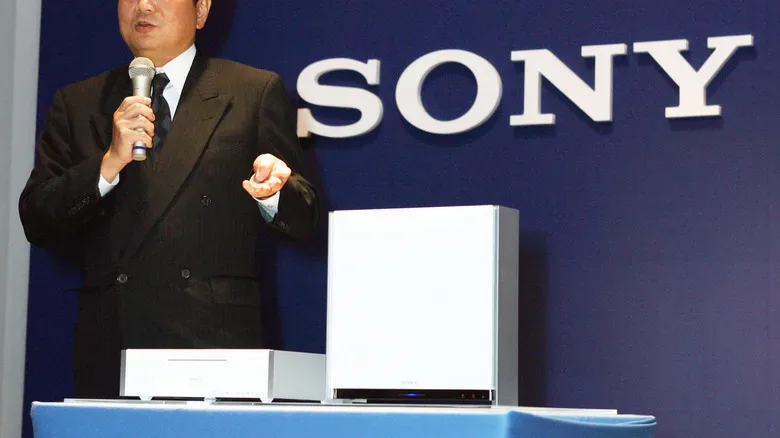
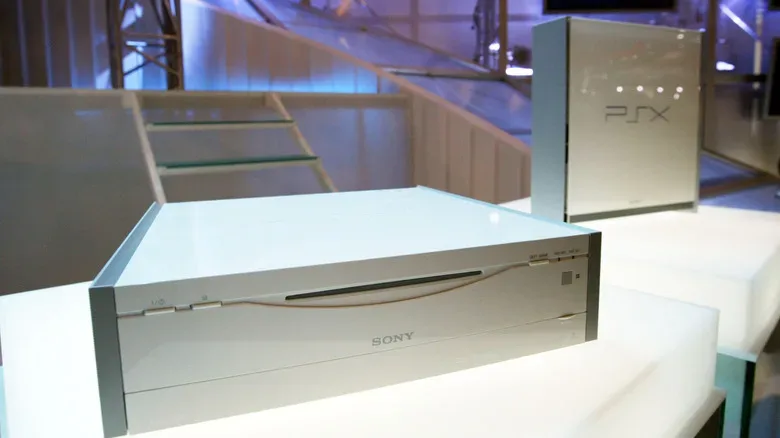
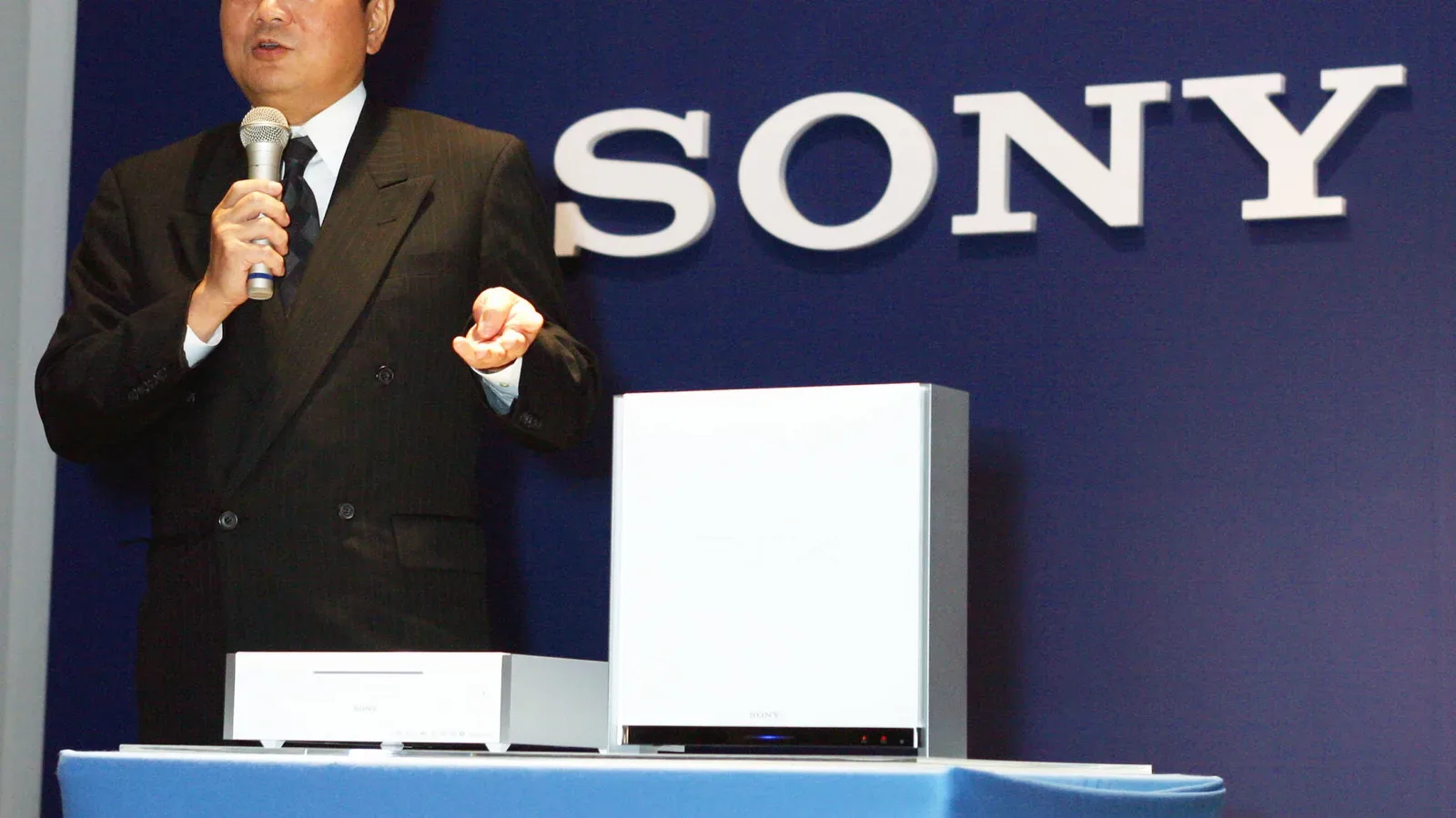
Released only in Japan in December 2003, the PSX was a remarkably ambitious hybrid: a PlayStation 2, digital video recorder, DVD recorder, TV-tuner-equipped media machine, and, eventually, a broadband-capable device. Its hard drive capacity was substantially more generous than the stock PS2 setup, and its interface introduced a design language that would become closely associated with later Sony hardware. Yet the PSX was discontinued in early 2005, after less than two years on the market.
That outcome does not make the PSX uninteresting. Quite the opposite. It is one of the stranger and more revealing artifacts from the PlayStation 2 era: an expensive box built around the then-popular idea that one piece of consumer electronics could become the center of a home’s entertainment universe. For retro PlayStation fans and hardware collectors, it is a reminder that a machine can be technically impressive, historically important, and commercially unsuccessful all at once.
What the PSX actually was
The PSX was not merely a special-edition PS2. It was an all-in-one home-entertainment system that included the ability to play PlayStation 2 and original PlayStation games while also recording television programming and burning DVDs. A built-in TV tuner made the recording features central to the concept rather than an afterthought.
Sony sold it under the broader Sony name instead of treating it as a conventional PlayStation-branded console. That distinction matters. The system’s identity was less “next PS2 model” and more “premium digital recorder that happens to play PS2 games.” In theory, that gave it a formidable feature list. In practice, it complicated the simple question buyers ask before opening their wallets: what exactly is this for?
Two storage configurations were offered:
- A model with a 160GB hard drive
- A model with a 250GB hard drive
Those capacities were notable in the period. The standard PS2 did not arrive with a native internal hard drive as part of its usual retail configuration, though compatible users could add one through the console’s expansion bay. The PSX instead came ready to store recorded programming, reinforcing that it was designed around video-recording duties as much as gaming.
It could also gain broadband compatibility through a post-launch patch. Add that to PS1 and PS2 software support, DVD recording, television functions, and large internal storage, and the PSX reads like a device from an alternate early-2000s timeline where the game console, cable DVR, disc recorder, and media hub successfully merged years before streaming became the default answer to nearly everything.
The PSX’s most lasting contribution: XrossMediaBar
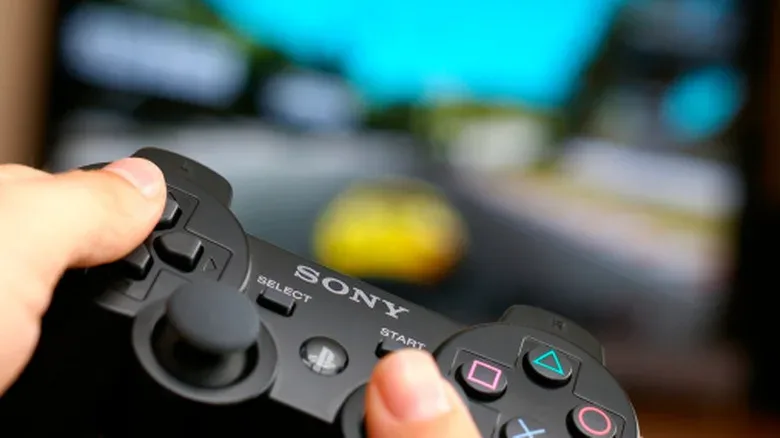
For all its commercial struggles, the PSX has an important place in Sony interface history. It was the first Sony system to use the XrossMediaBar, commonly shortened to XMB. This horizontal menu layout later became highly recognizable through the PlayStation 3 and appeared across other Sony products.
That makes the PSX an unusual kind of technological ancestor. It did not establish a giant global user base or become a defining holiday gift, but one of its core design ideas traveled onward. The machine’s visual navigation system outlived the product itself and helped shape the look of Sony’s subsequent entertainment hardware.
There is a broader lesson in that history: a product can fail without every part of it being a failure. The PSX’s combination of features may have been hard to position, but its interface was influential enough to earn a far longer life elsewhere.
Why it stayed in Japan
The PSX never received an official release outside Japan. Its television-recording purpose was a major complication. DVR products are tied to broadcasting standards, program delivery systems, and rights arrangements that vary between countries and regions. Bringing a machine built around Japanese TV recording to North America or Europe would have required extra coordination with broadcasters and regulators.
That kind of regional work is very different from simply changing a power cable, translating an instruction booklet, and shipping more consoles. The DVR element that made the PSX distinctive also made an international rollout considerably more difficult.
There was also a straightforward business reality: its domestic sales did not create an obvious case for a wider launch. The system reportedly moved 100,000 units in its launch week in late 2003, but demand then declined. Reports suggested that several hundred thousand units had shipped by March 2004, although dependable lifetime sales totals were never publicly established. Sony’s reluctance to provide detailed figures has left the final number uncertain more than two decades later.
An updated version appeared in 2004, but the PSX was subsequently phased out in early 2005. Whatever promise the product had as a high-end living-room centerpiece, it did not develop into a durable commercial category.
Price made the pitch even tougher
The PSX’s cost was one of the clearest obstacles. At launch, the 160GB version carried a price of ¥79,800, while the 250GB model cost ¥99,800. Contemporary approximate dollar equivalents were about $730 and $910, respectively.
Compare that with the PlayStation 2’s position at the same moment. In Japan, the PS2 price had fallen to roughly ¥19,800 the month before PSX launched. In the United States, the hugely successful console was around $179 by that period.
That did not make the two products identical purchases—one was a dedicated game machine, the other a broad entertainment appliance—but it made the value calculation brutal. A shopper who primarily wanted PS2 games could buy the established console for a fraction of the price. A shopper primarily interested in recording TV and burning DVDs had to decide whether the added gaming features justified paying for a costly, complicated device.
When a product’s strongest feature is also an explanation that takes several sentences, price becomes even more dangerous. “A PS2 that records television, burns DVDs, includes a tuner, has a hard drive, and is also sort of a premium media appliance” is technically exciting. It is not nearly as immediate as “PlayStation 2.”
A machine caught between departments and audiences
Accounts from 2004 also pointed to internal tensions surrounding PSX development. The product involved Sony’s game business and Blu-ray disc operation, and reports at the time described friction between those sides. The resulting device was characterized as caught between categories: not cleanly a game console and not cleanly a DVD recorder.
Even without treating that reported internal account as a complete explanation, the final product’s challenge is easy to see. The PSX sat in a crowded intersection of consumer-electronics expectations. It had to satisfy gamers accustomed to the simpler and much cheaper PS2. It had to persuade serious TV-recording users that a game-capable Sony box was the right appliance for their video library. And it had to do so while carrying a premium price and being tailored to a specific national broadcast environment.
That is a lot of jobs for one piece of hardware. Sometimes versatility feels like value; sometimes it feels like a stack of compromises housed in a very expensive shell.
PSX is not the same thing as PS1
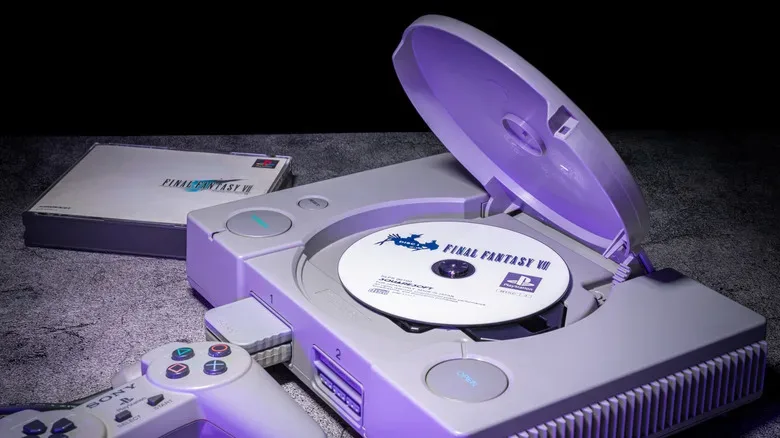
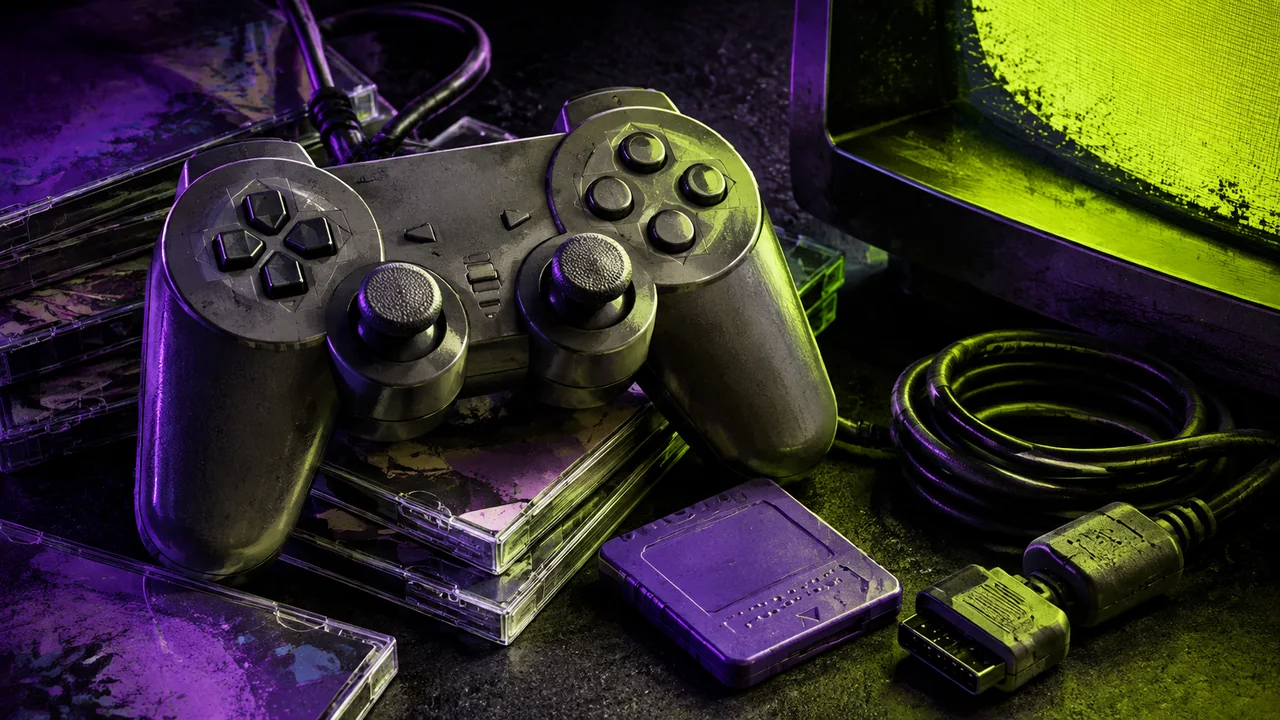
The name creates a persistent bit of PlayStation trivia confusion. PSX was an internal codename during development of the original PlayStation. Gaming press and players later adopted it as an informal shorthand for Sony’s first console. However, Sony did not market that original 32-bit system as “PSX.”
“PS1” also was not a natural label in the beginning, because there was not yet a second PlayStation requiring a numerical distinction. The slimmer redesign of the original machine eventually used the official name PS one.
So, to keep the terminology straight:
- Original PlayStation / PS1 / PS one: Sony’s first home console family, which sold 102 million units over its lifetime.
- PSX: the Japan-only 2003 multimedia system with PS2 compatibility, DVR functionality, DVD recording, a TV tuner, and a 160GB or 250GB hard drive.
The difference in commercial fortunes could hardly be sharper. One is among the defining consoles in game history. The other is a short-lived and region-specific experiment whose final sales total remains uncertain. Both names matter to PlayStation history, but they refer to radically different machines.
Why collectors still care about this oddity
The PSX is compelling precisely because it is not a standard success story. It represents a period when the industry was still testing what the game console might become: a toy, a DVD player, a networked media device, a television recorder, or all of those things combined. The eventual answer was not the PSX’s particular form, but elements of that future did emerge in later consoles and connected devices.
For anyone building a retro setup, its era also illustrates why the practical side of video connections matters. Modern display arrangements can turn an otherwise straightforward console project into an unexpectedly fussy one; this guide on extending an HDMI run without wrecking signal reliability covers a modern version of that home-entertainment problem.
The PSX remains a fascinating reminder that ambitious hardware is not automatically successful hardware. It had a substantial hard drive, an influential user interface, PS2 gaming, original PlayStation compatibility, DVR functions, DVD burning, and TV features. But its high price, difficult-to-explain purpose, regional broadcast dependencies, and uncertain internal alignment made it a machine that seemed to be aimed at several audiences without completely belonging to any of them.