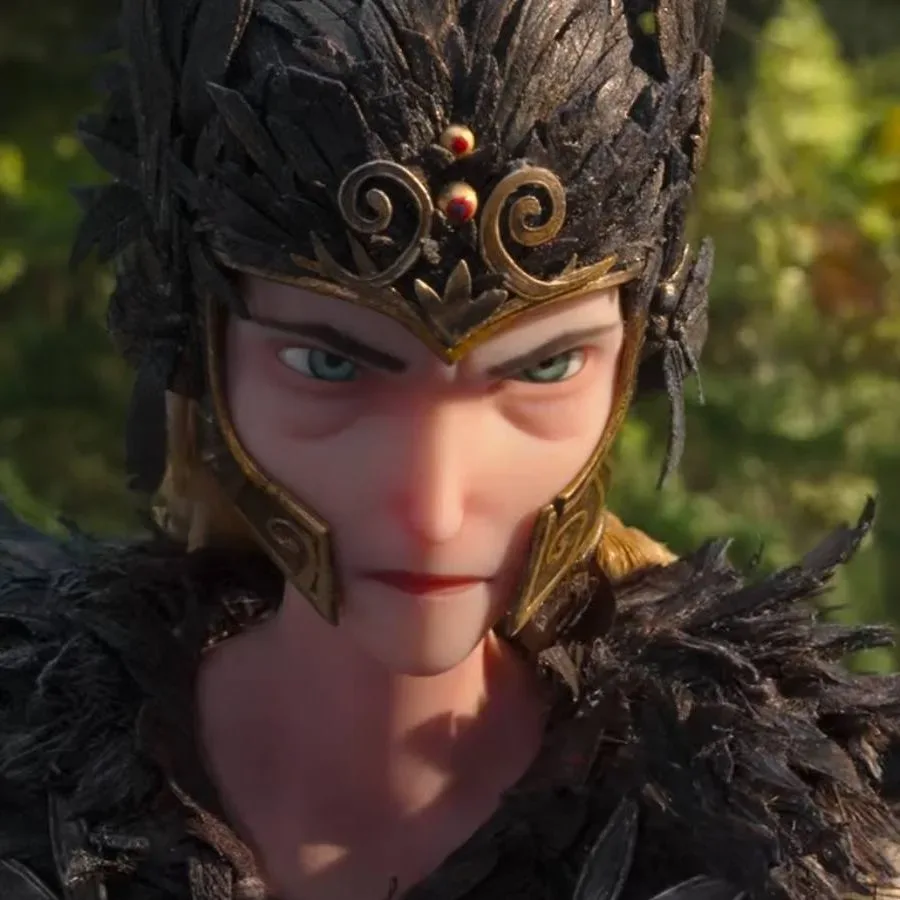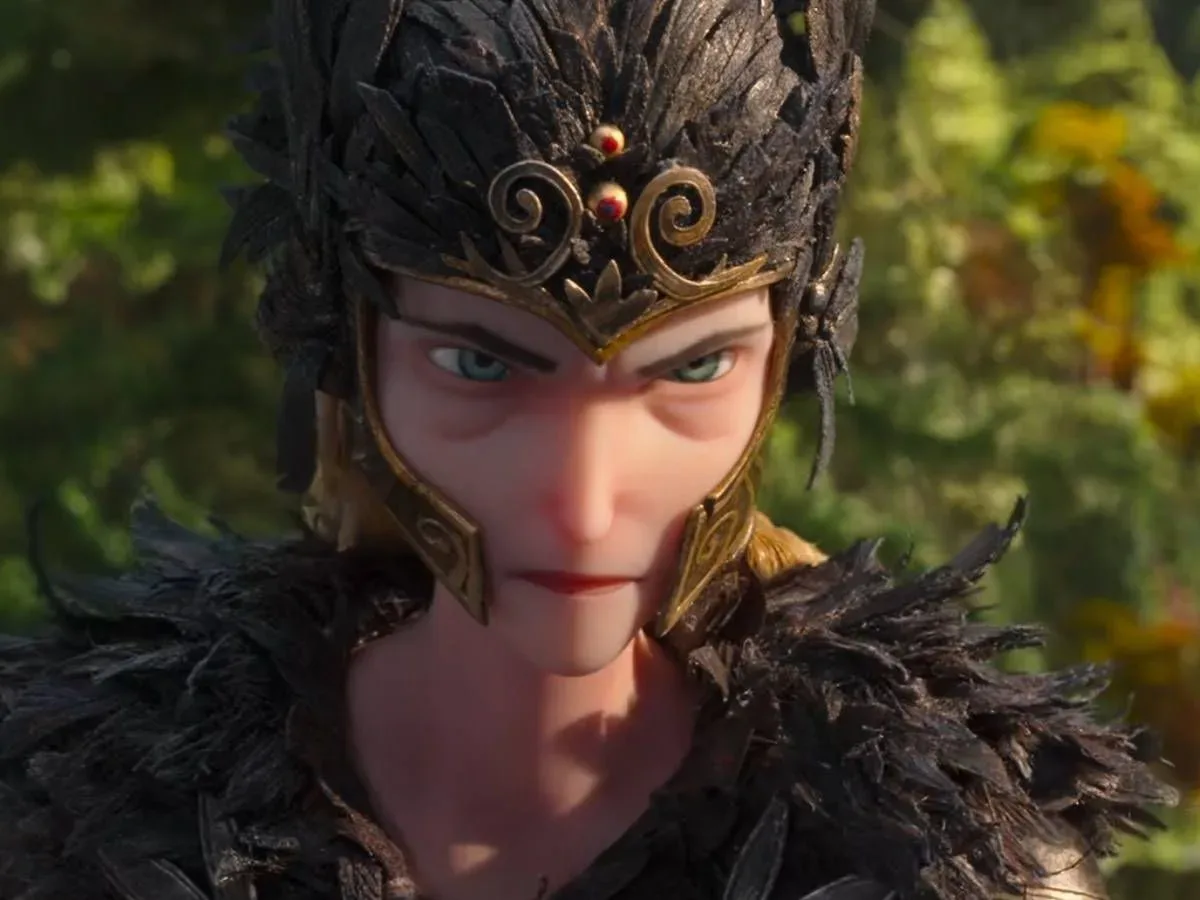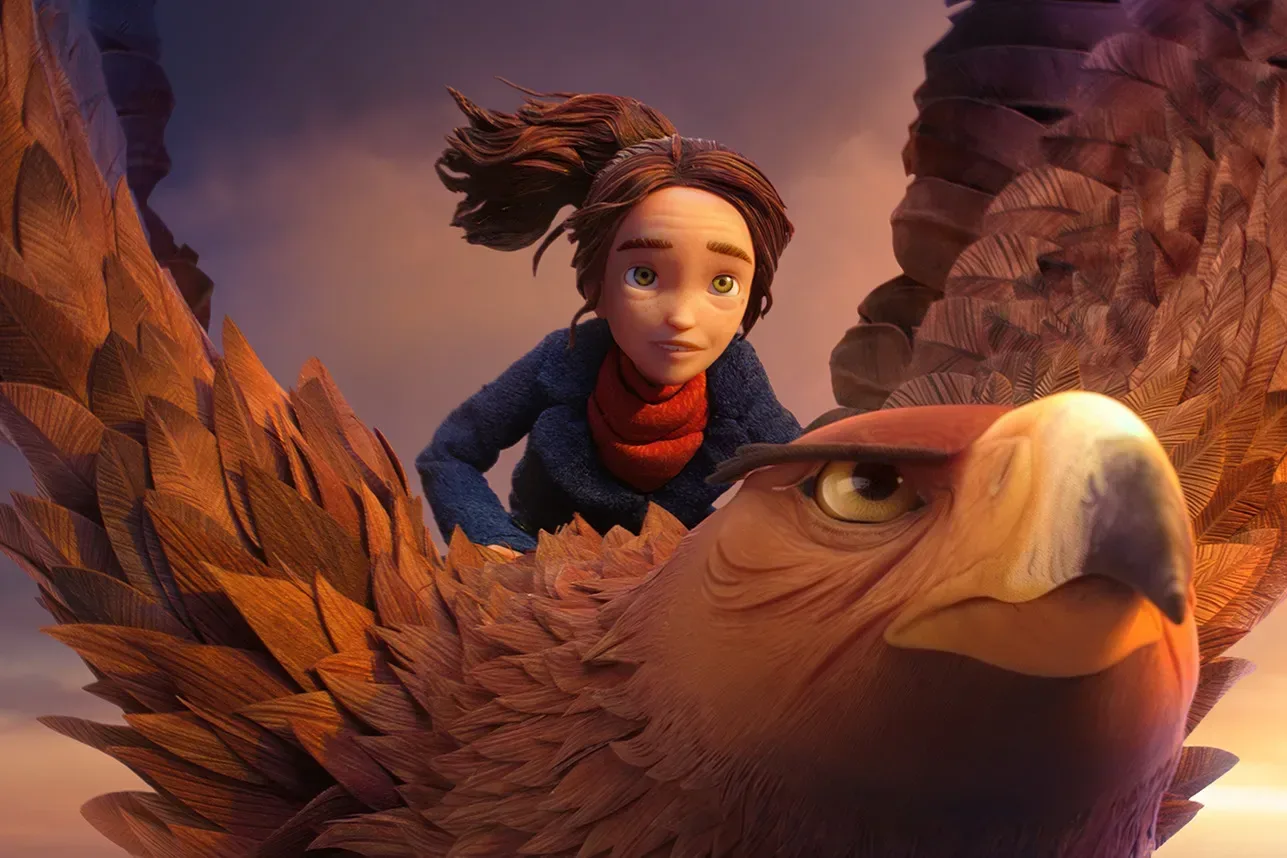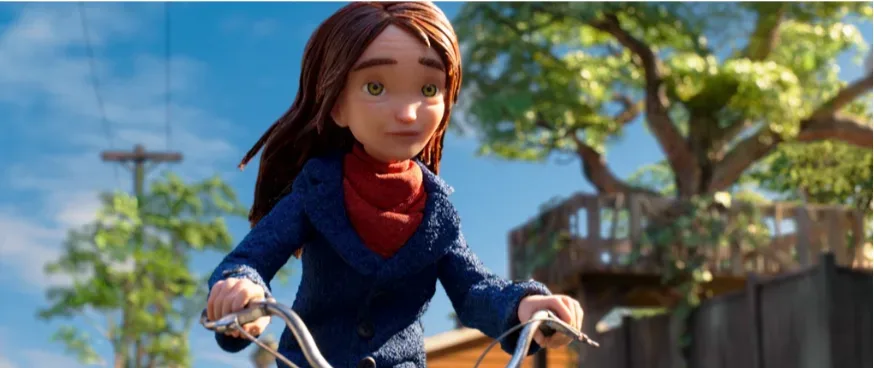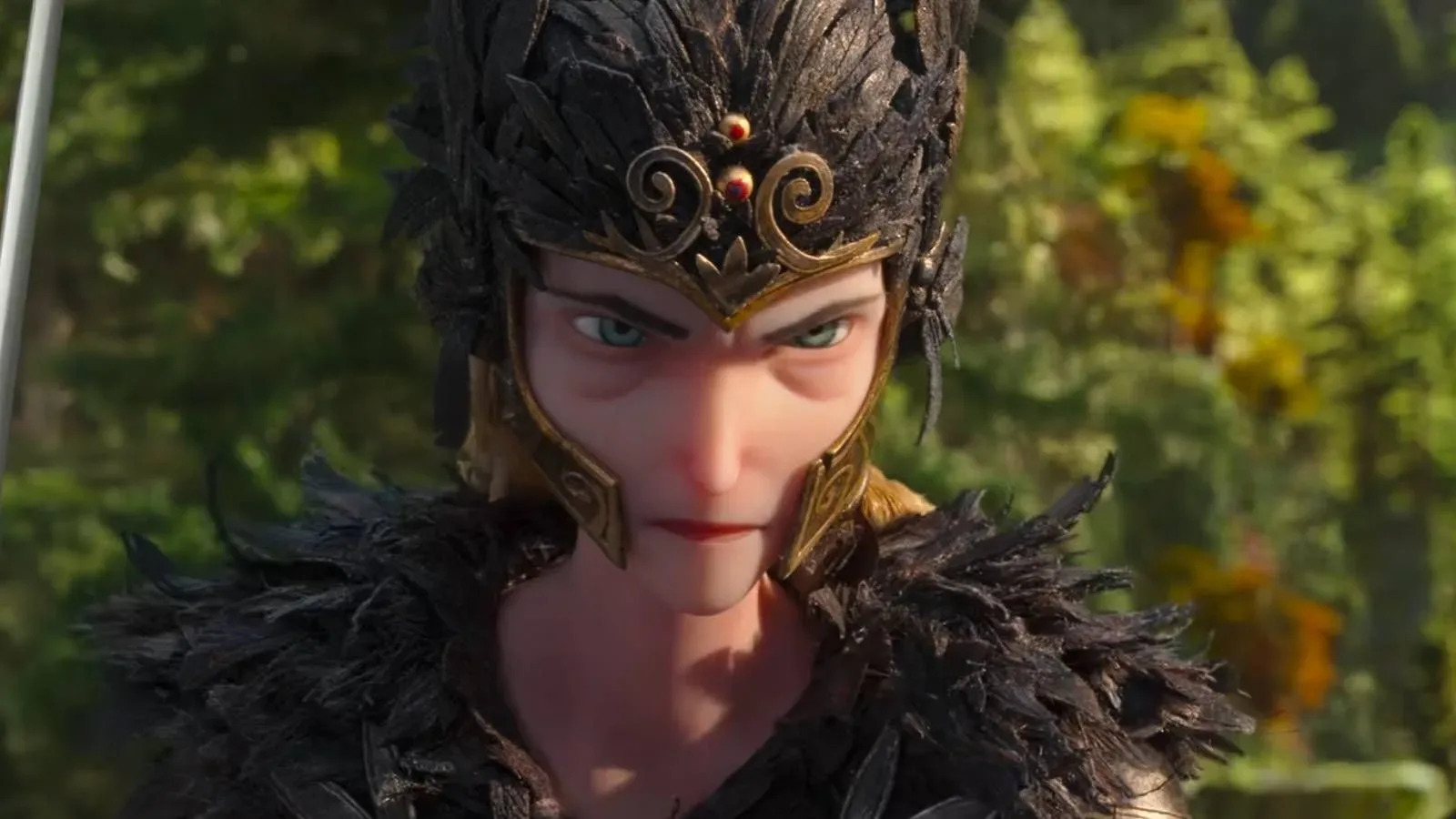
Laika’s Wildwood has emerged from its world premiere at the London Film Festival with the kind of early reaction that makes animation fans sit up straighter: not merely praise for careful craft, but claims that the studio may have delivered its defining film. The Travis Knight-directed feature is due in theaters on October 23, and the initial discussion has centered on huge-scale world-building, emotionally grounded storytelling, and battle scenes being measured against exceptionally large fantasy benchmarks.
That is a formidable standard to invoke before a wide theatrical release. A reaction from The Next Best Picture described Wildwood as a stop-motion masterpiece and said its combat sequences rival work associated with Game of Thrones and The Lord of the Rings. Another early viewer, posting as @justmiaslife, called the film a demonstration of animation’s seemingly boundless potential. Meanwhile, @MainstreamMatt called it Laika’s crowning achievement, highlighting both the film’s elaborate world-building and its emotional richness.
Early festival reactions are not the same thing as a full critical consensus, and they should be read with the appropriate caution. They do, however, establish what viewers are responding to: a sense that the movie’s scale is unusual for stop-motion, and that its visual ambition is being paired with a story that has genuine feeling behind it. For a format often discussed chiefly in terms of how painstakingly it is made, that combination matters.
Why the comparisons carry so much weight
The Lord of the Rings comparison is less meaningful as a literal promise that Wildwood is the same kind of film and more meaningful as an indication of perceived scope. When audiences point to that trilogy, they are usually responding to a few connected qualities: a world that feels complete beyond the frame, conflicts that seem consequential, a vivid physical environment, and action staged at a scale that asks viewers to take a fantasy setting seriously.
In this case, the emphasis on battle sequences is particularly notable. Stop-motion animation is built through incremental movement: physical models are adjusted in extremely small steps, with a frame captured after each change. When those frames are played in sequence, the objects appear to move. Even a simple gesture requires deliberate planning. A large action scene raises the complexity sharply, because the production must coordinate characters, props, environments, camera placement, movement, timing and continuity while retaining the tactile look that distinguishes the medium.
“World-building” is another term that can become vague through overuse, but the early comments give it a useful function here. It does not simply mean that a film contains unusual creatures or elaborate scenery. At its best, it means a setting appears to have its own rules, geography, textures and sense of life. The reaction that praised “how did they do that?” animation points toward the particular appeal of stop-motion: viewers can see the physicality of constructed worlds even when they cannot identify every technique used to create them.
That physical quality is central to why a large-scale stop-motion fantasy can land differently from an effects-heavy live-action or fully computer-animated production. The supplied details do not spell out the methods used on Wildwood, so it would be wrong to assume a specific production pipeline. But stop-motion’s basic principle creates a distinctive relationship between scale and labor. Every visual element that seems to exist effortlessly on screen must be carefully controlled in a material environment. A vast fantasy world therefore has to feel both imaginative and convincingly present.
A long-developed project with unusually high stakes
Wildwood has reportedly been 16 years in the making. That timeline gives the favorable first reactions additional context. Long development does not automatically lead to a great movie; it can reflect any number of creative or practical challenges. Still, it means the project arrives with the expectation that substantial thought and effort have gone into shaping it. If the reported response to the film’s emotional and visual dimensions holds up, the extended development may be remembered as part of the story of how Laika attempted something unusually ambitious.
The film is also being described as one of the biggest stop-motion productions ever made. “Biggest” can refer to several things, including the scope of the story, the scale of its scenes, the amount of production work involved, or the financial resources behind it. The available details specifically place its estimated budget at $100 million. That number is important because it changes the commercial conversation around a medium that is frequently celebrated for artistry but is still a costly, specialized way to make a feature film.
A $100 million estimate does not by itself determine success or failure. It does, however, make the reported domestic opening-weekend projection of roughly $10 million more conspicuous. Opening weekend is a closely watched industry measure because it shows how many people were persuaded to see a film immediately. Yet it is only one part of a movie’s eventual theatrical story. It does not establish long-term attendance, audience response after release, or the value a title may build over time.
The tension between lavish early praise and a modest opening projection is therefore the central practical question facing Wildwood. Can a stop-motion fantasy with outstanding word of mouth reach viewers beyond the audience already predisposed to seek out Laika? The answer will depend on how widely the enthusiasm travels once general audiences can see the film, not on premiere-night posts alone.
What “cult classic” status can—and cannot—solve
Laika has a reputation for films that can build devoted audiences, and that history makes it tempting to frame Wildwood as a future cult classic before it reaches theaters. A cult classic is generally a work that inspires a particularly committed audience, sometimes well beyond its initial commercial impact. That status can reflect striking style, distinctive themes, repeat-watch appeal or the simple fact that viewers feel they have discovered something unlike the mainstream norm.
For Wildwood, the early description from @MainstreamMatt is revealing: the viewer said it was the kind of film they would have replayed hundreds of times as a child. That is not a box-office forecast. It is a statement about durability—about the possibility that a densely imagined setting and emotionally accessible story can become part of someone’s personal movie vocabulary.
But cult appreciation and immediate commercial performance are separate questions. The former can develop gradually, while a high-budget theatrical release faces attention and revenue pressures from the start. The current forecasts therefore should not be mistaken for a judgment on the film’s quality, just as strong festival enthusiasm should not be treated as proof of how every ticket buyer will respond. The interesting part is that both possibilities are now in view at once: Wildwood may be arriving as a major artistic statement, while still needing to convince a broad public to turn out for an ambitious stop-motion original.
Why this matters for animation beyond one release
The praise surrounding Wildwood is also a reminder that animation is a medium rather than a genre. It can support comedy, horror, intimate drama, action, fantasy or stories that combine all of those modes. When early viewers praise a film for major battle sequences and emotional depth in the same breath, they are identifying an aspiration that animation regularly has to reassert: visually stylized filmmaking can still carry high dramatic stakes.
In the case of stop-motion, the point carries extra force because the medium’s handcrafted texture can lead some viewers to prematurely label it as slight or exclusively child-oriented. Nothing in the available information requires assumptions about Wildwood’s intended audience. But the comparisons to major epic fantasy properties make clear that its scale is being noticed, while the acclaim for its emotional story suggests that spectacle is not the only attraction.
That distinction is worth holding onto as release approaches. “How did they do that?” is an entirely valid reaction to sophisticated animation, especially when a production appears to enlarge the apparent limits of its form. Yet technical wonder becomes more powerful when it serves character and story rather than replacing them. The strongest claims coming out of the premiere are promising precisely because they praise both sides of that equation.
What audiences should watch for on October 23
The October 23 release will be the first chance for audiences outside the premiere setting to decide whether the early language around Wildwood fits. The useful questions are not whether it must equal another fantasy landmark, or whether every enthusiastic reaction proves prophetic. Instead, viewers can look at the particular things the early responses identify: whether its world feels coherent and immersive, whether the action has clarity and impact, and whether the emotional thread gives the visual spectacle lasting purpose.
For the wider entertainment calendar, Wildwood arrives as an example of a high-ambition animated feature trying to earn attention on its own terms. Readers tracking the season’s other pop-culture releases can also find recent coverage from the television side of the entertainment calendar.
For now, the case for Wildwood rests on an unusually excited first wave of responses, a reported 16-year journey to the screen, and the challenge of bringing a costly stop-motion event to a sizable theatrical audience. The comparisons may be enormous, but the more concrete takeaway is compelling enough: Laika’s next film is being discussed as a major achievement before most moviegoers have had the chance to see it.