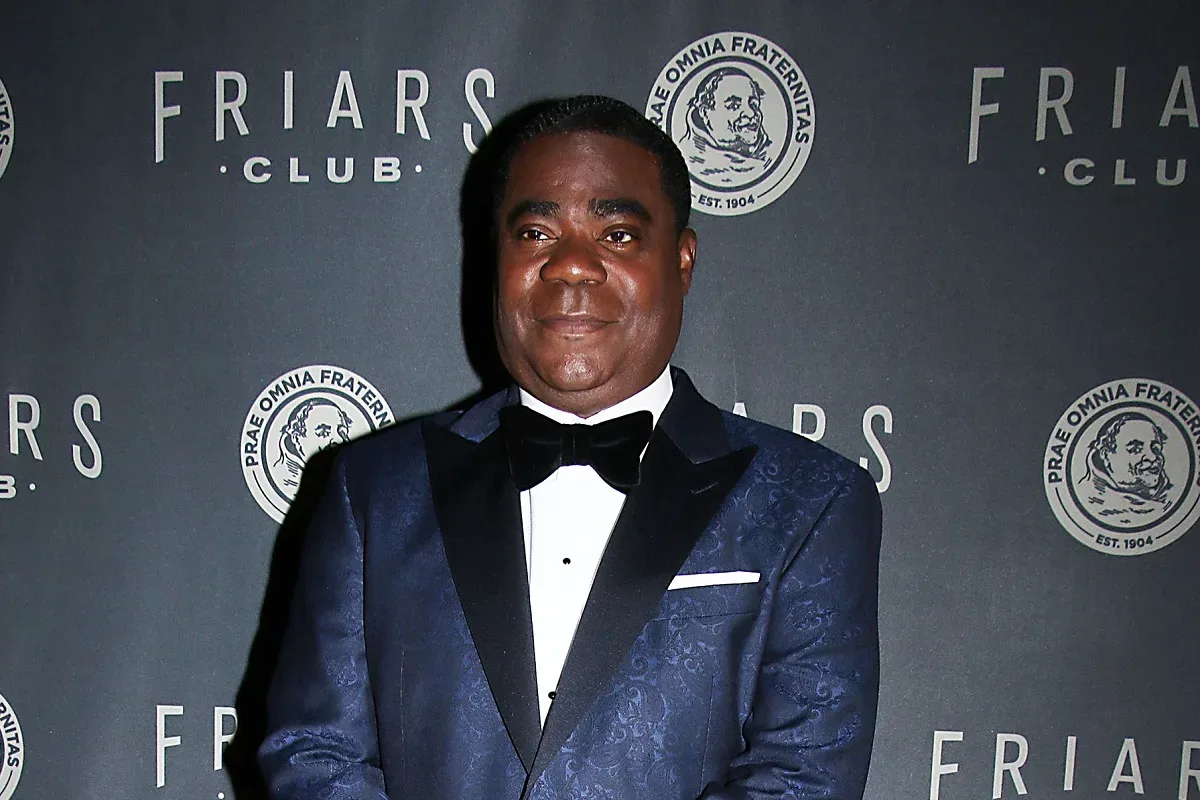
Tracy Morgan brought one of 30 Rock’s most enduringly absurd musical jokes back to the stage, performing “Werewolf Bar Mitzvah” with Lin-Manuel Miranda at the sitcom’s 20th-anniversary reunion. The number closed the Sunday event at New York’s Radio City Music Hall, where musicians and dancers joined the pair for a full-scale presentation of a song that originally existed as a deliberately tiny piece of television nonsense.
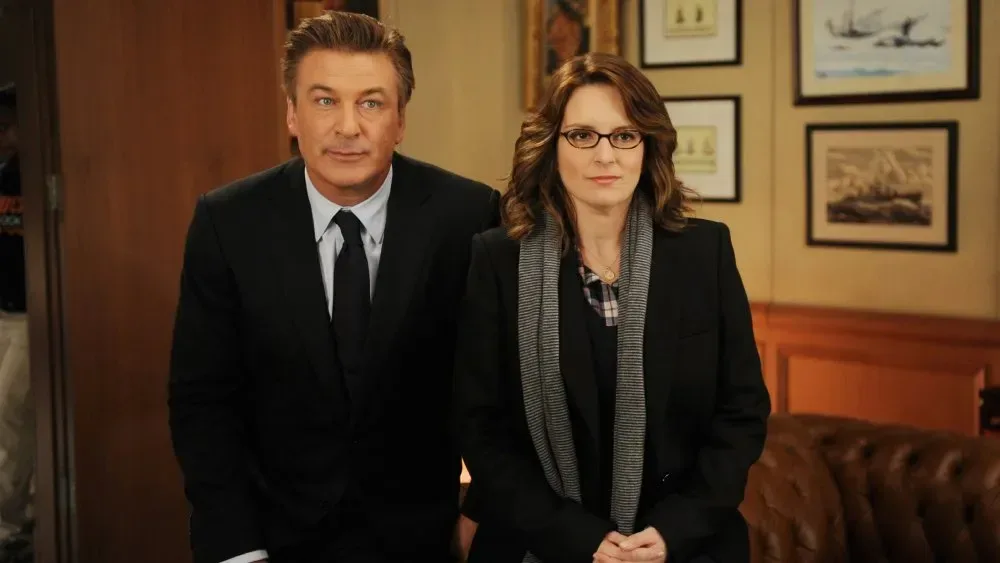
The reunion combined sketches and appearances by members of the cast while raising money for Boys & Girls Clubs of America. It was billed as a “never-to-be-televised” occasion, and Tina Fey asked attendees not to record it, explaining that the cast and crew were not recording the show themselves. That framing matters: this was an event built for the people in the room, rather than a new episode, a filmed special, or a formal release of the performance.
A novelty song that outgrew the joke
“Werewolf Bar Mitzvah” began as part of the 2007 30 Rock episode “Jack Gets in the Game.” In the show’s fictional world, Morgan’s Tracy Jordan was attempting to make a novelty hit. A novelty song is a comedy-oriented musical piece whose central premise, character, or gimmick is as important as its conventional musical appeal. The joke here is inseparable from Tracy Jordan’s famously erratic creative instincts: the song treats an impossible monster-and-ceremony combination with outsized seriousness, then lets the ridiculousness do the work.
That small gag was later developed into a complete track. Its longer form is why it has remained memorable: it does not simply repeat the original premise, but extends the character comedy through a performance that starts with apparent confidence and then becomes increasingly derailed. Writer Tami Sagher drafted an early version after composer Jeff Richmond wanted to turn the bit into a full song. Writer Robert Carlock encouraged an especially important structural choice: Tracy Jordan should lose his train of thought as the number unfolds.
That creative decision is the key to why the song plays as more than a single punchline. A straightforward comic track might spend its entire runtime escalating one joke. “Werewolf Bar Mitzvah,” by contrast, lets its performer’s inability to sustain the song become part of the song. The character is not merely singing something ludicrous; he is struggling to complete his own ludicrous creation. The form and the character are doing the same comedic job.
Donald Glover’s role in the longer recording
The full version also has a behind-the-scenes wrinkle that many listeners may not immediately recognize. Donald Glover—also known musically as Childish Gambino—helped write and voice the extended track. Carlock and Sagher explained in 2018 that Glover stepped in for Morgan at the microphone on parts of the recording and contributed spoken ad-libs.
“Some of the vocal on the long version of Tracy is actually Donald doing a pretty amazing Tracy impression,” Carlock said.
This is a useful reminder that a recorded television-comedy song is often more collaborative than the on-screen credit implies. Morgan’s performance and the fictional identity of Tracy Jordan are central to the number, but its finished audio also involved writers, a composer and another performer helping create the intended effect. In practical terms, the impression work allowed the longer version to retain the sound of the character while expanding the material beyond what was initially recorded for the episode.
Related coverage includes Tracy Morgan and Lin-Manuel Miranda Bring Back “Werewolf Bar Mitzvah” at 30 Rock Reunion.
It also speaks to the unusual durability of fictional music from a sitcom. Comedy songs can vanish as quickly as the episode that introduced them, especially when they are written to serve a narrow plot beat. This one lasted because its premise was concise, its character voice was clear, and the longer recording gave listeners something with a shape beyond a quick television clip. The reunion performance turned that compact piece of comedy into the night’s closing spectacle without changing what made it work.
A staged finale, not a standard concert set
Miranda’s involvement and the backing musicians and dancers indicate a presentation bigger than a cast member simply walking out to repeat a familiar refrain. Yet the available details do not establish a set list, arrangement, or whether any new lyrics were added. What is clear is that the event used the song as a finale, a role that fits its heightened, chaotic energy.
For a reunion, a closing number has to serve two audiences at once. It needs to reward people who remember the original context, while still landing for those who only know the joke by reputation. “Werewolf Bar Mitzvah” is unusually suited to that task because the premise is immediately legible. Fans can appreciate the callback to Tracy Jordan’s fictional career; newcomers can understand the comic contrast between polished live staging and intentionally bizarre subject matter.
Bringing Miranda into the performance adds another layer without requiring the event to turn into a conventional musical-theater showcase. The number’s roots remain firmly in television character comedy. Its staging at Radio City, however, demonstrates how a short scripted gag can be adapted for a large venue when the audience shares enough familiarity with the original joke.
Other reunion callbacks stayed focused on the cast
Before the musical finale, Jack McBrayer put Morgan and Fey through a game involving lines from old episodes. The two were asked to fill in missing words or phrases. Morgan’s responses led Fey to ask whether he had watched the program at all, a teasing exchange that kept the reunion’s attention on the cast’s rapport as much as on carefully recreated material.
That distinction is significant. A reunion does not have to recreate an episode scene-by-scene to feel connected to the original series. A line-reading game depends on audience memory, but it also makes room for present-day spontaneity and for the performers’ relationships. The “Werewolf Bar Mitzvah” finale worked similarly: it drew on a recognizable piece of 30 Rock history, then put it in a new live-event context.
Why the no-recording request changes expectations
The “never-to-be-televised” billing means fans should be careful not to mistake the live event for a promised screen release. No official filmed version was indicated by the details available, and Fey’s request that audience members not film makes the intended boundary particularly plain. The performance’s value was its temporary, communal nature: a charity reunion staged for the attendees, not an announced addition to the series’ catalog.
That does not make the moment less meaningful for viewers who were not there. Instead, it separates the original song—an enduring piece of TV comedy with a documented longer recording—from this particular rendition, which was designed as a one-night capstone. The cast did not need to manufacture a new canonical chapter for the series. Revisiting a strange, beloved musical bit was enough to make the anniversary event feel specific to 30 Rock.
For readers interested in the craft behind music written for screen projects, Joking Joystick has also covered the Universal 2026–28 Composers Initiative. The comparison is not that sitcom novelty songs and scored screen work are the same discipline; they are not. But both depend on music being shaped to the needs of a larger production—whether that need is atmosphere, emotion, timing, or in this case, a character’s gloriously unsteady attempt at a hit record.
Twenty years after 30 Rock began, “Werewolf Bar Mitzvah” remains an efficient example of why the show’s comedic fragments have endured. It is brief in premise but dense in character, constructed as a song while also being a joke about someone failing to make a song. At Radio City Music Hall, Morgan and Miranda used that same strange little engine to send off a charity reunion with musicians, dancers and a deliberately unrepeatable live moment.