Universal Talent Development has opened the fourth edition of its Universal Composers Initiative, naming eight composers for the 2026–28 cohort. The two-year program is being run in partnership with Universal Film Music, with DreamWorks Animation and Universal Studio Group Music participating.
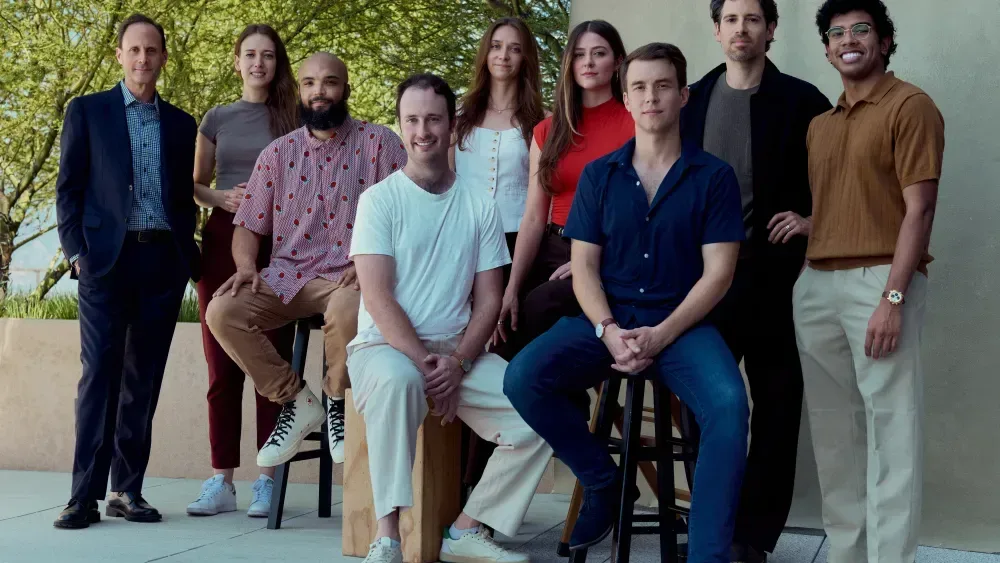
The selected composers are Annah Tencic, Marcus Norris, Logan Nelson, Katya Richardson, Kristen Personius, Forrest Gray, Claudio Olachea and Jeremy Earnest. They join a development initiative intended to move working composers with emerging careers closer to the people, processes and project opportunities that shape screen music inside a major studio ecosystem.
The program was established in 2018 and seeks artists from conventional and less conventional professional routes alike. That detail matters: a composer’s path to film, television and animation scoring is not necessarily linear. The initiative’s stated focus is on distinctive creative viewpoints and musical expression, rather than a single prescribed résumé or genre background.
What the two-year initiative offers
At its core, the Universal Composers Initiative is a professional-development program. Participants receive access to the studio process, as well as creative and career-focused development opportunities. They are introduced to a wider network of executives, producers and directors within NBCUniversal and gain visibility beyond the company as their careers develop.
The initiative also includes networking, mentorship advice and practical exposure to how scoring work is considered. Participants may have opportunities to pitch for NBCUniversal scoring projects. That distinction is important: a pitching opportunity is not the same as a guaranteed job. It does, however, put composers in a position to submit their work for real assignments and to build relationships with people commissioning music.
For screen composers, a score is original music written to support a film, episode, short, documentary or another visual project. It can include themes associated with characters or places, music used to establish tension or emotion, and cues precisely timed to edits and on-screen action. Scoring is separate from selecting pre-existing songs for a project, though both can contribute to its overall musical identity.
The word pitch also has a specific professional meaning here. A composer may be asked to present musical ideas, a creative approach, prior work or sample material for consideration. The process can demonstrate not simply whether the music sounds strong on its own, but whether the composer understands the project’s creative needs and can communicate effectively with filmmakers and music executives.
Access is the point, not just instruction
Mike Knobloch, president of NBCUniversal Music and Publishing, Universal Film, described the participants as working composers at an emerging stage. His framing of the program emphasizes access, connectivity, experience, education and insight—resources that artists may eventually acquire through their own work, but not always with the same concentration or speed.
Related coverage includes Universal Names Eight Composers for 2026–28 Initiative.
“There are composers who deserve this as an accelerant to the trajectory of their career,” Knobloch said.
That idea of an accelerant is a useful way to understand the initiative. A development program cannot replace the creative work, technical craft or professional reliability demanded of a composer. It can reduce some of the distance between an artist and the decision-makers who might otherwise only encounter their work much later. In an industry where credits, recommendations and repeat collaborators can be consequential, that exposure has practical value.
Knobloch also characterized the initiative as a real-world program, rather than a purely academic exercise. The studio receives a structured chance to know the composers and help refine their skills. The composers gain a clearer view of the expectations surrounding professional screen work, from collaborating with creative stakeholders to presenting music for an active project.
There is mutual value in that arrangement. Companies seeking new voices can observe artists over time rather than relying on a single submission. Participants can learn within the environment where potential work may arise. The program’s structure makes the relationship more sustained than a one-off contest or a simple networking event.
A track record across film, television and more
Universal says 10 alumni have gone on to score NBCUniversal feature projects across Universal Pictures, Focus Features and DreamWorks Animation since the initiative began. Alumni work has extended beyond feature films as well, including animated television series, shorts, silent films in the Restoration Project, documentaries, commercials and theme-park music.
That variety illustrates why a broad studio-based initiative can matter to composers. Screen music is not confined to a single format. An animated television series, a documentary, a short film and a theme-park piece may all require different pacing, tone and collaboration methods. A program that exposes artists to multiple kinds of work can be useful precisely because careers do not always develop through one medium alone.
The initiative reports that 90% of alumni have been hired on an NBCU-related project. The figure is a measure of prior participant outcomes, not a promise that every member of the 2026–28 group will receive a commission. Still, it suggests the program has functioned as more than a visibility exercise: it has connected many participants with paid or credited work within the broader NBCUniversal network.
The involvement of DreamWorks Animation is especially notable in that context because animation has its own musical demands. Music may need to support fast tonal shifts, broad physical comedy, world-building and emotionally direct storytelling. Meanwhile, Universal Studio Group Music’s participation reflects a wider range of studio-connected screen work beyond theatrical filmmaking.
The eight composers in the 2026–28 cohort
- Annah Tencic
- Marcus Norris
- Logan Nelson
- Katya Richardson
- Kristen Personius
- Forrest Gray
- Claudio Olachea
- Jeremy Earnest
Universal has identified these eight artists as the current cohort, but has not detailed individual placements, specific projects or eventual scoring assignments. The meaningful near-term takeaway is their inclusion in a two-year framework built around mentorship, studio exposure and the possibility of pitching for real projects.
That measured reading is worth keeping in mind whenever a talent initiative is announced. Selection is a significant professional opportunity, but it is the start of a development period rather than evidence of an already-completed career leap. The program’s value will be in how each composer uses the access, relationships and creative feedback available over its two-year run.
Why development programs matter in screen music
Original scoring often happens behind the scenes, even though it can be central to the audience experience. A successful score can establish mood before a character speaks, make a setting feel distinct, guide attention through an action sequence or give a story emotional continuity. Yet the path toward receiving those assignments depends on more than composing ability. Creatives need to show they can respond to notes, work to schedules, interpret story goals and collaborate across a production.
That is why the program’s emphasis on studio process is as important as the prospect of project pitches. The studio process refers broadly to the systems and working relationships involved in developing, approving and delivering music for screen productions. It is where artistry meets deadlines, editorial needs and feedback from multiple collaborators.
Brandon Williams, senior vice president of Universal Talent Development, Universal Entertainment, said the initiative is part of a broader commitment to discovering and empowering emerging, high-achieving talent. He positioned it as both an investment in individual composers and in the creative pipeline used to support future studio productions.
A creative pipeline is the ongoing pathway through which talent is discovered, developed and connected to work. In this case, it means helping composers progress from emerging professionals to artists who can contribute to productions across the NBCUniversal system. The company benefits by cultivating relationships with new talent; composers benefit from a clearer route into rooms and conversations that can be difficult to access independently.
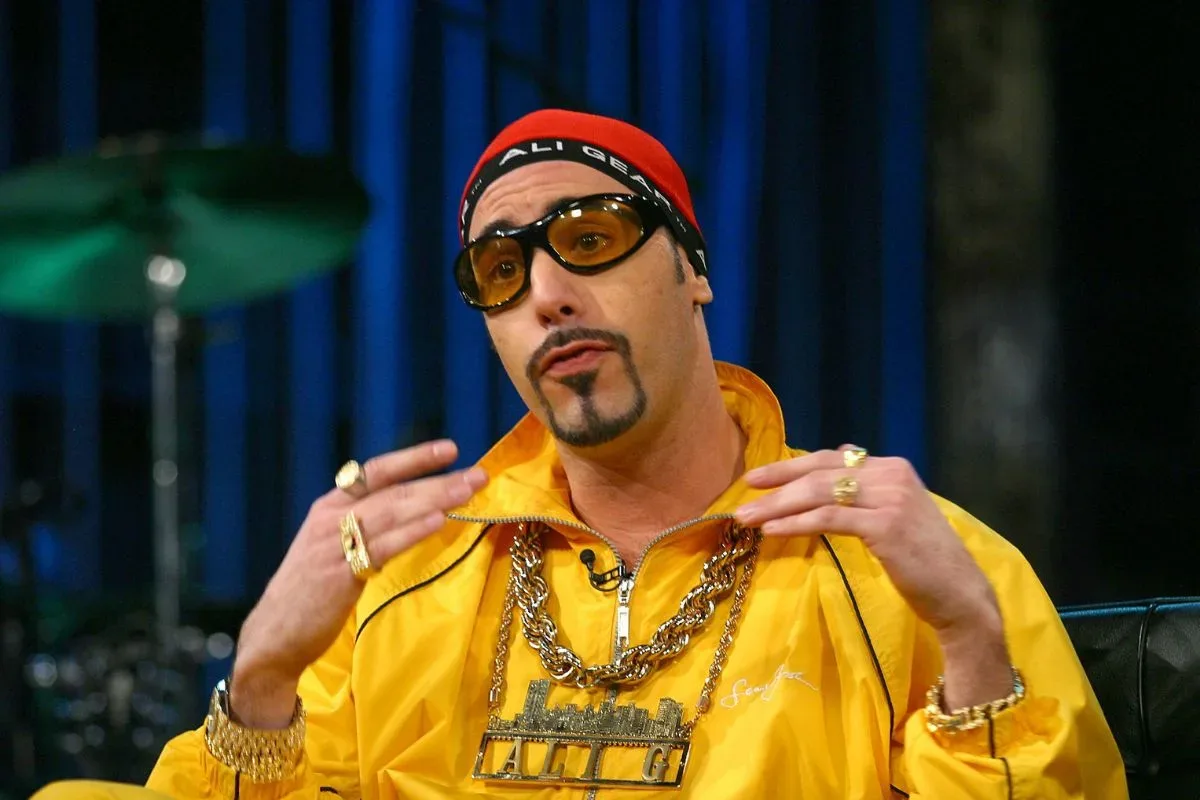
Film and television remain only part of the larger entertainment field where music can shape a project’s identity. As the initiative’s alumni examples show, opportunities can span animation, advertising, documentary, restoration and location-based entertainment. The surrounding screen-business conversation also continues to move across formats, from studio-led projects to new releases such as the upcoming Ali G film.
What happens next
For Tencic, Norris, Nelson, Richardson, Personius, Gray, Olachea and Earnest, the 2026–28 Universal Composers Initiative now provides a defined window for development and connection inside a major entertainment company. The initiative promises access to decision-makers, professional guidance and a chance to pursue scoring assignments, while leaving the ultimate project outcomes open.
For the wider industry, the fourth cohort continues a model designed to turn emerging talent into a more visible, better-connected group of working composers. Its reported alumni outcomes indicate that the program has already led to assignments across the NBCUniversal landscape. The next two years will determine which new collaborations and credits emerge from this eight-person class.