For decades, awards-season logic has been straightforward: a recording arrives, it competes during a defined eligibility period, and its Grammy fate is decided in the immediate aftermath of its release. Streaming culture has made that tidy timeline feel increasingly detached from how people actually hear music.
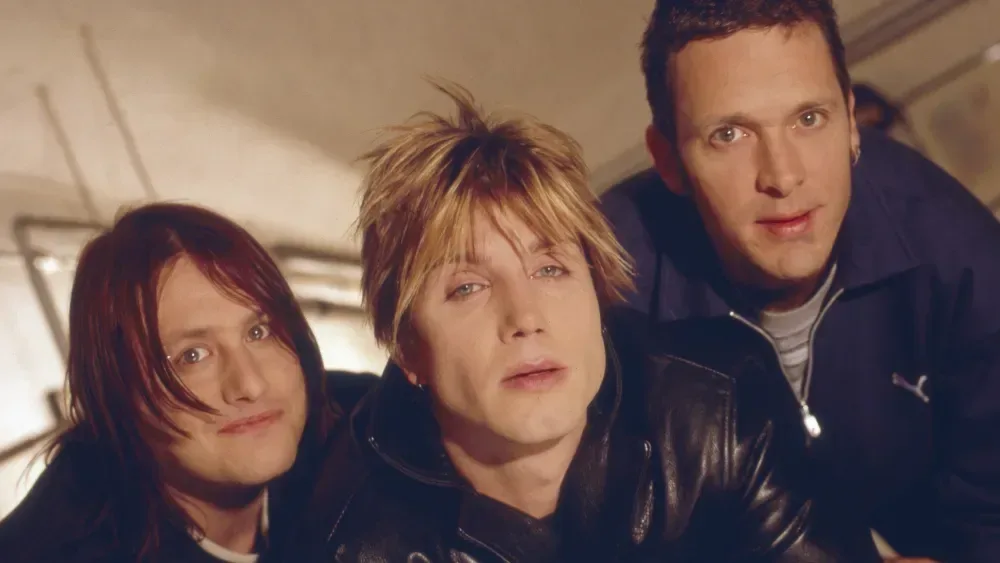
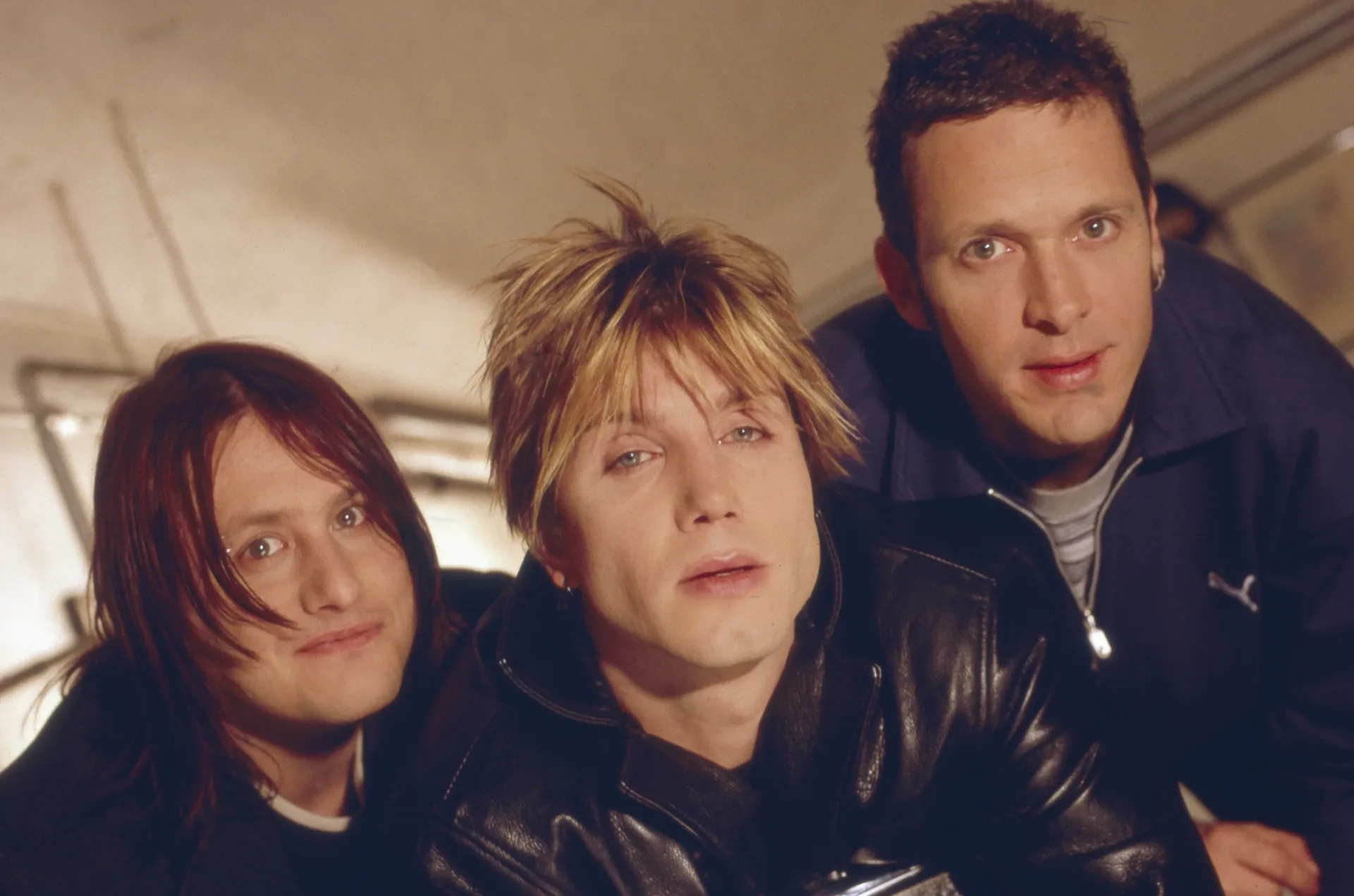
Goo Goo Dolls’ “Iris,” released in 1998, is the clearest recent example. The song found a fresh social-media moment as users—and celebrities including Drew Barrymore and Kevin Bacon—paired it with images of themselves in the 1990s. By late September, it had reached the top 10 of Spotify’s Global 50, sitting ahead of new singles from Ariana Grande and BTS. That is not merely a legacy act’s old favorite being remembered fondly. It is a decades-old recording competing for attention in the same listening environment as current-release pop.
The resulting question for the Recording Academy is less about whether “Iris” deserves to be called a classic. Its original Grammy campaign already put it in the conversation: the song was nominated in 1999 for record of the year and pop performance by a duo or group. The more difficult question is whether a massive, culturally visible return of an existing recording represents an achievement the Grammys can meaningfully recognize at all.
Right now, the answer appears to be largely no. A renewed surge for the original recording cannot ordinarily enter the awards system simply because listeners rediscover it. A new cover, live recording, or remix may create a route back into eligibility, but the viral return of the original version does not. That distinction made sense when a song’s commercial and cultural life was much more closely tethered to its initial release window. It is harder to defend when the same track can become newly ubiquitous years later.
A catalog hit can be a current event
Catalog music generally means previously released music rather than a recent release. The phrase can sound archival, as though the music exists mainly as inventory from the past. But a catalog track that re-enters major streaming charts is doing something more active: it is gaining a current audience, becoming part of current online conversation, and accumulating measurable listening alongside brand-new music.
“Iris” is not alone. Fleetwood Mac’s “Dreams” and the Killers’ “Mr. Brightside” are prominent examples of older songs with extraordinary durability in the streaming era. “Mr. Brightside,” first released in 2003, surged again over the past year and reached No. 1 on Billboard’s Rock Streaming Songs chart in early August. Those moments vary in cause and scale, but together they underline a crucial change: age is no longer a reliable proxy for cultural distance.
That is especially true in feeds built around short clips, trends, memories, and user-made video. A song can gain traction because it fits a joke, a personal-photo format, a dance, an emotional montage, or a highly repeatable bit of communal nostalgia. The track does not need a conventional promotional campaign or a new album cycle to reach listeners. It needs a use case that spreads.
That does not make every old song that resurfaces a new artistic work. The recording itself may be unchanged. Yet the audience behavior is new, and in some cases enormous. Nearly half the songs on the Global 50 were released before 2025, a figure that makes it difficult to describe catalog listening as a niche or backward-looking habit.
Related coverage includes Why Grammy Recognition for Resurgent Catalog Hits Is Becoming a Bigger Question.
The existing Grammy tools address different achievements
The Academy already has mechanisms for honoring the past, but they are not designed for this exact phenomenon. The best historical album award recognizes work in audio restoration and historical presentation. The Grammy Hall of Fame and Lifetime Achievement Award can celebrate recordings and careers of lasting importance. All are valuable forms of recognition, but none is a prize for a preexisting song that suddenly becomes part of the present-day popular conversation again.
That difference matters. Restoration honors stewardship and preservation. Hall-of-fame recognition establishes historical stature. Lifetime awards honor a body of work. A resurgent-catalog category, by contrast, would recognize renewed public impact in a contemporary listening cycle.
Robert Reynolds, who has managed the Killers since the start of the band’s recording career, framed the issue as one of “living streaming culture.” The idea is not that every older song needs a second chance at every original Grammy category. It is that a modern awards institution may need a way to acknowledge when listeners turn an established recording into an unmistakably current hit.
Pat Magnarella, Goo Goo Dolls’ manager for 36 years, similarly points to the generational dimension. A teenager encountering “Iris” for the first time may not experience it as an old song at all. The listener experiences a song circulating now, attached to the media and emotions people are sharing now. The release date matters for industry rules, but it may matter very little to the person pressing play.
Why this is becoming harder to dismiss
Listening habits give the debate more weight than a few isolated viral revivals. Luminate’s 2026 midyear report found that 60% of Gen Z consumers favor music from the 1990s or earlier, up from 18% in 2021. The same report identified nostalgia as a major motivator in vinyl buying, cited by 54% of Gen X and 49% of Gen Z respondents.
Nostalgia is only part of the story, though. It explains why familiar music can have emotional pull, but it does not fully account for why an old recording can climb into a global top 10 alongside new releases. Social platforms can transform personal memory into a shared format. One person posts an old photo; thousands recognize the prompt and add their own. The song becomes the common language binding the posts together.
In that environment, the release calendar has less authority than it once did. Streaming does not force a listener to walk through decades of music in chronological order, and social feeds do not stop an older sound from reaching a younger user. The practical result is an attention market where music from 1998, 2003, and 2026 can all compete at once.
This broader shift also provides useful context for how platforms learn from listener behavior. Personalized digital services increasingly assemble a picture from users’ interests and activity; tools that let people inspect and edit shopping profiles are a reminder that data-driven curation affects far more than music. In the case of resurgent songs, recommendation systems and social sharing can help keep an unexpected rediscovery in circulation after its first viral flash.
What recognition could look like—and where it could go wrong
A new Grammy category is the most obvious proposal, but the name and rules would determine whether it adds clarity or confusion. Something akin to “resurgent recording” would need to focus on a track’s documented revival during a specified period, rather than simply rewarding the most famous old song still being played.
Any workable framework would have to settle several questions:
- What counts as a resurgence? Chart position, streaming growth, social use, and duration could each tell part of the story. A one-day meme spike is not necessarily the same as sustained renewed popularity.
- Which recording is eligible? The award would need to distinguish an original track from a newly released remix, cover, or live rendition, since the latter may already fit existing pathways.
- How old must a recording be? A rule should prevent recently released songs from treating ordinary delayed growth as a catalog revival.
- Who receives the award? A recording’s renewed life may involve artists, songwriters, producers, labels, and the audience-driven culture that elevated it. The Grammys would need to decide whose work is being honored.
- Would popularity alone be enough? The Academy would need to balance measurable reach with the peer-recognition principles that separate the Grammys from a pure chart award.
Those complications are real, and they are a reason to avoid a rushed category built around whatever song happens to be trending. A popularity-only prize could duplicate charts rather than identify a distinctive achievement. It could also favor recordings with enormous preexisting fame, leaving less obvious but genuinely meaningful rediscoveries behind.
There is a second possibility: revise eligibility rules so an old recording can compete again when it achieves clearly defined new commercial or cultural traction. That approach might be more disruptive. Record of the year and other marquee fields are designed around releases within a cycle. Reopening them to prior winners, prior nominees, or long-established hits could crowd newer work and create difficult comparisons between original-release campaigns and later rediscovery campaigns.
A separate category therefore has a cleaner logic. It would recognize a different kind of accomplishment without suggesting that a song from 1998 should be competing directly against every recording first released during the current period. It could also acknowledge the strange but compelling truth of the streaming age: a song’s first release and its biggest cultural moment are no longer guaranteed to be the same event.
An awards gap, not a verdict on old versus new
The strongest case for change is not that legacy artists need another trophy. It is that the Grammys risk leaving a significant slice of music culture outside their present-tense frame. When an older song returns to global-chart prominence, becomes a common social-media reference point, and introduces itself to a new generation, that is plainly a notable event in music consumption.
The Academy has not publicly outlined a response to the question. Its existing historical honors show that it already recognizes recordings can matter beyond their original release date. The unresolved challenge is whether it sees renewed mass relevance as an achievement distinct from both preservation and lifetime legacy.
“Iris” offers a useful test case because the original recording has already had a full awards-season life, yet its current audience has created a separate moment around it. “Mr. Brightside” offers another: a song first released in 2003 reaching No. 1 on a streaming chart more than two decades later is difficult to treat as a purely historical footnote.
Music fans do not listen by eligibility year. Increasingly, they listen by connection: a song fits the clip, the memory, the mood, or the moment, and then it travels. The Grammys can decide that their mission remains tied to first-release cycles. But if they want their awards to reflect the way recordings now live, spread, and return, resurgent hits are becoming too visible to ignore.